Amnesty International says it has documented a renewed escalation of arbitrary detentions, unlawful surveillance and harassment in Cuba, especially targeting relatives of political prisoners and those tied to high-profile repression cases. The group verified tactics such as house blockades, constant monitoring and movement restrictions. Recent arrests include influencers Ernesto Ricardo Medina and Kamil Zayas, and a Cubadata poll found deep public distrust — notably 81.9% skeptical of the Communist Party and 71.5% reporting restrictions on freedom of expression.
Amnesty International: Repression Escalates in Cuba — Detentions, Surveillance and Harassment Rise
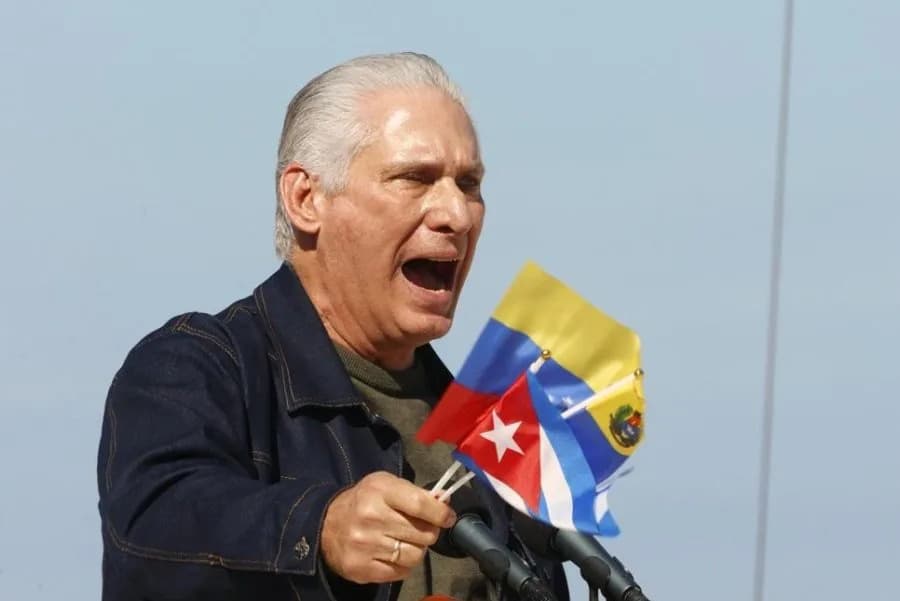
Cuban President Miguel Diaz-Canel's government has engaged in a higher level of repression, according to Amnesty International. Photo by Ernesto Mastrascusa/EPA
Amnesty International reported a renewed escalation of arbitrary detentions, unlawful surveillance and harassment in Cuba, targeting relatives of political prisoners and people linked to prominent cases of state repression.
Verified Tactics and Patterns
The human rights group said it verified state security operations that include police blockades around homes, continuous monitoring, restrictions on freedom of movement and threats directed at activists and government critics. Amnesty described these measures as part of a systematic pattern of authoritarian practices used to punish and deter dissent.
"The constant surveillance of homes, short-term arbitrary detentions and unjustified restrictions on leaving one's home are part of a systematic pattern of authoritarian practices the Cuban state is using to punish and deter any form of dissent," said Johanna Cilano, Amnesty International's Caribbean researcher.
Recent Cases and Local Reaction
One of the cases highlighted by Amnesty involved influencers Ernesto Ricardo Medina and Kamil Zayas of the audiovisual project "El 4tico," who were detained after a police search of their home. Opposition platform Cuba Primero reported the two had faced ongoing harassment, surveillance and criminalization because of civic activism and criticism of the government.
Activists also reported a rise in anti-government graffiti and posters appearing overnight in several cities. Slogans seen by observers included phrases such as "Viva Trump" ("Long Live Trump"), "Cuba 1ro" ("Cuba First"), "The people want Canel's downfall," and "Down with the Castros." Independent outlet Diario de Cuba said the messages reflect mounting social discontent and continued attempts by citizens to voice dissent despite risks of reprisals.
Official Responses And Broader Impact
Authorities typically remove such messages quickly and do not issue official reports, but independent organizations and activists say official responses often include interrogation, short-term detention and ongoing surveillance of suspected individuals. Amnesty also warned that the worsening health of detainees and intensifying harassment indicate a sustained pattern of repression.
Public Opinion Data
A Cubadata study of Cuban citizens, published in November by a Peruvian university, found declining public confidence in the political system: 81.9% of respondents said they were skeptical of the Communist Party, 77% rejected the government's economic management, and only 4.7% considered the government effective. The poll also found 71.5% believed authorities frequently restrict freedom of expression and 58.2% said the government uses repressive tactics to maintain political control.
Amnesty's findings and the polling data together suggest rising civic frustration and the continued use of repressive measures to limit public dissent in Cuba.
Help us improve.