David Gelernter, a Yale computer science professor, is defending a 2011 email in which he described an alum he referred to Jeffrey Epstein as a "v small goodlooking blonde," saying he intended to help her find work. DOJ documents show Gelernter and Epstein exchanged emails between 2009 and 2015, including messages that indicate Epstein had already served time. Yale condemned the language used in the emails; Gelernter remains on the faculty and is teaching this semester.
Yale Professor Defends Email Recommending 'V Small Goodlooking Blonde' to Jeffrey Epstein

Gelernter has taught computer science classes at Yale for decades. / James Leynse / Corbis via Getty Images
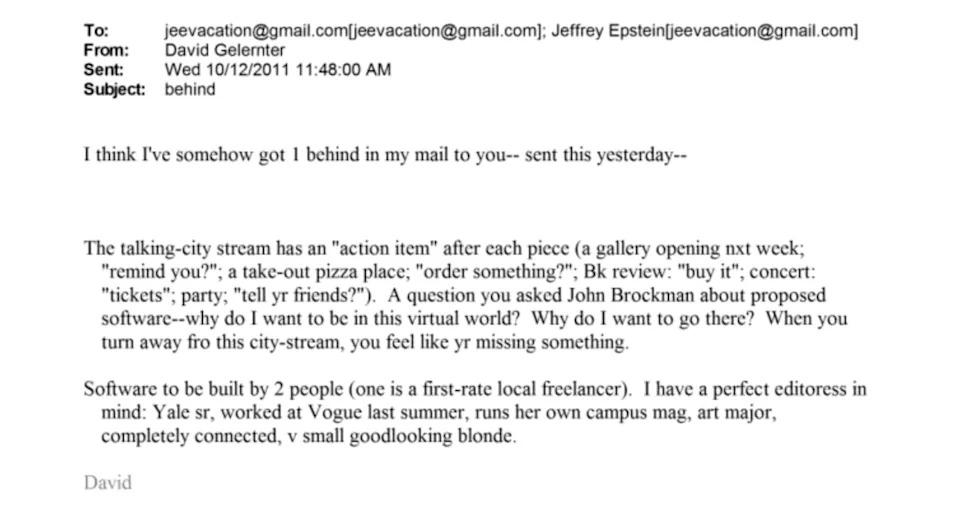
Yale computer science professor David Gelernter is defending a 2011 email in which he described a job candidate to financier Jeffrey Epstein as a "v small goodlooking blonde," saying he intended to help the alum secure a position. Newly released Department of Justice records show the two exchanged messages over several years.

David Gelernter, professor of computer science and a specialist In Artificial Intelligence At Yale University. / James Leynse / Corbis via Getty Images
Professor Says He Was Writing A Helpful Reference
Gelernter, 70, told colleagues he had written the descriptive reference with the prospective employer in mind. In an email to Dean Jeffrey Brock and professor Holly Rushmeier, Gelernter wrote: "I was recommending her for a job I thought she'd like," and said that when preparing a recommendation it is common to consider the employer's preferences.
DOJ
"She was smart, charming & gorgeous. Ought I to have suppressed that info? Never! ... I'm very glad I wrote the note." — David Gelernter
Public Disclosure And Yale's Response
Gelernter circulated his explanation to news outlets, including the Yale Daily News. Yale responded that the university "does not condone the language used by the professor or the conduct he describes in his emails," and reaffirmed its commitment to an environment where all community members feel respected.

Despite a mountain of evidence against him in Florida, Epstein was given a light sentence in 2008. / Anadolu / Anadolu via Getty Images
Context From DOJ Records
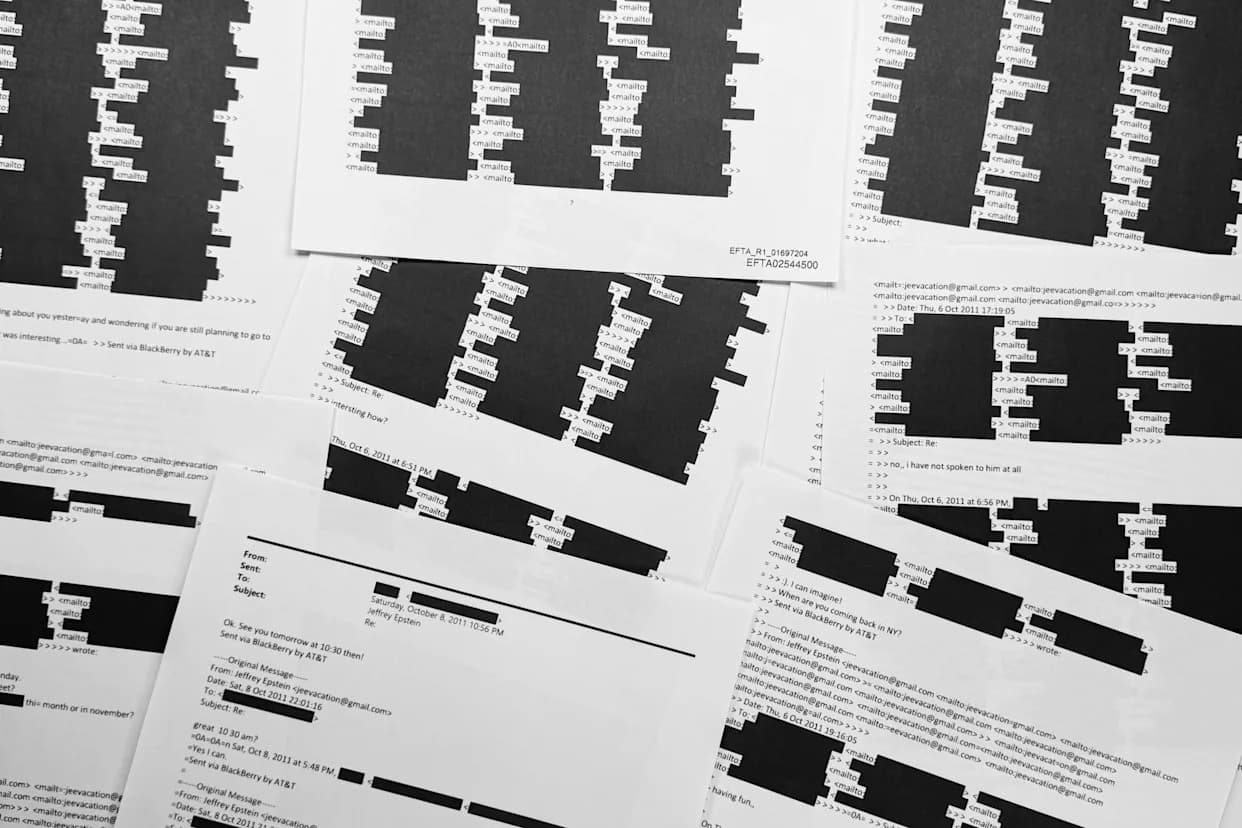
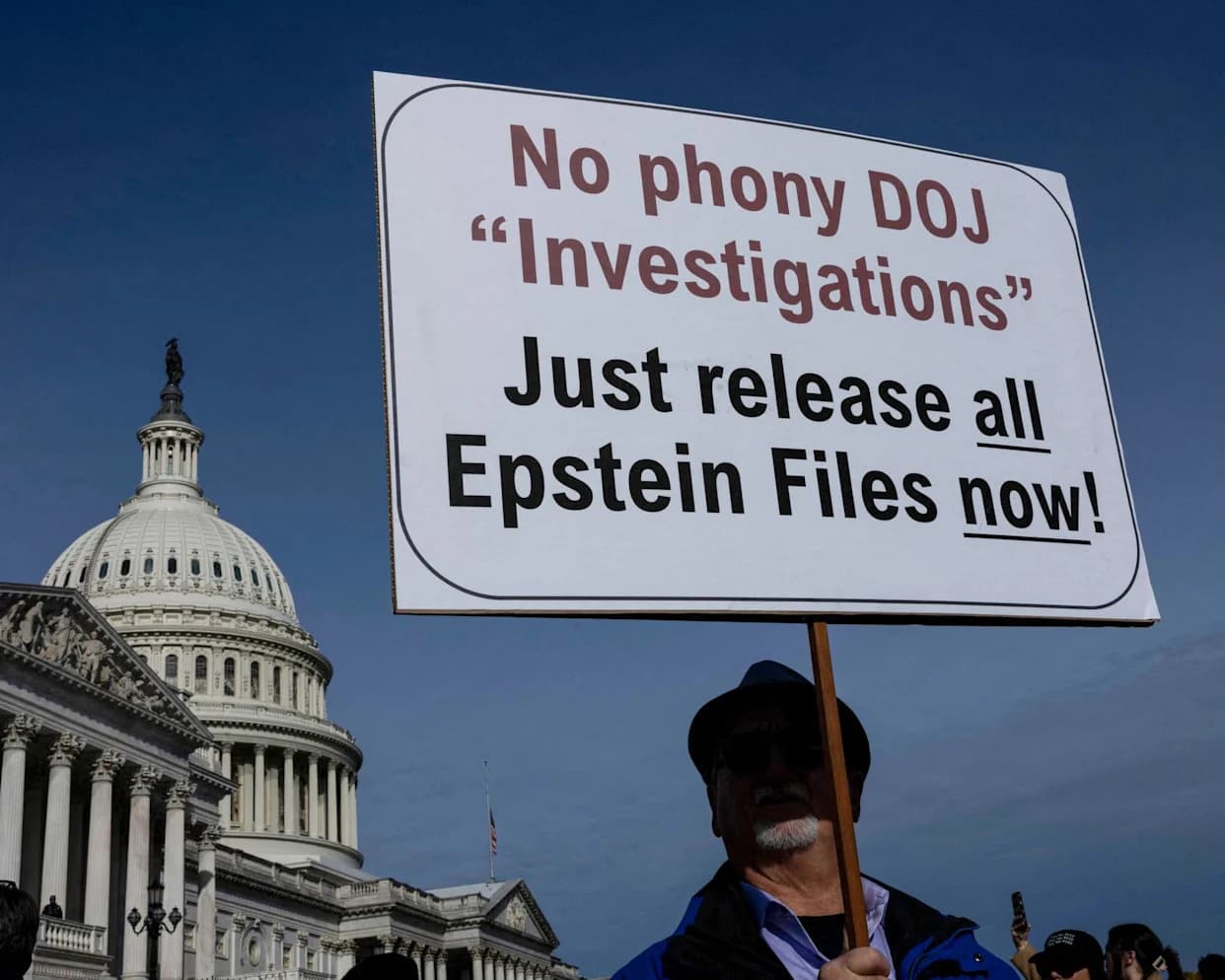
Documents released by the Department of Justice show Gelernter and Epstein exchanged emails from about 2009 through 2015. By the time Gelernter sent the 2011 message, Epstein had already served an abbreviated sentence in Palm Beach stemming from a controversial plea agreement; critics have described the deal as a "sweetheart" arrangement by then-U.S. Attorney Alex Acosta. Epstein served 13 months of an 18-month sentence on lesser solicitation charges and received extensive work-release privileges.
DOJ
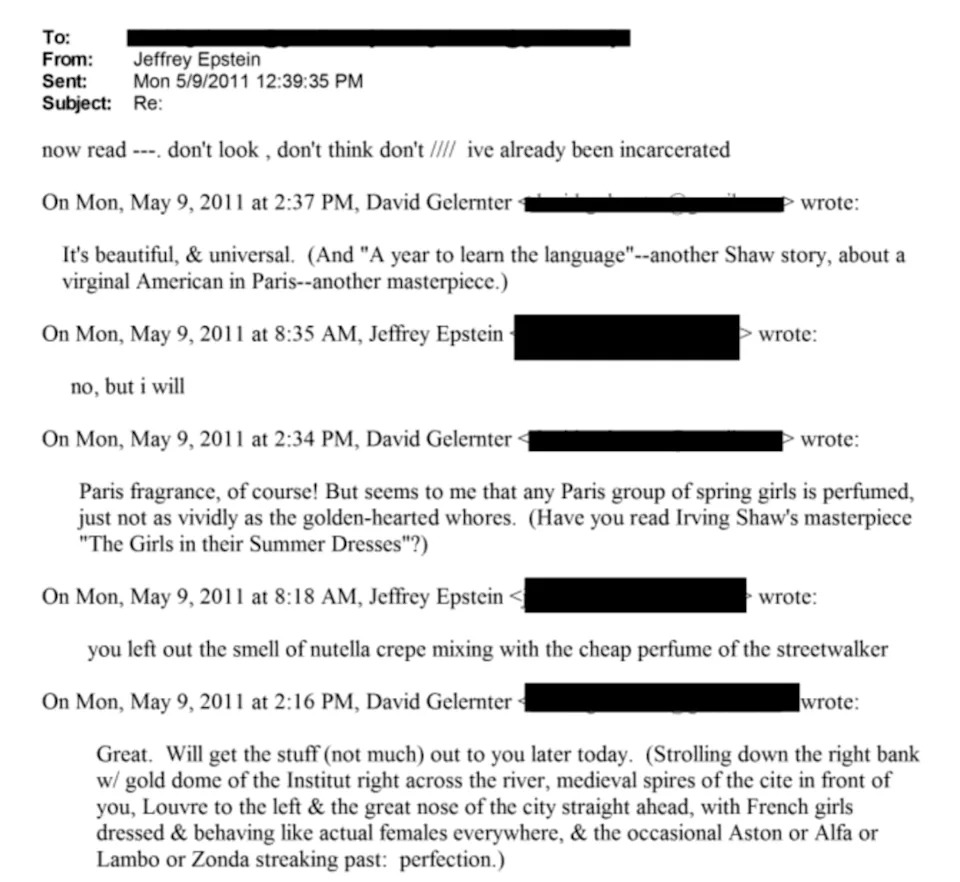
Gelernter has said he did not know Epstein was a convicted sex offender when they corresponded, but the email record contains exchanges indicating Epstein had already served time. In a May 2011 chain, the two traded lewd remarks about Paris and women; in that exchange Epstein wrote that he had been incarcerated.
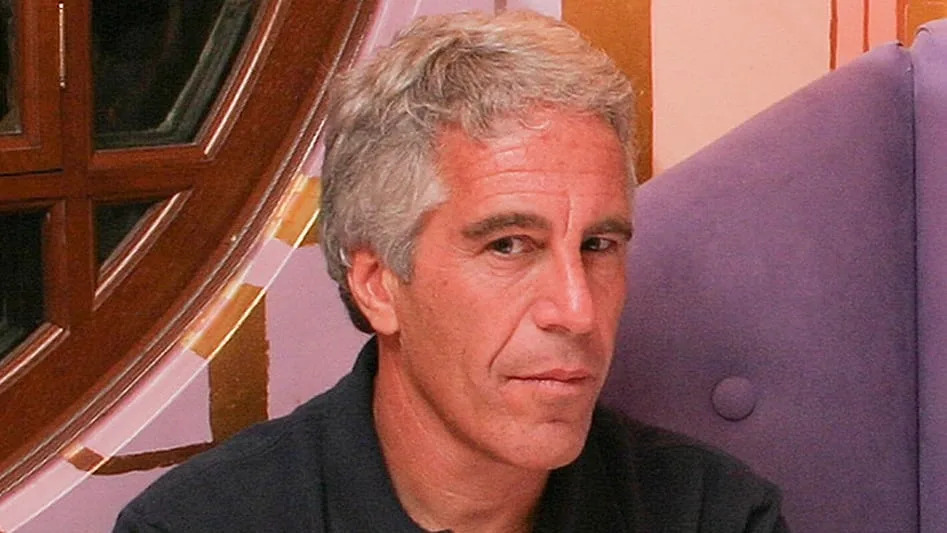
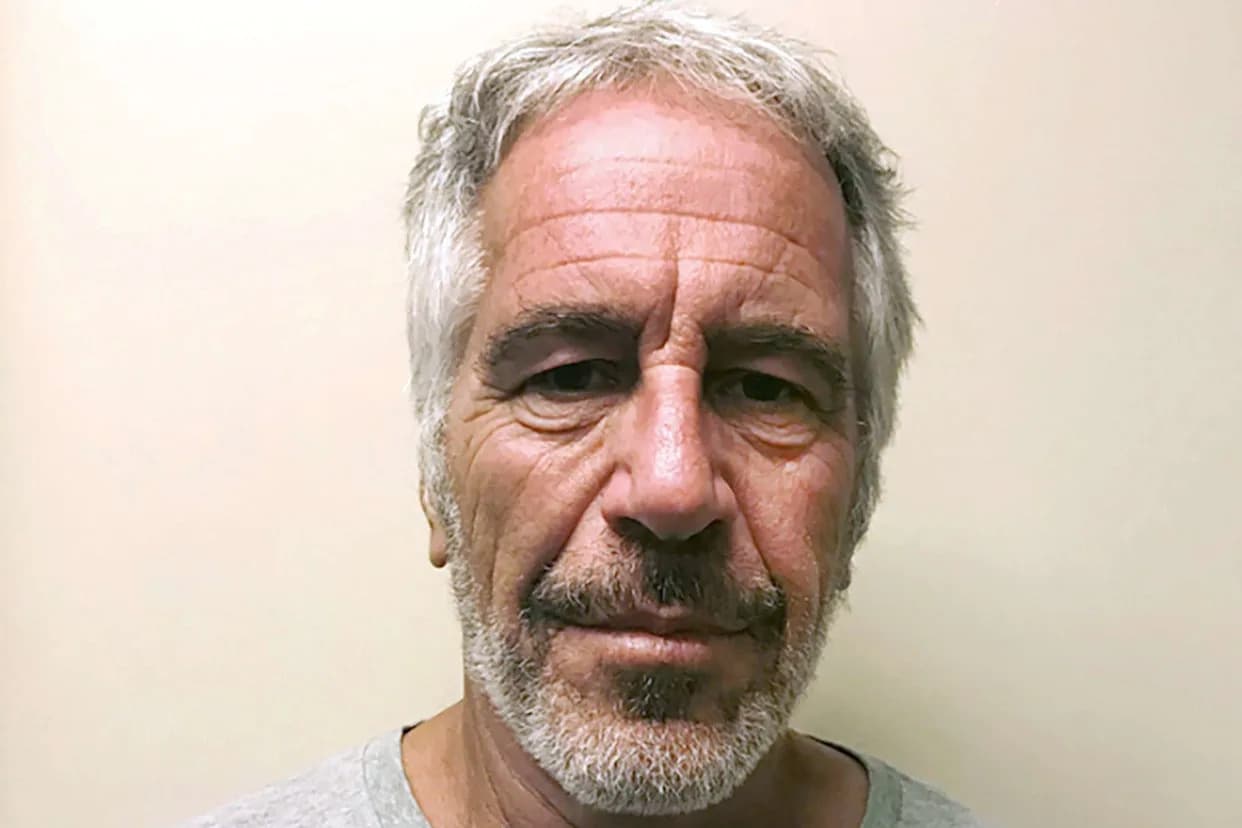
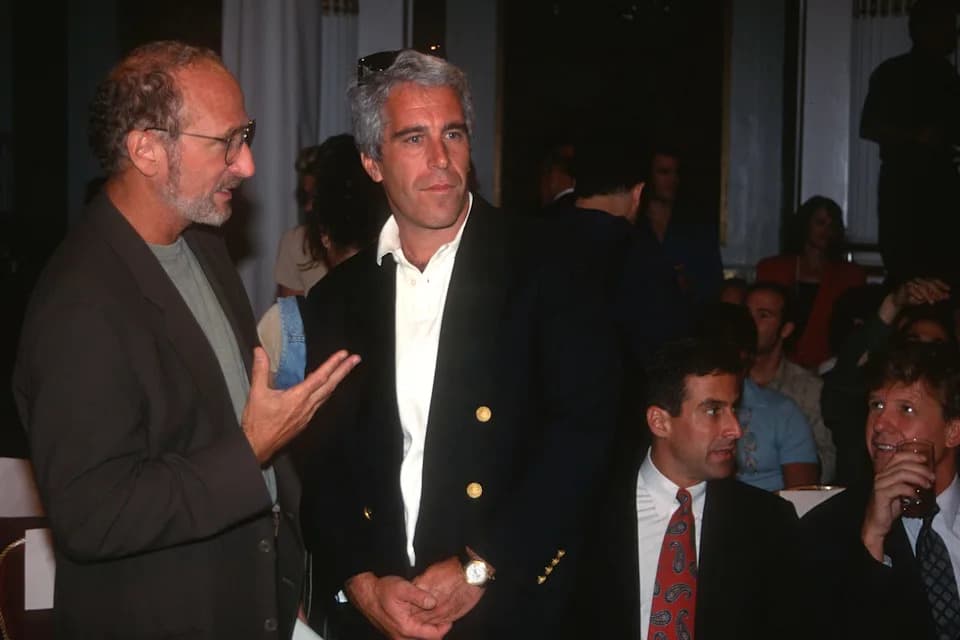
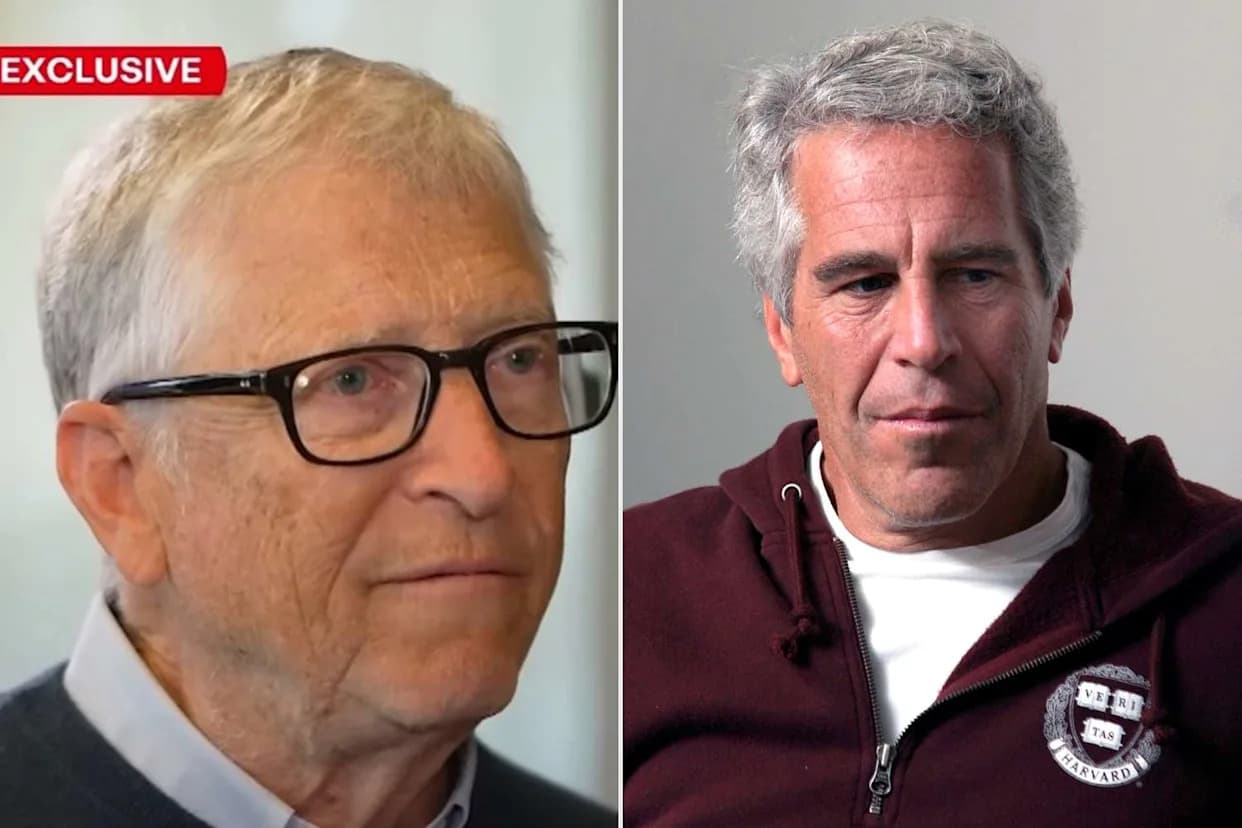
A photo of Jeffrey Epstein. / Rick Friedman / Corbis via Getty Images
Campus Reaction And Background
Gelernter remains a member of Yale's faculty and is teaching a course this semester for undergraduates and graduate students. Roughly 30 students gathered to confront him before a recent seminar, though the planned confrontation did not take place inside the classroom because Gelernter arrived late.
Gelernter is the author of several books, including the 1991 work Mirror Worlds, which has been credited with anticipating aspects of the internet. In 1993 he was seriously injured when Unabomber Ted Kaczynski mailed him a bomb; Kaczynski later said in a letter that Gelernter's work was one reason he targeted him.
The Daily Beast and other outlets have sought comment from Gelernter. Yale's statement and the DOJ records remain the primary public sources concerning the correspondence.
Help us improve.