Deputy Prime Minister David Seymour defended his comment that colonisation was a "net positive" for Māori and dismissed hecklers at Waitangi as "muppets." The exchange took place during dawn service events at the Waitangi Upper Treaty Grounds, where protesters booed and used a conch shell to try to drown out his prayer. Māori leaders accused the government of betraying indigenous rights, pointing to ongoing disparities in health, poverty and incarceration. The incident has intensified debate over Treaty obligations and proposed government policy changes affecting Māori.
Deputy PM David Seymour Defends Claim Colonisation Was 'Net Positive' For Māori, Calls Hecklers 'Muppets'
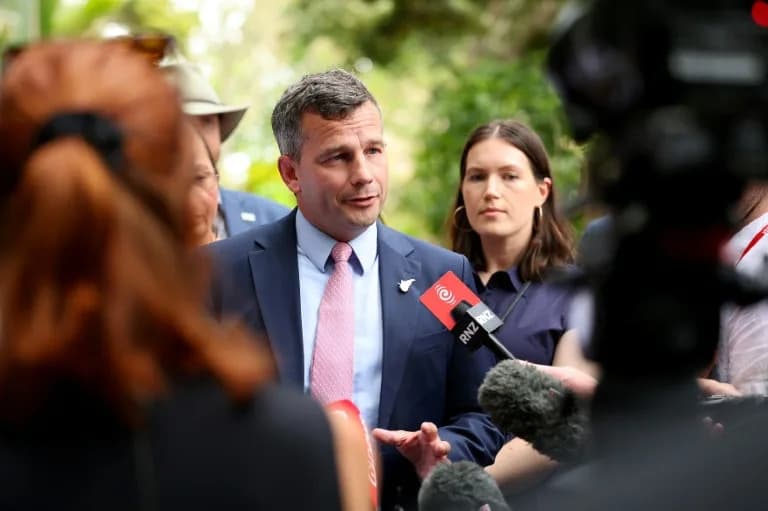
New Zealand Deputy Prime Minister David Seymour at a ceremony to commemorate Waitangi Day in Waitangi on February 5, 2026 (Ben STRANG)(Ben STRANG/AFP/AFP)
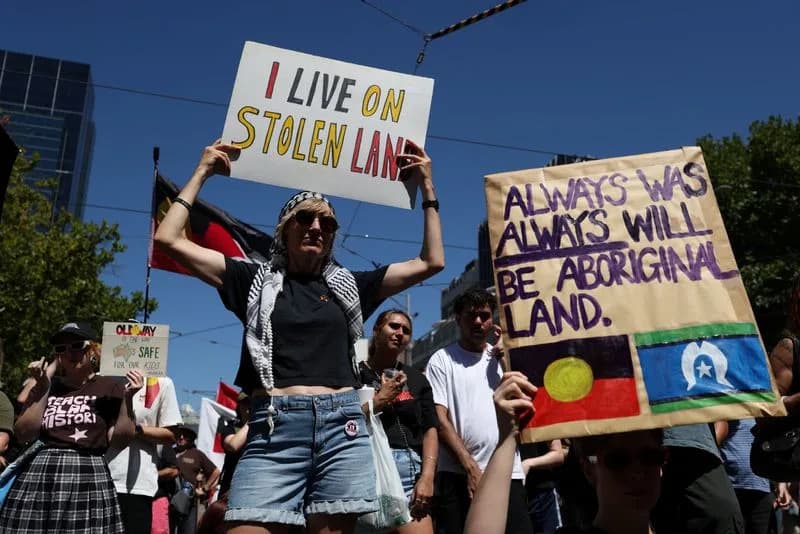
New Zealand Deputy Prime Minister David Seymour on Friday rejected criticism of his remarks that colonisation had been a net benefit for the country's Indigenous Māori and dismissed those who heckled him as "muppets." The remarks sparked vocal protest during Waitangi Day events at the Waitangi Upper Treaty Grounds, the site where the Treaty of Waitangi was signed in 1840.
Speaking on Thursday at Waitangi, an annual gathering where iwi (tribes) often raise historical and contemporary grievances, Seymour — leader of the right‑wing ACT Party and himself of Māori heritage — said he was "always amazed by the myopic drone that colonisation and everything that's happened in our country was all bad."
When Seymour rose to offer a prayer at the dawn service on Friday, dozens of attendees booed and shouted for him to stop. One person even blew into a conch shell in an effort to drown out his words. After the service he told reporters, "The silent majority around this country is getting a bit tired of some of these antics," and described the hecklers as "a couple of muppets shouting in the dark."
Political Context And Reaction
The exchanges occur amid criticism that Seymour's administration is attempting to roll back or alter special legal and political arrangements for Māori — concerns that have inflamed tensions between the government and indigenous leaders. Statistics referenced by critics show Māori continue to experience significantly worse outcomes than New Zealand Europeans in areas such as premature mortality, poverty and incarceration.
"This government has stabbed us in the front," said indigenous leader Eru Kapa‑Kingi in Parliament, adding that the previous Labour government had "stabbed us in the back." He asked rhetorically: "Why do we continue to welcome the spider inside the house?"
Labour leader Chris Hipkins was also loudly jeered after Seymour's prayer, underscoring broad frustration at the event across the political spectrum. Observers say the incident may amplify debate about Māori rights, Treaty obligations and how New Zealand reconciles its colonial history with present-day inequalities.
What Remains Clear: The incident at Waitangi highlights deep and unresolved tensions in New Zealand politics over history, treaty obligations and the future of Māori–Crown relations. It has prompted renewed scrutiny of government policy proposals and intensified public discussion about how best to address persistent disparities facing Māori.
Help us improve.