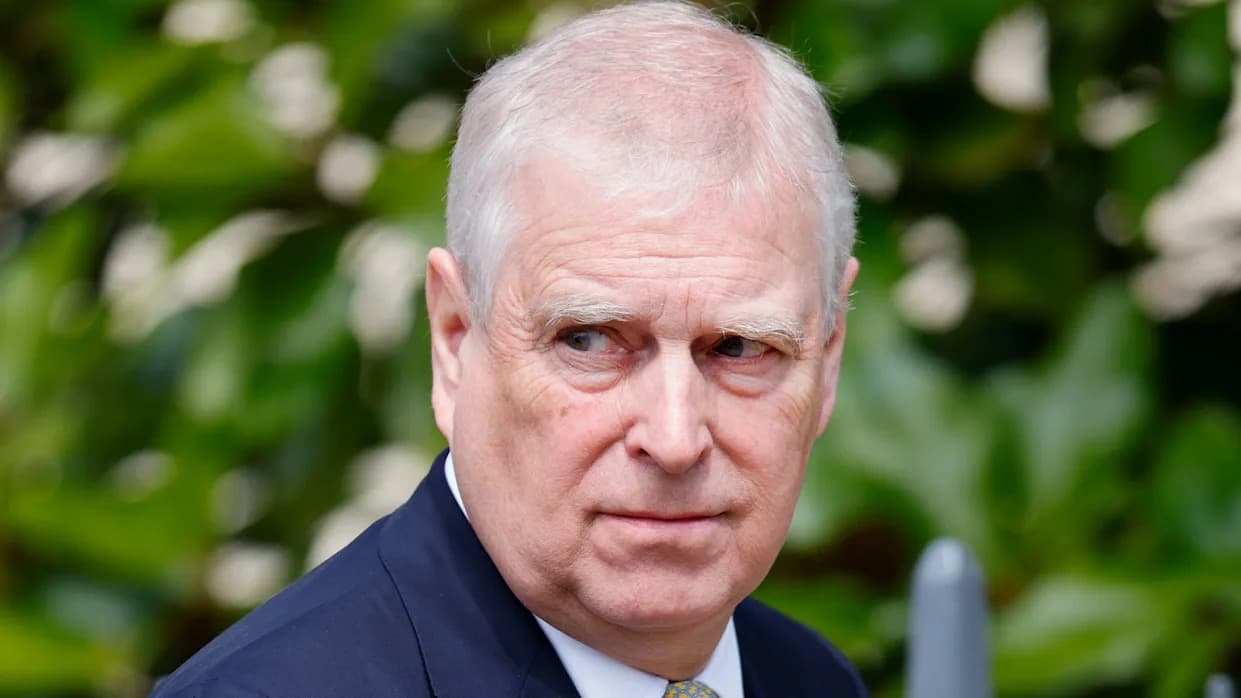
The fallout from Prince Andrew's scandal has prompted a Public Accounts Committee inquiry into his Royal Lodge lease and wider royal finances. Reports that he paid a token "peppercorn" rent have focused attention on whether Crown Estate leases deliver value for taxpayers. Critics highlight a sharp rise in the Sovereign Grant since 2011, while supporters point to record Crown Estate payments to the Treasury and the monarchy's diplomatic role. Tax exemptions and limited disclosure around the Duchies of Cornwall and Lancaster remain key transparency concerns.
Prince Andrew Fallout Triggers Parliamentary Probe Into Royal Finances
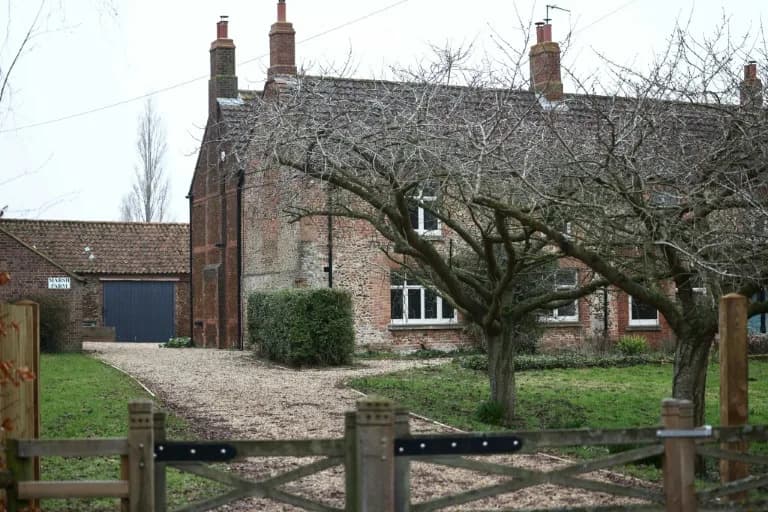
Marsh Farm, on King Charles's private Sandringham estate, is due to be the next residence of the former prince Andrew (Henry NICHOLLS)(Henry NICHOLLS/AFP/AFP)
The scandal surrounding Prince Andrew has thrust the finances of the British royal family into the spotlight, prompting MPs to open a formal inquiry and renewed public debate about transparency and public value.
Parliamentary Inquiry Over Royal Lodge Lease
Parliament's Public Accounts Committee has announced it will launch an inquiry later this year after reports that Andrew Mountbatten-Windsor paid only a token "peppercorn" rent for Royal Lodge, a 30-room mansion on the Windsor estate, where he had lived since 2003. Committee chair Geoffrey Clifton-Brown wrote to the Crown Estate saying MPs were "concerned" the lease arrangements might not be "achieving the best value for money" and warned that reduced income would lower the Crown Estate's surplus and ultimately cost taxpayers.
Recent Developments
Andrew vacated Royal Lodge after a fresh tranche of emails released by US authorities detailed his ties to convicted sex offender Jeffrey Epstein. King Charles III removed Andrew's royal titles and honours last year; the king is privately funding Andrew's move to a property on the Sandringham estate and covering his living costs.
How Royal Property and Funding Works
The Windsor estate is managed by the Crown Estate, an independent commercial property business that operates separately from government and the royal household. The Crown Estate is not the sovereign's private property: its profits are paid into the public purse. The royal household receives the Sovereign Grant, funded from Treasury returns of Crown Estate profits — currently set at 12% of those profits.
Rising Costs And Political Debate
Critics point to a steep rise in the Sovereign Grant since the funding formula was changed in 2011. The grant rose from £7.9 million in 2011 to £132.1 million today, with projections of around £137.9 million for 2026–27. Much of the increase stems from higher Crown Estate profits driven by leasing seabeds for offshore wind projects.
"You don't have to be a Republican to find that sort of increase obscene," Norman Baker, a former MP and critic of royal finances, told AFP.
Royal supporters note the Crown Estate's remittances to the Treasury have also grown sharply — from roughly £240 million in 2011–12 to a record £1.1 billion in 2024–25 — and point to the monarchy's diplomatic and economic "soft power" as part of its value.
Tax Transparency Questions
Debate also centers on tax treatment and disclosure. The Duchies of Cornwall and Lancaster, private estates that generate income for the heir and the sovereign, benefit from certain tax exemptions such as reliefs on inheritance and some corporate taxes. While both the king and the heir pay income tax on duchy revenues, the exact figures are not fully disclosed, prompting calls for greater transparency.
What Comes Next
The Public Accounts Committee has not set a date for its inquiry but has asked the Crown Estate to explain lease terms and income arrangements. Observers say the probe signals a broader shift toward parliamentary scrutiny of the monarchy's finances after decades of relative deference.
Help us improve.