President Donald Trump and Colombia’s Gustavo Petro held a nearly two‑hour private meeting at the White House that both called productive despite long‑standing tensions. Key agenda items included transnational drug trafficking, regional security, and bilateral relations ahead of Colombia’s May presidential election. Petro defended voluntary coca eradication and targeting of trafficking kingpins, while the U.S. indicated it may reconsider counter‑narcotics certification if Colombia adopts tougher eradication measures. The meeting opened a pragmatic channel for dialogue but left major differences unresolved.
‘A Meeting Between Equals’: Key Takeaways From Trump’s First Face‑to‑Face With Colombia’s Gustavo Petro
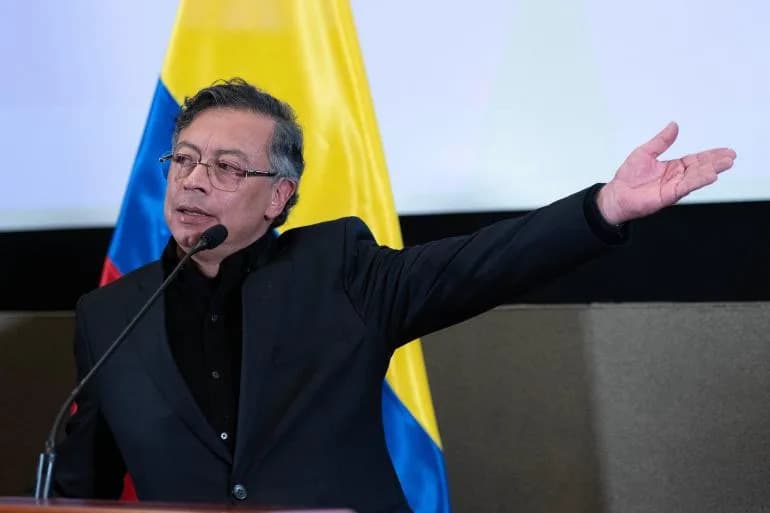
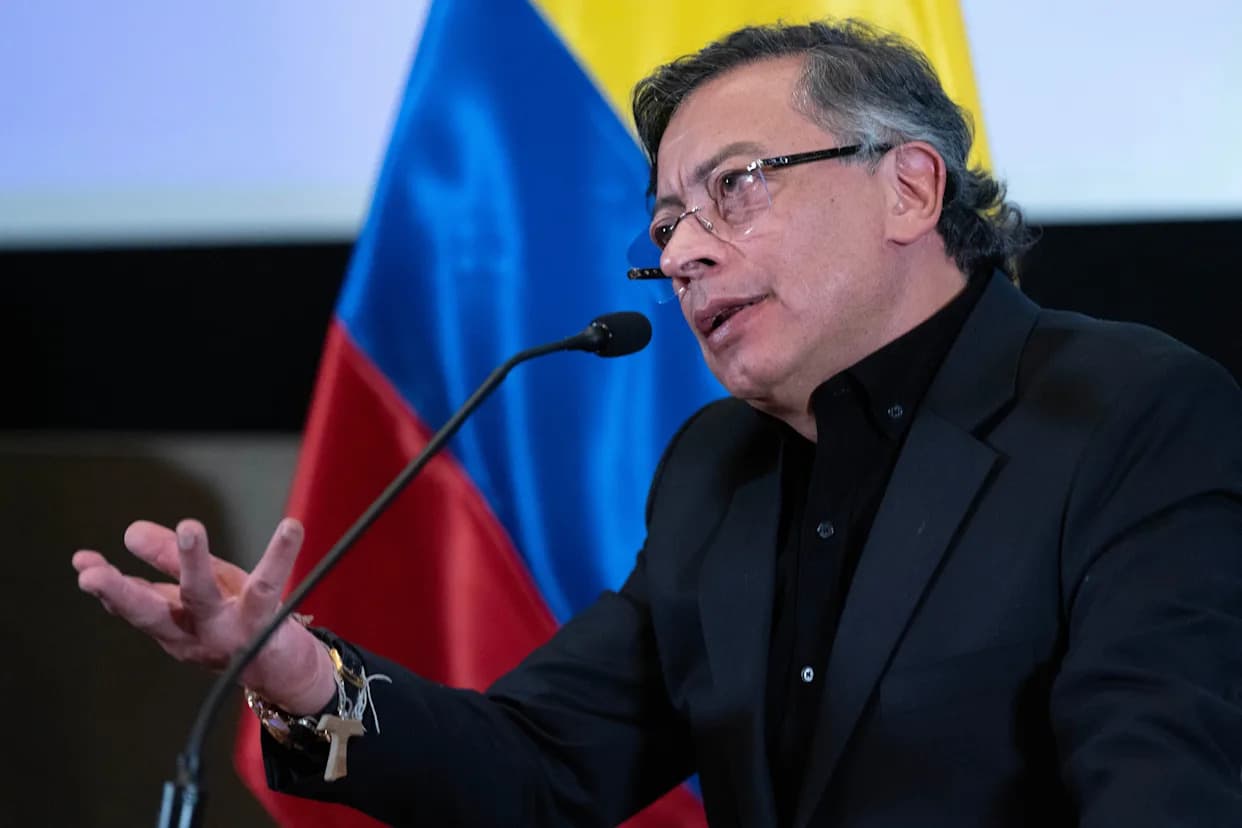
Colombian President Gustavo Petro speaks during a news conference at the Colombian Embassy in Washington, DC, on February 3 [Jose Luis Magana/AP]
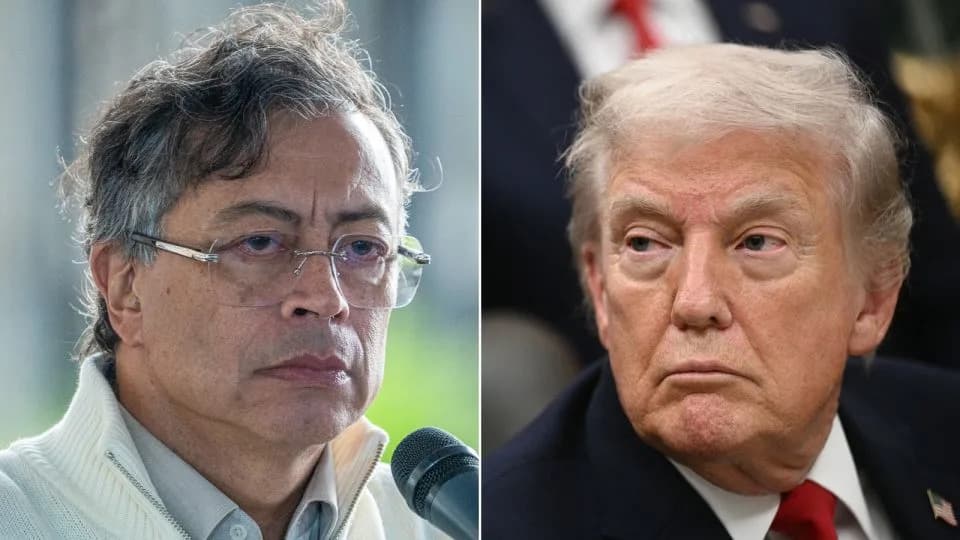
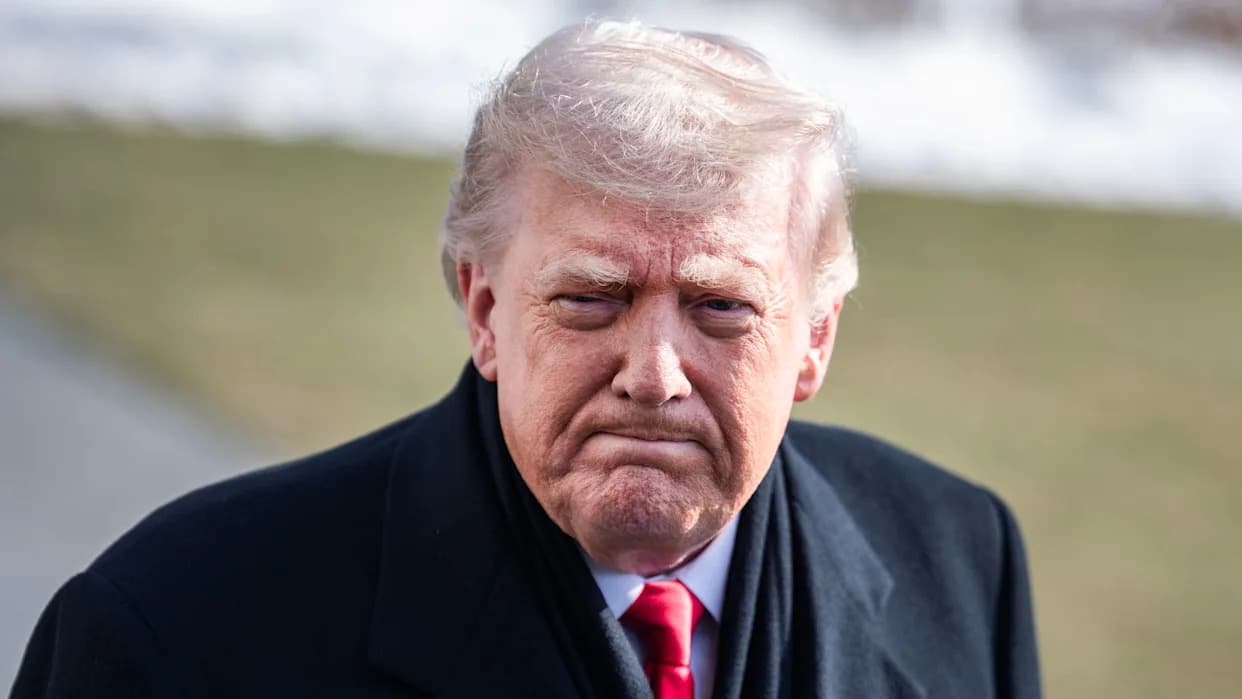
After months of public antagonism, United States President Donald Trump and Colombian President Gustavo Petro met in person at the White House for nearly two hours. Both leaders described the encounter as productive, even as they emphasized persistent policy and ideological differences.
Key Moments From the Meeting
The private session departed from Mr. Trump’s recent practice of holding media events with visiting leaders; the presidents’ conversation remained behind closed doors for almost two hours. When they emerged, each offered conciliatory public remarks and exchanged personal gifts — including a signed photograph and a copy of The Art of the Deal given to President Petro.
Background: A Feud That Became Public
The meeting followed a months‑long public dispute. Tensions began in late January 2025 over two U.S. deportation flights Colombia initially resisted accepting amid human‑rights concerns. Relations later worsened after the U.S. revoked Petro’s visa, imposed sanctions alleging his government allowed cartels to flourish, and criticized his comments at the U.N. Petro, in turn, condemned U.S. military strikes in regional waters and accused Washington of interventions in Venezuela.
Gifts, Gestures and Media Moments
Petro posted images of mementos from the visit: a framed photo with a note reading, "Gustavo — A Great Honor. I Love Colombia," and a signed copy of Mr. Trump’s book with the inscription "You Are Great." Petro joked on social media about not fully understanding the English dedication and posted a playful modification of Mr. Trump’s cap slogan to read "Make Americas Great Again."
Policy Rift: How To Fight Cocaine Production
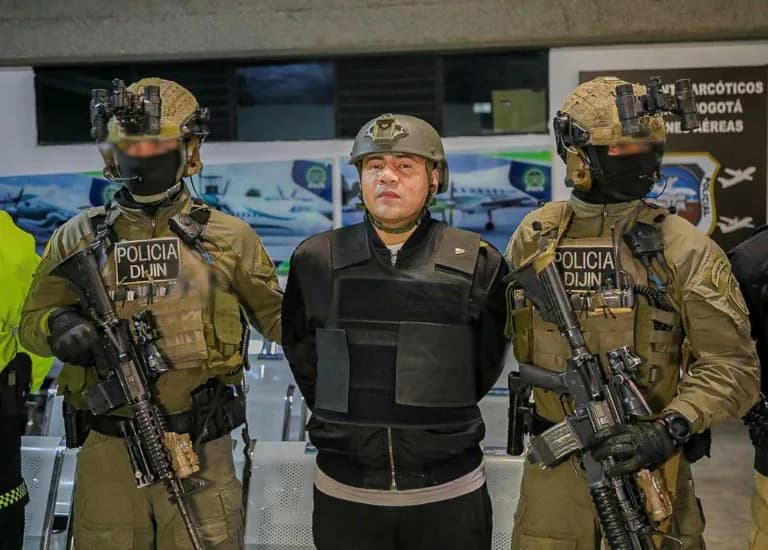
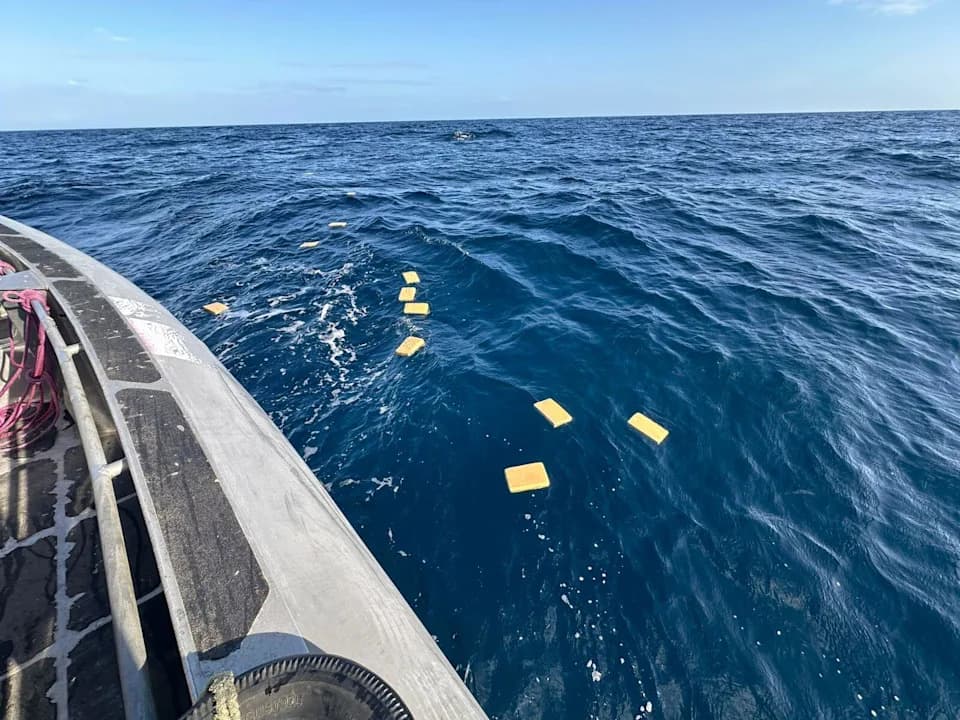
Drug policy remained central. Colombia produces an estimated 68% of the world’s cocaine, and Washington linked counter‑narcotics cooperation to Colombia’s certification as an ally in global drug‑fighting efforts. The White House has said it may restore certification if Bogotá adopts "more aggressive action" to eradicate coca and curb trafficking.
President Petro defended his approach, arguing that voluntary crop‑substitution and targeted efforts against trafficking kingpins have produced historic seizures and better long‑term results than forced eradication. "These are two different methods," Petro said, contrasting what he called a brutal, militarized approach with a more strategic, people‑centered one.
Security, Sanctions and Political Context
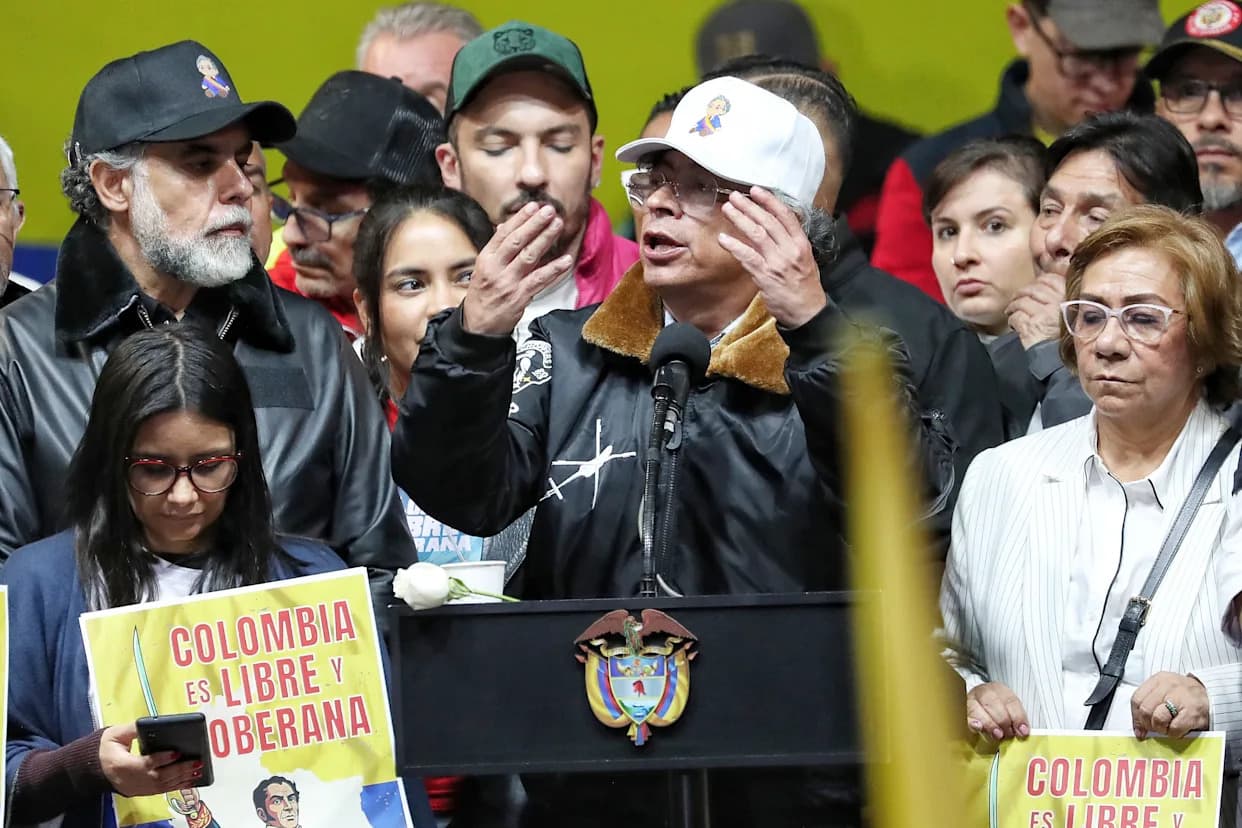
The meeting comes as Colombia approaches a pivotal presidential election in May. Petro is constitutionally barred from immediate re‑election, but his coalition faces a strong right‑wing challenge. Restoring warmer ties with Washington could reduce U.S. pressure on Bogotá ahead of the vote, given Colombia’s historic role as a major U.S. aid recipient in South America.
"He didn’t change his way of thinking. Neither did I. But how do you do an agreement, a pact? It’s not as between twin brothers. It’s between opponents," — President Gustavo Petro.
What Remains Unresolved
Despite cordial tones, major policy differences remain on drug strategy, regional security operations, and divergent views on international issues such as the Gaza war and energy policy. The meeting appears to have opened a channel for negotiation, but concrete shifts in policy or certification were not announced publicly at the White House meeting.
Bottom line: The encounter signaled a pragmatic détente: both leaders showed willingness to engage directly while preserving their core positions. That could pave the way for incremental cooperation — especially on counter‑narcotics — but significant disagreements are likely to persist.
Help us improve.