Tetsuya Yamagami, 45, has appealed the life sentence he received for the July 2022 assassination of former Prime Minister Shinzo Abe. The Osaka High Court will review the appeal, though no hearing dates are set. Yamagami admitted the killing; his defence had sought up to 20 years, citing family financial hardship tied to the Unification Church. Media reports say Yamagami told the court he targeted Abe because of the former premier's ties to a church-affiliated event.
Shooter Appeals Life Sentence in Shinzo Abe Assassination; Osaka High Court to Review
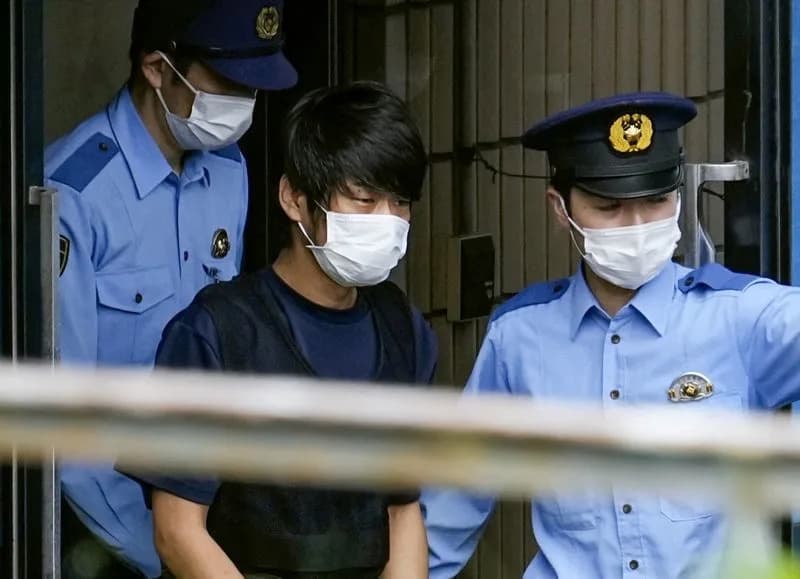
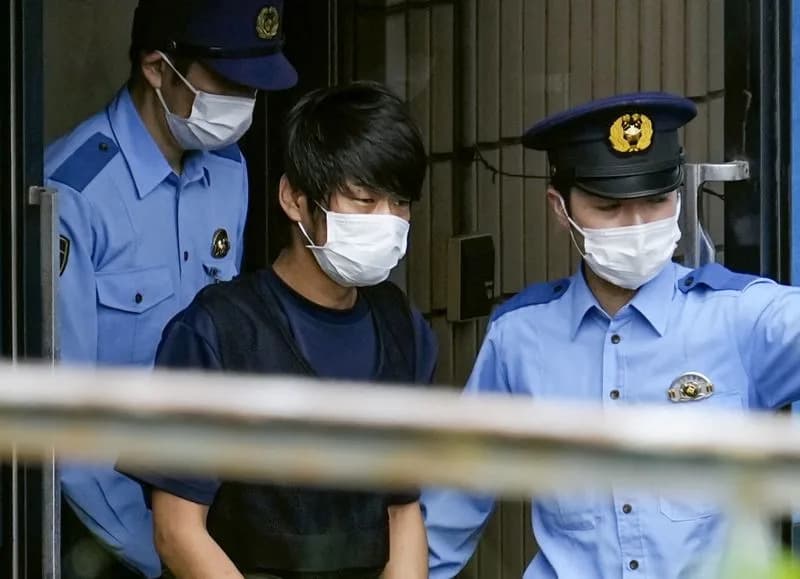
Tetsuya Yamagami, suspected of killing former Japanese premier Shinzo Abe, is escorted by police officers as he is taken to prosecutors, at Nara-nishi police station in Nara, western Japan, in this photo taken by Kyodo July 10, 2022. Mandatory credit Kyodo via REUTERS
A Japanese man has lodged an appeal against the life sentence he received for the fatal shooting of former Prime Minister Shinzo Abe, a district court spokesperson said on Wednesday.
Tetsuya Yamagami, 45, shot and killed Abe in July 2022 with a homemade firearm while the former premier was delivering a campaign speech in the western city of Nara. The attack shocked Japan and sparked a long-running trial over motive and culpability.
"An appeal was filed," the district court spokesperson said. The Osaka High Court will now review the appeal; no timetable for hearings has yet been set.
Yamagami admitted the killing and was sentenced to life imprisonment in January 2026, a sentence that matched prosecutors' demands. His defence had sought a maximum term of 20 years, arguing that family hardship linked to the Unification Church was a mitigating factor.
Media reports quoted Yamagami as telling the court he harboured a grudge against the Unification Church after his mother’s large donations to the organisation left the family in financial difficulty. According to those accounts, he directed his anger toward Abe because the former prime minister had sent a video message to an event organised by a church affiliate.
Background on the Unification Church: Founded in South Korea in 1954, the group is known for its mass weddings and has a notable following in Japan. Media and prosecutors have scrutinised its fundraising practices and the financial impact on members’ families during related coverage of the case.
The Osaka High Court will consider Yamagami’s legal challenge to his sentence. Further procedural dates and the court’s timetable for hearing the appeal have not been announced.
Help us improve.