Many U.S. TikTok users and creators are reconsidering the app after a new U.S. entity — led by Oracle, Silver Lake and MGX — took majority control while ByteDance kept a minority stake. Updates to TikTok’s terms, including explicit collection of precise location and sensitive data categories, plus reports of suppressed content and technical outages, have driven a spike in deletions. State officials and creators are investigating alleged censorship and monitoring impacts on recommendations and Creator Fund income.
US TikTok Users Rethink App After Ownership Shift, Terms Changes and Censorship Fears
The TikTok app on a phone.Photograph: Michael M Santiago/Getty Images(Photograph: Michael M Santiago/Getty Images)
Many American TikTok users and creators are reassessing their relationship with the short-form video app after the platform’s ownership and terms changed. The launch of a new U.S. entity, updates to the terms of service and reports of technical issues and content suppression have prompted a surge in app deletions and growing public scrutiny.
What Changed
The newly formed TikTok USDS Joint Venture is majority owned by U.S.-linked investors — Oracle (whose co-founder Larry Ellison is a prominent Trump ally), private equity firm Silver Lake and Abu Dhabi’s MGX — which together control 80.1% of the entity. ByteDance, TikTok’s China-based parent company, retains a 19.9% stake. The deal follows years of pressure over potential U.S. bans, first raised publicly during former President Donald Trump’s tenure.
Terms, Data And Privacy Concerns
Users and privacy advocates flagged language in TikTok’s updated terms of service that lists the types of data the app may collect, including “racial and ethnic origin,” “sexual life or sexual orientation, status as transgender or nonbinary,” “citizenship or immigration status” and financial information. A notable addition in the latest update explicitly acknowledges the collection of precise location data unless a user opts out — a change widely reported by outlets such as Mashable.
Spike In App Deletions And User Reactions
Market intelligence firm Sensor Tower recorded a 195% increase in the daily average of U.S. users deleting the TikTok app between 22 January and 28 January compared with the prior 90-day average. Many users, including creators who credit TikTok for jumpstarting their careers, said they are leaving out of concern for privacy and content control.
“I’m not one of those creators who’s a TikTok hater,” comedian Keara Sullivan, 26, who has more than half a million followers, told reporters. “I’m very transparent about the fact that where I am in my career is largely because of TikTok.” She described stepping away — at least for now — as “really sad.”
Claims Of Censorship And Official Scrutiny
Tensions flared after the killing of Alex Pretti by ICE agents on 24 January, when some creators said videos critical of the federal agency were being suppressed. Comedian Meg Stalter said an Instagram post she tried to upload urging Christians to speak out against ICE would not publish on TikTok; she subsequently deleted the app.
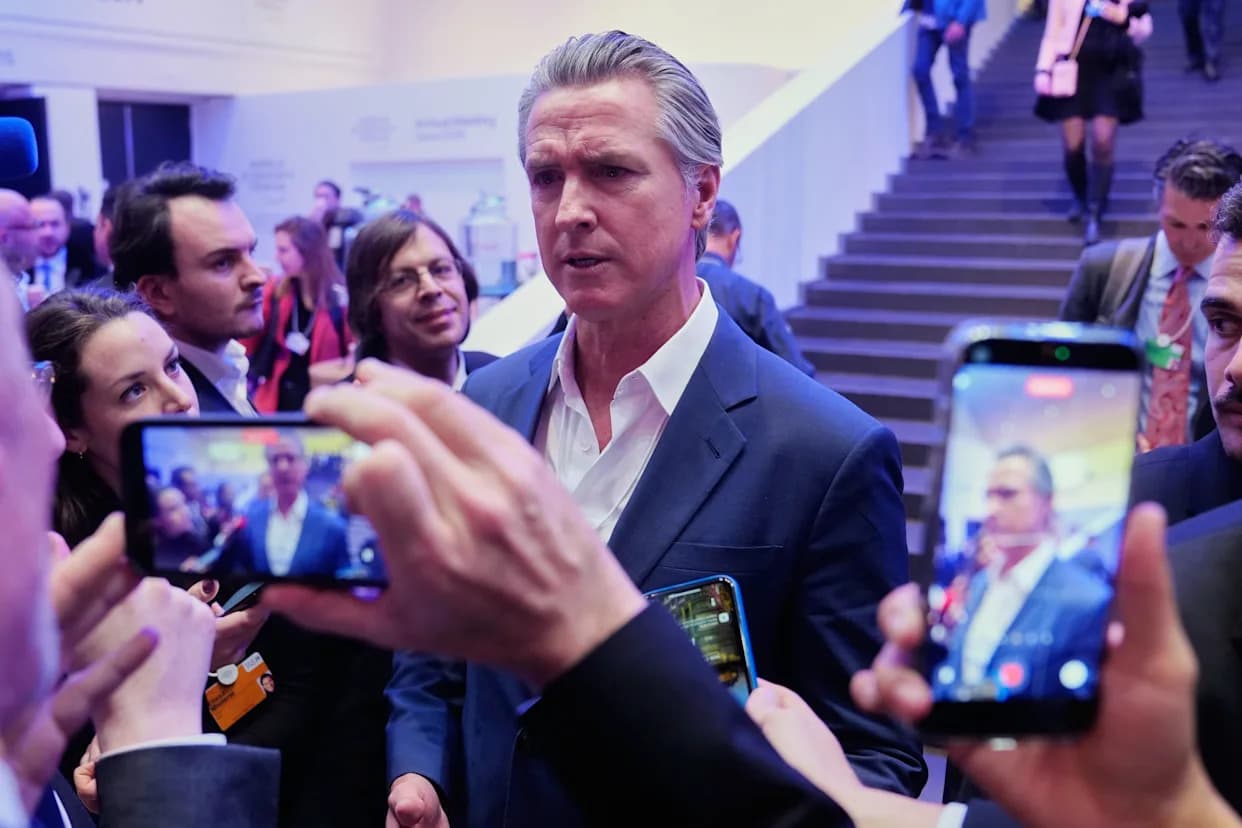
California Governor Gavin Newsom also said his office had received and independently confirmed reports of suppressed content critical of President Trump following the sale, and announced a state investigation into whether TikTok had violated California law by censoring anti-Trump material.
TikTok USDS Response And Technical Issues
TikTok USDS Joint Venture attributed the platform’s recent problems to a power outage at a U.S. data center and said the outage was unrelated to the weekend’s events. In a 27 January statement the new entity said it had made “significant progress in recovering our U.S. infrastructure” but warned that some U.S. users might still experience technical issues, including when posting new content.
Algorithm, Income And Platform Diversification
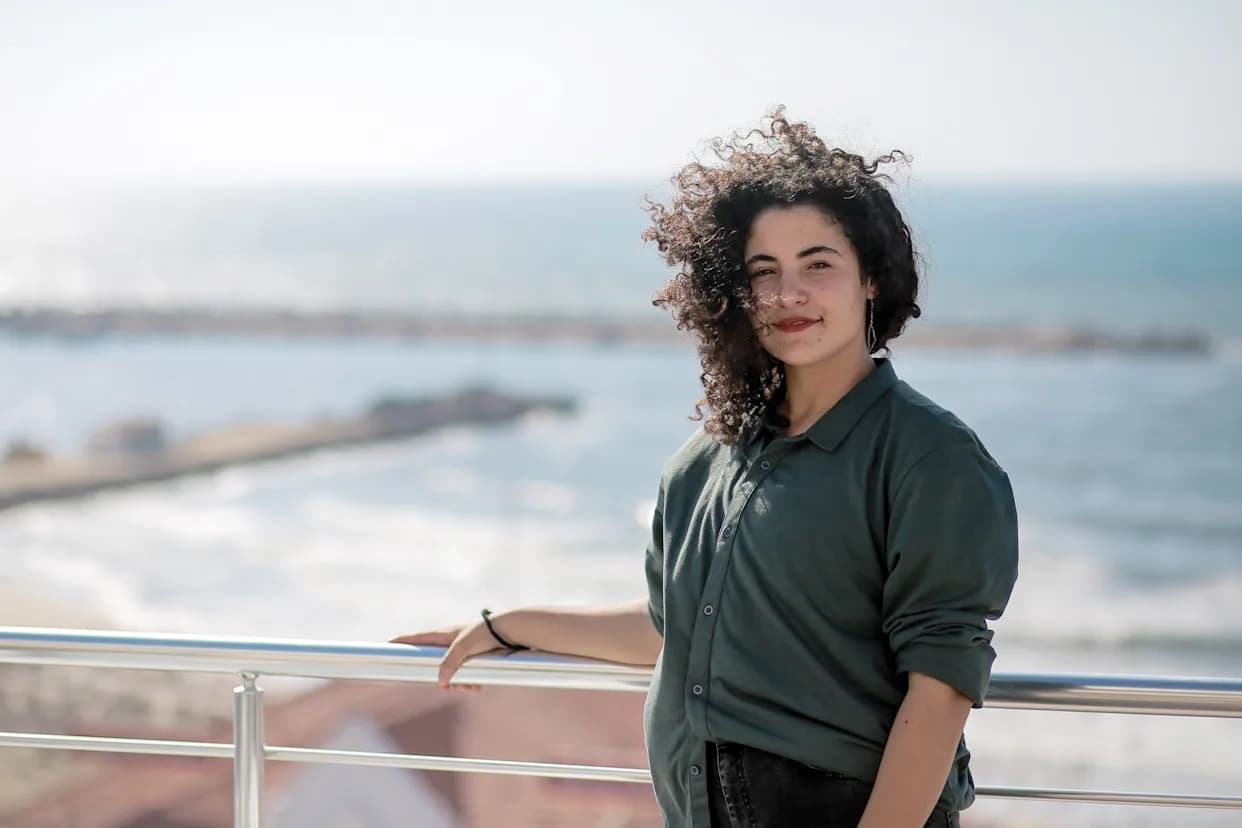
Some users also reported changes in content recommendations and earnings after TikTok’s temporary U.S. shutdown in January 2025. A 21-year-old software engineer who joined TikTok in 2020 said the app once quickly learned his interests but noted a decline in recommendation quality after the shutdown and the platform’s restoration. Sullivan similarly reported a drop in Creator Fund payments and said concerns about account bans — including the removal of Palestinian journalist Bisan Owda, who had about 1.4 million followers — prompted her to diversify where she posts content.
What Comes Next
Creators, users and state officials say they will continue to monitor whether the new ownership structure and updated terms influence TikTok’s moderation and data practices. Many advised that creators should not rely on a single platform and should distribute their work across multiple services to reduce risk.
Help us improve.