President Trump’s recent remarks
A 'Bizarro World' for U.S. Gun Politics: How Trump's Remarks Scrambled Longstanding Alliances
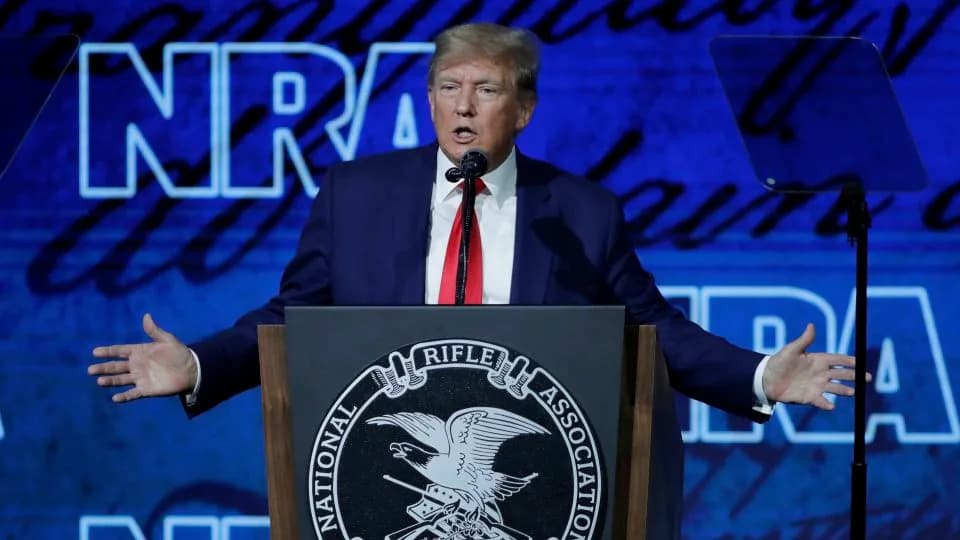
President Donald Trump speaks at an National Rifle Association event on May 27, 2022, in Houston. - Michael Wyke/AP
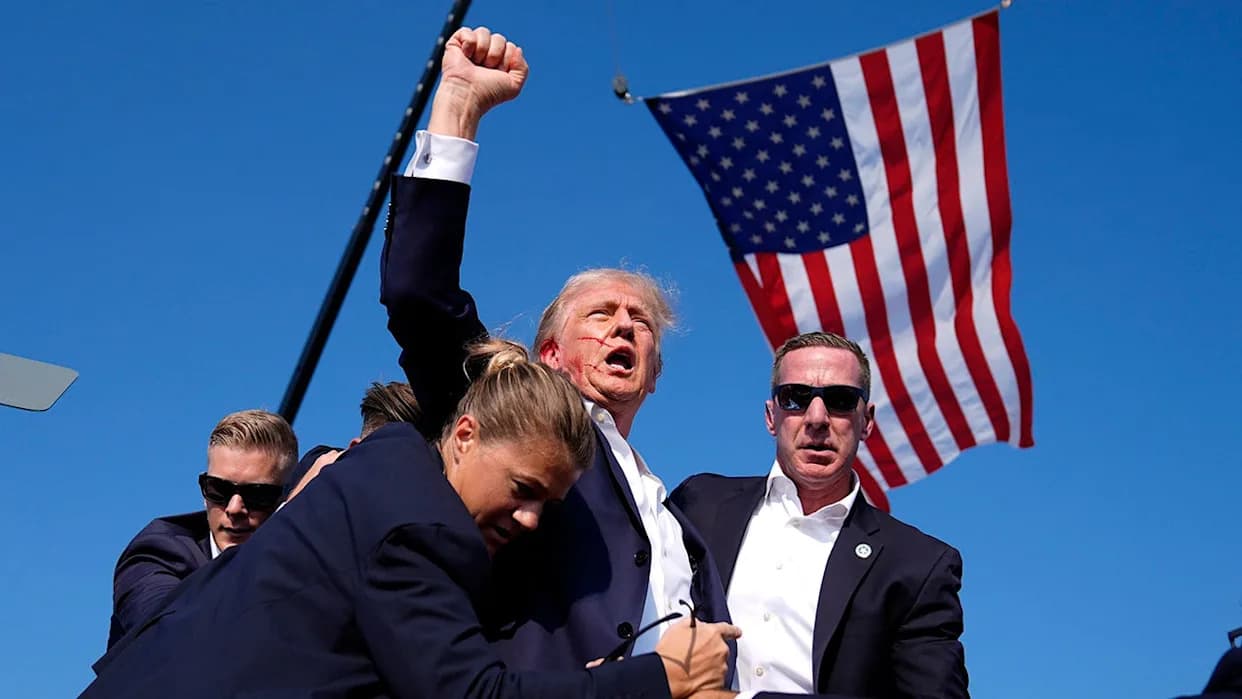
In the aftermath of a shocking mass shooting that riveted the nation, former President Donald Trump has at times broken with long‑standing pro‑gun orthodoxies — most recently when he suggested a Minneapolis protester should not have been armed when federal agents fatally shot him. That remark and others have created fresh tensions between the White House and some gun‑rights groups, even as the administration continues to pursue broadly pro‑gun policies.
The Comments That Turned Heads
After the 2018 Parkland, Florida, high‑school massacre that killed 17 people, Trump famously said during a televised meeting with lawmakers: “Take the guns first, go through due process second.” He also publicly floated tougher background checks and raising the minimum age to purchase certain firearms before backing away under pressure from the National Rifle Association and other gun‑rights organizations.
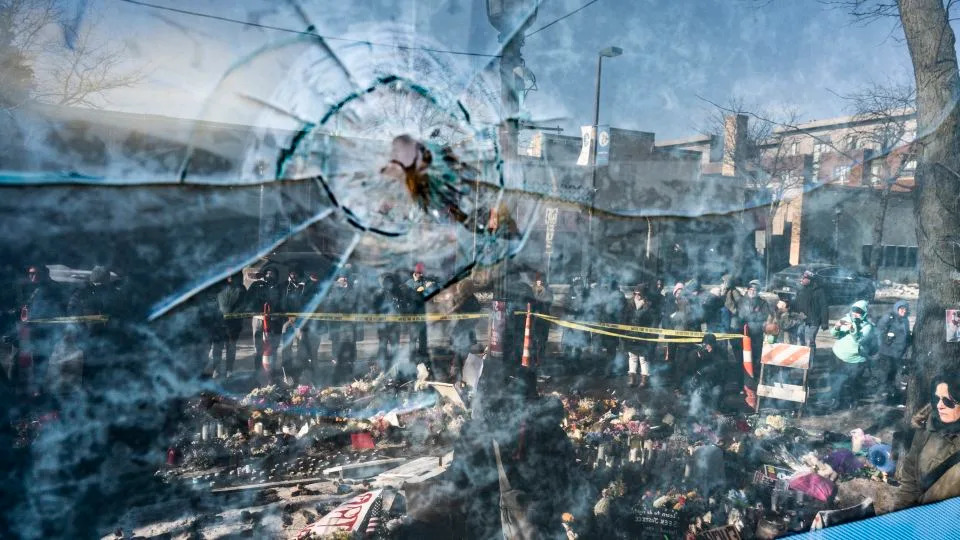
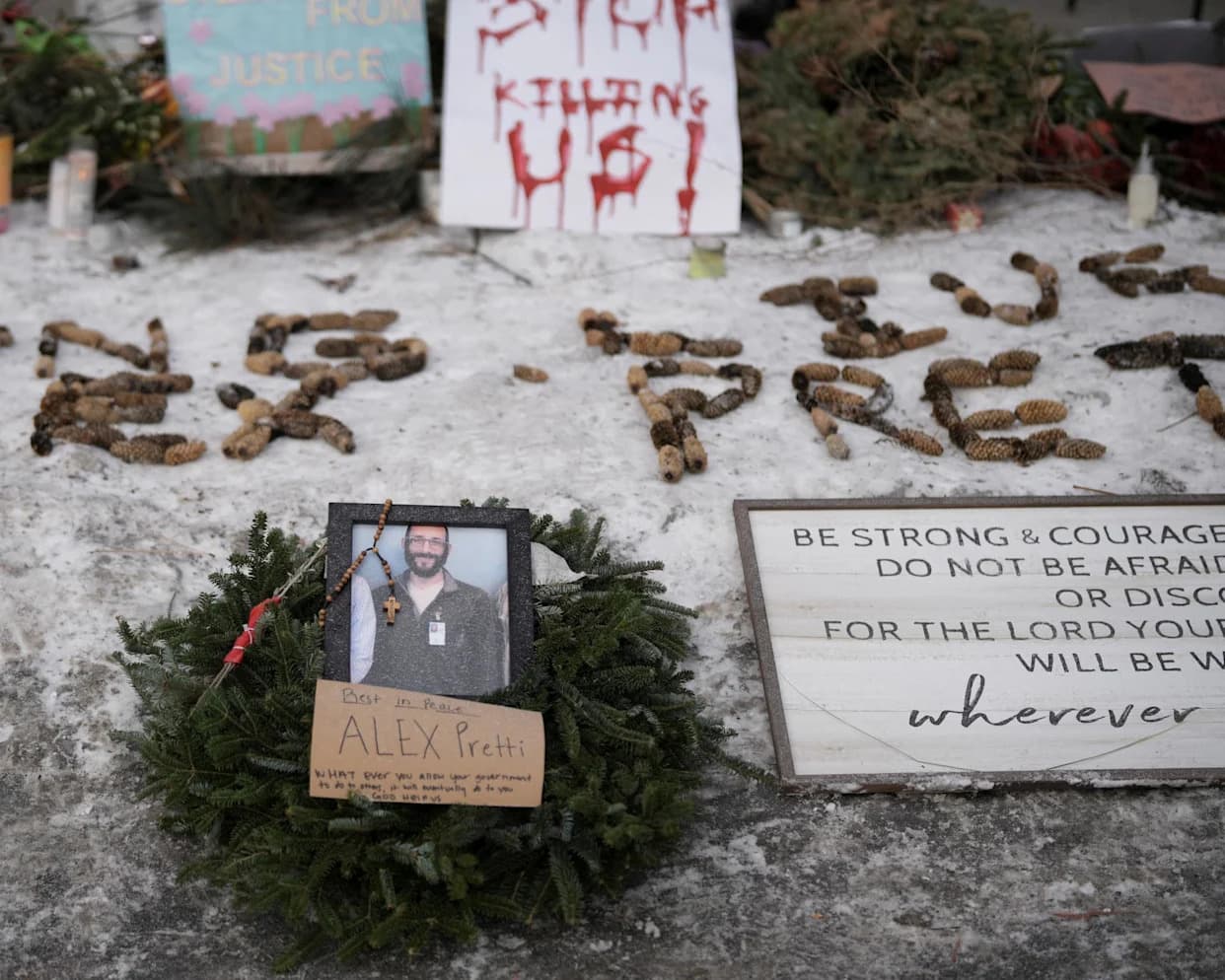
Shattered glass from a bullet is seen in front of a makeshift memorial for Alex Pretti on January 26 in Minneapolis. - Roberto Schmidt/AFP/Getty Images
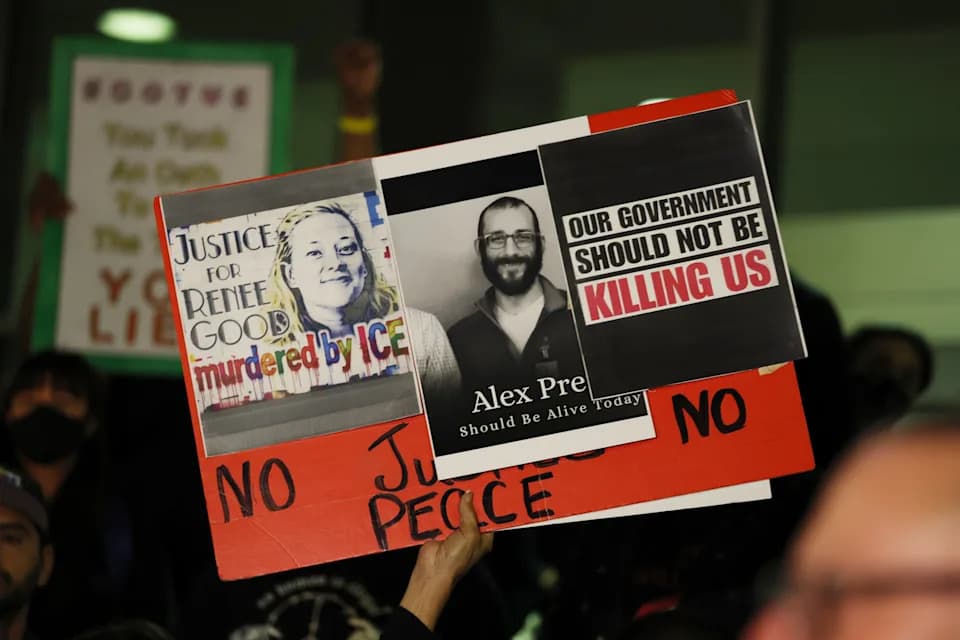
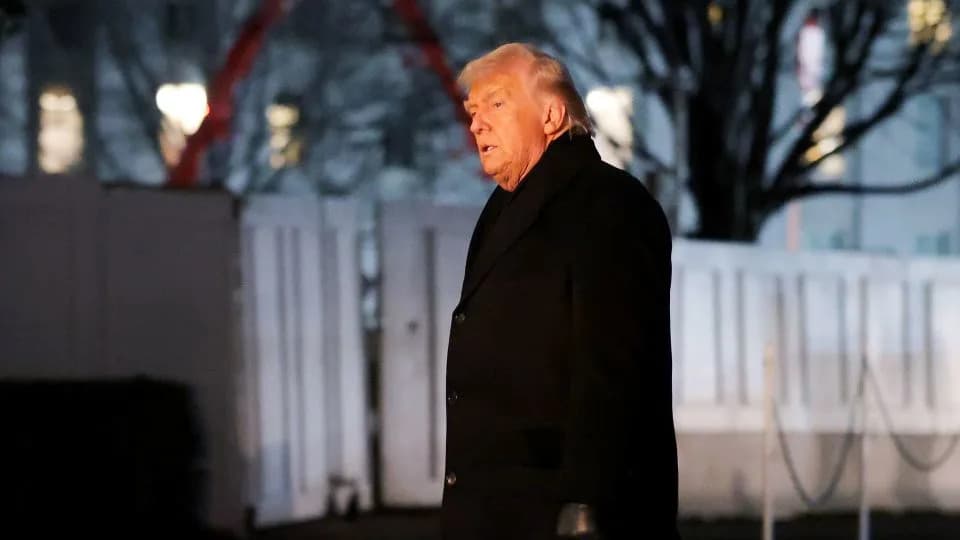
More recently, following the fatal federal shooting of Minneapolis protester Alex Pretti, Trump told reporters outside the White House:
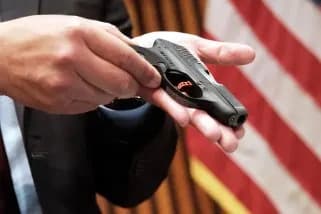
“You can’t have guns. You can’t walk in with guns. You just can’t.”Those comments appeared to fault Pretti for carrying a firearm on his waistband when he was shot — a stance that prompted swift criticism from some gun‑rights advocates who argued Pretti had a clear right under the Second Amendment to carry a weapon at a protest.
Pushback From Pro‑Gun Voices
Some gun‑rights groups openly rebuked the president; the NRA, the largest gun‑rights organization in the country, did not name Trump directly but posted a defense of carrying rights on X:
“The NRA unequivocally believes that all law‑abiding citizens have a right to keep and bear arms anywhere they have a legal right to be.”
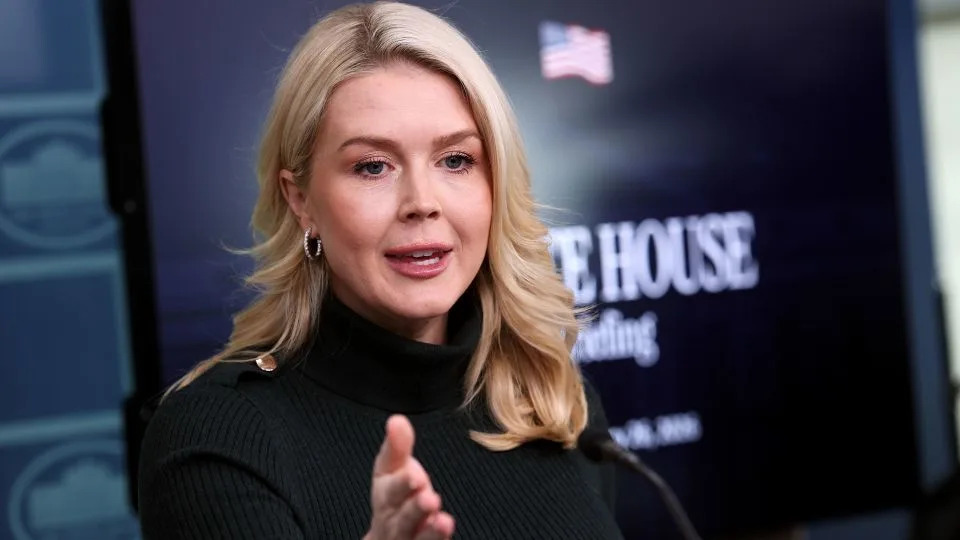
White House press secretary Karoline Leavitt speaks during a news briefing on January 26. - Win McNamee/Getty Images
The president’s remarks followed pushback from several Trump allies and officials — including Kash Patel and Gov. Kristi Noem — who initially suggested Pretti was a threat because he was armed. As video evidence and legal interpretations emerged, Democrats defended Pretti’s right to carry under Minnesota law, creating an unusual alignment of public positions across the political spectrum.
Why This Feels Like a 'Bizarro World'
Legal scholars and advocates say the episode highlights how gun politics have become unsettled: longtime Republican arguments that broadly defended open carry at demonstrations were, in some cases, recast as warnings against taking guns to protests, while some liberals defended a specific individual's legal right to carry.
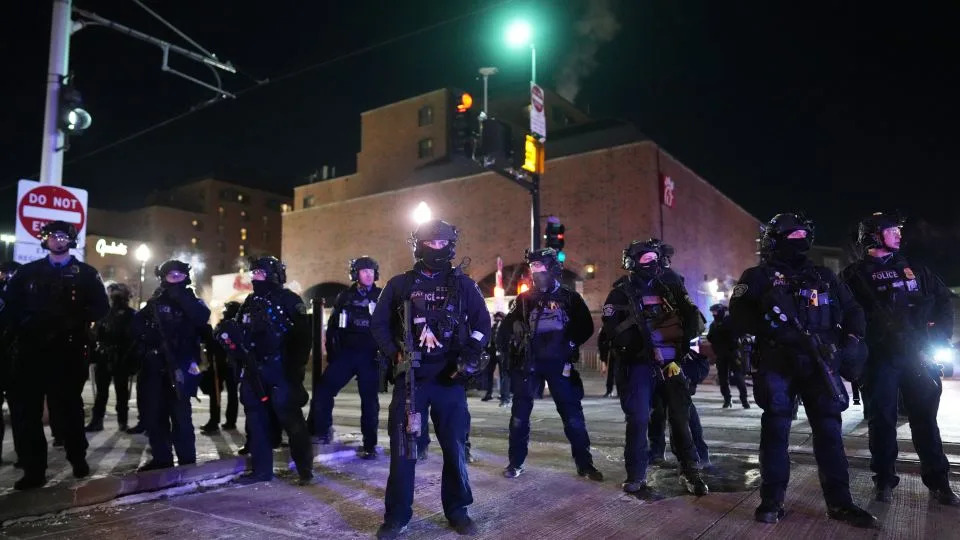
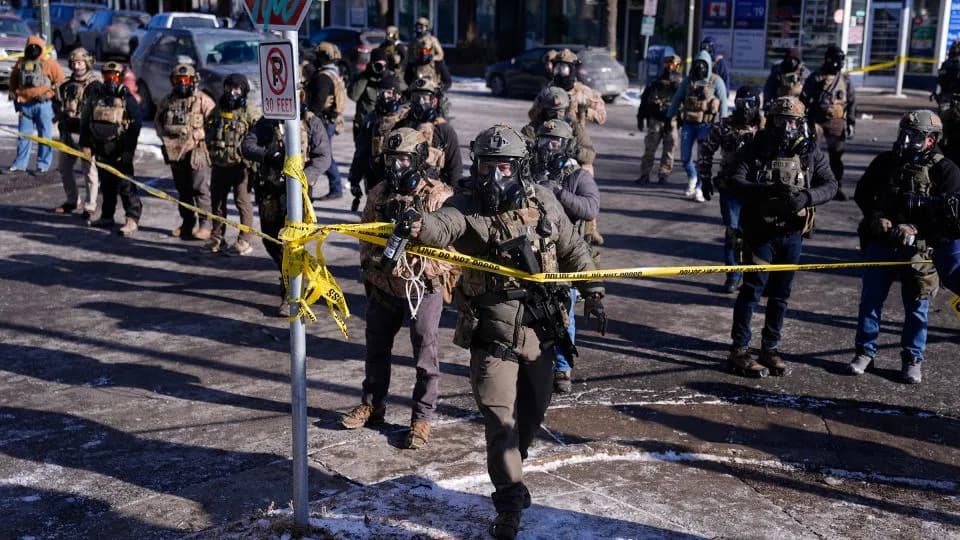
Law enforcement officers prepare to make arrests after declaring an unlawful assembly during a protest in Minneapolis on January 28. - Adam Gray/AP
“It feels like we’re in a bizarro world,” said Adam Winkler, a UCLA constitutional law professor. “Republicans are saying, ‘Don’t bring your guns to protests,’ after a decade of saying, ‘Of course you can bring guns to protests.’ And many liberals are defending the legal right to carry, even though they previously warned it was irresponsible.”
Changing Power In The Gun Lobby
The political context has shifted since Trump’s first presidential run. Once a dominant force in Washington, the NRA has been weakened by financial scandals and internal conflicts that culminated in the 2024 resignation of President Wayne LaPierre. According to the Center for Responsive Politics, NRA independent expenditures fell from roughly $50 million in 2016 to about $10 million in 2024.
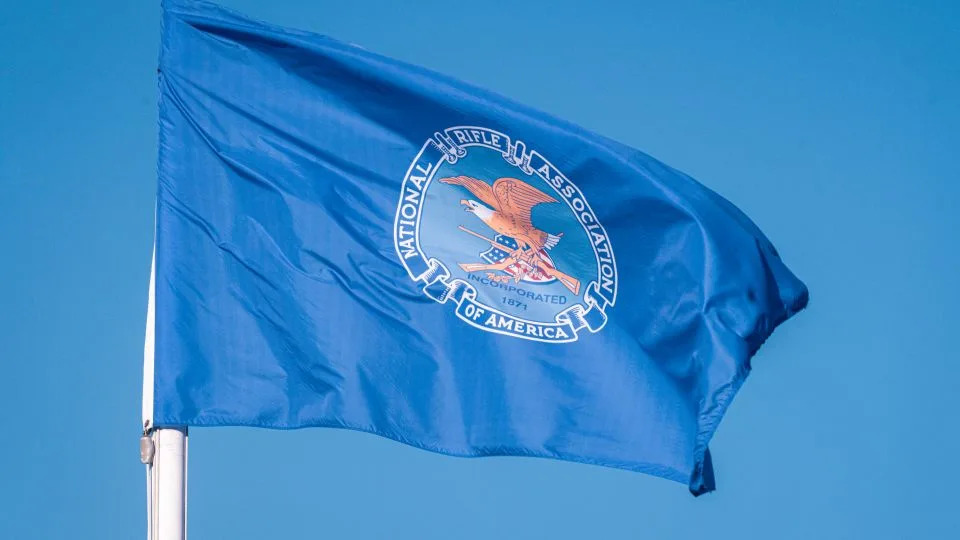
The National Rifle Association of America flag flies above the headquarters building on December 3, 2024, in Fairfax, Virginia. - J. David Ake/Getty Images
Washington operatives say the NRA’s diminished clout has created space for other groups, such as the National Shooting Sports Foundation and Gun Owners of America, to gain credibility and influence. Still, single‑issue pro‑gun voters remain a potent political force that transcends any single organization.
Policy Moves, Reversals And Frictions
Despite rhetorical missteps, the Trump administration has advanced a largely pro‑gun agenda: reversing some Biden‑era regulations and cutting funding for gun‑violence research. At the same time, it has clashed with gun‑rights leaders on certain proposals — for example, a considered merger of the Bureau of Alcohol, Tobacco, Firearms and Explosives into the Drug Enforcement Administration was quietly abandoned after widespread opposition from both gun‑rights and gun‑control advocates.
Other moments produced unlikely coalitions. Reports that the Justice Department was examining limits on gun purchases by some transgender Americans drew opposition from both the NRA and the Human Rights Campaign. And after the 2017 Las Vegas shooting, the Trump administration moved to ban bump stocks — a regulation that the Supreme Court later ruled unconstitutional in 2024.
What Analysts Expect Next
Experts caution that Trump’s rhetorical breaks with pro‑gun groups often prove short‑lived. Agency leadership, appointees with pro‑gun views, and the broader GOP base tend to keep policy moving in a pro‑gun direction over time, even when the president’s remarks create temporary confusion.
“His instincts aren’t necessarily with the gun‑rights people, but the people that are running the relevant agencies and departments are the gun people,” said Robert Spitzer, a political scientist who studies guns and policy. “In the long term, I don’t think these splits will fundamentally change the policy trajectory — but they are politically disruptive right now.”
Bottom Line
The Pretti case and Trump’s public remarks have exposed fractures within the gun‑rights coalition and revealed how quickly political alignments can shift around high‑profile incidents. For voters and policymakers, the episode underscores that gun politics in the United States remain volatile and unpredictable.
Help us improve.