Journalist Don Lemon was arrested after livestreaming a protest that disrupted a church service in St. Paul and has been charged under the 1994 Freedom of Access to Clinic Entrances (FACE) Act and an 1871 civil‑rights statute. The FACE Act criminalizes force, threats or obstruction that block access to reproductive‑health services or places of worship and carries possible jail time and fines. Lemon’s lawyers say he was acting as a journalist and will invoke First Amendment protections; prosecutors must show specific intent to obstruct. FACE Act prosecutions have mostly targeted anti‑abortion protesters, though rare cases involving houses of worship have emerged recently.
Why Don Lemon Was Arrested: FACE Act Charges, A Civil‑Rights Count, and What It Means
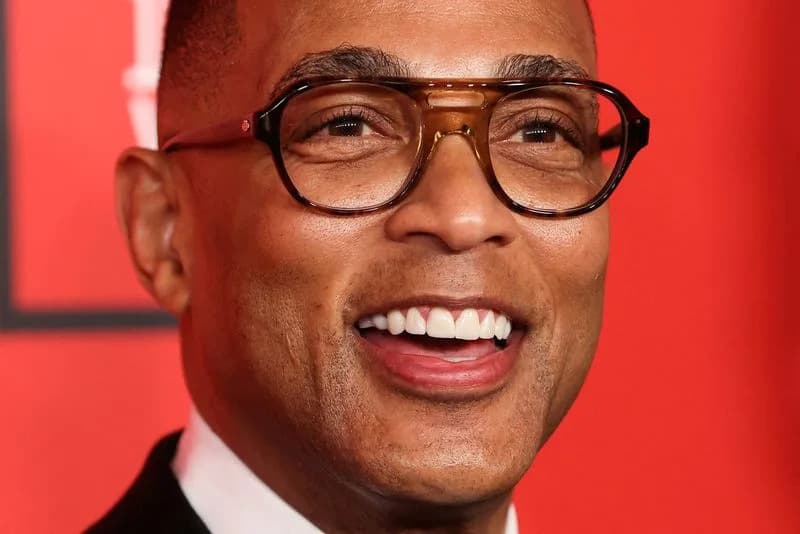
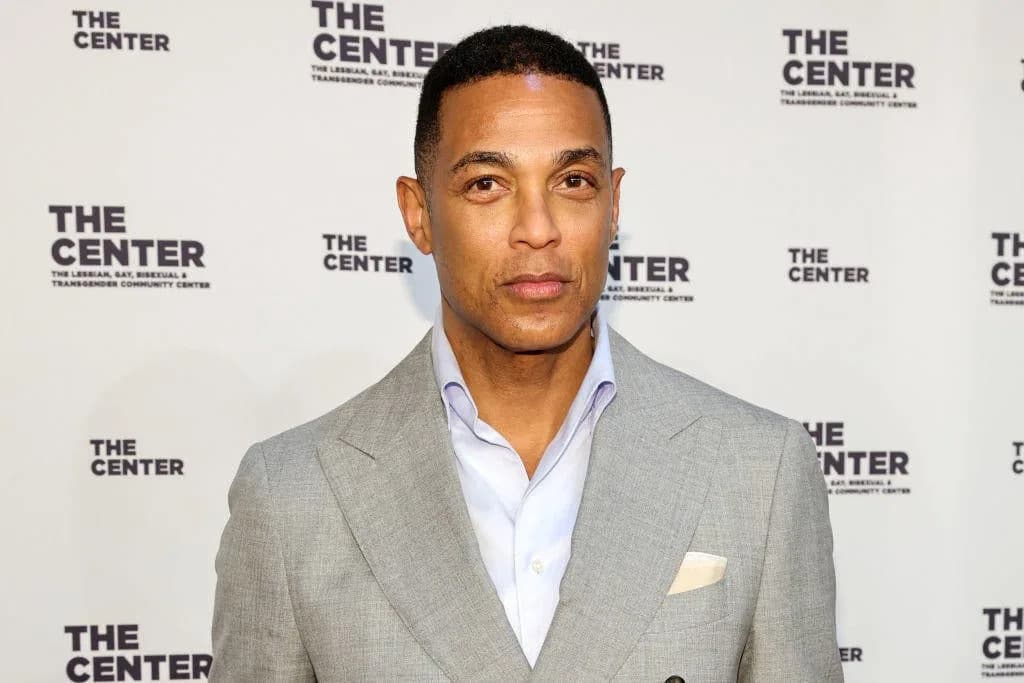
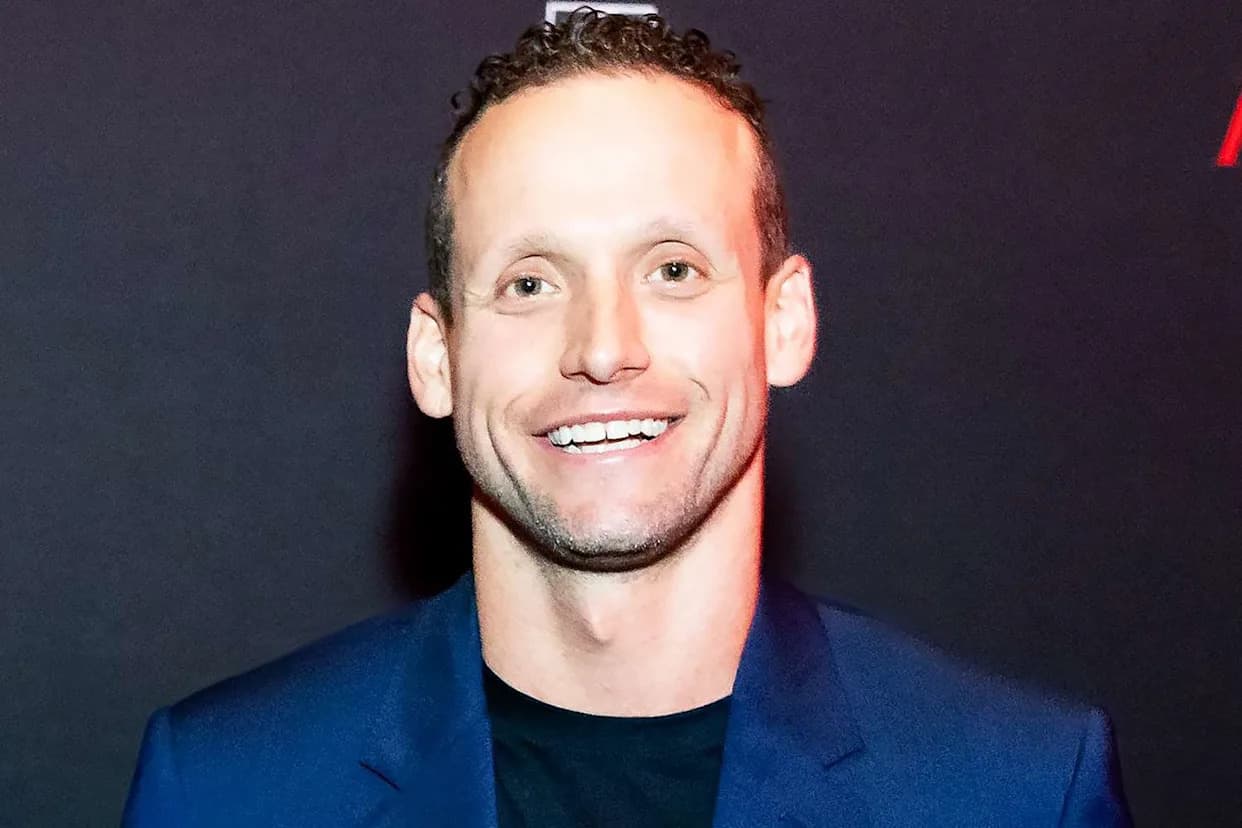
FILE PHOTO: Don Lemon arrives for the Time Magazine 100 gala celebrating their list of the 100 Most Influential People in the world in New York City, New York, U.S., April 26, 2023. REUTERS/Andrew Kelly/File Photo
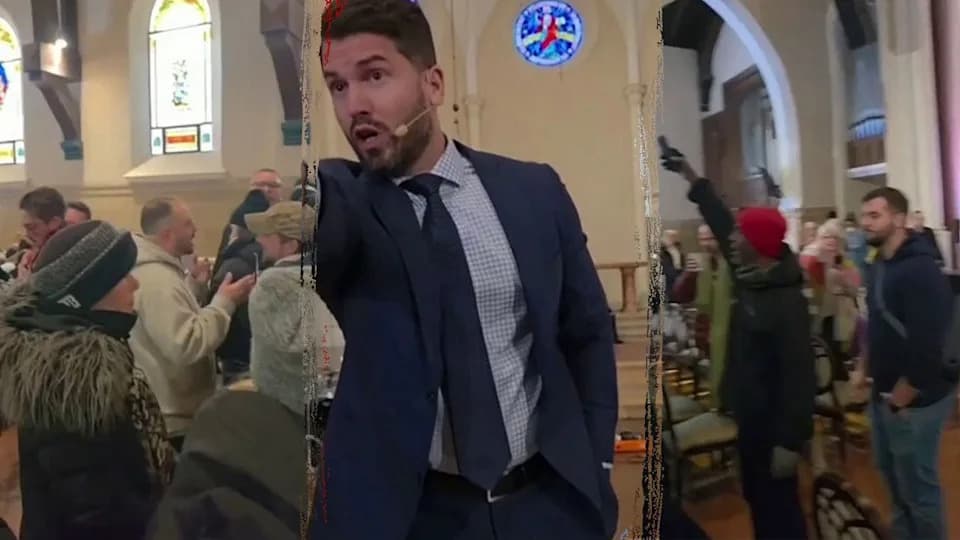
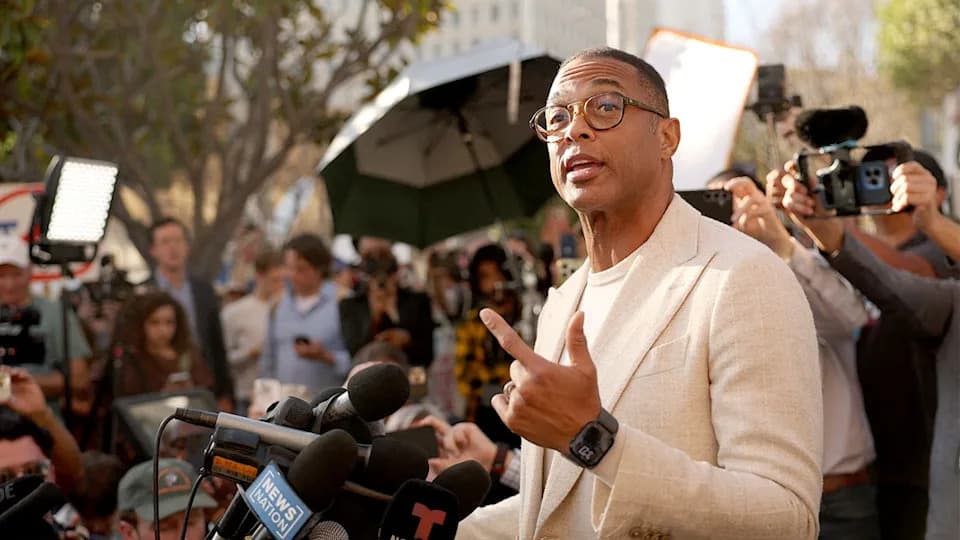
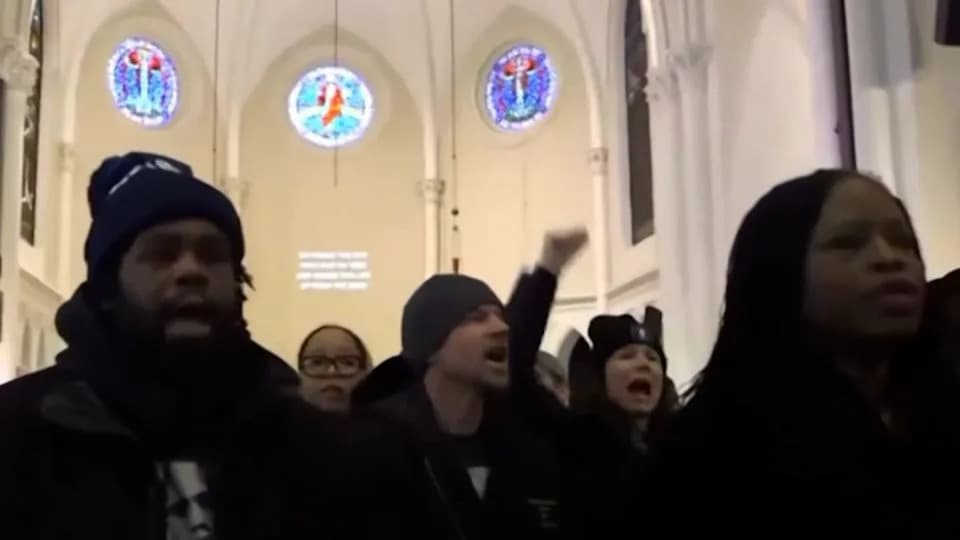
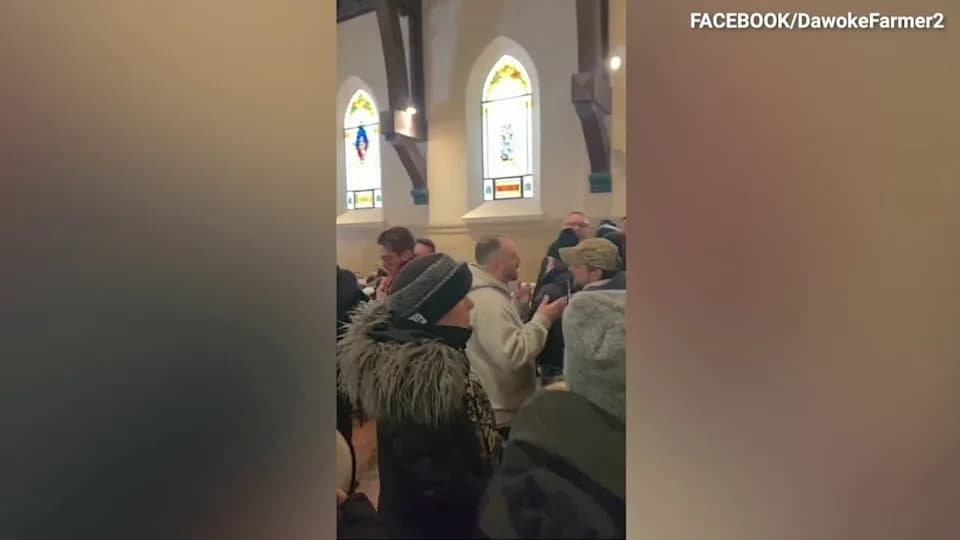
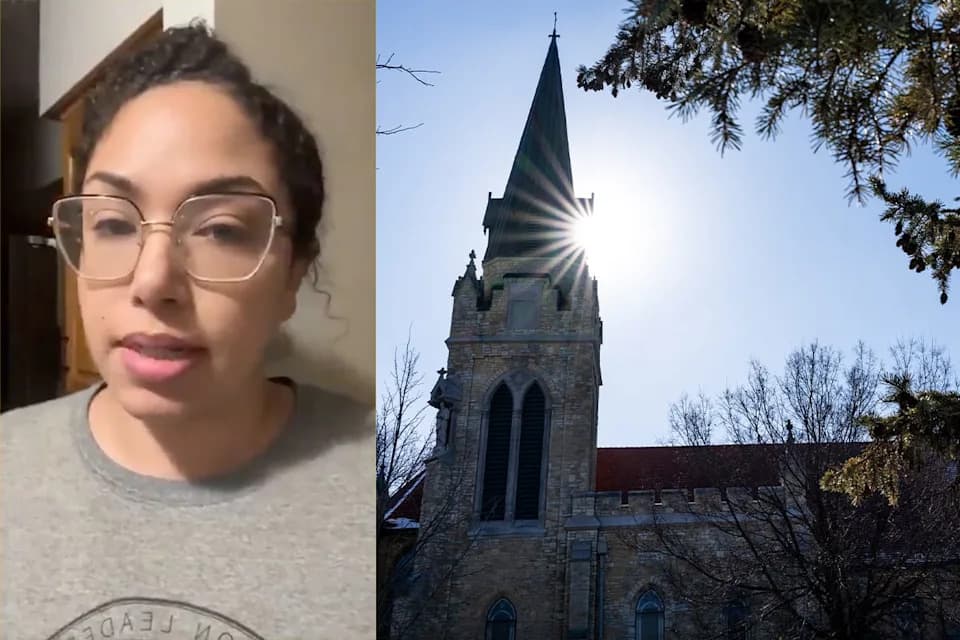
Journalist Don Lemon was arrested after participating in — and livestreaming — a protest that interrupted a church service in St. Paul, Minnesota. Federal prosecutors have charged him under a rarely used federal statute originally aimed at protecting abortion clinics and under a separate, post‑Civil War civil‑rights law.
What Is The FACE Act?
The Freedom of Access to Clinic Entrances (FACE) Act, enacted in 1994, makes it a federal crime to use force, threats or physical obstruction to intentionally interfere with someone seeking or providing reproductive health care or with people exercising religious freedom at places of worship. The law was passed in response to a wave of violence and intimidation targeting abortion providers and clinics and was first proposed by Democratic lawmakers including then‑Representative Chuck Schumer.
Nonviolent, first‑time violations can carry up to six months in prison and fines of up to $10,000; the Justice Department can also bring civil actions seeking monetary penalties and federal courts may issue injunctions to stop unlawful conduct.
How Did Don Lemon Allegedly Violate The Law?
Authorities say Lemon livestreamed a demonstration that disrupted a church service in St. Paul. The protest addressed what participants described as heightened immigration enforcement in the area; video shows Lemon in a heated exchange with a parishioner.
Federal prosecutors charged Lemon with violating the FACE Act for allegedly obstructing access to a house of worship and with conspiring to deprive others of their civil rights under an 1871 statute originally aimed at dismantling Ku Klux Klan violence. Federal agents also arrested three other people at the scene, including independent journalist Georgia Fort, and charged them under the FACE Act.
What Are Lemon’s Possible Defenses?
Lemon’s lawyers say he attended the demonstration as a journalist and have invoked the First Amendment’s press protections. To win a conviction under the FACE Act, prosecutors must show the defendant specifically intended to block access to a reproductive‑health facility or place of worship and did so by threats, physical obstruction or violence. Lemon could argue his intent was to document the event rather than to interfere with worshippers or block entry.
How Common Are FACE Act Cases?
FACE Act prosecutions involving obstruction of religious worship are unusual. According to the office of Representative Chip Roy, the Justice Department brought 211 FACE Act cases between 1994 and 2024; Roy’s office says all but six were against anti‑abortion protesters and that, historically, prosecutions have largely focused on clinics and providers. Critics argue enforcement has been selective.
Separately, the DOJ brought a high‑profile FACE Act lawsuit in 2024 related to a protest at a New Jersey synagogue — a development officials said at the time was an uncommon use of the statute to protect a house of worship.
Has Enforcement Changed Under Recent Administrations?
The Justice Department under President Trump scaled back routine FACE Act prosecutions, issuing guidance that reserved federal action for extraordinary circumstances such as incidents involving death or serious property damage and encouraged state or local prosecutors to handle less severe matters. The prosecution in the St. Paul case, and the earlier New Jersey synagogue suit, show the statute can be applied beyond anti‑abortion demonstrations and may be used in cases involving houses of worship or high‑profile critics of government policy.
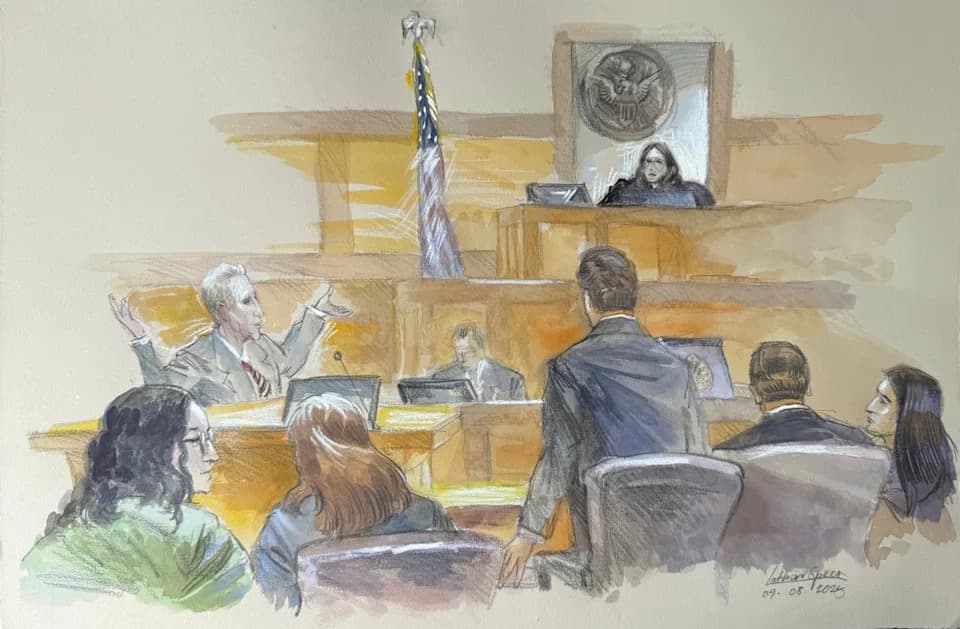
What Comes Next: The case will proceed through the federal court system. If convicted of nonviolent FACE Act violations, defendants face possible jail time, fines and civil remedies; the civil‑rights charge carries its own penalties. Lemon’s legal team will likely press First Amendment and journalistic‑activity defenses as the government must prove specific intent to obstruct worship or access.
Reporting by Daniel Wiessner; editing and additional context provided.
Help us improve.