Diezani Alison-Madueke, the former Nigerian oil minister and ex-OPEC president, denied bribery charges at her London trial. The UK National Crime Agency alleges she received cash, luxury goods and private flights tied to NNPC-related contracts between 2011 and 2015. Her defence says crucial records are missing and points to an 11-year delay and restrictions on her travel since her 2015 arrest. Two co-defendants, including her brother, face related charges.
Ex-OPEC President Diezani Alison-Madueke Denies Bribery at London Trial

Alison-Madueke has been involved in numerous legal cases around the world (Henry NICHOLLS)(Henry NICHOLLS/AFP/AFP)
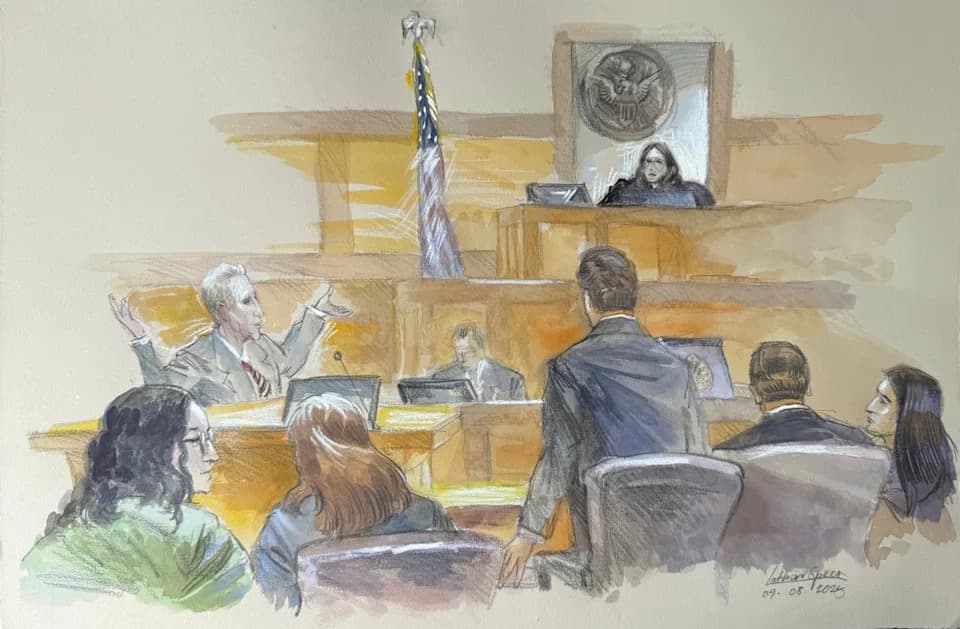
Diezani Alison-Madueke, the former Nigerian oil minister and the first woman to serve as OPEC president, has denied allegations that she accepted bribes while serving in government, her lawyers told a London jury on the third day of her corruption trial.
Case Details
The 65-year-old sat in the dock at Southwark Crown Court as defence counsel set out the formal response to multiple counts of bribery arising from an investigation into alleged payments and benefits between 2011 and 2015. Prosecutors say the offences occurred while Alison-Madueke was Nigeria's oil minister and maintained a United Kingdom address.
Allegations
The UK National Crime Agency (NCA), which prosecutes serious and organised international crime, alleges Alison-Madueke received cash, luxury goods and travel benefits in Britain from people connected to Atlantic Energy and SPOG Petrochemical — companies that secured contracts with the Nigerian National Petroleum Corporation (NNPC) or its subsidiaries.
Prosecutors say the claimed benefits include £100,000 in cash, chauffeur-driven cars, private jet flights to Nigeria, refurbishment work and staff costs at several London properties, school fees for her son and high-end goods from stores such as Harrods and Louis Vuitton.
Defence Response
Defence lawyer Jonathan Laidlaw told jurors that critical evidence that could support Alison-Madueke's innocence is unavailable due to what he described as a 'gross delay' in bringing charges. He said she has been unable to return to Nigeria to prepare her defence and that British police have retained her passport since her arrest in October 2015.
'Nigerian ministers are forbidden from having bank accounts abroad,' Laidlaw told the jury, adding that documents held in Nigeria or by officials there would demonstrate repayments for accommodation or purchases made in Britain. He said many of those records are now missing and 'the fact is that material critical to her defence is now no longer available to her.'
Background
Alison-Madueke, who led OPEC from 2014 to 2015, has faced legal action in several jurisdictions, including the United States. She has been on bail in the UK since her arrest in October 2015 and was formally charged in 2023; she denies the charges.
Two other defendants — her brother, Doye Agama, and Olatimbo Ayinde — are also being prosecuted on related bribery counts. The prosecution says all three had a British address at the time of the alleged offences.
What Happens Next
The trial will examine the prosecution's evidence of alleged payments and benefits, and the defence's claims about missing records and delays. Jurors will hear witness testimony, documentary evidence and legal arguments before reaching a verdict.
Reporting note: The NCA brings cases involving international and organised crime. All defendants are presumed innocent until proven guilty.
Help us improve.