Col. (Res.) Eli Konigsberg, 57, deputy commander in Israel’s Home Front Command, traces his lifelong commitment to service to the near-total destruction of his parents' families in the Holocaust. His father survived Auschwitz, endured detention by British authorities and eventually fought for Israel; relatives on his mother’s side were executed. Mobilized after Hamas' Oct. 7 attack, Konigsberg now leads rescue and engineering units in and around Gaza and stresses that Holocaust remembrance, vigilance against antisemitism and national unity are essential to ensuring "never again."
From 700 To Three: Holocaust Legacy Drives Israeli Commander Mobilized After Oct. 7
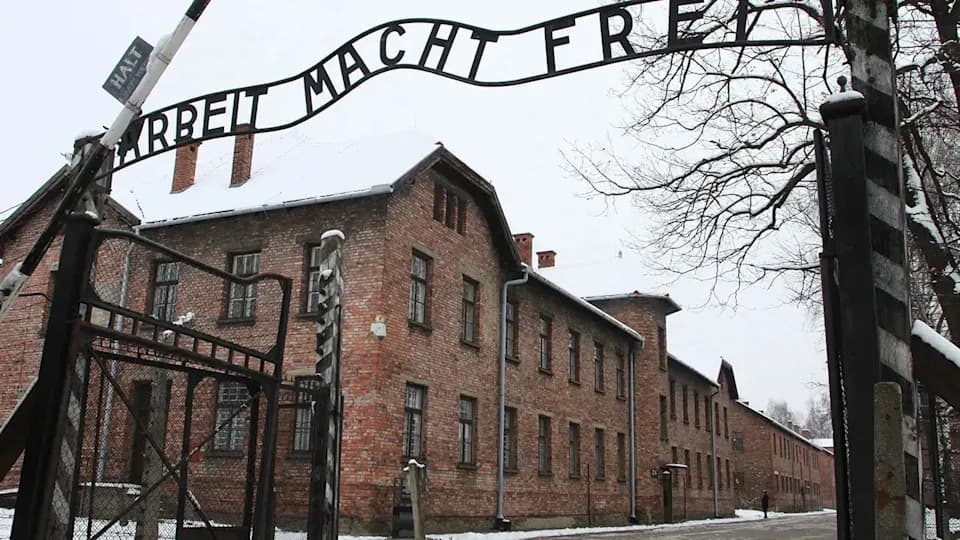
'Arbeit Macht Frei' sign at the former Nazi concentration camp Auschwitz in Oswiecim, Poland.(Getty Images)
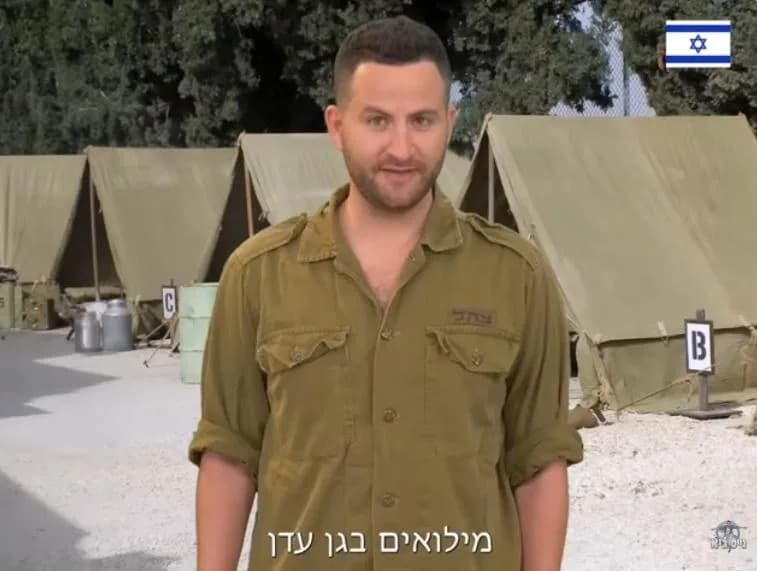
Col. (Res.) Eli Konigsberg, 57, wears more than a uniform when he reports for duty — he carries the memory of two families nearly wiped from Europe during the Holocaust. As deputy commander of Israel’s Jerusalem and Central District in the Home Front Command, Konigsberg says Holocaust remembrance shapes his dedication to service and his conviction that Israel remains vital to Jewish safety.
A Family Nearly Erased
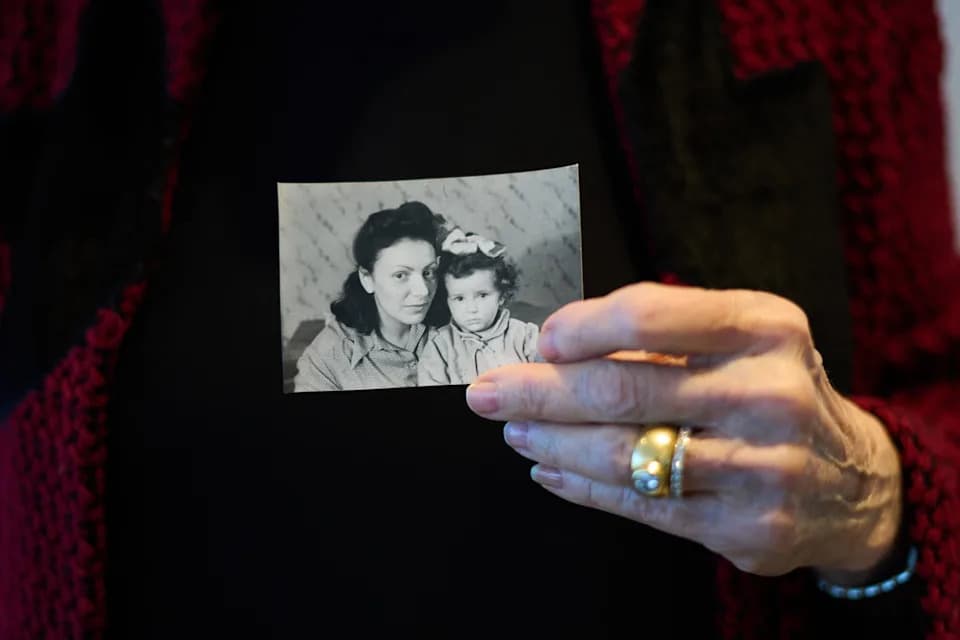
"Both of my parents are Holocaust survivors," Konigsberg told Fox News Digital (his photo is blurred for security reasons). He says his father's extended Orthodox family in western Poland numbered roughly 700 before World War II; after the Holocaust, only his father and two cousins survived. After surviving Auschwitz, his father joined the Betar movement and in 1946 attempted to reach what would become Israel aboard the ship Theodor Herzl. British authorities detained him, imprisoned him at the Atlit camp and exiled him to Cyprus for nearly two years before he arrived following Israel’s declaration of independence.
On his mother’s side, relatives were betrayed, forced to dig their own grave beneath a pear tree and executed. Konigsberg says Holocaust memory was rarely spoken of openly in his childhood home, but its presence was constant.
"We are 80 years after the Holocaust, and the people who can say 'I was there. I saw' are disappearing," he said. "Therefore, the duty of remembrance is our duty."
Service, Duty and the Aftermath of Oct. 7
The sense of responsibility shaped Konigsberg’s life. A father of four daughters and a grandfather, he has served more than 36 years in Israel’s reserve forces and has completed over 3,600 days of duty. Although Israeli law generally exempts reservists at age 45, Konigsberg chose to remain available: "When they call me, I will immediately arrive," he said.
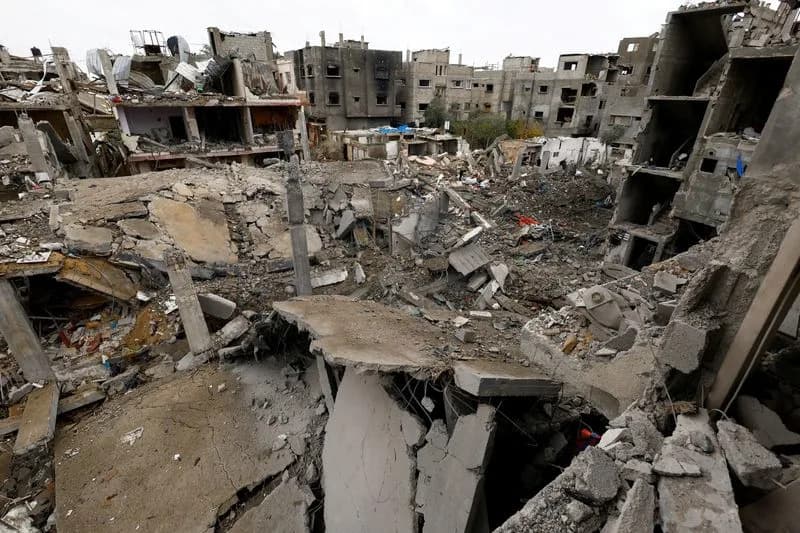
Following Hamas' Oct. 7 attack, he was mobilized again. He described the assault as "killing for the sake of killing — not to conquer territory or change reality, but hatred for the sake of hatred." Since then he has commanded rescue and heavy engineering units operating in the Gaza Envelope, inside Gaza and in the north. His forces have carried out body identification, rescue operations and clearing missions to eliminate terrorist hiding places, and he said they would return to Gaza for further clearing and demolition operations.
Remembrance, Resilience and Unity
Despite the trauma of recent months, Konigsberg highlighted a source of national resilience: Israel's reserve system, where people with diverse political views unite in service. He warned that antisemitism persists globally and pointed to uneven international responses to crises elsewhere compared with the outcry surrounding Israel.
For Konigsberg, remembrance extends beyond mourning: it is a call to protect the living. "The place of every Jew is here in Israel," he said. "We must always remain united and strong… and ensure that 'never again' truly means never again."
Reporting sourced to Fox News Digital interview with Col. (Res.) Eli Konigsberg.
Help us improve.