Seven Japanese American University of Hawaii ROTC cadets who were branded "enemy aliens" after Pearl Harbor and later died fighting in Europe in 1944 will be promoted posthumously to 2nd lieutenant in a Honolulu ceremony. The men served with the Varsity Victory Volunteers before joining the famed 442nd Regimental Combat Team. The promotions formally recognize their sacrifice and cap an effort to restore their lost commissions and honor their legacy.
Honoring Sacrifice: Seven Japanese American ROTC Cadets To Receive Posthumous Officer Promotions
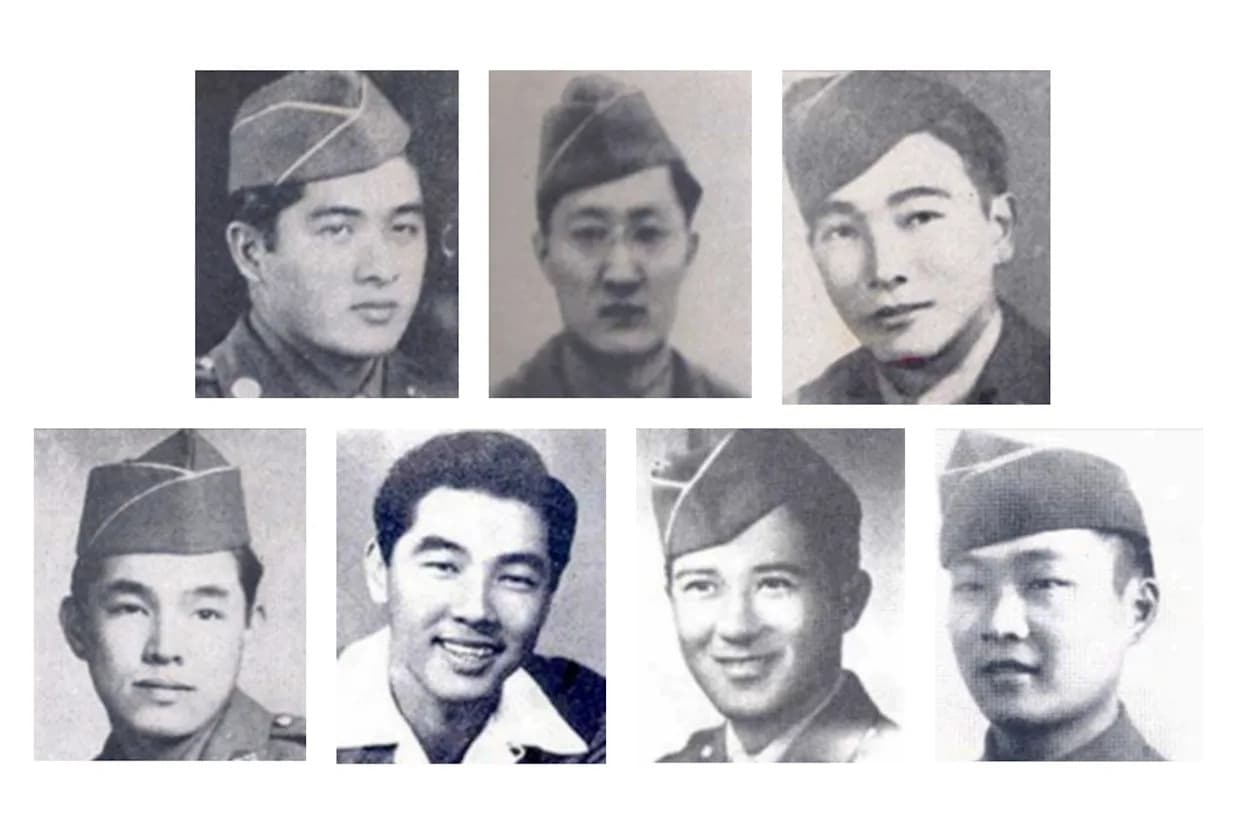
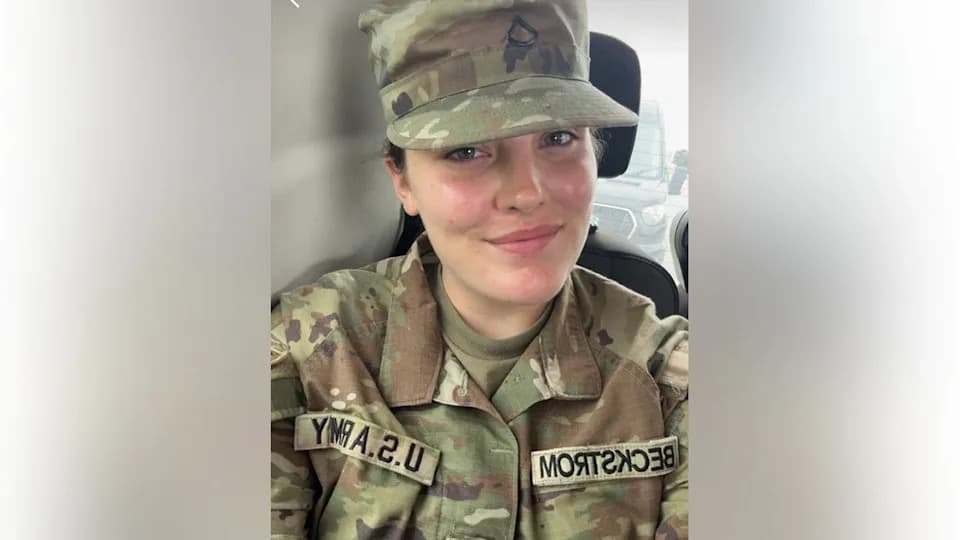
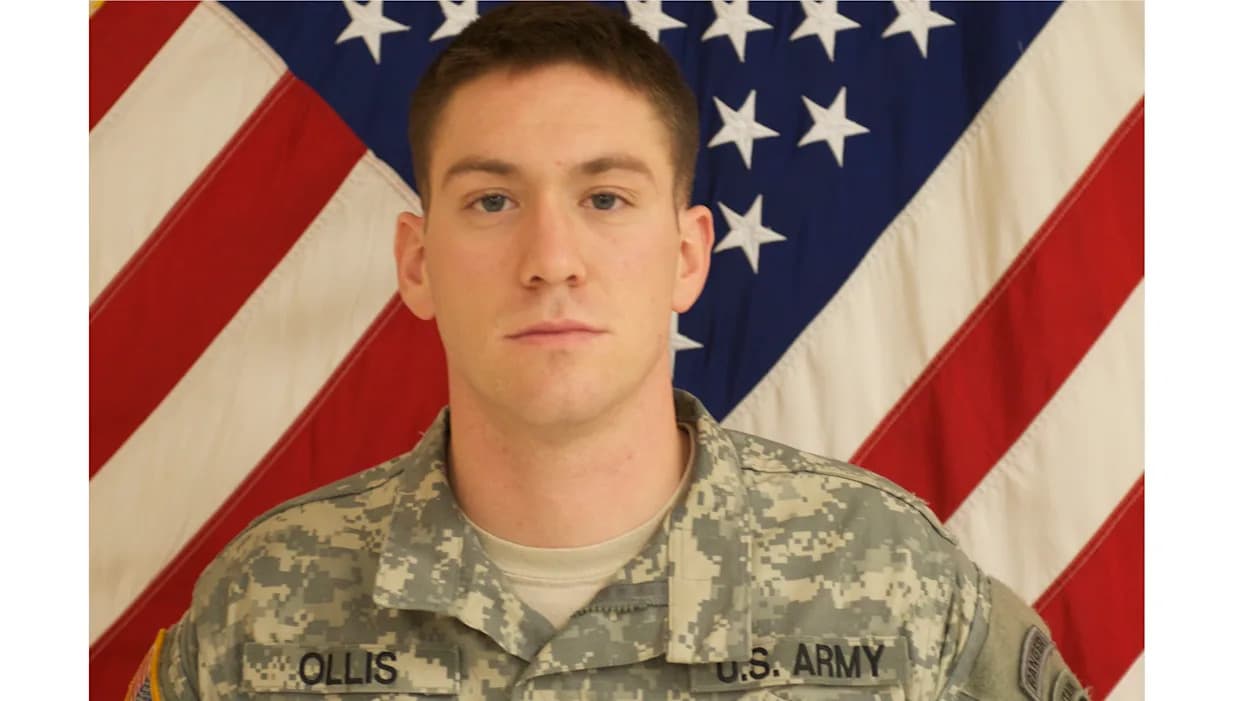
This combo image made with photos provided by the U.S. Army Pacific shows, from left to right, University of Hawaii ROTC cadets Jenhatsu Chinen, Daniel Betsui and Howard Urabe, top row, and Hiroichi Tomita, Grover Nagaji, Robert Murata and Akio Nishikawa, bottom row. (U.S. Army Pacific via AP)(ASSOCIATED PRESS)
HONOLULU — In a solemn ceremony in Honolulu, seven Japanese American soldiers who were labeled "enemy aliens" after the attack on Pearl Harbor will be posthumously promoted to 2nd lieutenant, more than eight decades after they died fighting for the United States in World War II.
All seven men were students at the University of Hawaii and members of the Reserve Officer Training Corps, on track to commission as Army officers when Japan attacked Pearl Harbor on Dec. 7, 1941. Although they initially served with the Hawaii Territorial Guard, the U.S. military soon excluded most Japanese Americans from regular service and classified many as "enemy aliens."
Denied the opportunity to complete commissioning, the cadets joined the civilian Varsity Victory Volunteers, performing manual labor such as digging ditches and breaking rocks. In early 1943 they became part of the newly formed, segregated 442nd Regimental Combat Team — alongside the largely Hawaii-born 100th Battalion — a unit that would become one of the most decorated in U.S. military history.
The seven men — Daniel Betsui, Jenhatsu Chinen, Robert Murata, Grover Nagaji, Akio Nishikawa, Hiroichi Tomita and Howard Urabe — were killed in combat in Europe in 1944. All but Murata died during the campaign to liberate Italy from Axis forces; Murata was killed by artillery fire in eastern France. They will be elevated to 2nd lieutenant, the rank they likely would have held had they completed the ROTC commissioning process.
"It is important for us to really kind of give back and recognize our forefathers and these veterans that we stand on the shoulders of," said 1st Sgt. Nakoa Hoe of the 100th Battalion, 442nd Regiment (the unit's modern designation in the Army Reserve). Hoe noted that the once-segregated unit today includes soldiers from many cultures.
The University of Hawaii awarded the men posthumous degrees in 2012. Relatives of several of the soldiers are expected to attend the Honolulu park ceremony that formally recognizes their commissioning. Although Hawaii was not yet a state in 1941, these men were U.S. citizens by birth because Hawaii was annexed in 1898.
Military and university officials say the ceremonies are meant to restore historical recognition of these cadets' service and sacrifice. The promotions also come amid broader public debate about how American history — including the contributions of minority service members — is represented and commemorated.
"Everyone's contribution to and sacrifice for the ideals of freedom and the security of this country should matter and should be acknowledged, regardless of who they are," said Laura Lyons, interim vice provost for academic excellence at the University of Hawaii at Manoa.
Help us improve.