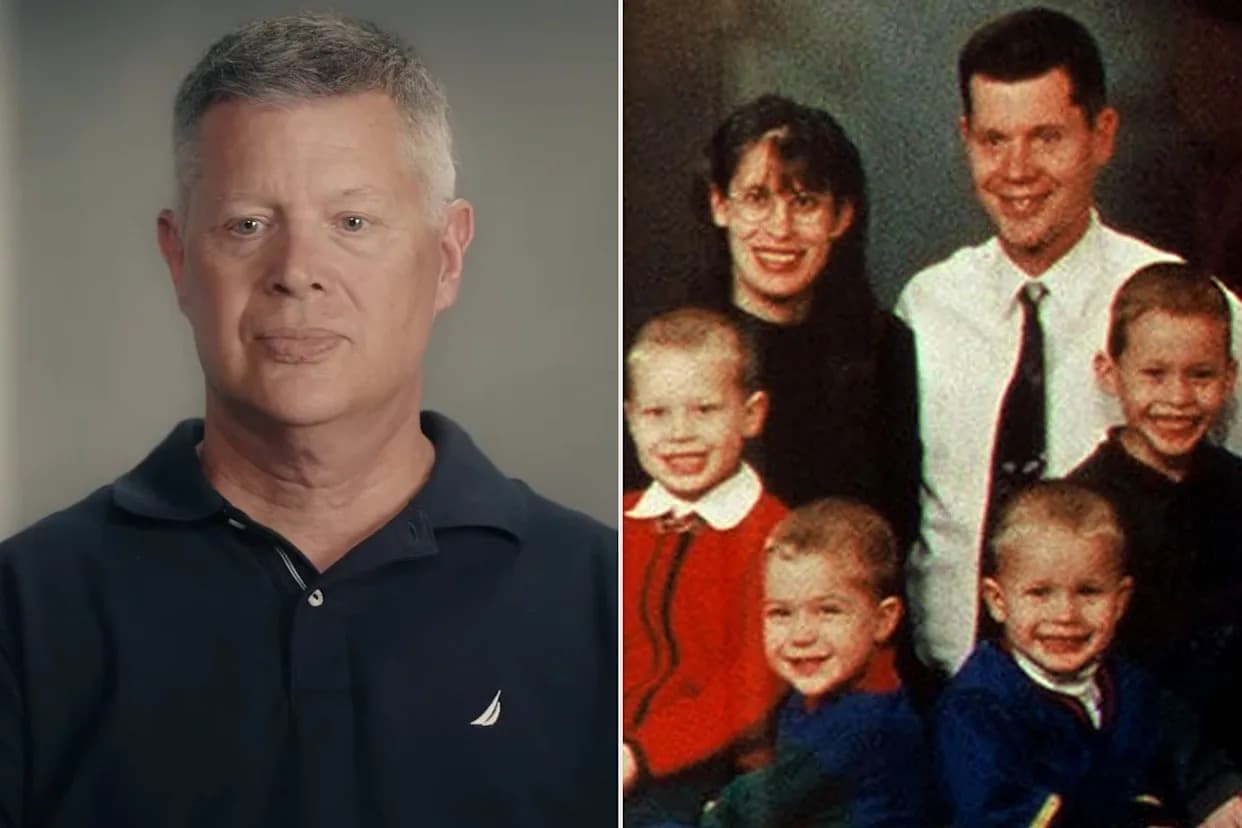
The Investigation Discovery docuseries "The Cult Behind the Killer: The Andrea Yates Story" revisits the 2001 drownings of five Yates children and examines competing explanations, including postpartum psychosis and claims of religious indoctrination. Andrea Yates confessed at the scene; she was convicted in 2002, retried in 2006 and found not guilty by reason of insanity. The series reviews her mental-health history, medication lapses, a reported suicide attempt and disputed theories about external ideological influence.
New Docuseries Reexamines Andrea Yates Case and Claims of Cult Influence
Texas cult in crosshairs of killer mom’s bathtub slayings case as questions hang over family horror
The Investigation Discovery series "The Cult Behind the Killer: The Andrea Yates Story" revisits the 2001 drownings of five Yates children and probes longstanding questions about Andrea Yates's mental health and whether extremist religious teachings played any role in the tragedy.
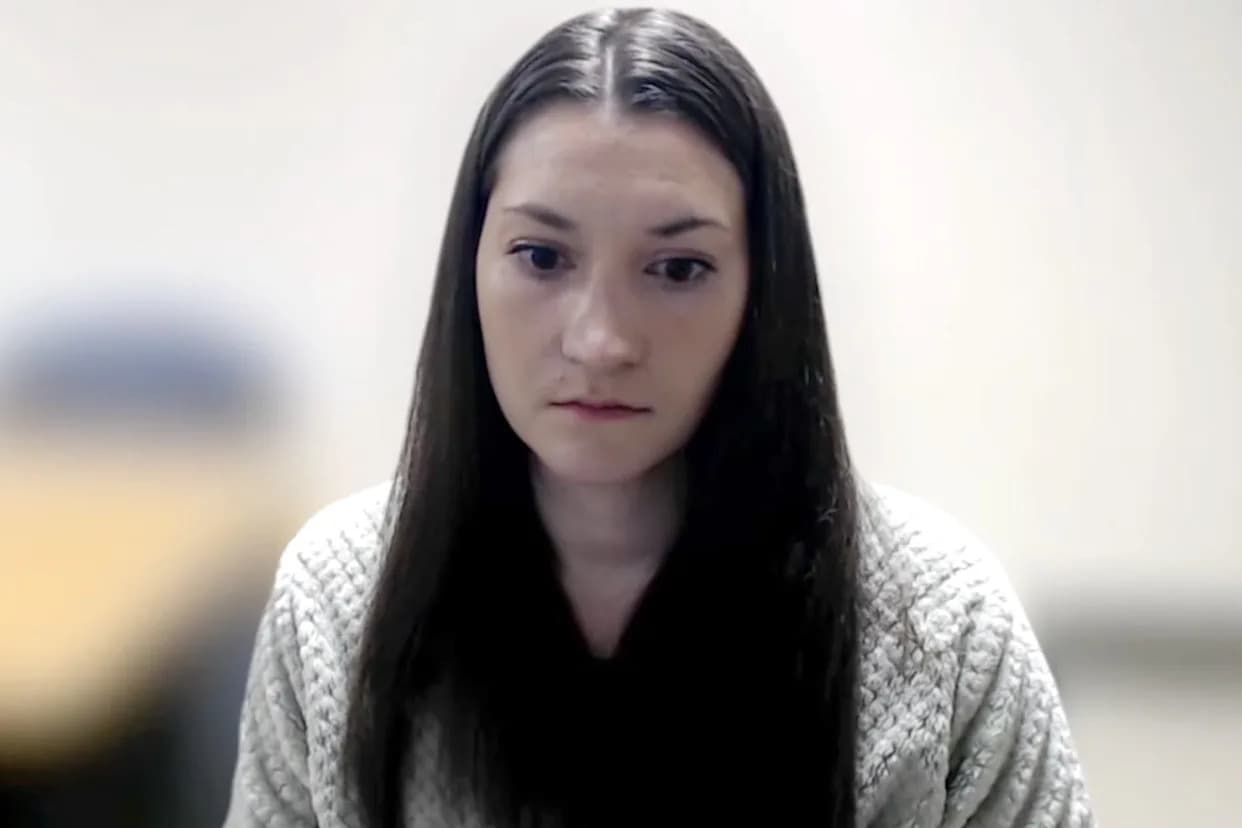
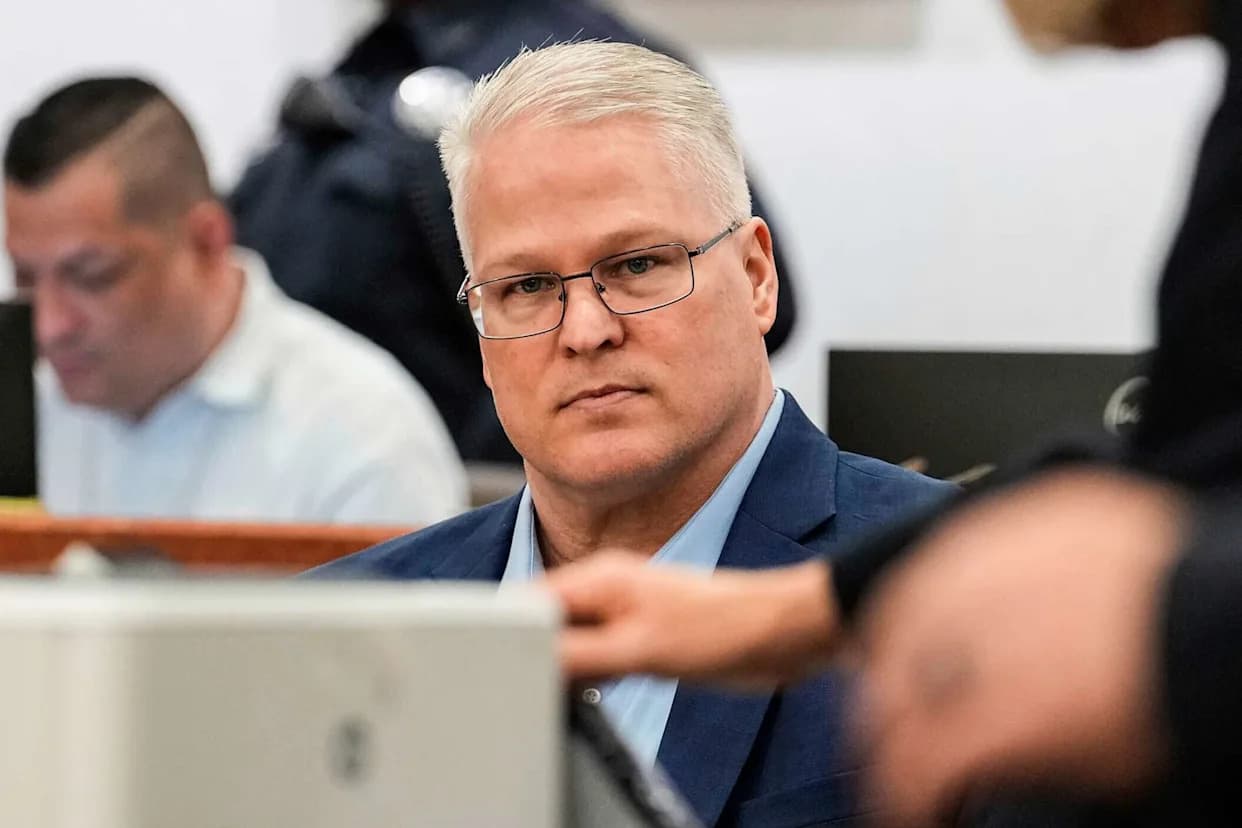
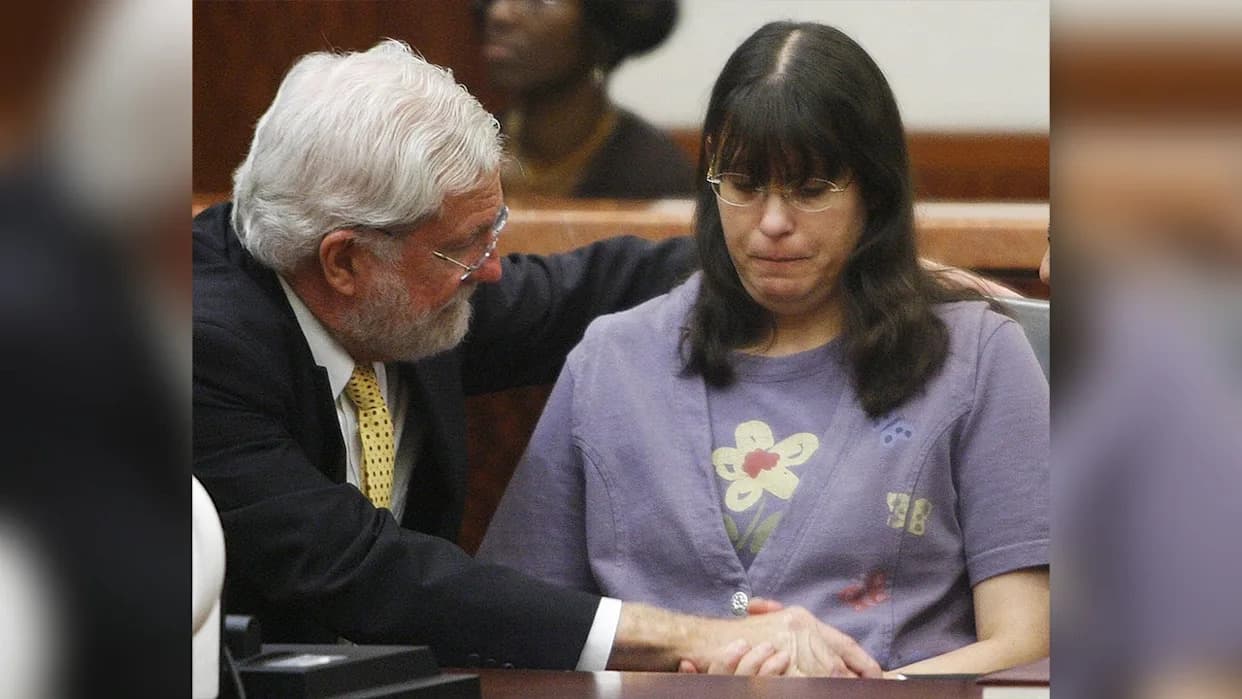
Andrea Yates, right, sits with her attorney George Parnham after the not guilty by reason of insanity verdict was read in her retrial July 26, 2006, in Houston.(Getty Images)
The Crime and Immediate Aftermath
On June 20, 2001, Andrea Yates drowned her five children — John, Paul, Noah, Luke and Mary — in the family bathtub at their home in Clear Lake, a Houston suburb, according to People. The children ranged in age from six months to seven years. After the killings, Yates placed the children's bodies on the bed and called 911 to confess. When officers arrived, she reportedly met them with wet hair and clothing and said plainly, "I killed my kids."
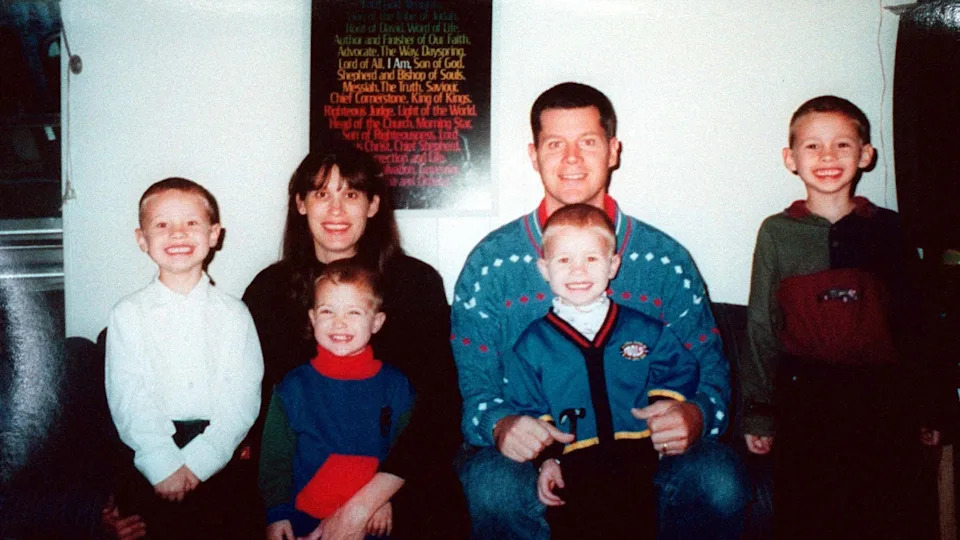
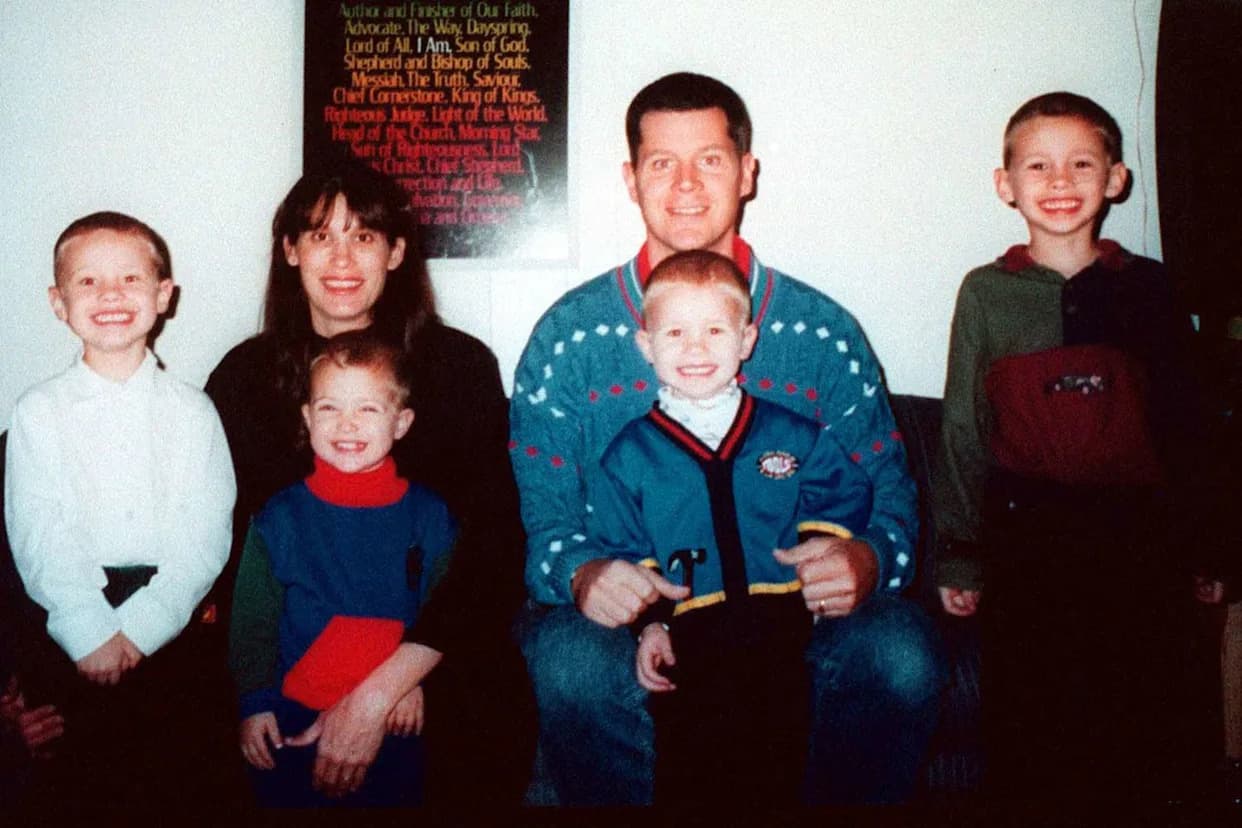
This undated family photo shows four of the five children of Andrea Yates, who confessed on June 20, 2001, to killing her children by drowning them in their home in Clear Lake, a suburb of south Houston, Texas. The children shown are, from left, John, Luke, Paul and Noah.
Mental-Health History and Treatment
In the months and years before the deaths, Yates's struggles with mental illness became more apparent. Reports say she experienced severe postpartum depression after the birth of her fourth child, attempted suicide after one birth and was hospitalized. She was prescribed antipsychotic and antidepressant medications, and some accounts indicate her condition worsened after she stopped taking medication for a period.
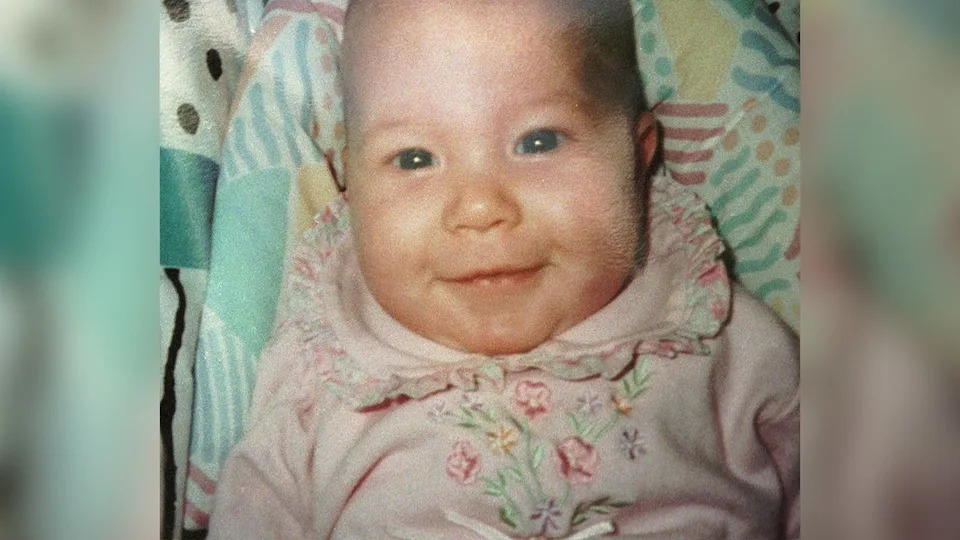
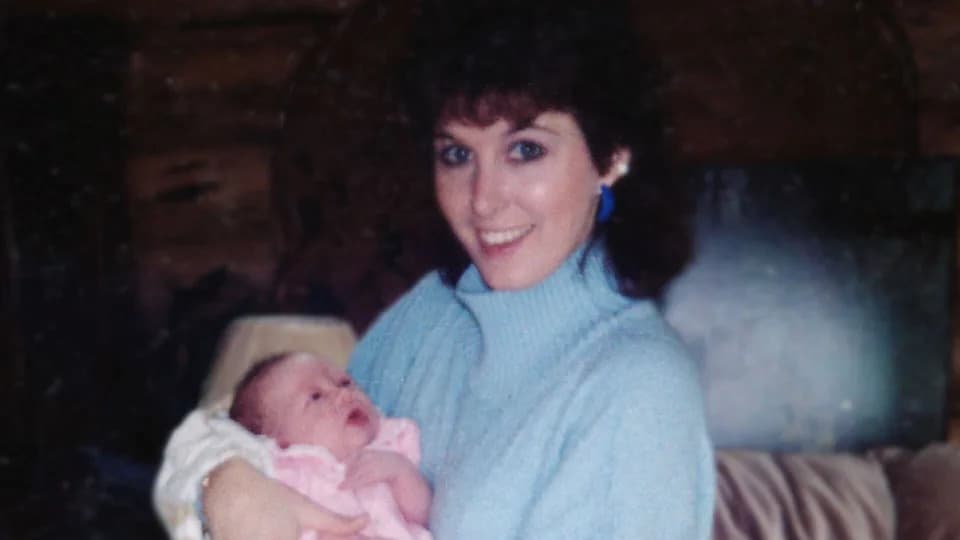
This undated family photo shows Mary, the youngest of the five children of Andrea Yates, then 36, who confessed on June 20, 2001, to killing her children by drowning them in their home in Clear Lake, a suburb of south Houston, TX.
Theories About Religious Influence
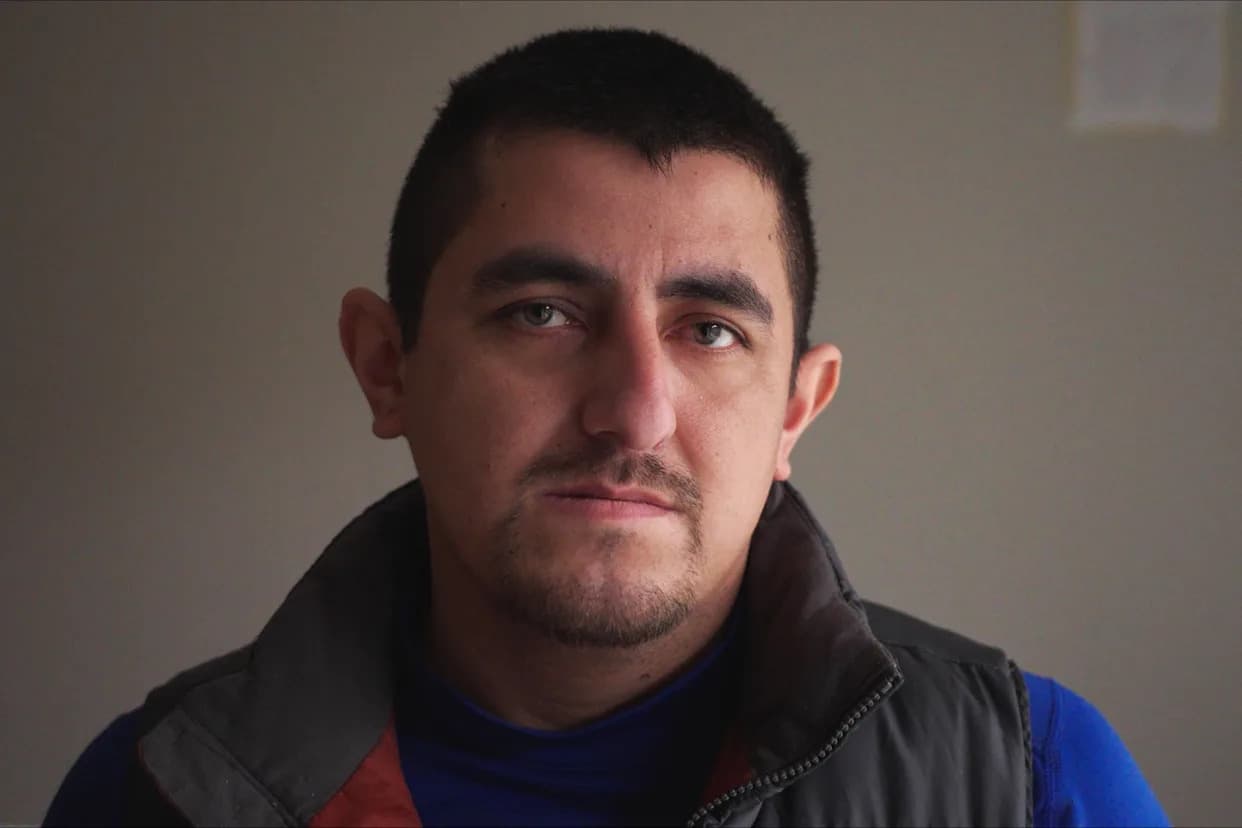
The docuseries explores a widely circulated theory that Yates had been influenced by the teachings of traveling preacher Michael Woroniecki or others whose rhetoric some described as extreme. Prosecutors and defense teams examined whether a belief in pressing notions of "good and evil" could have affected her thinking. Woroniecki has denied any causal connection, calling the claims "ridiculous." No criminal charges were filed against him in relation to the case.
"Something had to have snapped," said neighbor Cheryl Johnson after the killings. "She was no monster."
Trials, Verdicts and Institutional Care
In 2002 Yates was convicted of capital murder and sentenced to life in prison with the possibility of parole after 40 years. That conviction was reversed on appeal, and at a 2006 retrial she was found not guilty by reason of insanity. She was committed to Kerrville State Hospital, a Texas psychiatric facility, where she has remained for treatment. In 2022 her attorney reported that she waived an annual review that might have considered release and that she "grieves for her children" daily.
Defense Arguments and Broader Questions
Andrea Yates's defense has emphasized postpartum psychosis and systemic failures in mental-health care. Her attorney, George Parnham, has argued the real culprit was severe mental illness and that both Andrea and her children were victims of that disease. The case raises enduring questions about the intersection of untreated serious mental illness, medication adherence, family dynamics and the role—if any—of external ideological influences.
Where to Watch: "The Cult Behind the Killer: The Andrea Yates Story" is available to stream on Investigation Discovery.
Help us improve.