The Labour Party’s National Executive Committee has blocked Manchester Mayor Andy Burnham from standing in the Gorton and Denton by-election, citing the cost and disruption of a possible subsequent mayoral contest. The move has fuelled speculation Burnham sought a foothold in Parliament as a potential leadership contender against Prime Minister Keir Starmer. The decision divides the party ahead of important local and devolved elections in May, where polls show Labour facing significant losses.
Labour Rift: NEC Blocks Andy Burnham From Gorton And Denton By-Election, Sparking Party Split
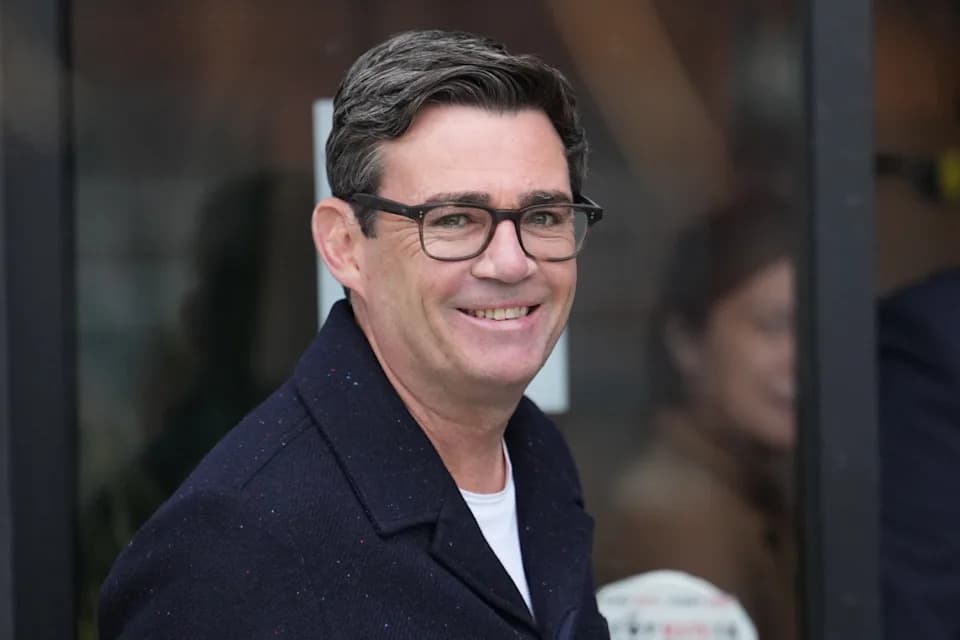
FILE - Andy Burnham the Mayor of Manchester arrives a fringe meeting during the annual Labour Party conference in Liverpool, England, Sept. 29, 2025. (AP Photo/Jon Super, File)(ASSOCIATED PRESS)
LONDON — A row has erupted within Britain’s governing Labour Party after the party’s National Executive Committee (NEC) refused permission for Manchester Mayor Andy Burnham to stand as the Labour candidate in the upcoming Gorton and Denton by-election. The decision has prompted accusations that the move was intended to prevent a potential leadership rival from returning to the House of Commons.
What Happened
Burnham, the Greater Manchester mayor since 2017 and a well-known figure in the party, asked the NEC on Saturday for approval to contest the safe Labour seat in a special election. The NEC — a 10-member body that included Prime Minister Keir Starmer — blocked his request, saying it wanted to avoid the cost and disruption of a potential mayoral by-election should Burnham win and be forced to step down as mayor.
Why The Party Cited Cost And Disruption
Labour officials said a victorious Burnham would trigger a further special election for Manchester mayor that would place a "substantial and disproportionate impact on party campaign resources." The NEC framed its decision as a pragmatic move to protect the party’s organisational capacity ahead of a crucial set of local and devolved elections in May.
Political Context
Burnham, 56, has twice stood for Labour leadership and previously held roles in Labour governments in the 2000s. His strong regional appeal has earned him the nickname "King of the North." Observers say the bid to enter Parliament fuelled speculation that Burnham might position himself as a potential challenger to Starmer if Labour performs poorly in the upcoming elections.
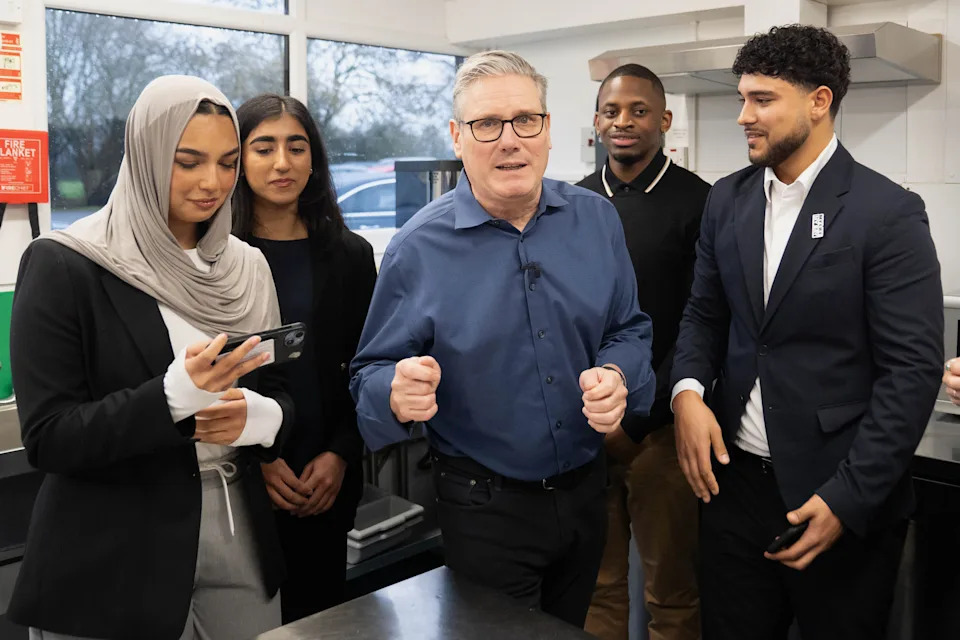
Britain's Prime Minister Keir Starmer, center, speaks with locals, during a visit to a community group at Flaunden Village Hall to discuss the government's Warm Homes Plan, in Flauden, Hertfordshire, England, Thursday, Jan. 22, 2026. (Stefan Rousseau, Pool Photo via AP)(ASSOCIATED PRESS)
"I am disappointed by the decision and concerned about its potential impact on the important elections ahead of us," Burnham wrote on X, adding that his "full focus" will remain on defending "everything we have built" in Greater Manchester.
Reactions Inside The Party
Supporters of the NEC ruling argued it allows the party to concentrate on upcoming polls. Labour MP John Slinger said the "quick and clear decision" would let the party "move on from the damaging introspection and psychodrama of the last week" and unite behind the eventual candidate.
But the move alarmed figures on Labour’s left. Former cabinet minister Louise Haigh called the ruling "incredibly disappointing" and urged the NEC to "change course and make the right decision."
Broader Electoral Picture
Labour’s poll ratings have dropped since the party’s landslide victory in July 2024, amid criticism of several policy decisions linked to Starmer’s leadership. Current polls suggest Labour could lose Wales for the first time since the Welsh legislature was created in 1999, struggle to regain power in Scotland, and face heavy losses in English local contests — outcomes that have benefited smaller parties such as Reform UK and the Greens.
What Happens Next
Burnham remains mayor through a third term that runs until May 2028 and has pledged to focus on his regional responsibilities. The NEC’s ruling settles the immediate question about the by-election candidate but leaves unresolved tensions over internal party unity and the management of potential leadership ambitions.
Help us improve.