On October 1, 2022, 433 people shared a Philippine lotto jackpot when the winning numbers were all multiples of 9 — a specific six-number set that has a probability of 1 in 28,989,675. Terence Tao applied Bayesian reasoning to show that deciding whether this indicates fraud requires explicit assumptions about how cheating or machine failure would operate and whether those models fit subsequent draws. A follow-up draw with nonpatterned numbers and the fact that the six multiples of 9 lie on a diagonal of the betting slip make a non-fraud explanation plausible. Any convincing alternative must be plausible a priori, raise the event’s likelihood relative to a fair draw, and remain consistent with later evidence.
How Math and Bayes Help Unravel a 29-Million-to-1 Lottery Mystery
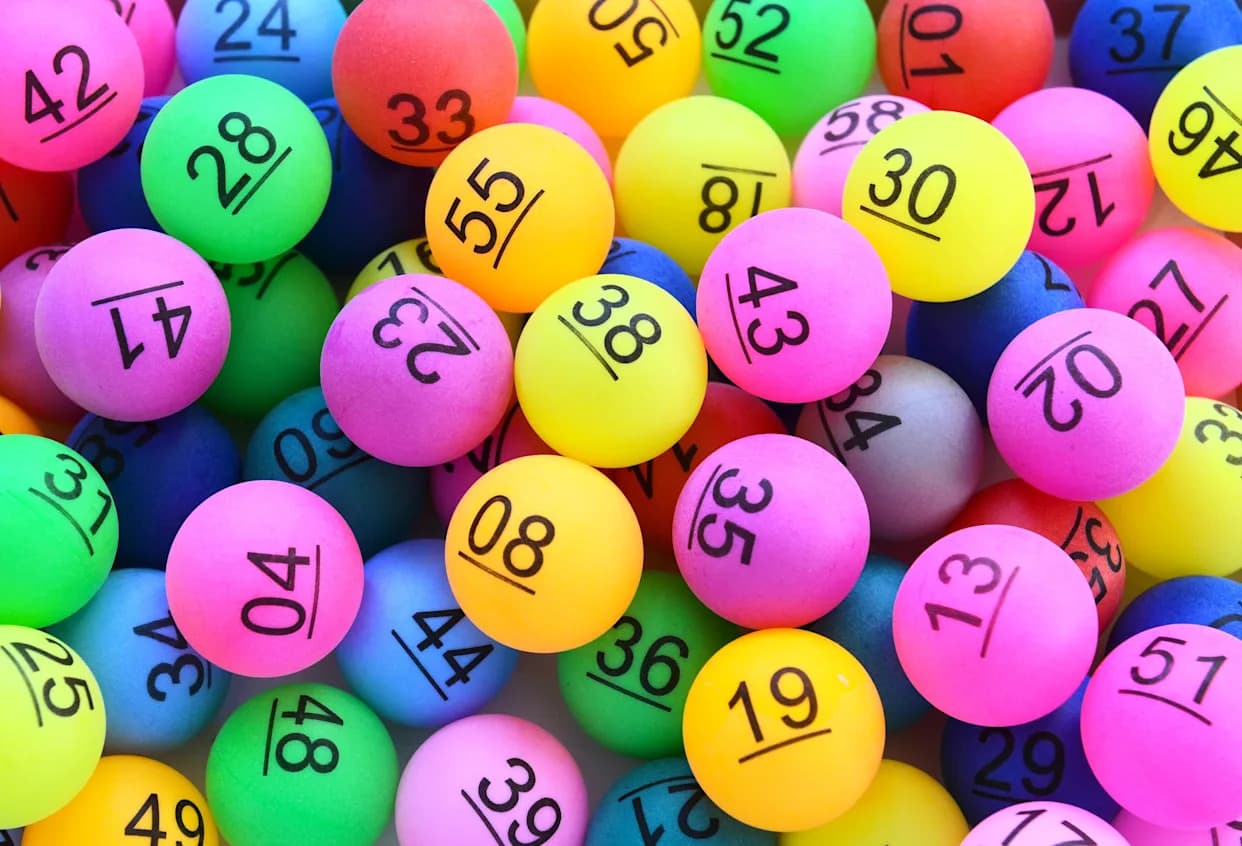
On October 1, 2022, an extraordinary result in a Philippine lotto drew international attention: 433 people shared the jackpot when the six winning numbers, sorted in ascending order, were 9, 18, 27, 36, 45 and 54 — every one a multiple of 9. The coincidence prompted accusations of foul play and intense public curiosity.
How Unlikely Was That Exact Draw?
The game draws six distinct numbers from 1 to 55, irrespective of order. The number of possible combinations is 55 choose 6, which equals exactly 28,989,675. That means any specific six-number combination — including the six multiples of 9 — has a probability of 1 in 28,989,675 (roughly 1 in 29 million).
Why Simple Odds Don’t Settle the Fraud Question
Although the raw odds make the outcome seem astronomically unlikely, that fact alone does not prove cheating. To assess whether the result indicates fraud, one must compare competing explanations (hypotheses) and how likely each is to produce the observed outcome. This is the realm of Bayesian reasoning, which Fields Medalist Terence Tao used to analyze the event.
Two Broad Hypotheses
Null hypothesis: the draw was fair and unmanipulated. Under this model the probability of the exact six-number set is 1 in 28,989,675.
Alternative hypothesis: the draw was manipulated in some way (for example, by preselecting winning numbers, deliberately choosing or avoiding obvious patterns, or through machine malfunction). The likelihood of the observed outcome under this hypothesis depends entirely on the specific model of manipulation.
How Different Rigging Models Change the Math
If corrupt actors randomly preselected a winning set and then fixed the result to match that preselection, the chance that their preselected set happened to be the multiples of 9 is still 1 in 28,989,675. In that scenario the alternative hypothesis does not increase the event’s probability relative to the null: the two likelihoods cancel and the draw provides no evidence either way.
If, however, manipulators would intentionally avoid conspicuous patterns, then a multiples-of-9 outcome becomes less plausible under deliberate preselection. Conversely, a specific machine fault that favored patterned groups of numbers could make the multiples-of-9 outcome far more likely — but that hypothesis must survive further testing.
Consistency With Subsequent Draws Matters
A strong rigging explanation must not only make the October 1 result likely, it must also be compatible with later outcomes. For example, the next draw on October 3, 2022 produced 8, 10, 12, 14, 26 and 51, a set without the same visible pattern. Incorporating that follow-up into a Bayesian update weakens many machine-failure models and other alternatives that predict repeated patterned outcomes.
Three Criteria For A Convincing Alternative
As Tao emphasizes, any alternative hypothesis that would convincingly indicate fraud should: (1) be reasonably plausible a priori; (2) substantially raise the probability of the observed event relative to the fair-draw model; and (3) remain consistent with subsequent draws and other evidence.
Why 433 People Picked The Same Numbers
Even if the draw itself were fair, human behavior can concentrate ticket choices. In the Philippines, the betting slip layout places 9, 18, 27, 36, 45 and 54 along a diagonal. Many players choose visually appealing or simple patterns on their slips, so a diagonal selection could easily explain why hundreds of people submitted the same combination — producing many winners when that diagonal came up.
Bottom Line
Counting odds shows the draw was extremely unlikely. But a Bayesian analysis reveals ambiguity: whether that unlikeliness implies fraud depends on specific, testable assumptions about how cheating or failures would operate and how well those models match additional evidence. The diagonal-ticket explanation offers a plausible non-fraud alternative that helps account for the large crowd of winners.
This article was adapted from a piece originally published in Spektrum der Wissenschaft and reproduced with permission.
Help us improve.