In May 1986 a mandatory Oregon Episcopal School climbing trip of 20 people, including 15 students, proceeded up Mount Hood despite forecasts of snow. A sudden storm and extreme windchill forced the group to dig a snow cave; rescuers later recovered nine victims, including students and a teacher. Two survivors endured long recoveries, one with double amputations. The tragedy raised enduring questions about school expedition policies, weather decision-making and safety planning.
Required Mt. Hood School Hike in 1986 Turned Deadly: How a Snowstorm, a Snow Cave and Questioned Decisions Led to Nine Deaths
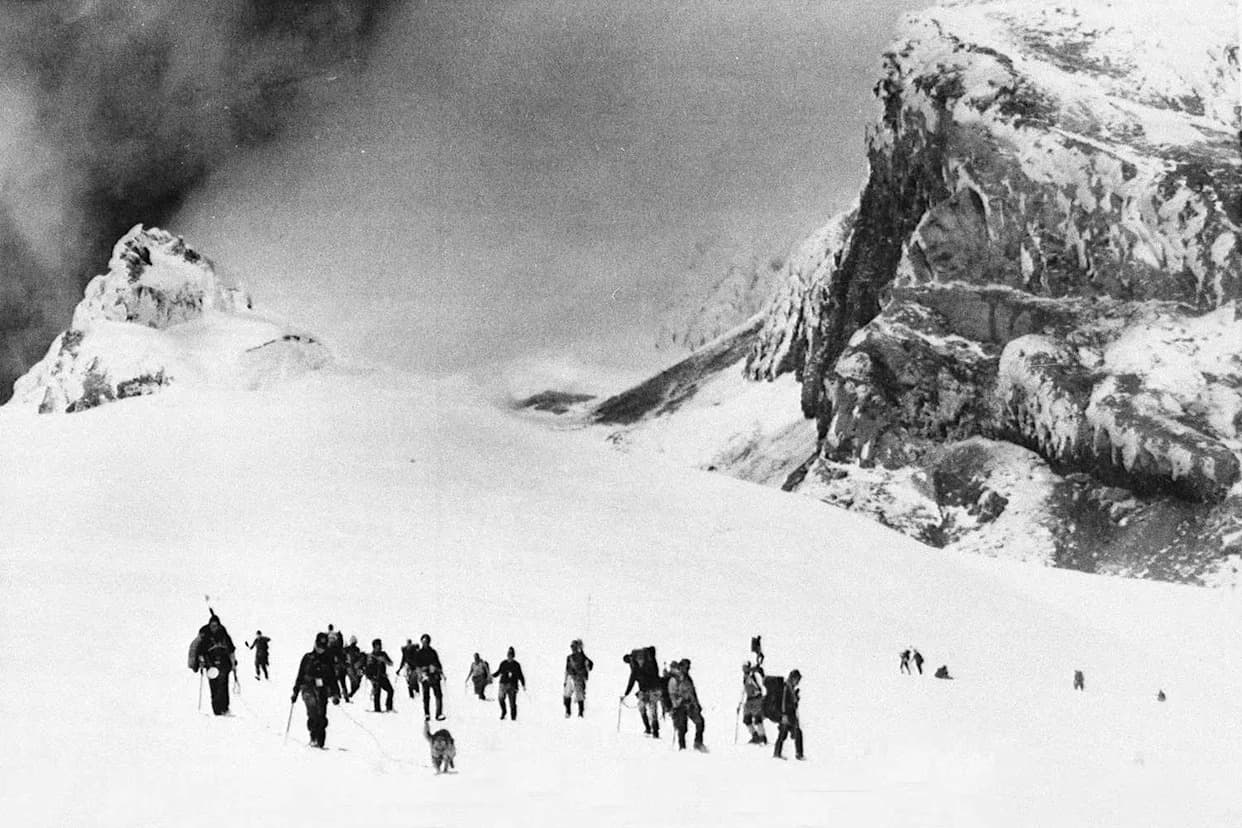
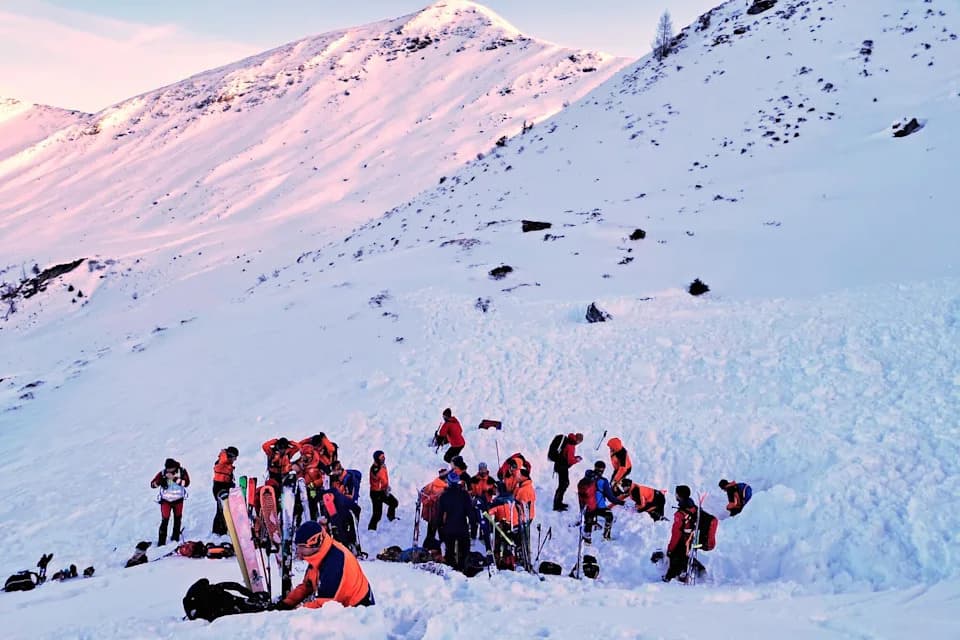
AP Photo/Riley CatonA search and rescue team on Mt. Hood in May 1986
In May 1986, a required Oregon Episcopal School expedition up Oregon's Mount Hood ended in one of North America's deadliest alpine tragedies. Despite weather warnings and canceled outings by other groups, 20 people — including 15 high-school students — set out to climb the south face of the 11,245-foot peak as part of the school's mandatory "Basecamp" program. The party encountered a sudden storm, buried themselves in a hastily dug snow cave and, after a prolonged rescue effort, nine members of the group had died.
What Happened
The group began their climb at about 2 a.m., the customary start time for a day ascent of the south face. Less than an hour in, a strong snow flurry prompted six participants to descend to the lower lodge; they were told the rest of the party would rejoin them by 6 p.m. By late afternoon, clouds had shrouded the summit and windchill reached roughly 50 degrees below zero. Heavy snow and near-whiteout conditions left the remaining members disoriented and forced them to turn back within 100 feet of the peak.
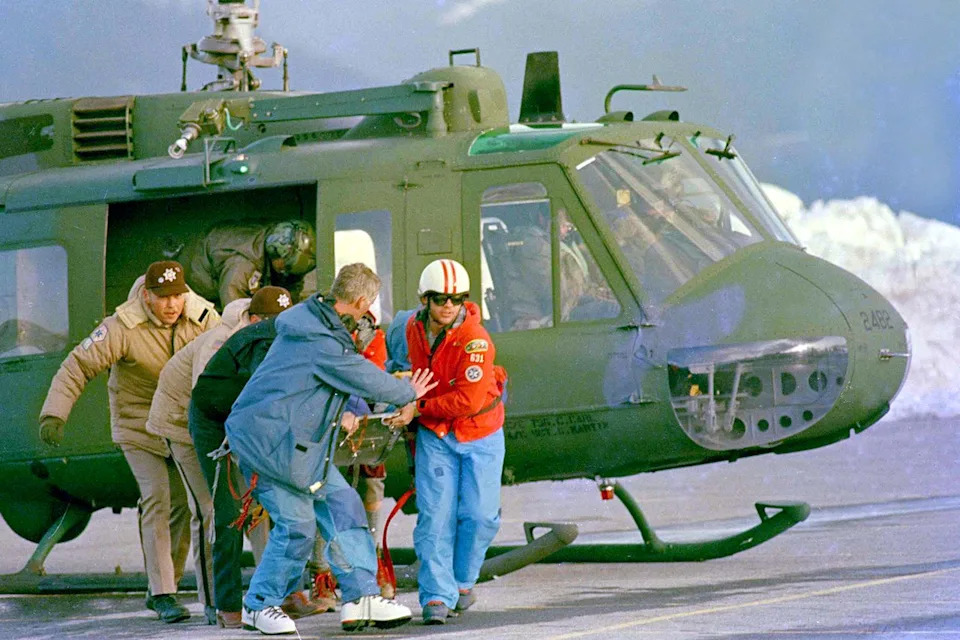
AP Photo/Michael HinsdaleRescue workers carry one of the eight missing mountain climbers from a helicopter after they were found in a snow cave, May 16, 1986 on Mount Hood, Ore.
Digging In To Survive
When one teenager showed signs of hypothermia, the others spent about two hours excavating a snow cave and huddled inside to try to conserve warmth. The following morning, guide Ralph Summers left the shelter to seek help, accompanied by student Molly Schula. A few hours later they reached Mount Hood Meadows, roughly three miles from the cave. By then about 31 hours had passed since the climb began and search-and-rescue operations using Sno-Cats and helicopters were already underway, though bad weather initially forced rescuers to turn back.
Rescue and Aftermath
When crews were able to return, they found three frozen teenagers — 15-year-olds Erin O'Leary, Alison Litzenberger and Eric Sandvik — who were rushed to Emanuel Hospital in Portland. Medical staff briefly restarted Eric Sandvik's heart but he later died. After an extended search, rescue teams finally located the snow cave about 89 hours after the party had left the lodge and found eight people inside. Two 16-year-olds, Brinton Clark and Giles Thompson, were still alive but severely hypothermic; evacuating them required teams of men to carry each survivor over 700 feet of snow to reach helicopter pickup points.
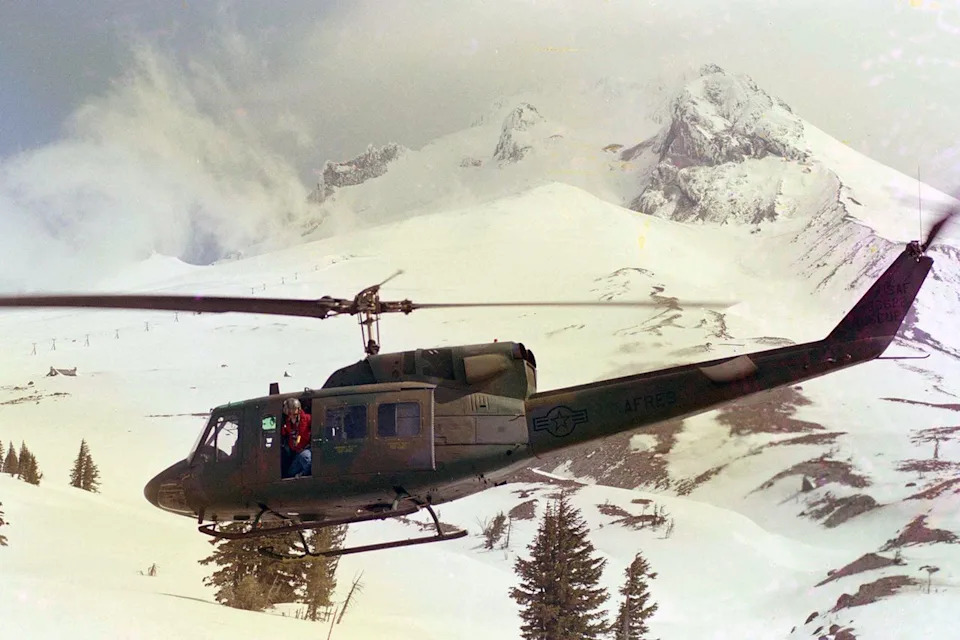
AP Photo/Jack SmithA helicopter lifts off towards Mount Hood as rescue efforts for the missing Oregon Episcopal School students and staff continues, May 15, 1986.
Victims and Survivors
In total, nine people died: seven students, one teacher (Dean of Students Marion Horwell, 39) and the school chaplain, the Reverend Thomas Goman, who had joined the climb. Students who died included Erin O'Leary, Alison Litzenberger, Eric Sandvik, Susan McClave and Patrick McGinness, and 15-year-old Tasha Amy. Student Richard Haeder and Reverend Goman were placed on heart-lung machines but later died in the hospital. The tragedy made clear how rapidly mountain conditions can become lethal.
Two survivors, Brinton Clark and Giles Thompson, later recounted their recoveries. Clark spent six weeks in the hospital, returned to school and went on to graduate from Stanford University and attend medical school. Thompson endured amputations — both legs were removed (one above the knee, one below) — and a lengthy rehabilitation. Their stories highlight both the physical cost and the long-term emotional impact of the disaster.
Questions Raised
"I am heartbroken. It could have been avoided," said Richard Haeder Sr., speaking for many families and community members who questioned the decision to proceed despite weather forecasts.
The incident prompted scrutiny of school policies, expedition planning and leadership decisions when forecasts warn of severe weather. It remains the second-deadliest alpine accident in North American history and is a sobering reminder of the risks involved in organized high-altitude outings.
Lessons
- Mandatory outdoor programs must weigh educational goals against participant safety and independent judgment.
- Organizers should have clear go/no-go criteria tied to reliable weather forecasts and contingency plans for rapid deterioration of conditions.
- Proper emergency gear and communication equipment can be lifesaving; the party lacked overnight insulating gear and experienced rapid hypothermia.
Help us improve.