The U.S. Army placed several dozen military police at Fort Bragg on standby for a possible deployment to Minneapolis amid protests after the Jan. 7 shooting death of Renee Good. About 1,500 soldiers from the 11th Airborne Division in Alaska are also on standby. Officials say such orders are routine and do not guarantee deployment, even as President Trump threatened to invoke the Insurrection Act and Minnesota Gov. Tim Walz urged restraint.
US Army Orders Military Police On Standby For Possible Minneapolis Deployment Amid Protests
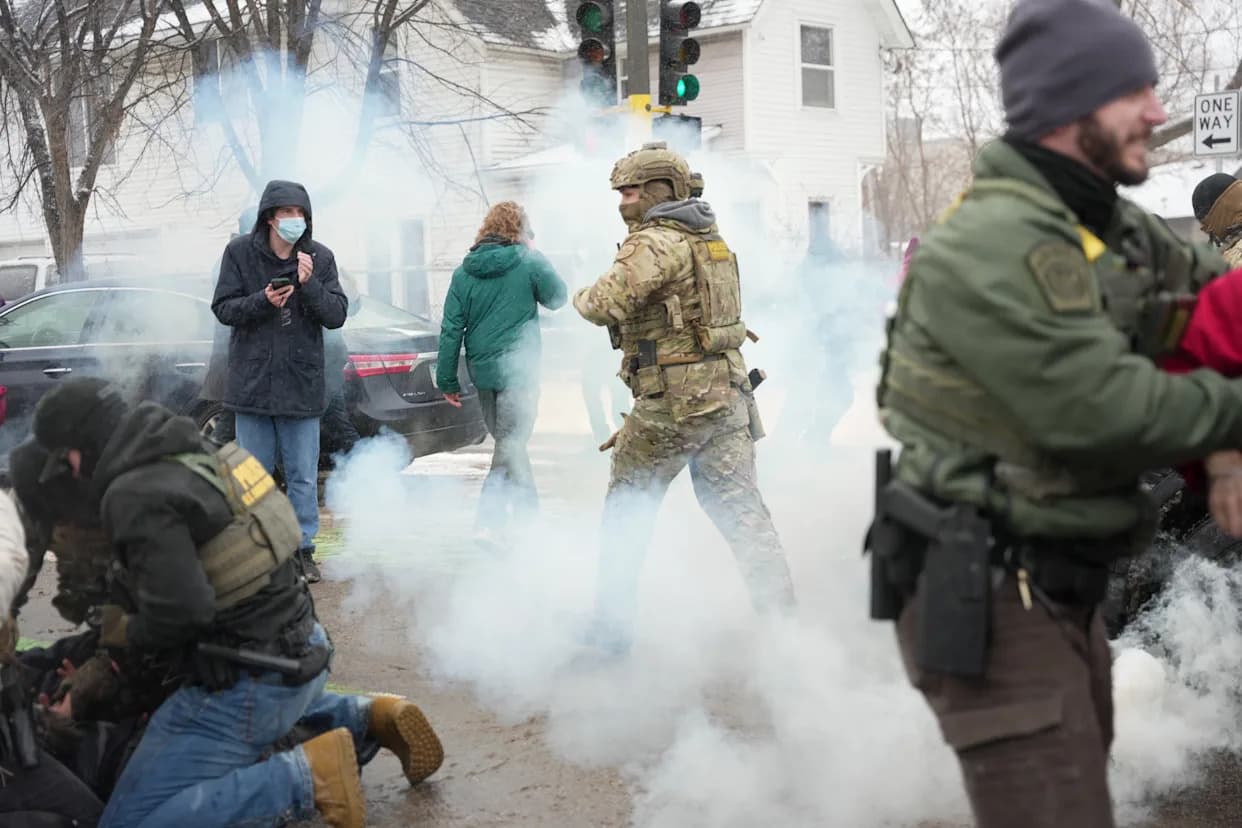
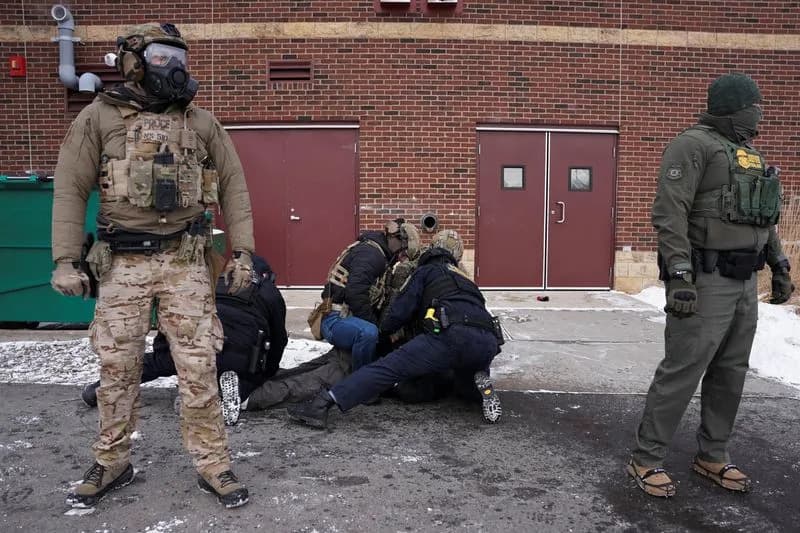
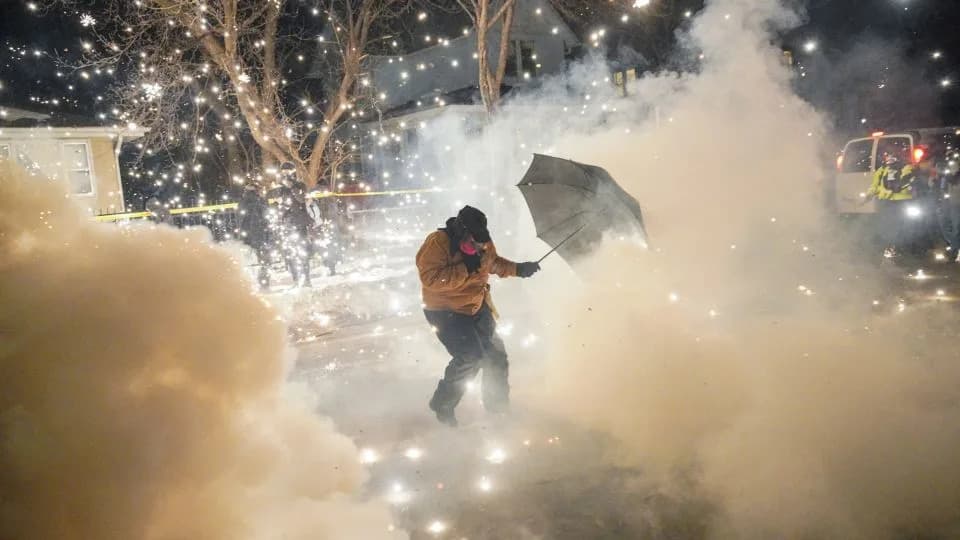
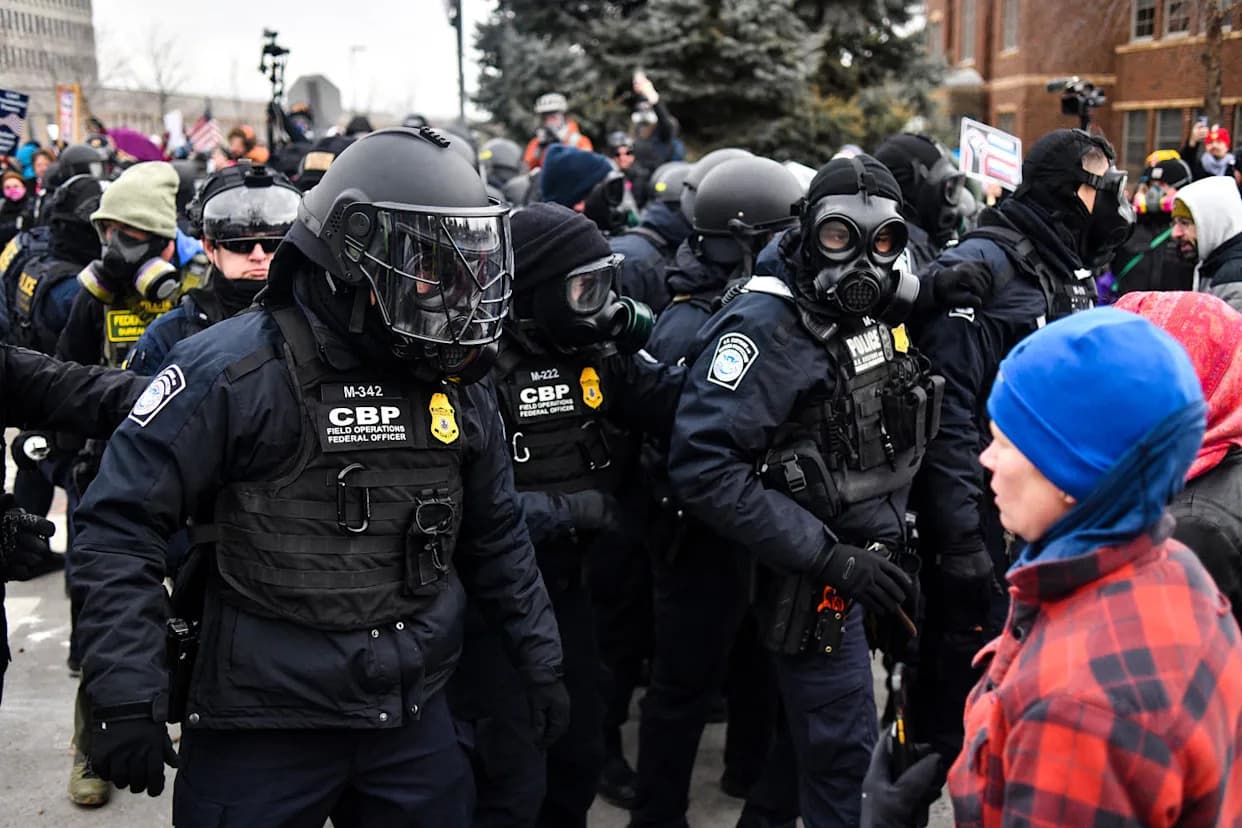
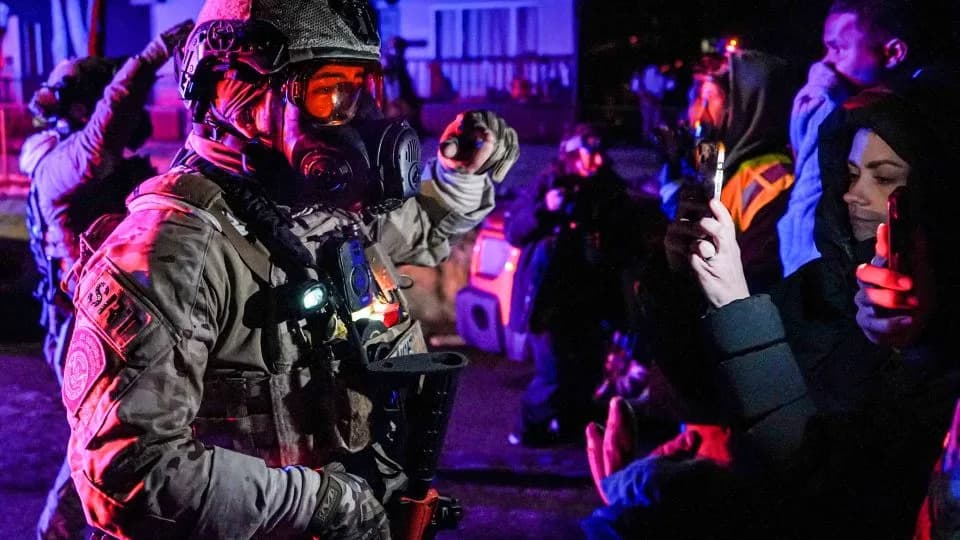
Tear gas is deployed as Federal agents make arrests on Wednesday, Jan. 21, 2026, in Minneapolis. (AP Photo/Angelina Katsanis)(ASSOCIATED PRESS)
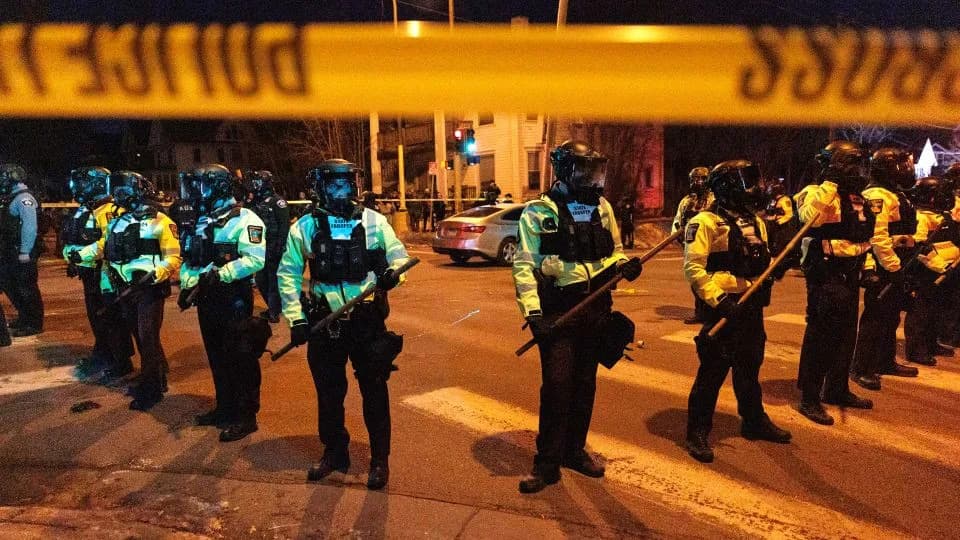
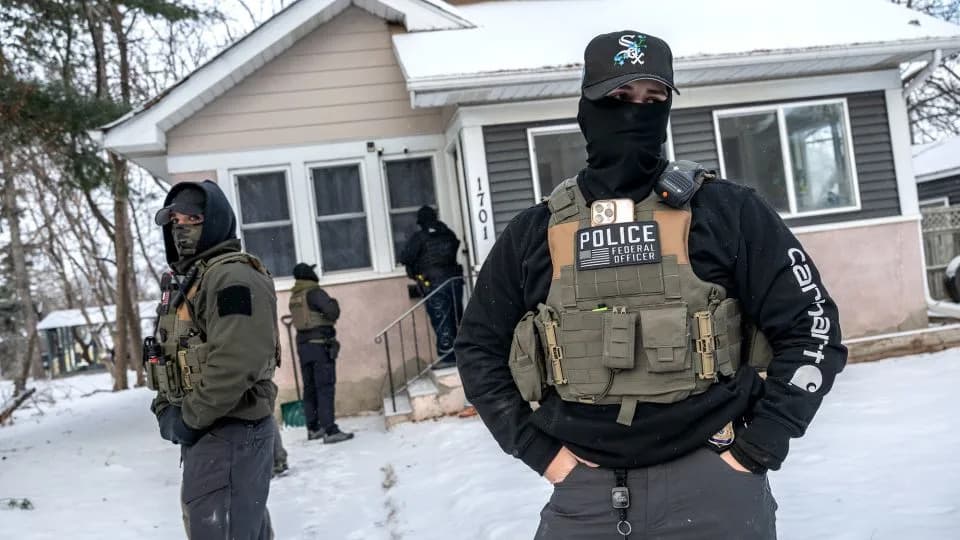
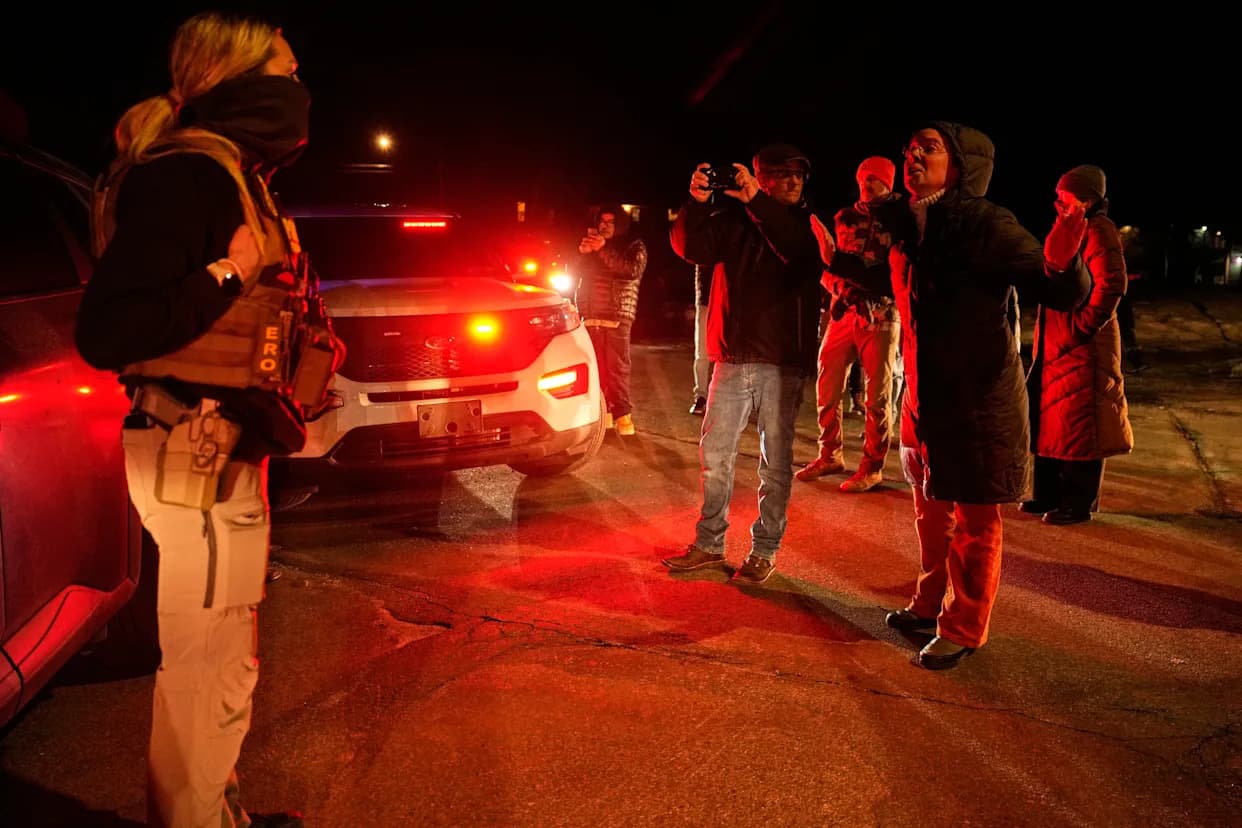
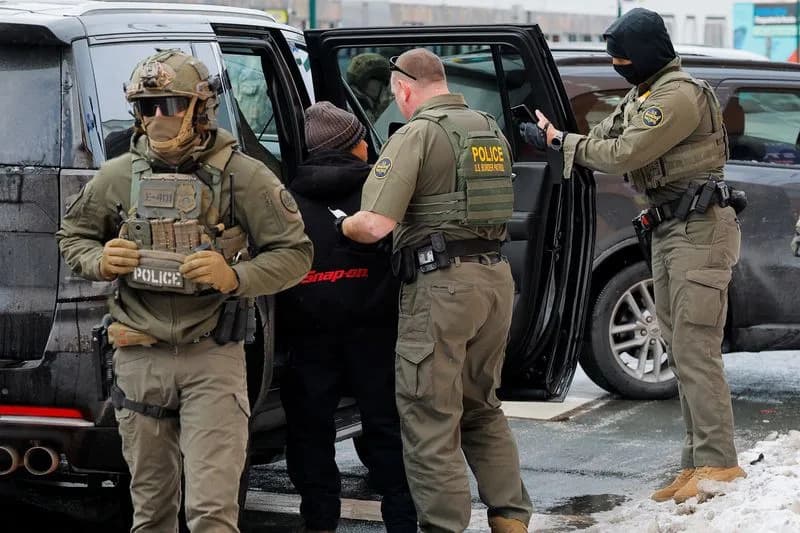
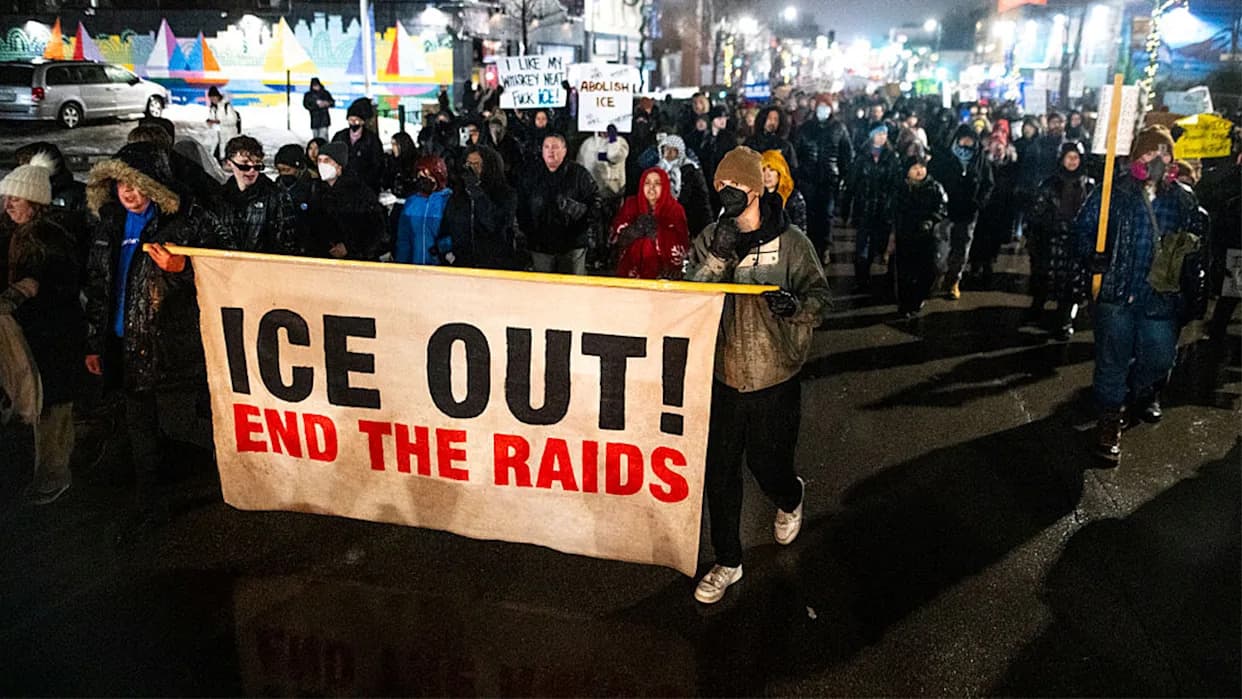
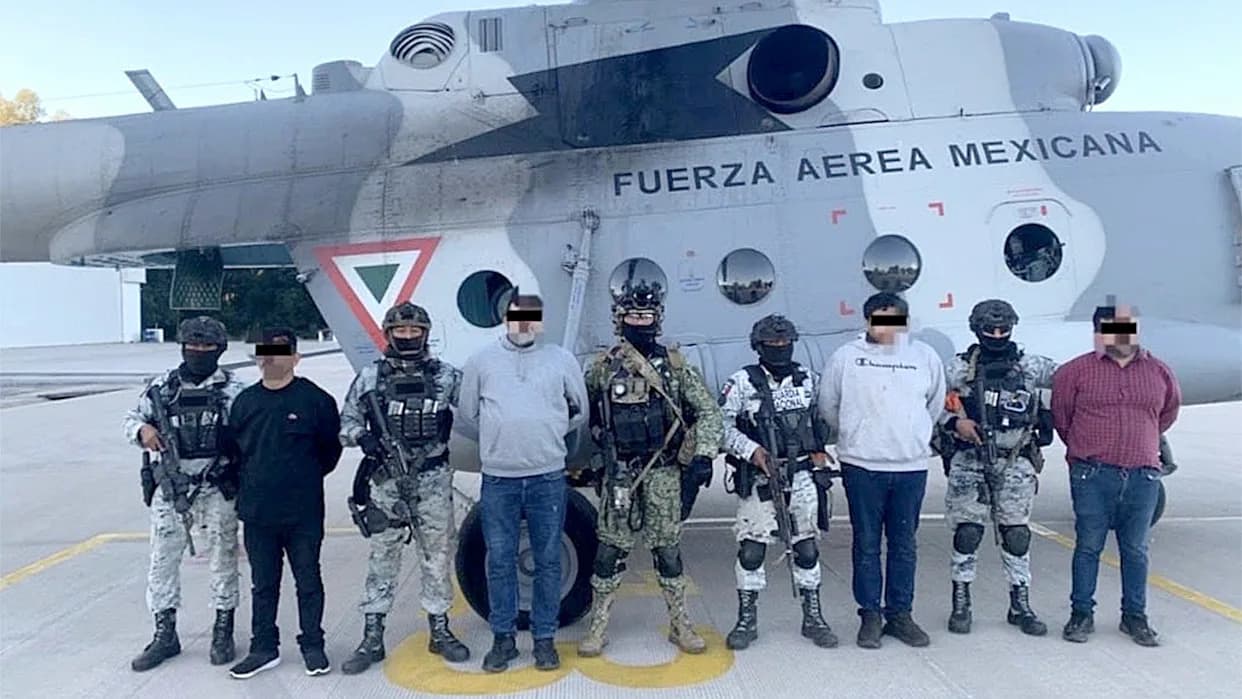
The U.S. Army has ordered several dozen additional active-duty military police stationed at Fort Bragg, N.C., to prepare for a possible deployment to Minneapolis, a defense official said Wednesday. The orders come amid protests over federal immigration enforcement following the Jan. 7 shooting death of Renee Good.
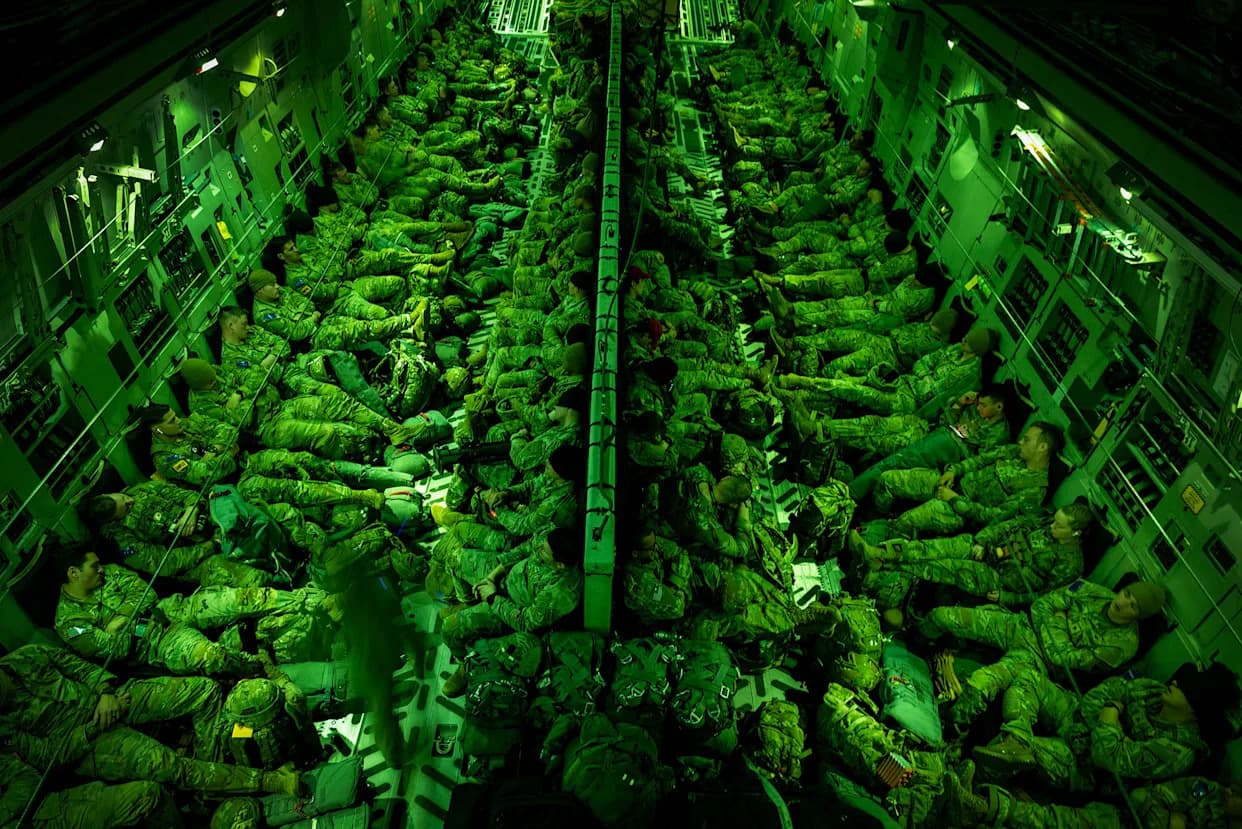
The official, who spoke on condition of anonymity because the planning is sensitive, said the soldiers were given "prepare-to-deploy" notices. If sent, they would most likely provide support to civil authorities in Minneapolis; however, the official emphasized that such standby orders are routine and do not guarantee a deployment.
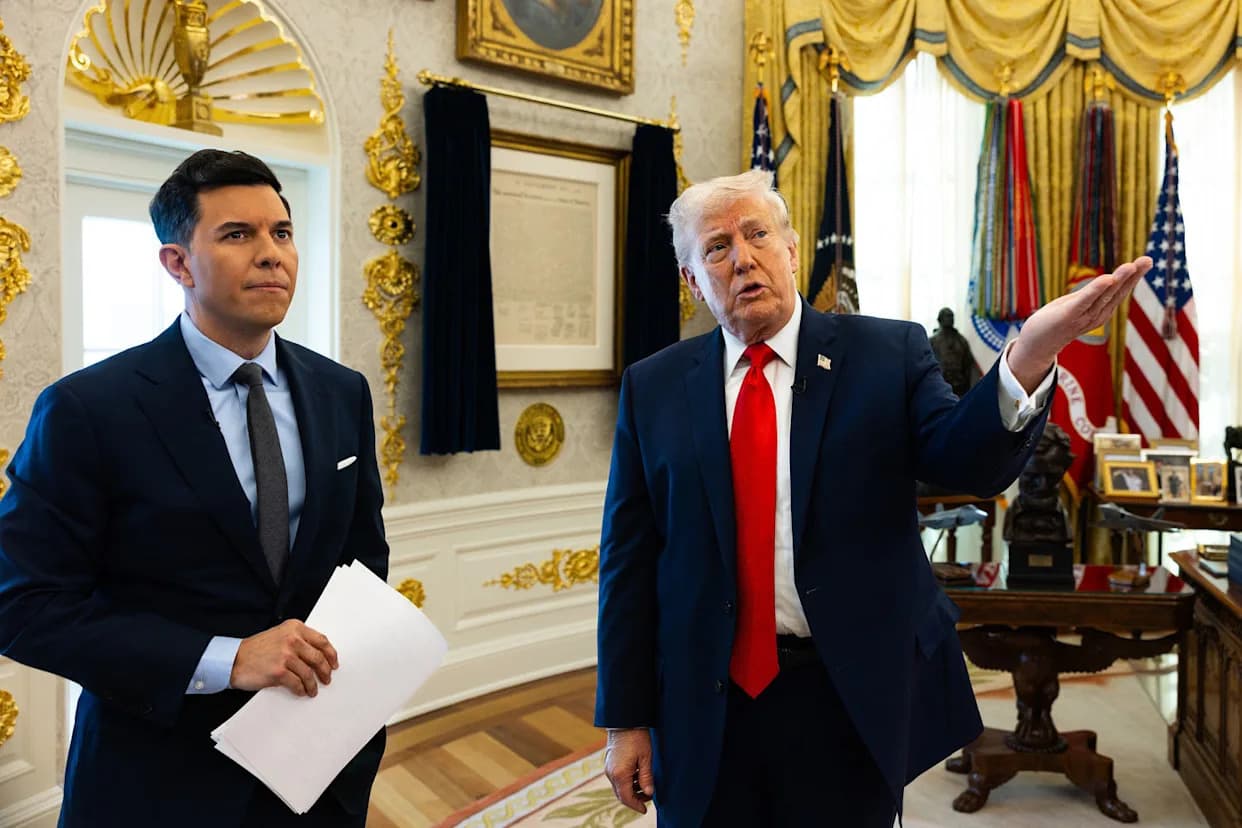
Separately, roughly 1,500 active-duty soldiers from the Army’s 11th Airborne Division in Alaska have also been placed on similar standby status. The moves come as President Donald Trump has threatened to invoke the Insurrection Act, a 19th-century law that could authorize the use of active-duty troops for domestic law-enforcement duties.
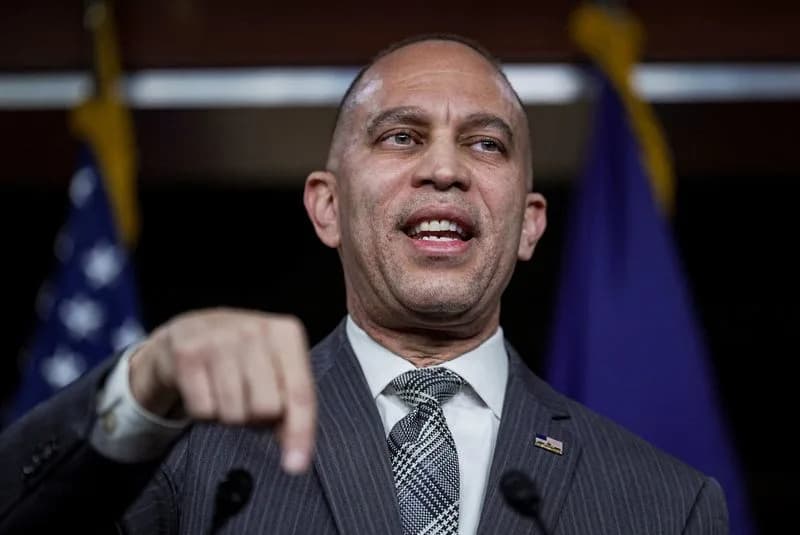
"If I needed it, I'd use it. It's very powerful," President Trump said, while later suggesting there was no immediate reason to invoke the law.
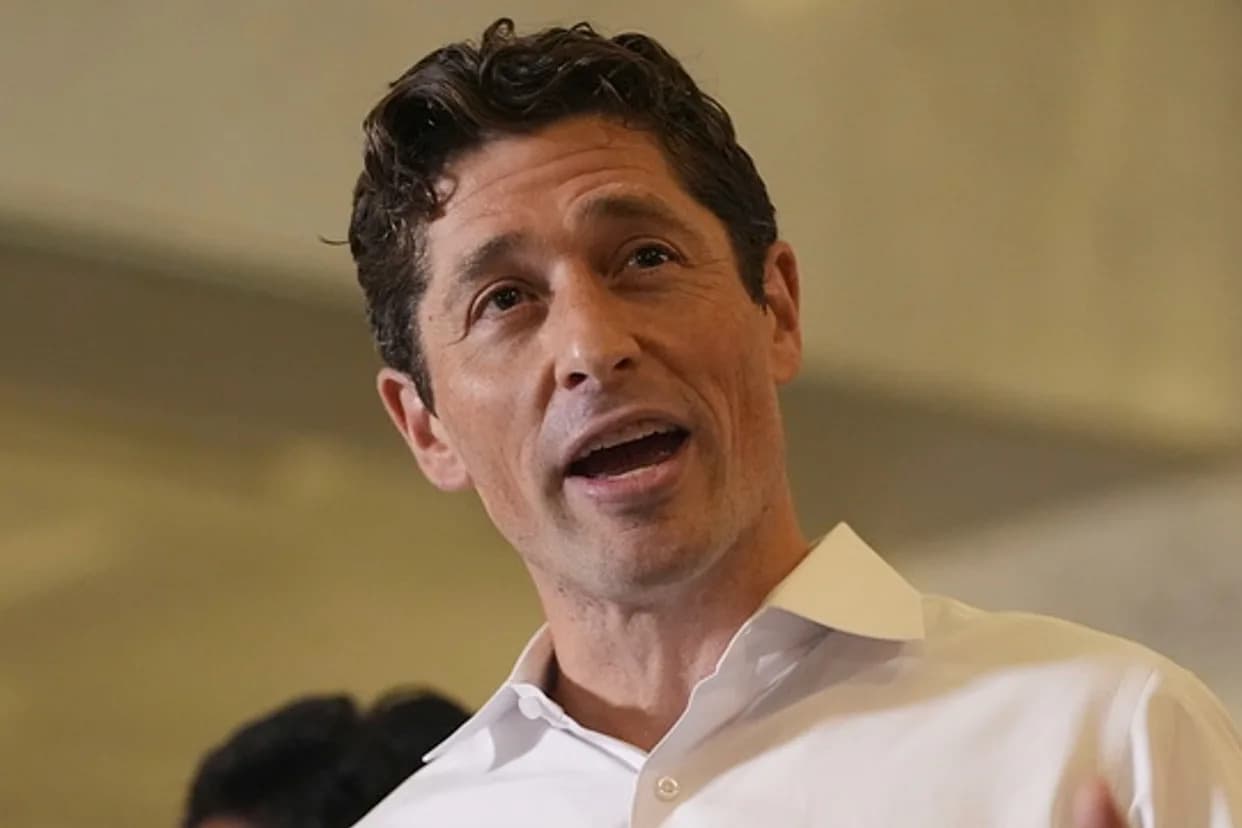
When reporters asked about the orders — first reported by MS Now — the Pentagon said it had no information to provide at this time. Minnesota Gov. Tim Walz urged the president not to send additional troops and, in a Tuesday statement, invited Trump to visit Minnesota to "help restore calm and order and reaffirm that true public safety comes from shared purpose, trust, and respect."
Context and Previous Federal Deployments
During his second term, Trump has pushed traditional boundaries by mobilizing federal forces to U.S. cities as part of operations targeting illegal immigration and crime. Last June, he federalized National Guard troops and ordered roughly 700 active-duty Marines to Los Angeles to protect federal buildings and agents during immigration enforcement operations; about 4,000 Guard members were involved. Similar federal activations in Chicago and Portland faced legal challenges, and the administration said in December it was pausing that particular push for now.
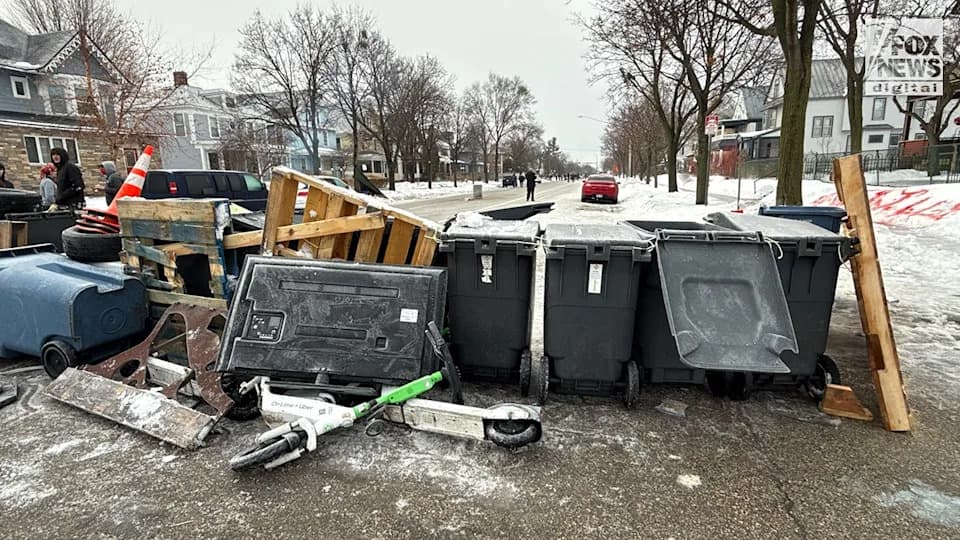
The situation in Minneapolis remains fluid. Officials say standby orders are a routine preparedness measure, but they have raised tensions between federal and state leaders over the role of active-duty troops in domestic policing.
Help us improve.