France's navy intercepted a fishing vessel near French Polynesia on Jan. 16 and seized 4.87 tons of cocaine believed to be bound for Australia. The vessel, flagged in Togo and reported to have come from Central America, carried 11 crew members — 10 Hondurans and one Ecuadorian — who will not be prosecuted by France. Officials called the haul a regional record and highlighted cooperation with the United States and Australia amid broader U.N. warnings about expanding drug trafficking across the Pacific.
French Navy Seizes Record 4.87 Tons of Cocaine From Fishing Vessel in South Pacific
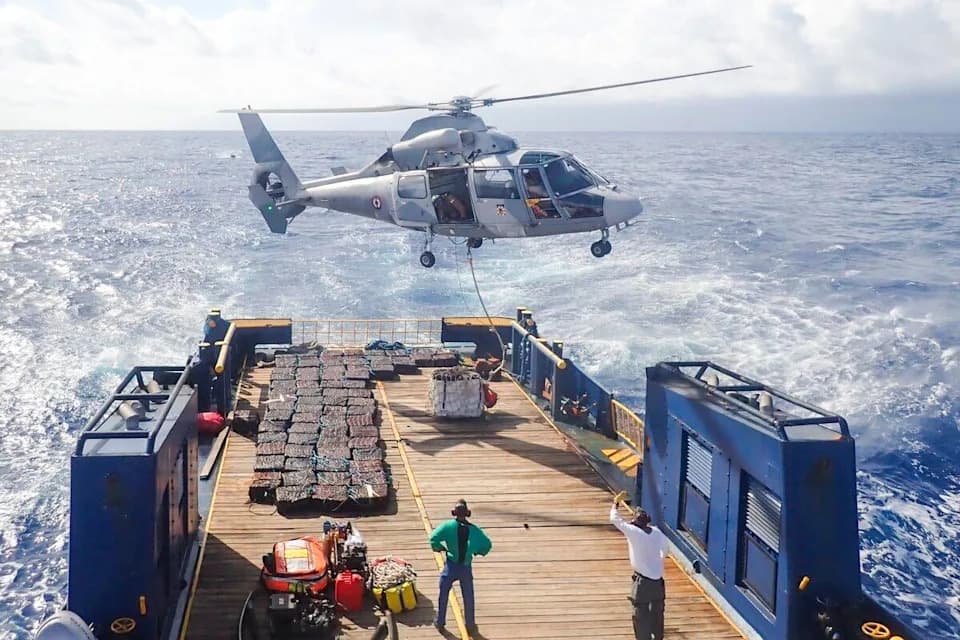
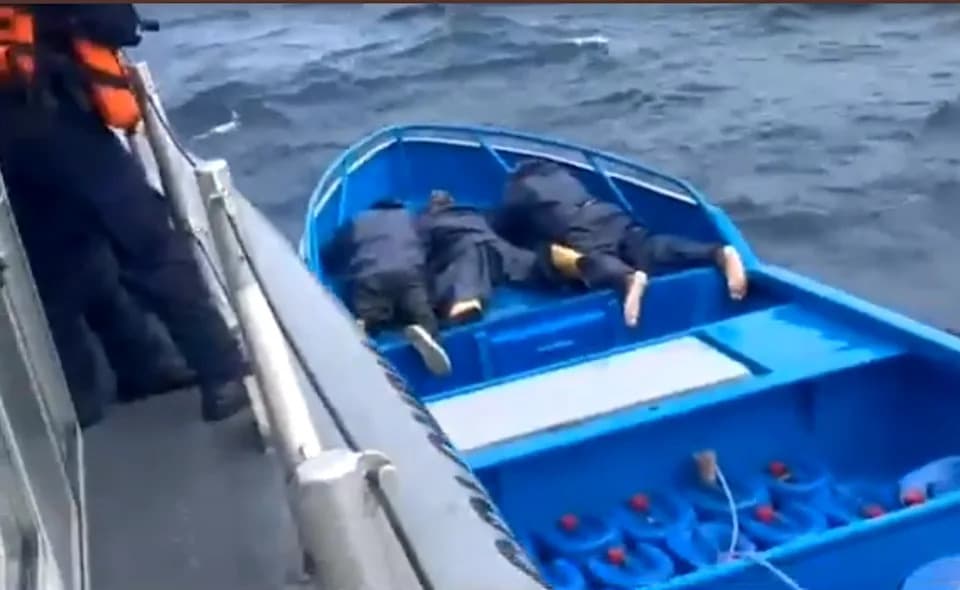
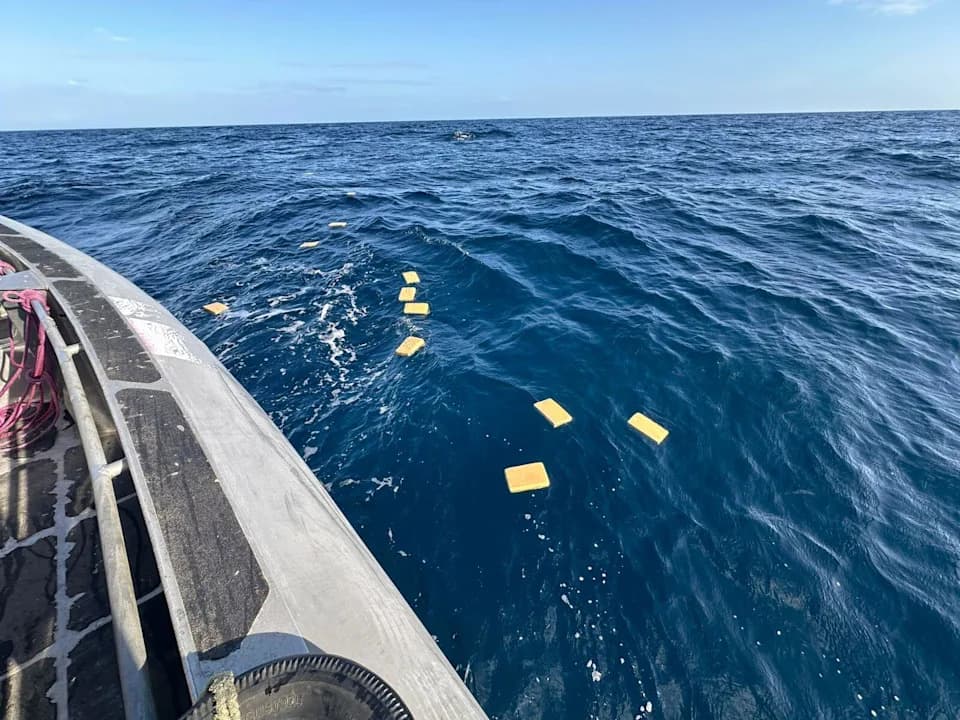
France's navy has confiscated 4.87 tons of cocaine from a fishing vessel in the South Pacific, French officials said. / Credit: France's High Commission in French Polynesia(France's High Commission in French Polynesia)
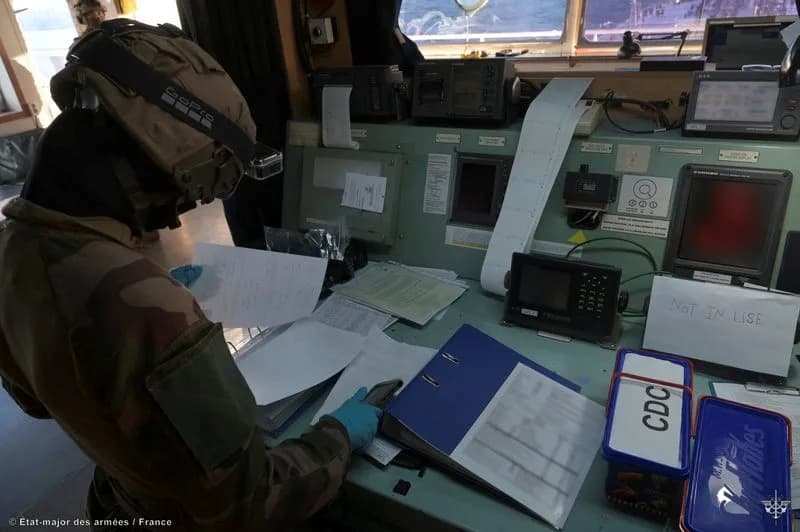
France's navy announced it intercepted a fishing vessel in the South Pacific on Jan. 16 and confiscated 4.87 tons of cocaine in what officials called a record seizure for the region.
Operation Details
The High Commission of France in French Polynesia said armed forces deployed "significant human and material resources" to carry out the operation. A source close to the investigation told authorities the vessel originated in Central America, was sailing under Togo's flag and that the shipment was believed to be destined for the Australian market.
Authorities released an image from the operation showing a military helicopter hovering above the fishing vessel while packages of contraband were displayed on the deck. The ship's crew comprised 11 people — 10 Hondurans and one Ecuadorian — who, according to the source, will not be prosecuted by French authorities; their home countries retain the option to launch legal proceedings.
"This record seizure is a successful outcome of the new territorial plan to combat narcotics," the High Commission said. "It illustrates the strategic nature of regional cooperation conducted by France with its closest partners, notably the United States and Australia, in the fight against drug trafficking."
Regional Context
The United Nations has warned that organized crime groups trafficking cocaine and methamphetamine have expanded their presence across the Pacific. Large volumes of drugs are reportedly being moved from North and South America toward markets in Australia and New Zealand.
Maritime drug seizures linked to fishing vessels have been reported worldwide in recent months. For context, last September France's navy reported seizing nearly 10 tons of cocaine from a fishing vessel off West Africa — a haul officials valued at more than $600 million. In another case, the U.S. Coast Guard said in April it seized roughly 10,000 pounds of cocaine from a fishing boat in the Atlantic. And in December 2024, Australian police seized 2.3 tons of cocaine and arrested 13 people after a suspects' fishing boat broke down off the Australian coast.
This operation underscores growing international cooperation — and the continuing challenge — of policing transnational drug trafficking by sea.
Help us improve.