Summary: ICE officers forced entry into a Saint Paul home and removed ChongLy "Scott" Thao, a 56-year-old naturalized U.S. citizen, into subfreezing weather while he wore only shorts and Crocs. Photographs of Thao wrapped in a blanket circulated widely, prompting criticism and a family statement calling the action "unnecessary, degrading, and deeply traumatizing." DHS said agents were searching for two convicted sex offenders and detained a resident who refused fingerprinting; a federal judge has recently limited some aggressive crowd-control tactics, and the government is appealing.
ICE Raid in Saint Paul: Agents Drag Barely Clothed U.S. Citizen Into Snow, Family Calls Action 'Degrading'
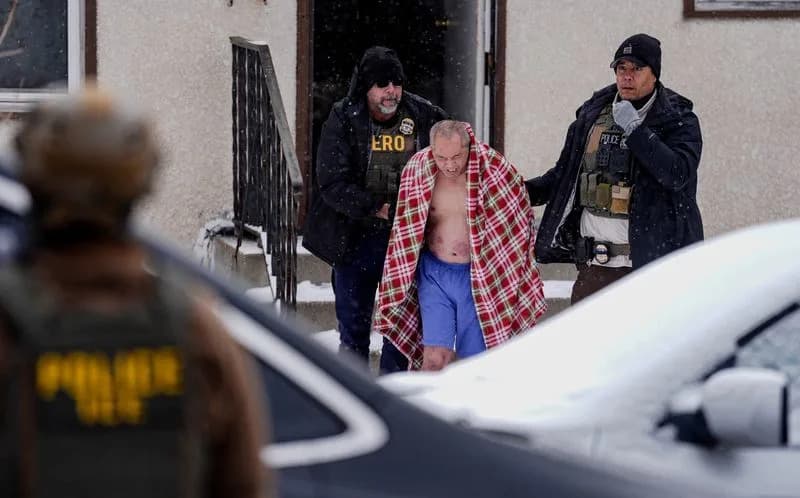
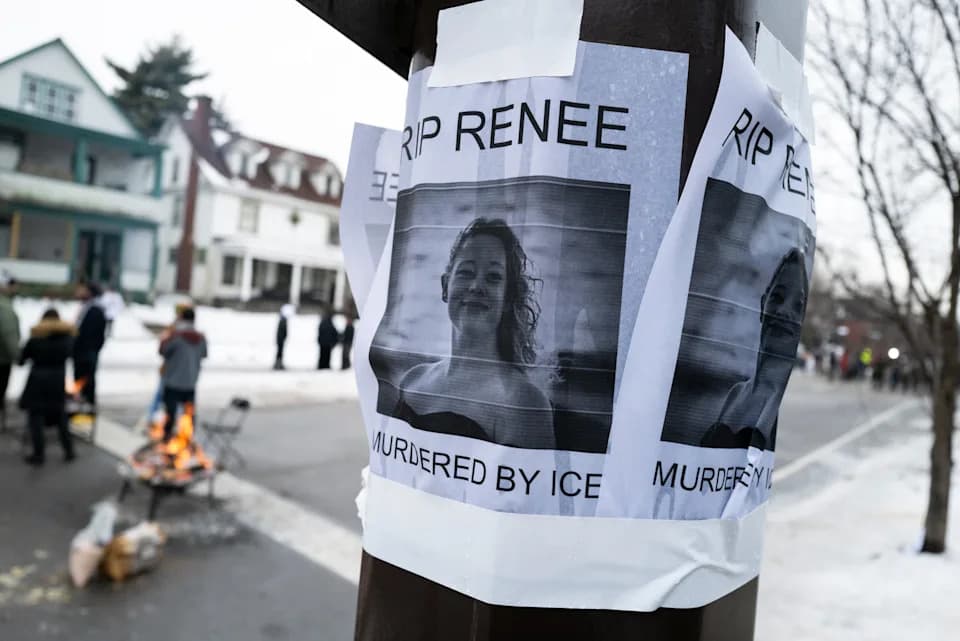
A man, whose family requested a Hmong interpreter, is detained after ICE agents and other law enforcement officers conducted an immigration raid at his home, days after an ICE agent fatally shot Renee Nicole Good, in St. Paul, Minnesota, U.S., January 18, 2026. REUTERS/Leah Millis TPX IMAGES OF THE DAY
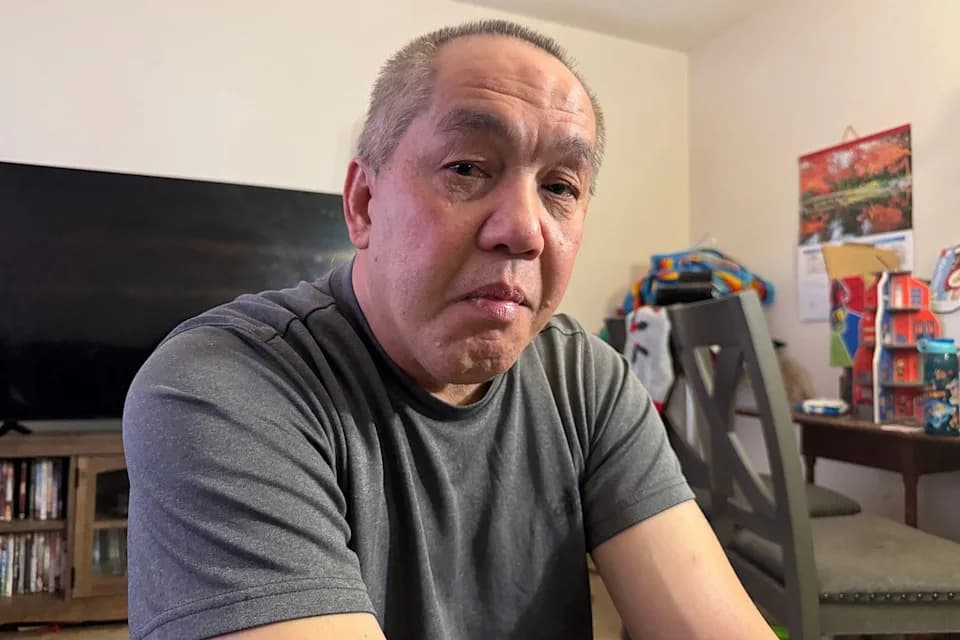
A Minnesota man said he felt fear, shame and desperation after Immigration and Customs Enforcement (ICE) officers forced their way into his Saint Paul home with guns drawn, handcuffed him and dragged him into the snow while he wore only shorts and Crocs. Photographs of the incident circulated on social media and prompted public concern over aggressive immigration enforcement tactics.
Who Was Involved
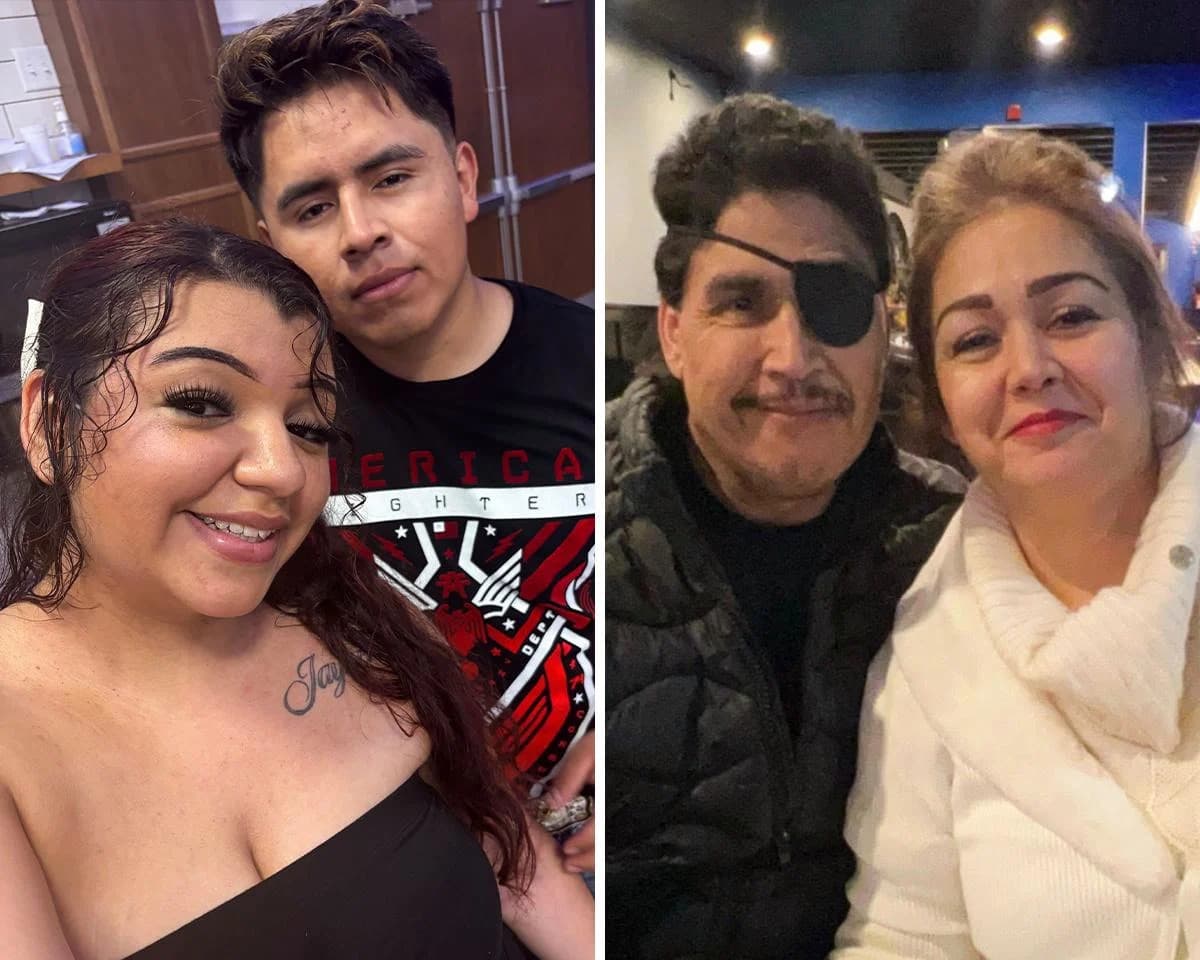
ChongLy "Scott" Thao, 56, a naturalized U.S. citizen of Hmong heritage who was born in Laos and brought to the United States in 1974, said officers returned him to his home late Sunday without explanation or apology. Thao said he became a citizen in 1991 and feared being deported to Laos, where he has no relatives.
What Happened
Thao told Reuters he was singing karaoke when a loud crash at the front door prompted him and other family members to hide in a bedroom. Federal agents found him there. He said he was searching for identification when officers escorted him out; he was wearing only boxer shorts and Crocs and told reporters agents would not let him put on more clothing. He used a blanket that his four-year-old grandson had been sleeping with to cover his torso while being photographed and moved outside into 14°F (−10°C) weather.
"I was praying. I was like, God, please help me, I didn't do anything wrong. Why do they do this to me? Without my clothes on," Thao said.
Officials' Explanation and Context
The Department of Homeland Security (DHS) said its officers were investigating two convicted sex offenders who were associated with the address. DHS said a U.S. citizen living at the home refused to be fingerprinted or photographed for identification, and for safety reasons the individual was detained while officers conducted the operation.
"He matched the description of the targets. As with any law enforcement agency, it is standard protocol to hold all individuals in a house of an operation for safety of the public and law enforcement," DHS spokeswoman Tricia McLaughlin said.
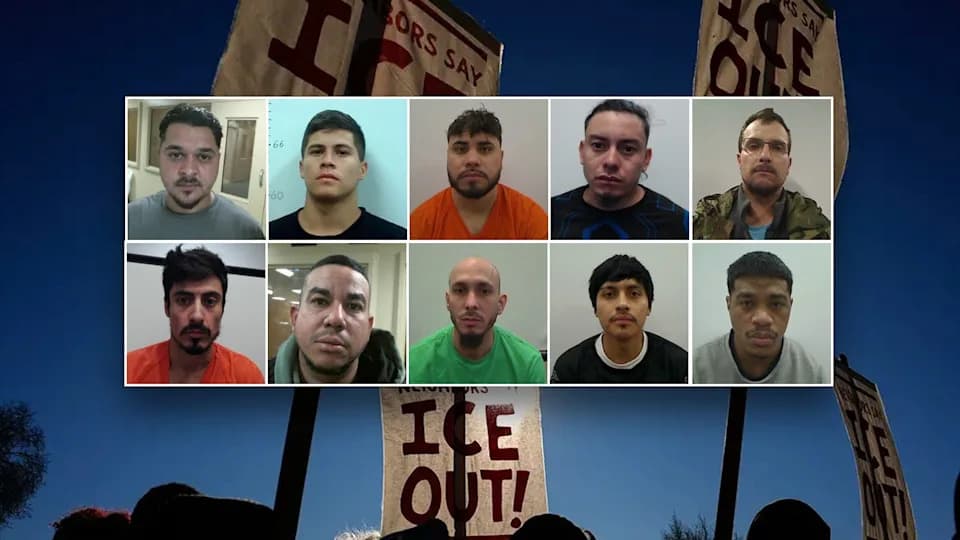
DHS also posted wanted notices for two men described as "criminal illegal aliens" from Laos who are subject to deportation orders; relatives said one of those men had previously lived at the house and is the ex-husband of a Thao family member.
Public Reaction and Legal Limits
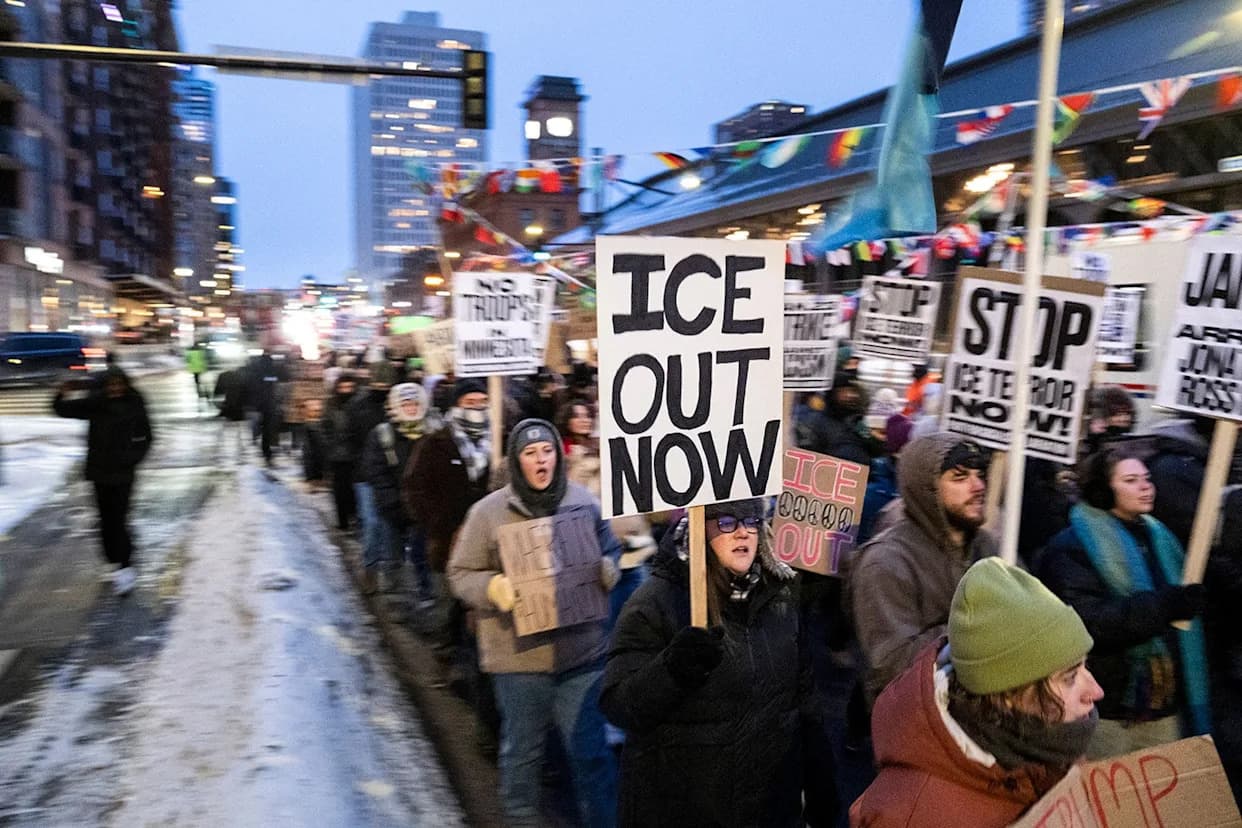
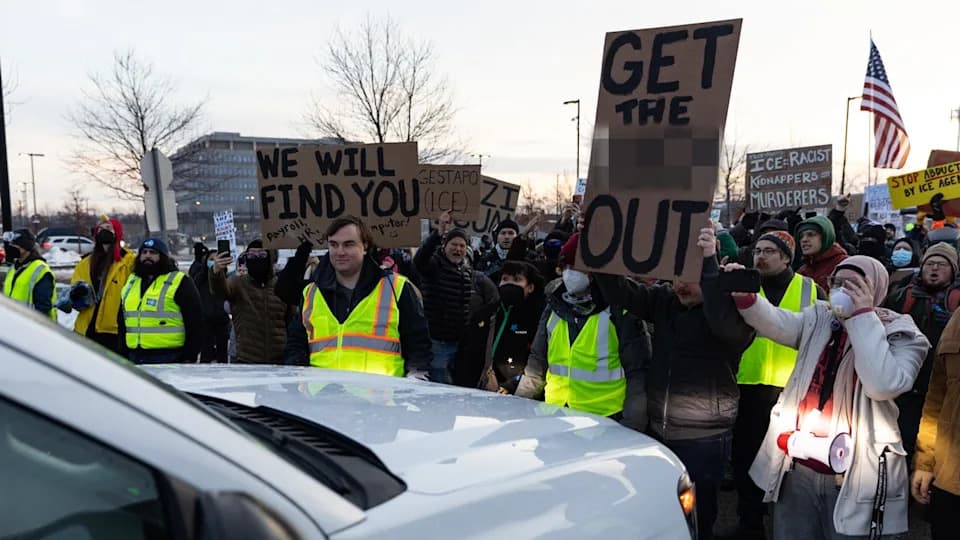
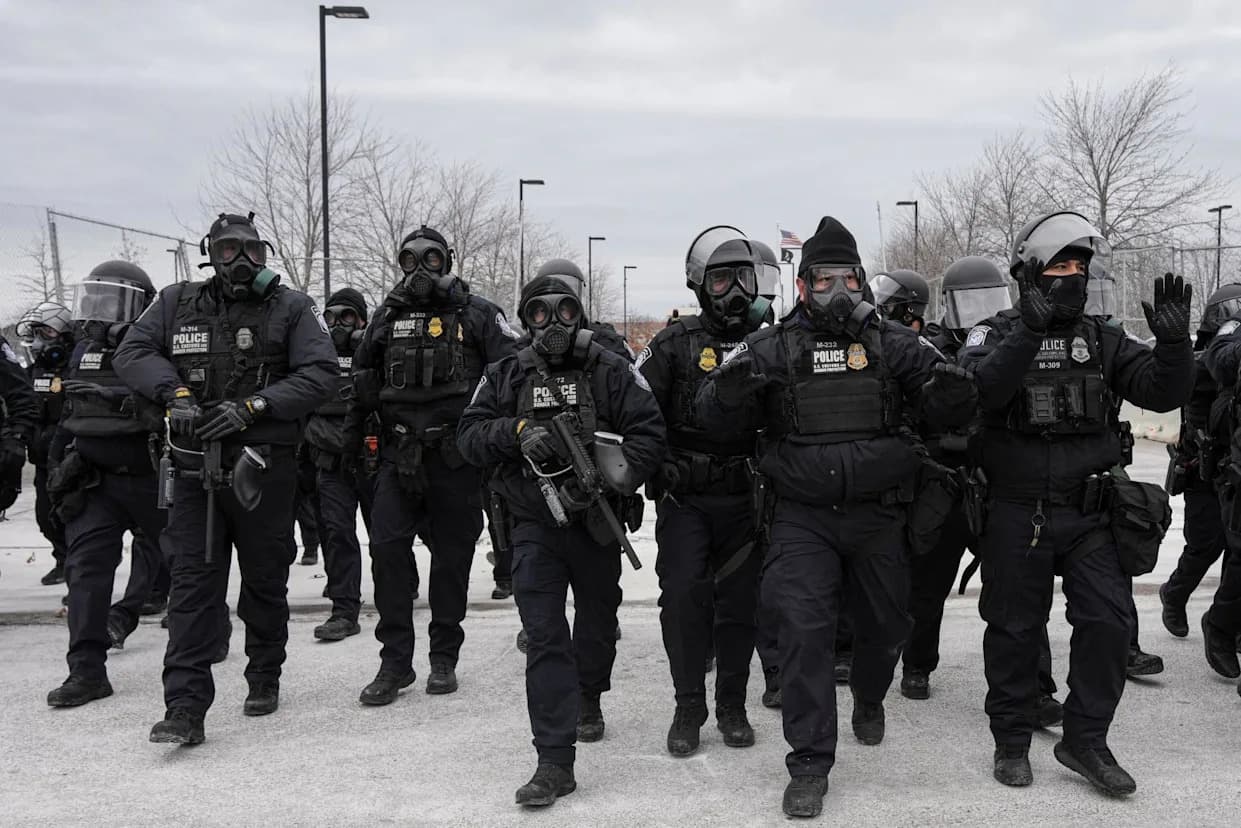
Photographs taken by a Reuters photographer and bystanders showing Thao barely clothed and wrapped in a blanket spread on social media, intensifying criticism that federal law enforcement had overstepped. The Thao family called the raid "unnecessary, degrading, and deeply traumatizing." The wider action comes amid an uptick in immigration enforcement in the Minneapolis area, where roughly 3,000 officers have been deployed.
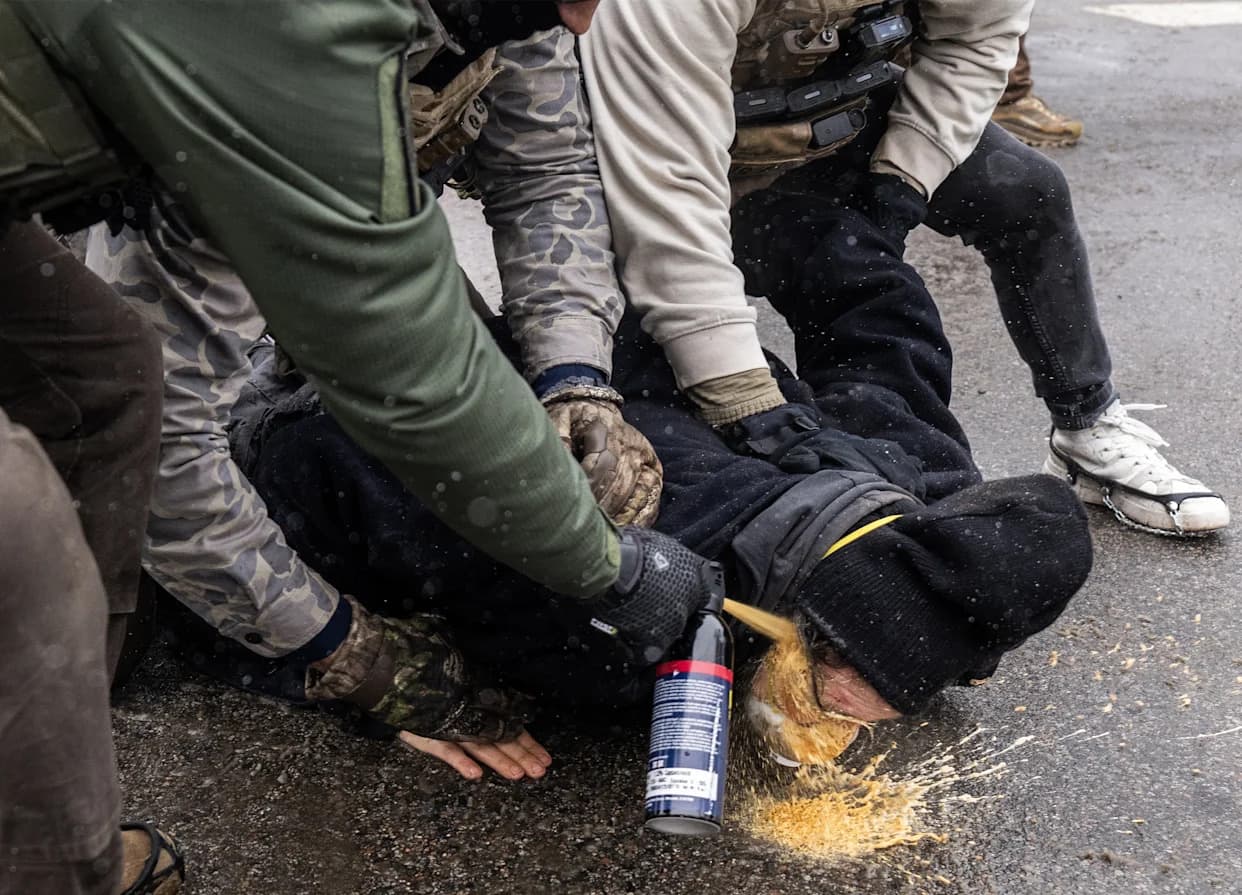
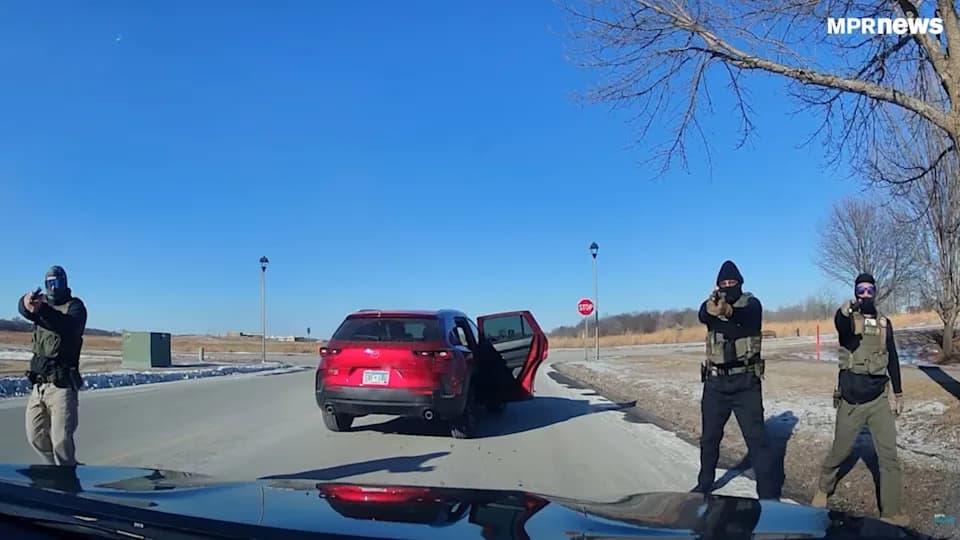
Last Friday, a U.S. District Judge in Minnesota issued an injunction restricting certain aggressive crowd-control tactics by federal authorities, warning some tactics could "chill" constitutionally protected protest. The injunction bars conduct such as drawing and pointing weapons, use of pepper spray and other non-lethal munitions, and the detention of protesters and observers; the administration is appealing the order.
Aftermath
Thao said officers took his fingerprints and a headshot in a vehicle before returning him to his home. Neighbors were repairing the damaged door and the family is left seeking answers and an apology. The incident has prompted calls for clarity on enforcement protocols when U.S. citizens are present at targeted operations.
Reporting by Maria Alejandra Cardona in Saint Paul; writing by Daniel Trotta; editing by Michael Perry.
Help us improve.