
Between 1982 and 1985, a masked trio called the Brabant Killers murdered 28 people in a series of supermarket and business attacks across Belgium’s Brabant region. Decades of forensic work—including thousands of leads, hundreds of fingerprint and DNA comparisons, and more than 40 exhumations—produced no convictions. Despite a 2017 alleged confession and a 2020 photograph described as a "vital lead," prosecutors closed the probe in June 2024; relatives and an appeals court have pushed for further testimony.
Brabant Killers: Masked Trio Who Killed 28 in 1982–85 Supermarket Massacres — Probe Closed in 2024, Families Demand Answers

FILES/BELGA MAG/AFP via Getty
Between 1982 and 1985 a violent trio nicknamed the "Brabant Killers" carried out a string of robberies and massacres across Belgium’s Brabant region that left 28 people dead, including children. The assailants, who often wore face paint and masks, struck supermarkets and other businesses in two main waves and earned investigative nicknames such as the Giant, the Killer and the Old Man. Decades of investigation produced intermittent leads but no convictions; prosecutors announced in June 2024 that the formal probe would be closed, prompting outrage from victims’ families and renewed legal action.
What Happened
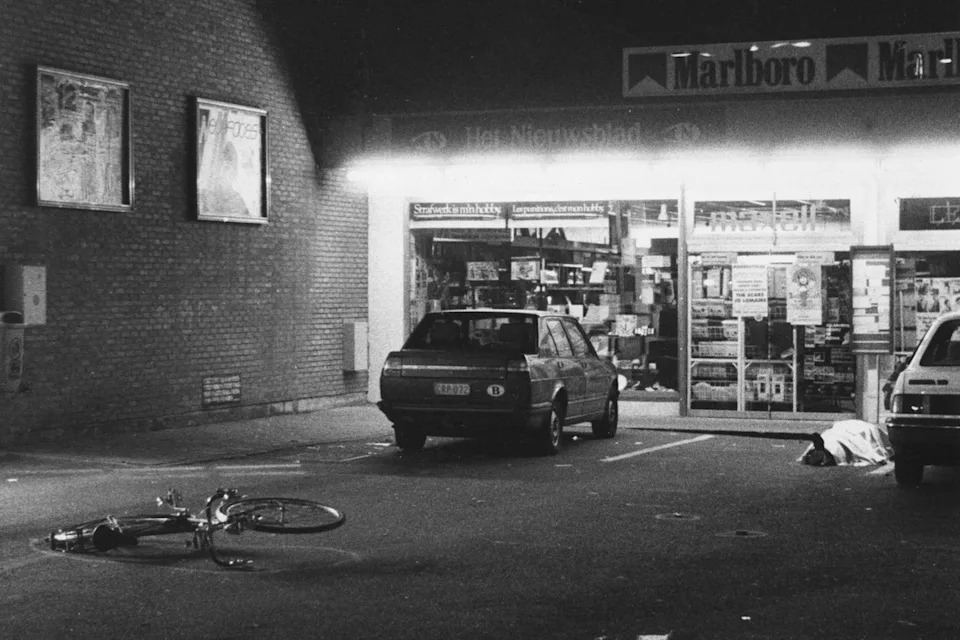
The gang targeted supermarkets, hostels, a gunsmith’s shop, a bar and a restaurant. Some victims were reportedly tortured before being killed. One of the deadliest incidents occurred on Nov. 9, 1985, when eight people were murdered during an attack on a Delhaize supermarket in Aalst.
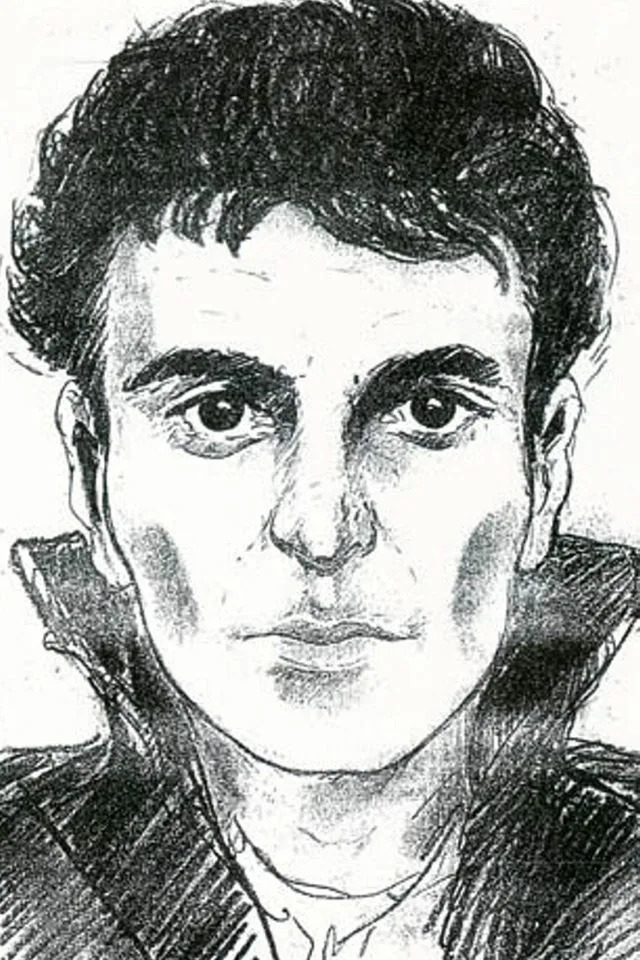
BELGA/AFP via GettyPolice sketch released on June 2, 2010, showing a portrait of one of the alleged "Brabant killers"
Survivors and Eyewitnesses
Survivors include David Van de Steen, who was severely wounded at age 9 in the Aalst attack and lost both parents and a sister. Van de Steen later recalled his sister shouting, "Don't shoot, that's my dad!" before their father was killed.
Another rare eyewitness, Geneviève Van Lidth, said she saw one attacker unmasked in 1983 when her car was stolen at gunpoint near her home in Plancenoit. She described the man as appearing of southern European origin, with short, curly black hair and fluent French; she later said she was "99% sure" she recognized him from a photograph. Investigators linked a Peugeot 504 to one of the attacks after it was reported following her abduction.
NICOLAS MAETERLINCK/BELGA MAG/AFP via Getty
Investigations and Leads
Authorities reviewed thousands of items of information over decades. Prosecutors later summarized that investigators had checked 1,815 leads, examined 2,748 sets of fingerprints, compared 593 DNA samples and exhumed more than 40 bodies — yet no one was convicted. The total estimated haul from the robberies was modest, at about €175,000.
Notable developments included a 2017 disclosure — reported in the press — that someone connected to a former policeman had claimed responsibility for the role known as the "Giant," and a 2020 police release of a photograph showing an unidentified man holding a shotgun in woodland that investigators called a "vital lead." In 2019 a retired police officer was charged over allegations he dumped weapons and ammunition tied to the case in 1986; he was not convicted.
HERWIG VERGULT/BELGA MAG/AFP via Getty
"This means the case is now buried and it makes me very sad," said Irena Palsterman, whose father was among the casualties of the Aalst attack, after prosecutors announced the 2024 closure.
Closure, Appeals And Ongoing Efforts
In June 2024 Belgian federal prosecutors told families that "all possible investigative actions have been carried out" and announced the investigation would be closed after more than 40 years. Families and lawyers responded with dismay and vowed to continue seeking answers. An appeals court in Mons ordered investigators to hear two additional witnesses, including two brothers who as children had recorded a fleeing car's registration number after the Aalst attack but were not questioned at the time.
Victims' representatives say they will press on. "We don't want to give up," said Kristiaan Vandenbussche, a lawyer for the families.
Why the Case Still Matters
The Brabant Killers case remains one of the most notorious unsolved crime sprees in modern European history. It raises questions about investigative practices of the past, possible links between extremists and elements of law enforcement, and the long-lasting trauma suffered by survivors and families. With legal avenues still being pursued, relatives continue to demand transparency and justice even after four decades.


