Thousands of Malians have fled to a makeshift camp in Douankara, Mauritania, after intensified fighting with militants linked to al-Qaida. Refugees report alleged atrocities by a Russian unit called Africa Corps, which replaced Wagner roughly six months ago, while aid workers say Mali’s army and insurgents also commit abuses. Restricted access to Mali limits external verification of many reported atrocities, and survivors recount rape, killings and the loss of livestock and livelihoods.
Photo Essay: Thousands Flee Mali as Sahel Becomes World's Deadliest Region for Extremist Violence

Moyme, who fled Mali in fear of the Malian Army and its Russian allies, poses for a portrait in the Mbera camp, Mauritania, where she found refuge, Nov. 4, 2025. (AP Photo/Caitlin Kelly)(ASSOCIATED PRESS)
DOUANKARA, Mauritania — In a windswept makeshift settlement on the Mauritanian edge of the Sahel, thousands of people who recently fled Mali now live under strips of fabric and improvised shelters after intense fighting with militants linked to al-Qaida.
Strips of cloth tied across wooden poles serve as living spaces, and tree limbs have been repurposed as shelving. Many families arrived without their livestock, the mainstay of their livelihoods, and face minimal protection from the Sahel’s punishing heat and wind. Despite those hardships, refugees say the camp feels safer than remaining inside Mali.
Caught Between Fighters
The Associated Press obtained rare access to the border zone, where refugees say they were trapped between opposing forces in what the Global Terrorism Index identifies as the world’s deadliest region for extremist violence.
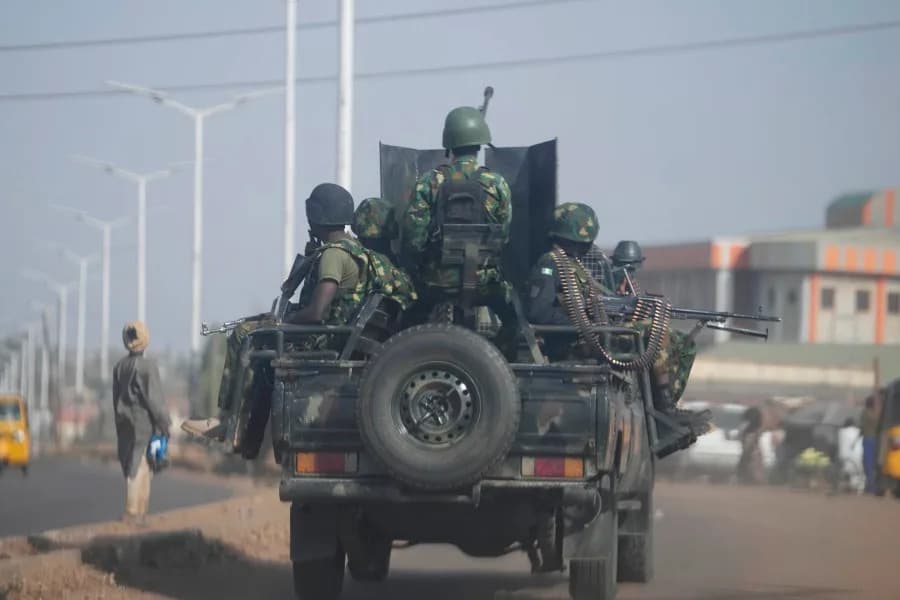
Some refugees described alleged atrocities by the newest force operating in Mali: a Russian military unit called Africa Corps that replaced the Wagner mercenary group about six months ago. Witnesses recounted beheadings, burnings and other violent acts they attributed to the unit, which they say now operates under Moscow’s direct command. Russia’s Defense Ministry did not respond to questions from the Associated Press.
But danger to civilians is not limited to Africa Corps. Aid workers, analysts and refugees report that Mali’s army and a range of militant groups have also committed abuses. As access to the country becomes increasingly restricted for journalists and human-rights monitors, much of this violence goes undocumented.
Human Stories
In a clinic near the border, relatives of a 14-year-old girl said she was raped by men they described as “white men” during an assault that left her close to death and too traumatized to recall the attack. They spoke on condition of anonymity for fear of reprisals.
“What happened next stays between God and me,”
In another tent, a woman clutched a photograph of her 18-year-old daughter, who suffered a seizure at the sound of gunfire during an attack that killed villagers and sent families fleeing. The mother later found her son shot dead; her daughter died while they fled toward Mauritania. The photograph is all that remains.
This documentary photo story was curated by AP photo editors and documents the human toll of the widening conflict on civilians forced to flee Mali.
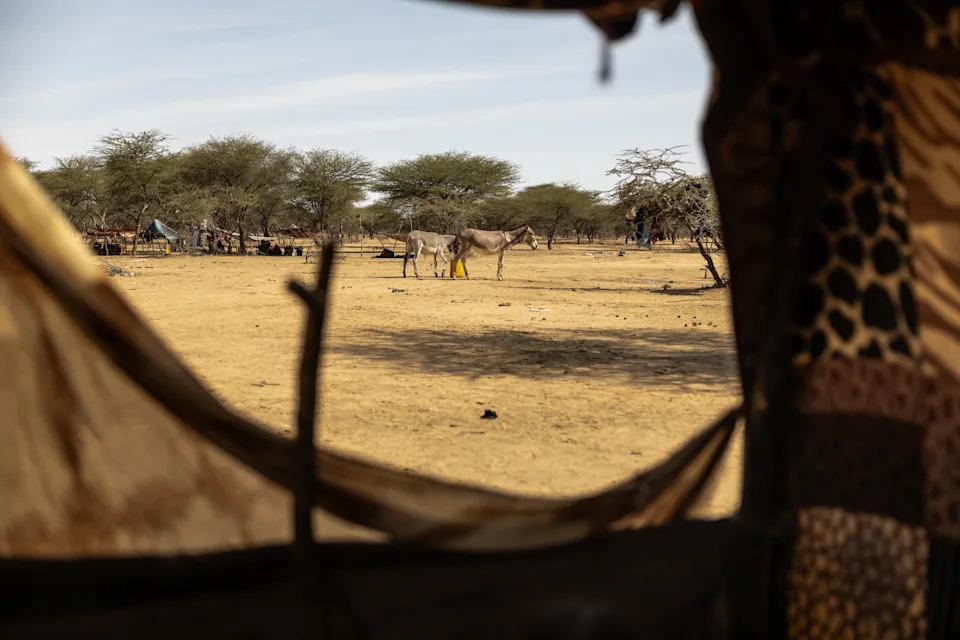
Donkeys walk past a tent occupied by two women who were attacked and assaulted by Africa Corps in Mali in Douankara, Hodh El Chargui Region, Mauritania, Nov. 6, 2025. (AP Photo/Caitlin Kelly)(ASSOCIATED PRESS)
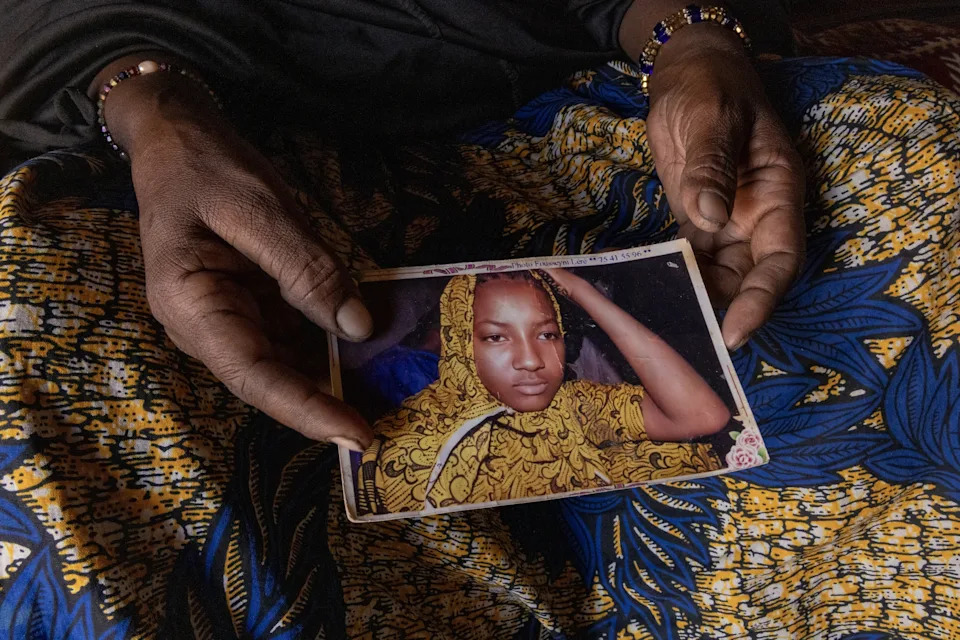
Fatma holds a photo of her daughter, who died when they fled their village, in Mali in Douankara, Hodh El Chargui Region, Mauritania where they found refuge, Nov. 6, 2025. (AP Photo/Caitlin Kelly)(ASSOCIATED PRESS)
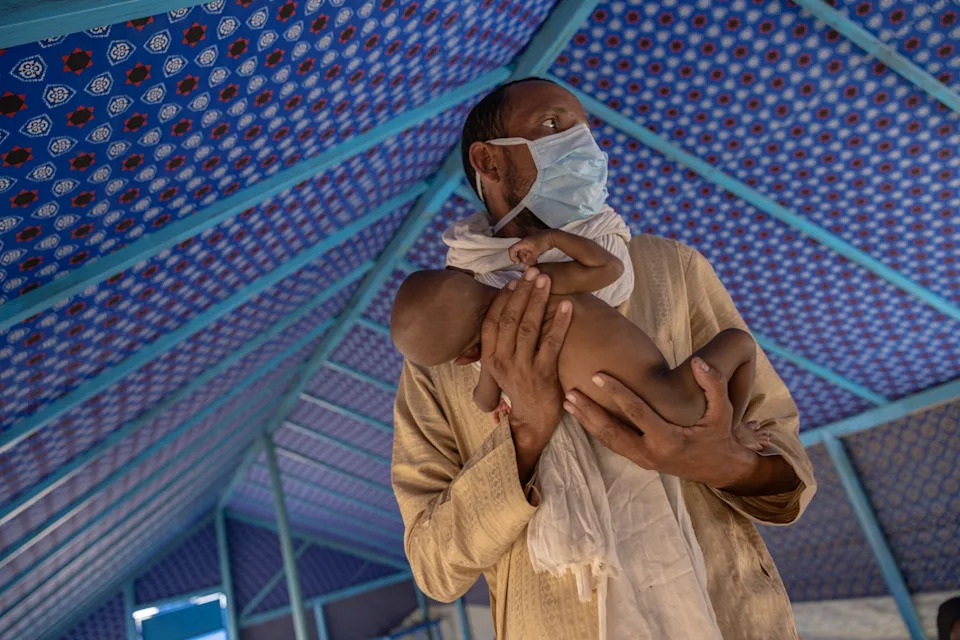
Nurse Mohamed Ag Tidaba holds a malnourished baby from Mali at the health clinic in Douankara, Hodh El Chargui Region, Mauritania, Nov. 7, 2025. (AP Photo/Caitlin Kelly)(ASSOCIATED PRESS)
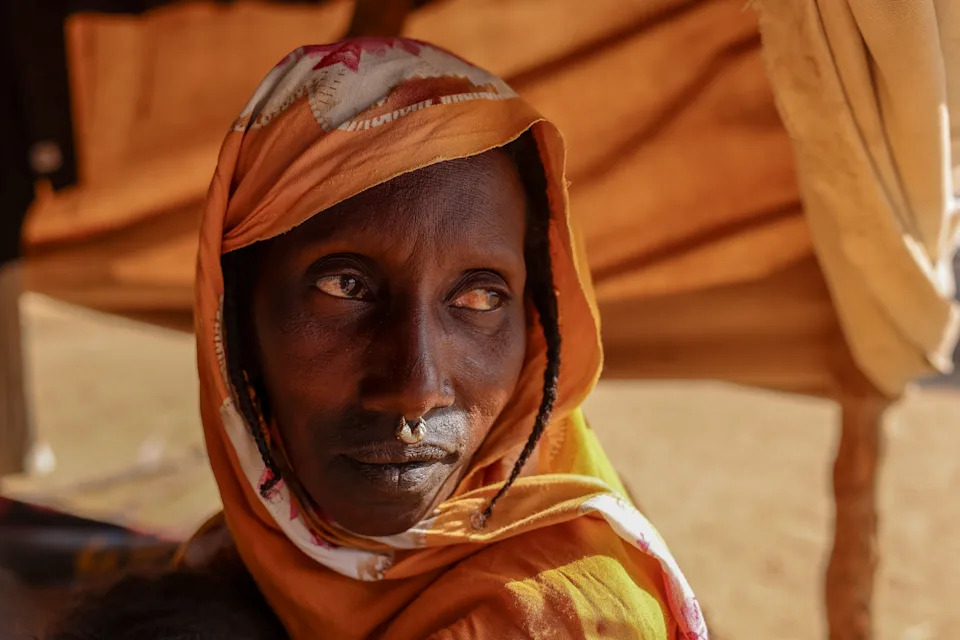
A Fulani woman who fled violence in Mali and found refuge in Fassala, Hodh El Chargui Region, Mauritania, sits in the camp, Nov. 9, 2025. (AP Photo/Caitlin Kelly)(ASSOCIATED PRESS)
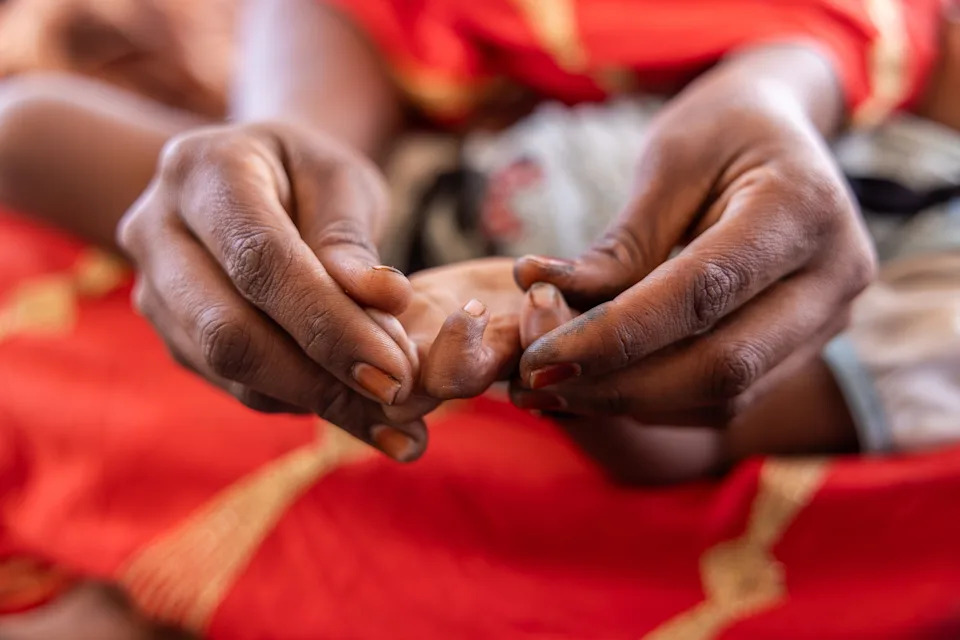
A mother holds the hand of her daughter, which has not unclenched in the eight months since fleeing mercenaries in Mali and finding refuge in Douankara, Hodh El Chargui Region, Mauritania, Nov. 8, 2025. (AP Photo/Caitlin Kelly)(ASSOCIATED PRESS)
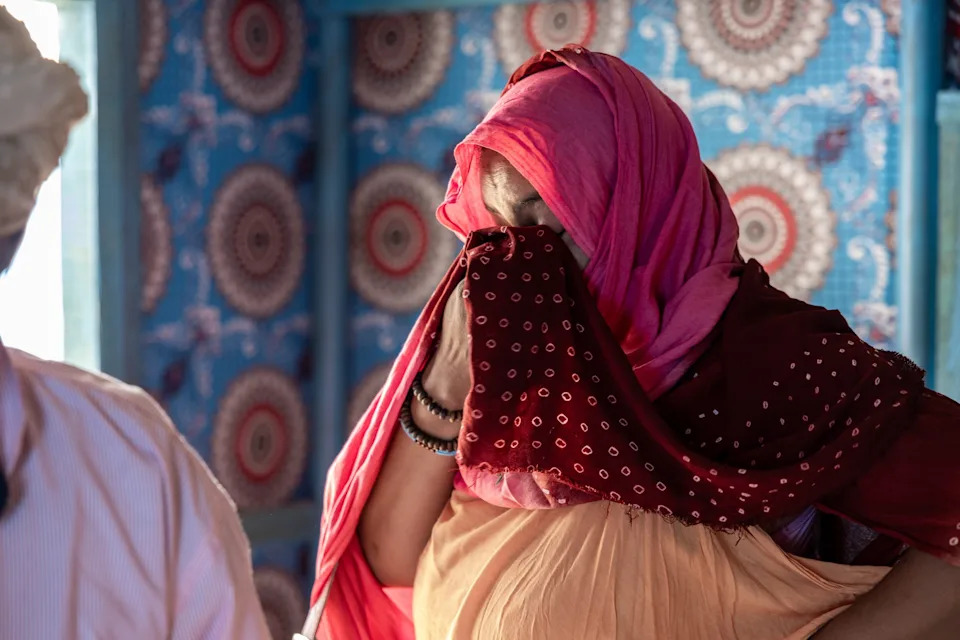
The mother of a young Malian woman, treated for her dangerously high fever and infection, cries at the Douankara health clinic in the Hodh El Chargui Region, Mauritania, Nov. 7, 2025. (AP Photo/Caitlin Kelly)(ASSOCIATED PRESS)
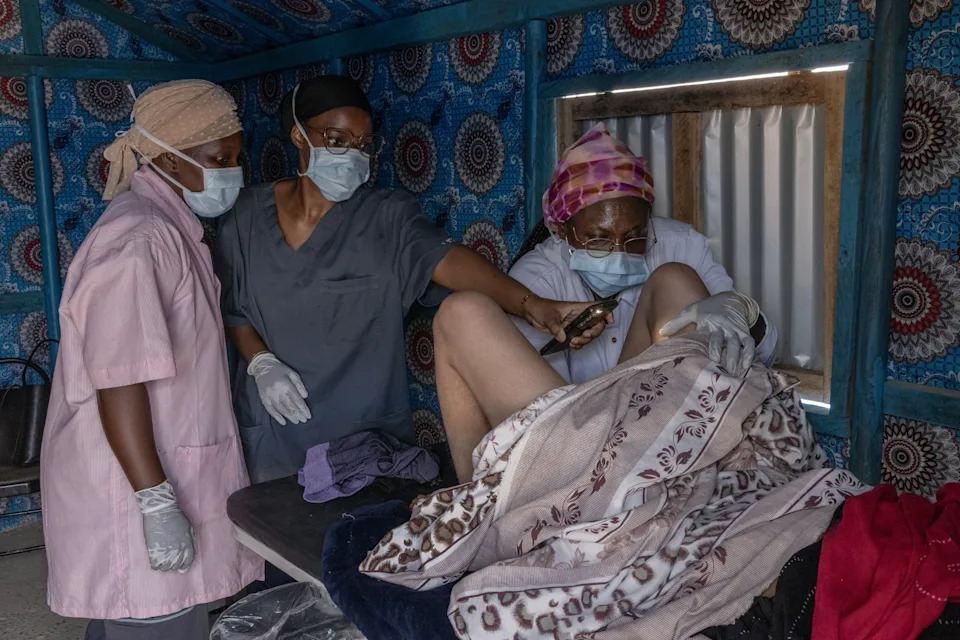
A young Malian woman is treated for her dangerously high fever and infection by doctors at the Douankara health clinic in the Hodh El Chargui Region, Mauritania, Nov. 7, 2025. (AP Photo/Caitlin Kelly)(ASSOCIATED PRESS)
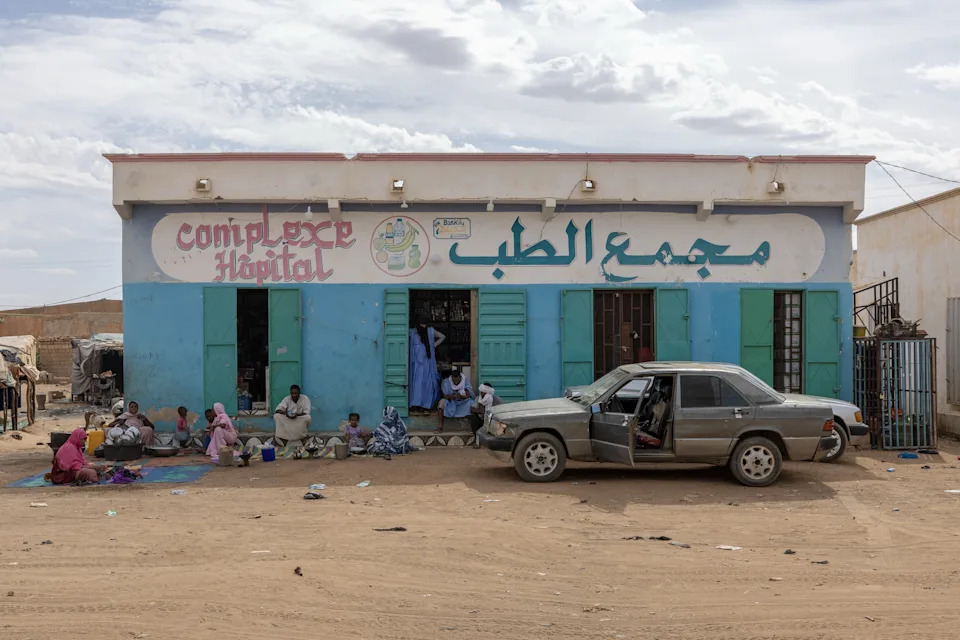
People who fled violence in Mali stand in front of the Bassikounou hospital in the Hodh El Chargui Region, where they found refuge in Mauritania, Nov. 7, 2025. (AP Photo/Caitlin Kelly)(ASSOCIATED PRESS)
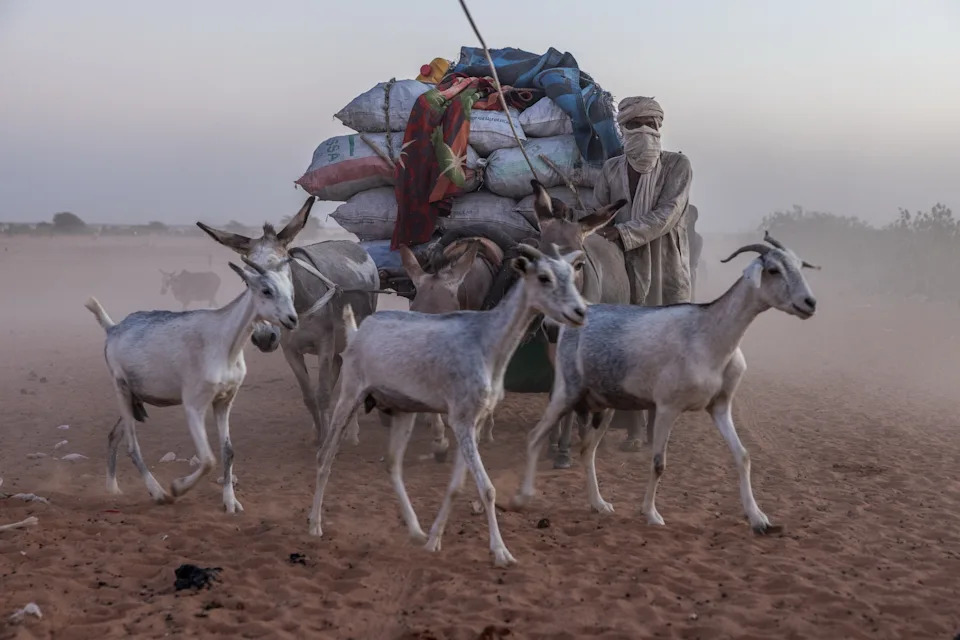
Herders move their livestock through Mbera Refugee Camp, Mauritania, Nov. 3, 2025. (AP Photo/Caitlin Kelly)(ASSOCIATED PRESS)
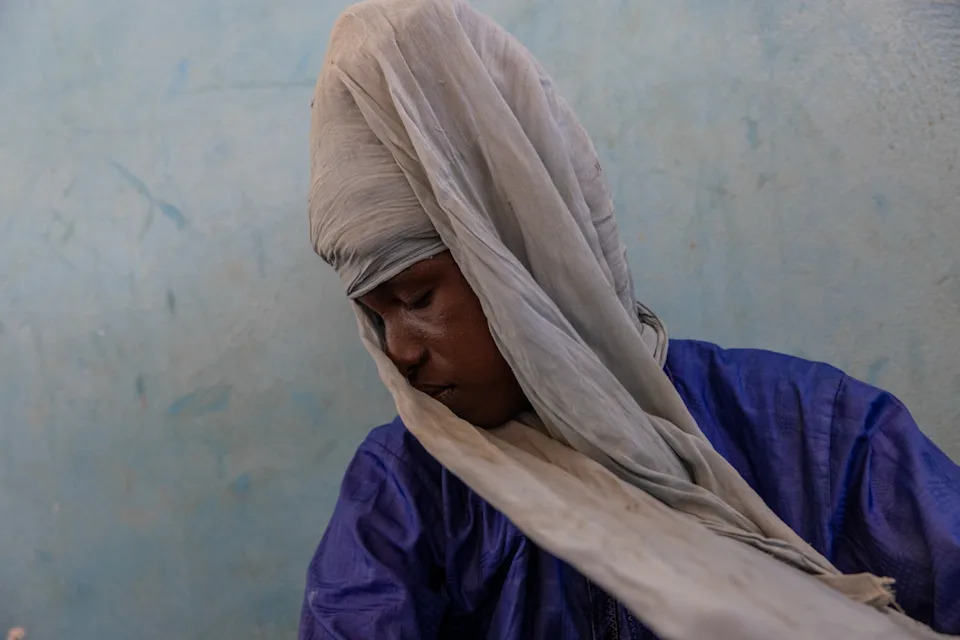
Bakary Bah sits for a portrait in the Mbera Camp, Mauritania, Nov. 4, 2025, after fleeing Mali in 2023, when multiple people, including his brother, where killed in his village. (AP Photo/Caitlin Kelly)(ASSOCIATED PRESS)
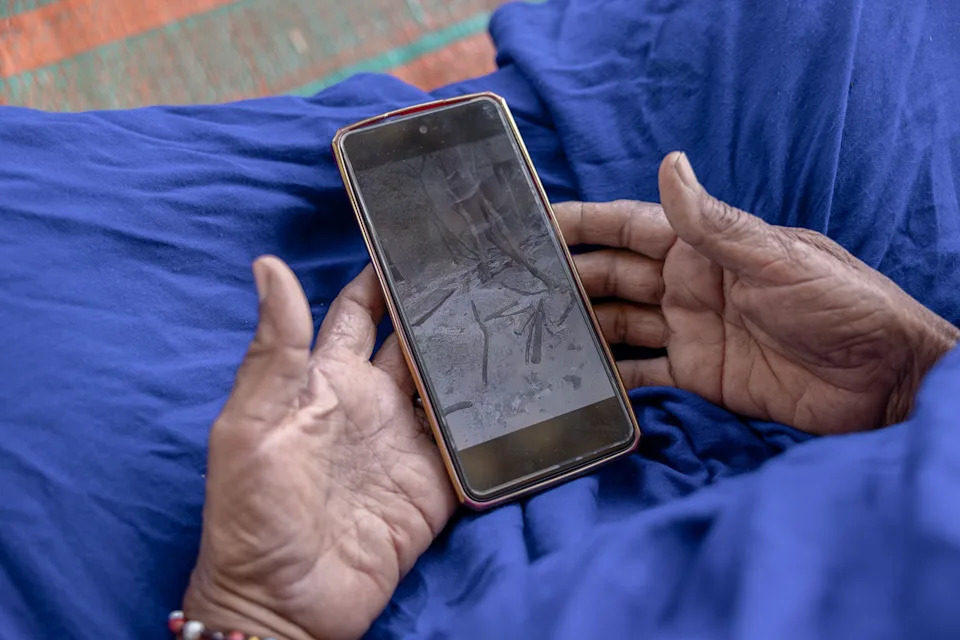
Afay, a Malian refugee, shows pictures of her burned village after Africa Corps razed the marketplace to the ground, from Douankara, Hodh El Chargui Region, Mauritania, Nov. 7, 2025. (AP Photo/Caitlin Kelly)(ASSOCIATED PRESS)
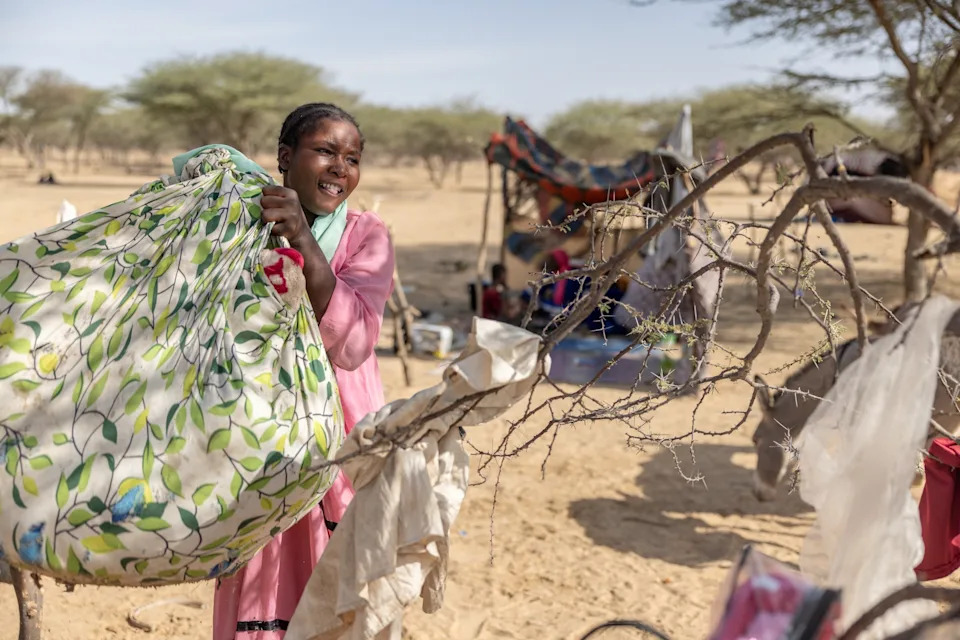
A woman from Mali carries her belongings in a makeshift refugee camp near Douankara, in the Hodh El Chargui Region, Mauritania, Nov. 6, 2025. (AP Photo/Caitlin Kelly)(ASSOCIATED PRESS)
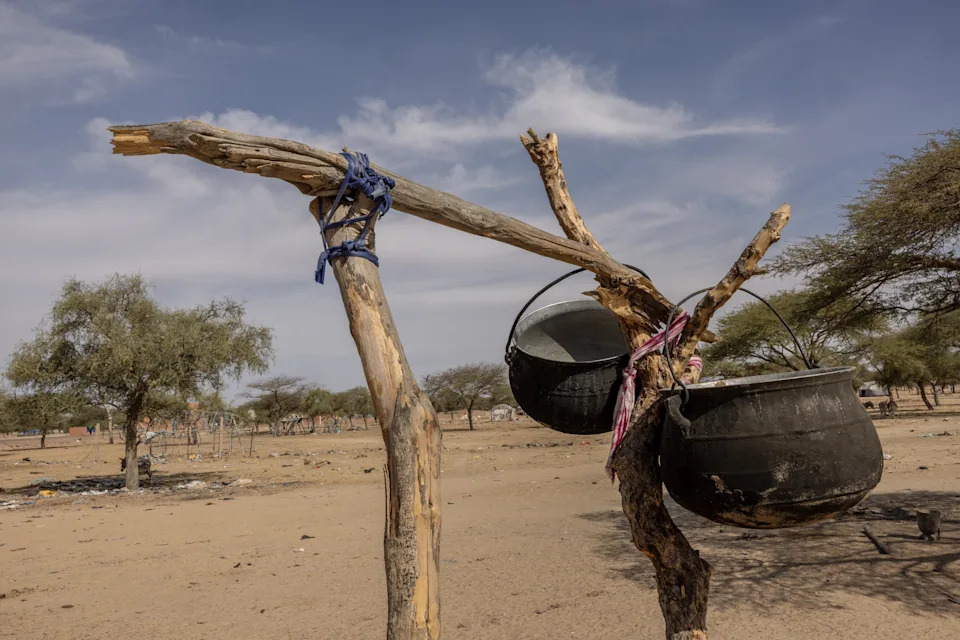
Cooking pots are hung from a wooden post in the makeshift refugee camp near Douankara, Hodh El Chargui Region, Mauritania, on the border with Mali, Nov. 6, 2025. (AP Photo/Caitlin Kelly)(ASSOCIATED PRESS)
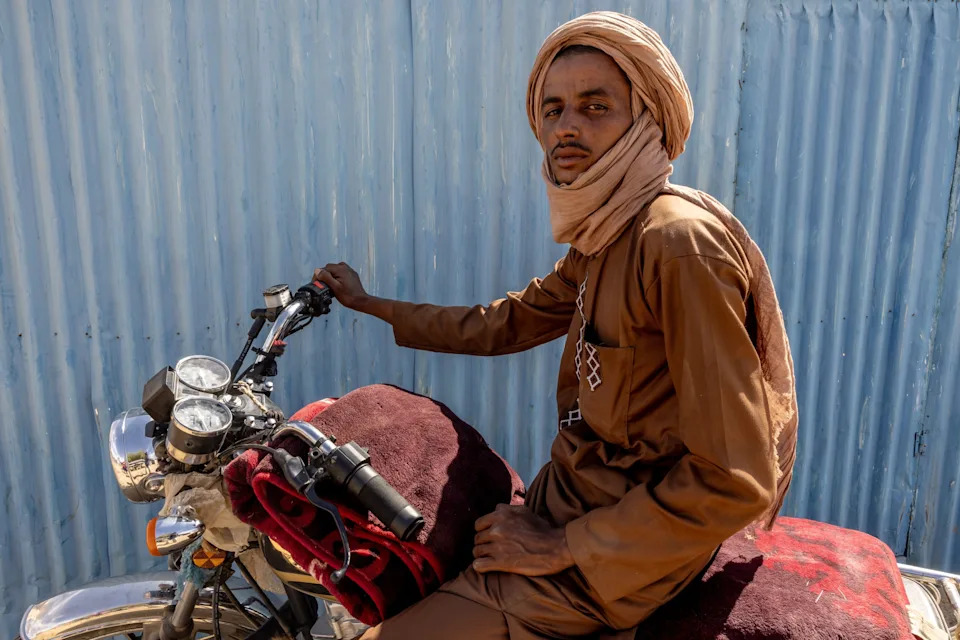
A man, whose shop was destroyed when Africa Corps burned his village in the Mopti region of Mali, poses on his motorcycle in Douankara, Hodh El Chargui Region, Mauritania, Nov. 7, 2025. (AP Photo/Caitlin Kelly)(ASSOCIATED PRESS)
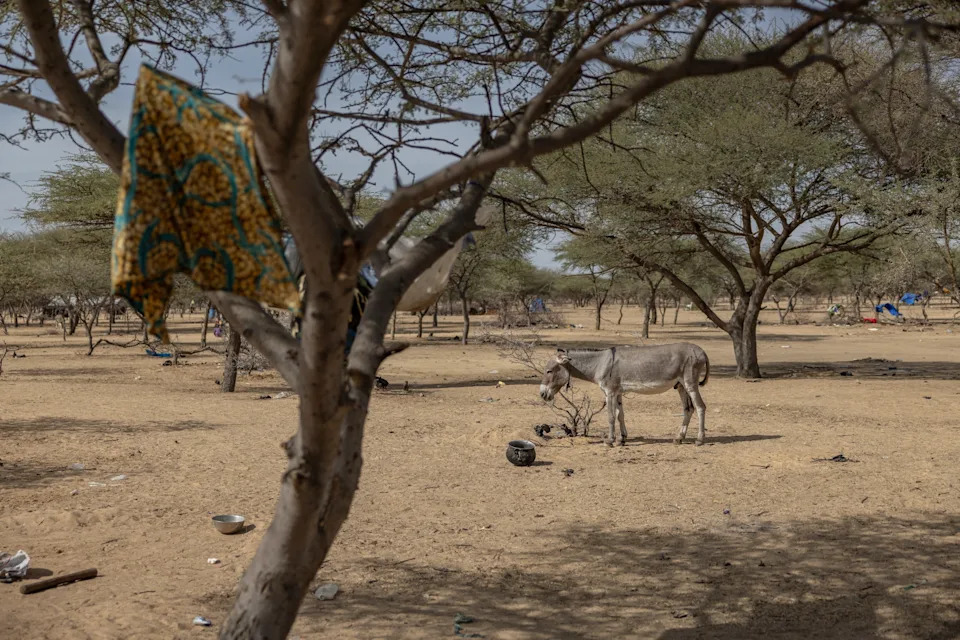
A donkey stands in the makeshift refugee camp near Douankara, Hodh El Chargui Region, Mauritania, on the border with Mali, Nov. 6, 2025. (AP Photo/Caitlin Kelly)(ASSOCIATED PRESS)
Help us improve.