Pakistani state media report that intelligence agents detained Sultan Aziz Azzam, the spokesman for Islamic State Khorasan Province, in May while he crossed from Afghanistan into Pakistan. Azzam was designated a terrorist by the U.S. in 2021 and had been sought by U.S. authorities. Analysts say his capture could weaken IS-K’s propaganda and recruitment efforts, and comes amid Pakistan’s reported gains against the group. Cross-border tensions with Afghanistan — including October strikes, a Doha-brokered ceasefire and inconclusive Istanbul talks — provide the wider regional backdrop.
Pakistan Says It Detained IS-K Spokesman — Arrest Could Set Back Militant Group's Propaganda

This is a locator map for Pakistan with its capital, Islamabad, and the Kashmir region. (AP Photo)
Pakistani intelligence agents reportedly detained Sultan Aziz Azzam, the spokesman for the Islamic State Khorasan Province (IS-K), in May while he was trying to cross from Afghanistan into Pakistan, state-run Pakistan TV reported. Azzam was designated a terrorist by the U.S. State Department in 2021; Pakistani authorities have not publicly confirmed the arrest.
According to the television report, Azzam is originally from eastern Afghanistan’s Nangarhar province. The United States had been seeking his capture since his 2021 designation, and analysts say removing a senior propagandist could significantly weaken IS-K’s ability to recruit and disseminate messaging.
Analysts See Strategic Impact
Security analysts told The Associated Press that the arrest, if confirmed, would represent a tactical setback for IS-K as it seeks to rebuild after losses in recent years. Syed Muhammad Ali, an Islamabad-based security analyst, linked the timing to a United Nations report highlighting Pakistan’s recent gains against the group.
Syed Muhammad Ali: "Pakistan's pressure on IS-K is likely to push foreign and regional militants to rely more on Afghanistan as a safe haven."
Broader Regional Context
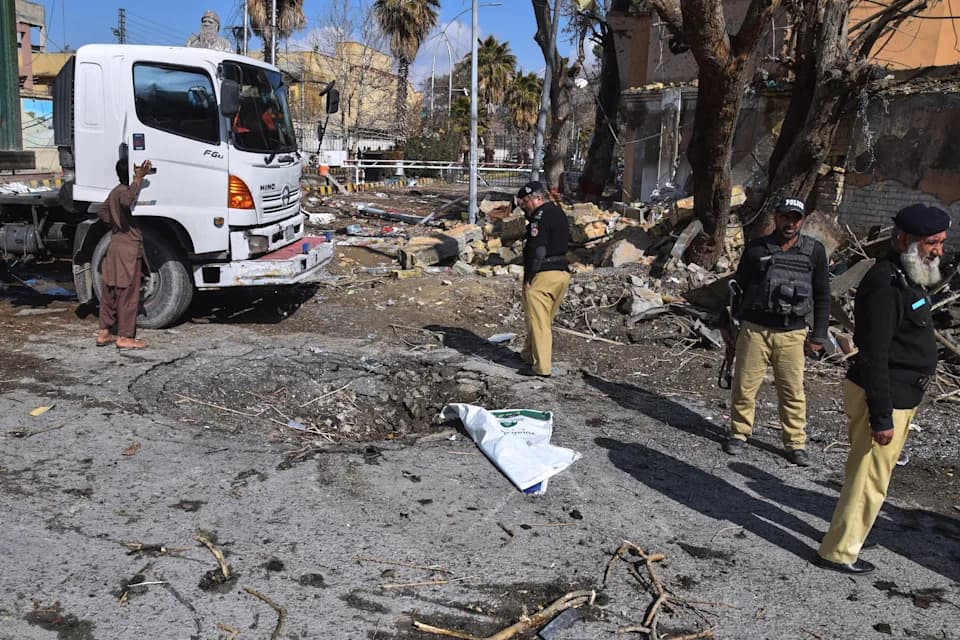
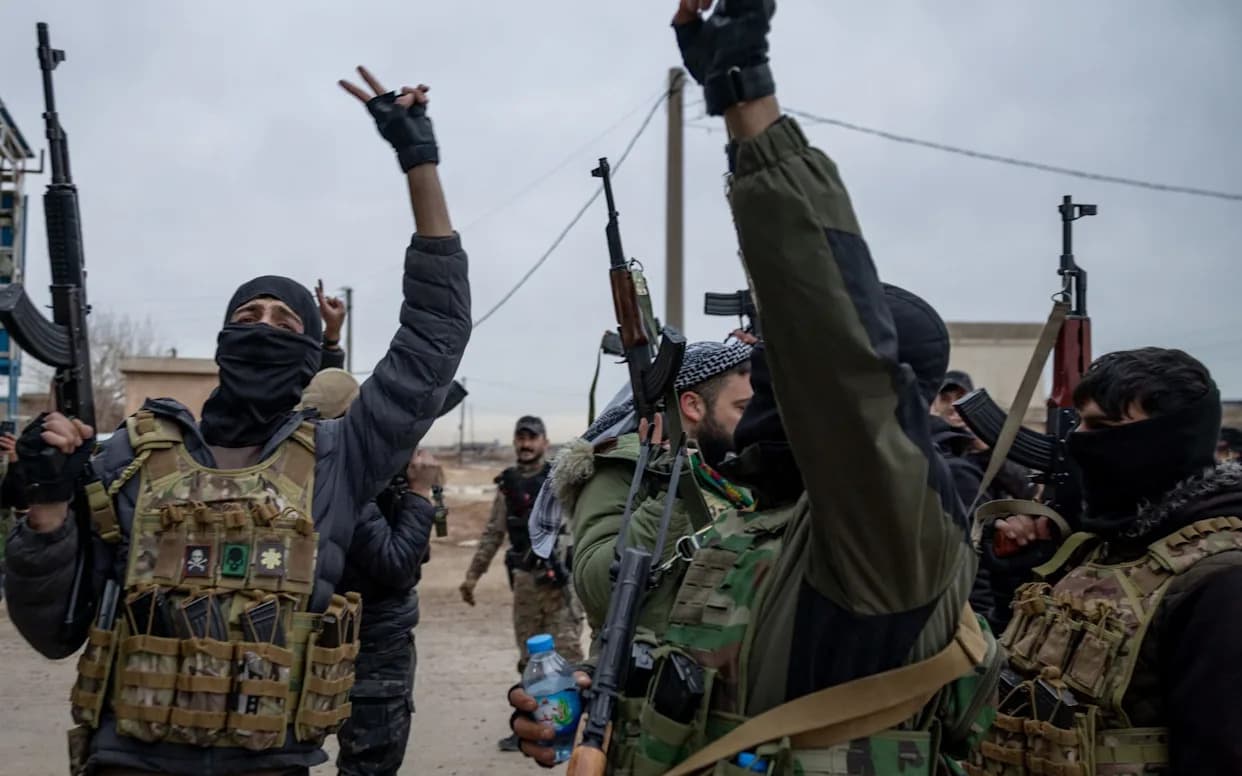
IS-K emerged in Afghanistan after the Islamic State's central fighters expanded across Syria and Iraq in 2014. The name "Khorasan Province" refers to an historical region that covered parts of Afghanistan, Iran and Central Asia. In Pakistan, authorities have linked a recent surge in militant attacks to both IS-K and the Pakistani Taliban, or Tehrik-e-Taliban Pakistan (TTP).
The TTP is distinct from the Afghan Taliban but has become emboldened since the Taliban regained control of Kabul in 2021. Many TTP leaders and fighters have operated from Afghan territory, creating sustained tensions between Islamabad and Kabul. Those tensions escalated after Pakistan said its military struck TTP hideouts inside Afghanistan in October, an action that Kabul condemned and said resulted in civilian casualties.
Following the cross-border incidents, the two countries agreed to a ceasefire in October brokered in Doha, Qatar, and held follow-up talks in Istanbul that ended without a decisive outcome. Observers say continued diplomatic engagement and improved cross-border cooperation will be critical to preventing militants from exploiting safe havens.
Note: This report is based on state media accounts and analyst commentary; Pakistan's government has not issued an official confirmation of the arrest.
Help us improve.