Storm Johannes swept across northern Sweden on Dec. 27–28 with hurricane-force winds, toppling thousands of trees and triggering widespread disruption. Three men died — including a man in his 50s at Kungsberget ski resort and two others clearing fallen trees. More than 40,000 households initially lost power; Ellevio reported outages fell to just over 8,000 by Dec. 29 as restoration work continued. Authorities warned full road repairs could take up to two weeks due to extensive tree damage.
Storm Johannes Kills At Least Three in Sweden as Hurricane-Force Winds Topple Thousands of Trees
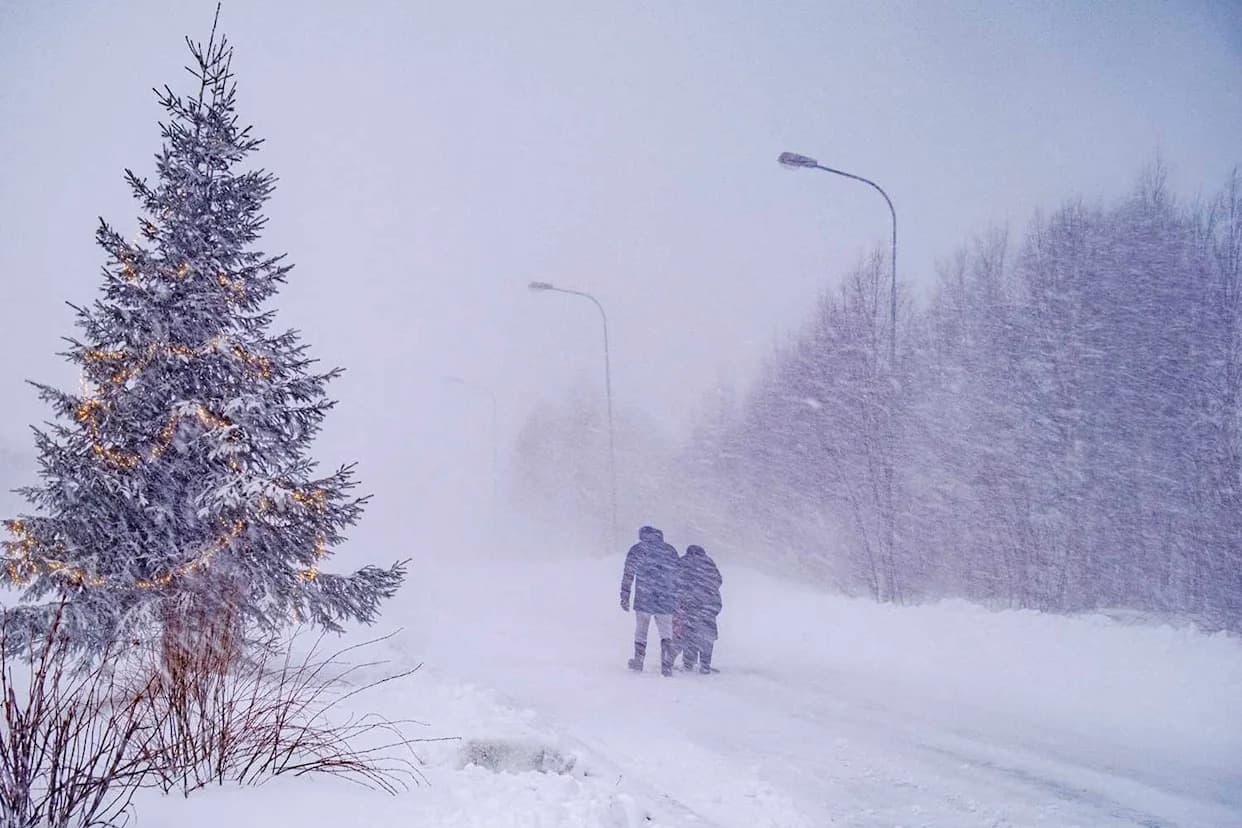
Sam HEDMAN / TT News Agency / AFP via GettyStrong winds hits the northern and central part of Sweden on Dec. 27
At least three people were killed and widespread damage was reported after Storm Johannes battered northern and central Sweden with hurricane-force winds on Dec. 27–28.
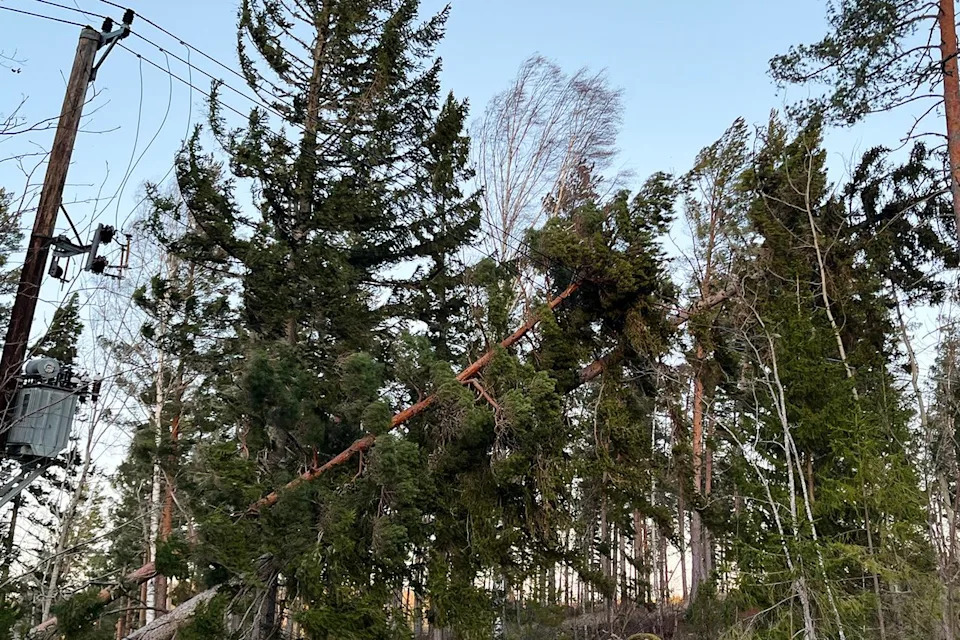
Tomas Bengtsson/TT News Agency via APBlown down trees over power lines are causing power outages in the wake of Storm Johannes
Fatalities and Immediate Impact
Authorities say three men died on Saturday amid the storm. A man in his 50s was fatally struck by a falling tree at the Kungsberget ski resort, local media and police reported. Two other men died while clearing fallen trees in Härnösand and Hofors. The victims' identities have not been released.
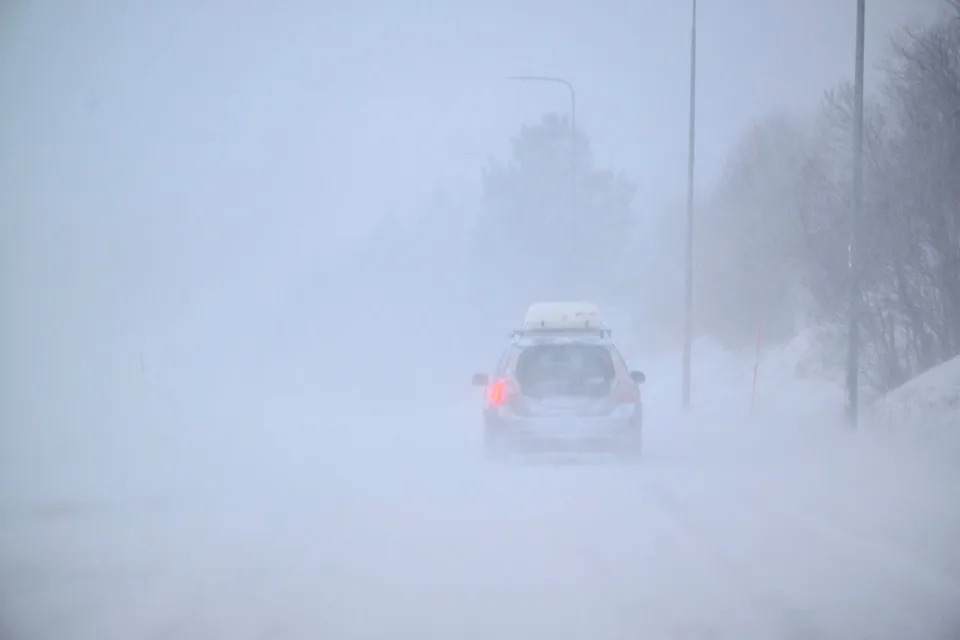
Pontus LUNDAHL / TT NEWS AGENCY / AFP via GettyA car makes its way in Are as Storm Johannes moves in over northern Sweden on Dec. 27
Widespread Damage and Disruption
Storm Johannes toppled thousands of trees across affected regions, causing extensive travel disruption and forcing cancellations of many train services. The Swedish Transport Administration (STA) mobilised around 100 crews to clear roads and remove debris, but officials warned that some repairs — including restoration of game fences and damaged infrastructure — could take up to two weeks.
Power Outages and Restoration Efforts
At the storm's peak more than 40,000 households in northern and central Sweden were left without electricity. Energy distributor Ellevio described the event as their worst since storms Gudrun (2005) and Per (2007). By Dec. 29, Ellevio reported that outages had fallen to just over 8,000 as crews prioritised faults, moved extra materials into affected areas, and resumed full restoration work in Gävleborg. Fallen trees, however, continued to hinder access to damaged power lines and slowed repairs.
Official Warnings and Timeline
The Swedish Meteorological and Hydrological Institute (SMHI) issued an orange warning for the northern half of the country on Dec. 27 as the storm moved through. The storm had largely subsided by early morning on Dec. 28, and some roads were reopened by Sunday evening, according to local reports.
Sources: SMHI, Dagens Nyheter, TT, BBC, Ellevio, Swedish Transport Administration.
Help us improve.