The Pentagon launched GenAI.mil, a Gemini-powered AI platform that provides U.S. service members and Department of Defense staff secure access to generative AI tools for routine tasks and training. Georgetown senior fellow Emelia Probasco called the rollout a "critical first step" for training personnel and experimenting safely in a sanctioned sandbox. The platform will integrate xAI’s Grok models and aims to replace risky personal-device workarounds while informing more advanced, classified AI systems under development. Officials emphasize the move comes amid rapid AI experimentation by potential adversaries and evolving policy on high-end chip exports.
Pentagon Launches GenAI.mil as a "Critical First Step" Toward an AI-Ready Force, Expert Says

U.S. troops alight from a U.S. Army CH-47 as it lands at the Philippines' northernmost town of Itbayat during a joint military exercise.
The Pentagon this month unveiled GenAI.mil, a military-focused generative AI platform powered by Google Gemini that officials say will give U.S. service members and Department of Defense personnel secure, direct access to AI tools for routine tasks, training and experimentation.
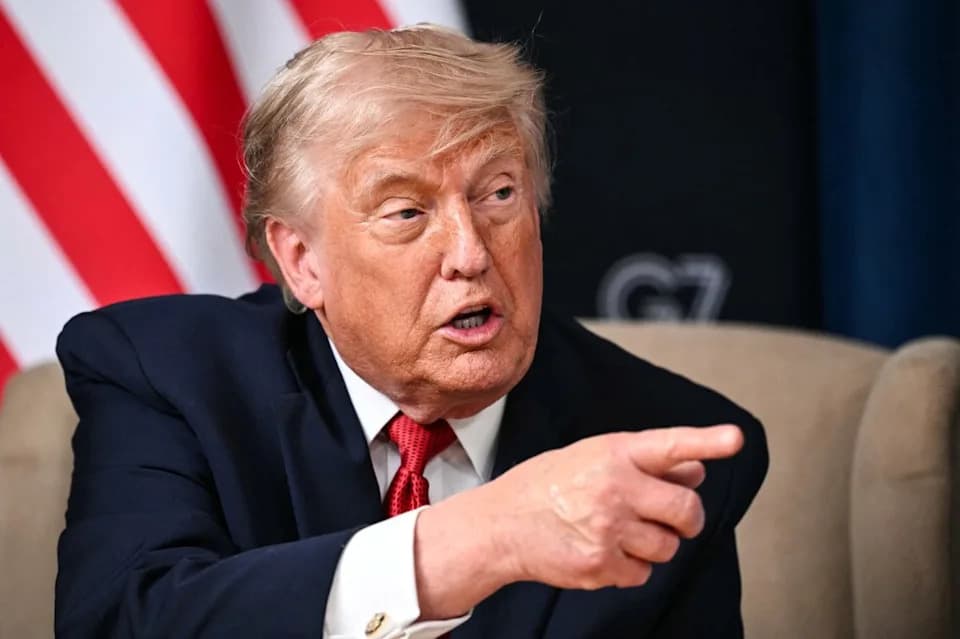
Pentagon official Pete Hegseth described the platform as part of an effort to "revolutioniz[e] the way we win." The Department also announced it is integrating xAI’s Grok models into the GenAI environment so staff can use xAI safely on secure government systems for everyday work, including work that involves sensitive but unclassified information.

J-20 fighter jets at the aviation open-day activities of the Chinese People's Liberation Army Air Force and the Changchun Air Show on Sept. 19, 2025, in Changchun, China.
Why GenAI.mil Matters
In an interview with Fox News Digital, Emelia Probasco — a Navy veteran, former Pentagon official and senior fellow at Georgetown University’s Center for Security and Emerging Technology — called GenAI.mil a "critical first step" for preparing military personnel and civilian employees to use artificial intelligence in daily workflows and to learn the capabilities and limits of these tools.
"Now they've got a more secure environment where they can experiment with these tools and really start to learn what they're good for and what they're not good for," Probasco said, noting that before the rollout some users relied on inferior tools or risky personal-device workarounds.
Probasco and other officials portray GenAI.mil primarily as a secure sandbox: a place to run controlled experiments, train personnel and develop best practices that will inform more advanced, classified systems under development across the defense establishment.

A soldier holds a drone while marching during a military parade to commemorate the U.S. Army's 250th birthday in Washington, D.C., June 14, 2025.
Context And Concerns
Officials also emphasize strategic urgency: rivals such as China are rapidly experimenting with AI across military domains, from data-driven targeting and espionage to more sophisticated cyberattacks. This month, President Donald Trump announced a partial reversal of a prior restriction on high-end chip exports, permitting Nvidia to sell certain AI chips — including the H200 — to China and other countries, a move that drew mixed reactions from lawmakers on Capitol Hill.
Probasco stressed that while platforms like GenAI.mil will improve training and day-to-day operations, they are not themselves the classified weapon systems that might ultimately deliver a decisive edge. More sophisticated military AI applications — including non-generative techniques and classified capabilities — have been in development for years and will be deployed separately under tighter controls.
Looking Ahead
GenAI.mil is intended to reduce risky workarounds, accelerate safe adoption of AI tools across the force, and give the Department of Defense the institutional experience needed to integrate AI responsibly. Officials say the platform will help the U.S. stay ahead in a global competition to harness AI for defense, while keeping sensitive workflows on secure systems.
Help us improve.