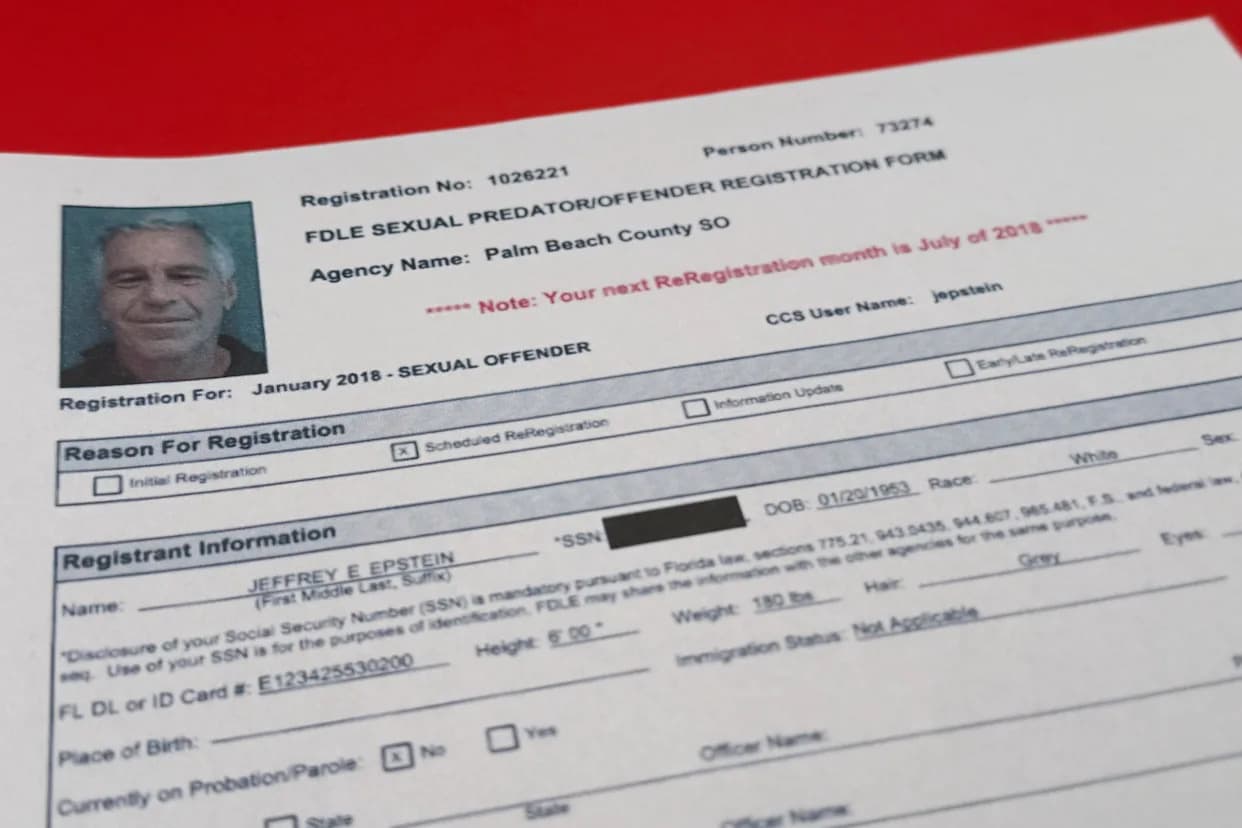
The DOJ released thousands of unclassified documents tied to Jeffrey Epstein after Congress ordered a 30-day disclosure, but officials withheld portions citing victim protections and review time. Lawmakers from both parties said key records—including a 2007 draft indictment and supporting memo—were omitted, fueling calls for full transparency. Photographs of public figures drew attention but do not imply wrongdoing, while victims such as Maria Farmer saw aspects of their accounts corroborated. The partial release has intensified demands for a complete, timely disclosure of the remaining files.
Partial Epstein File Release Draws Bipartisan Calls For Full Disclosure
The Department of Justice on Friday published thousands of records tied to financier Jeffrey Epstein after Congress passed a November law requiring that "all unclassified records" related to the case be released within 30 days. Critics say the tranche is only a fraction of what was promised and warn that much of the remaining material appears likely to be delayed.
Why the DOJ Withheld Material
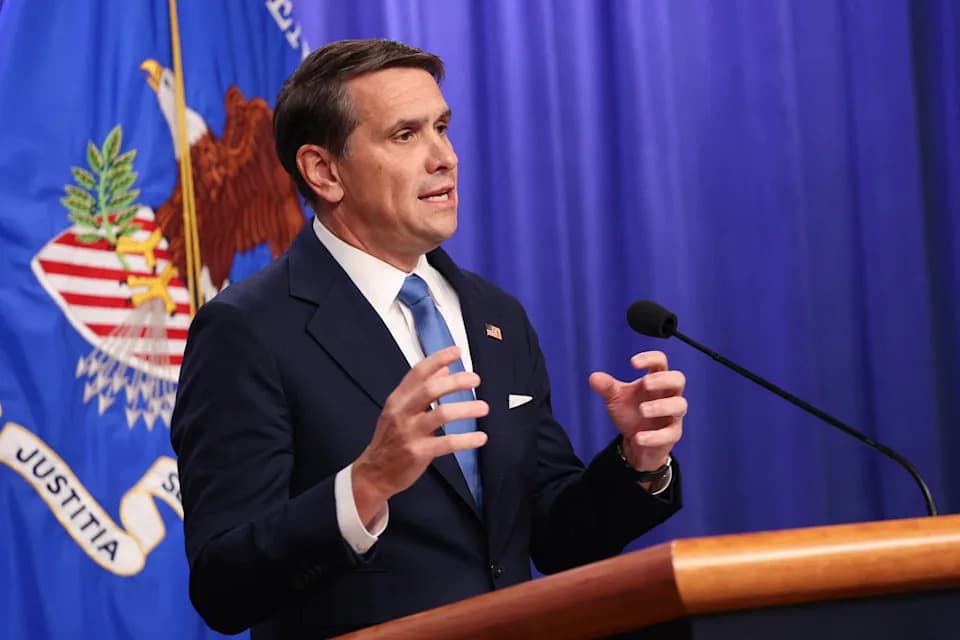
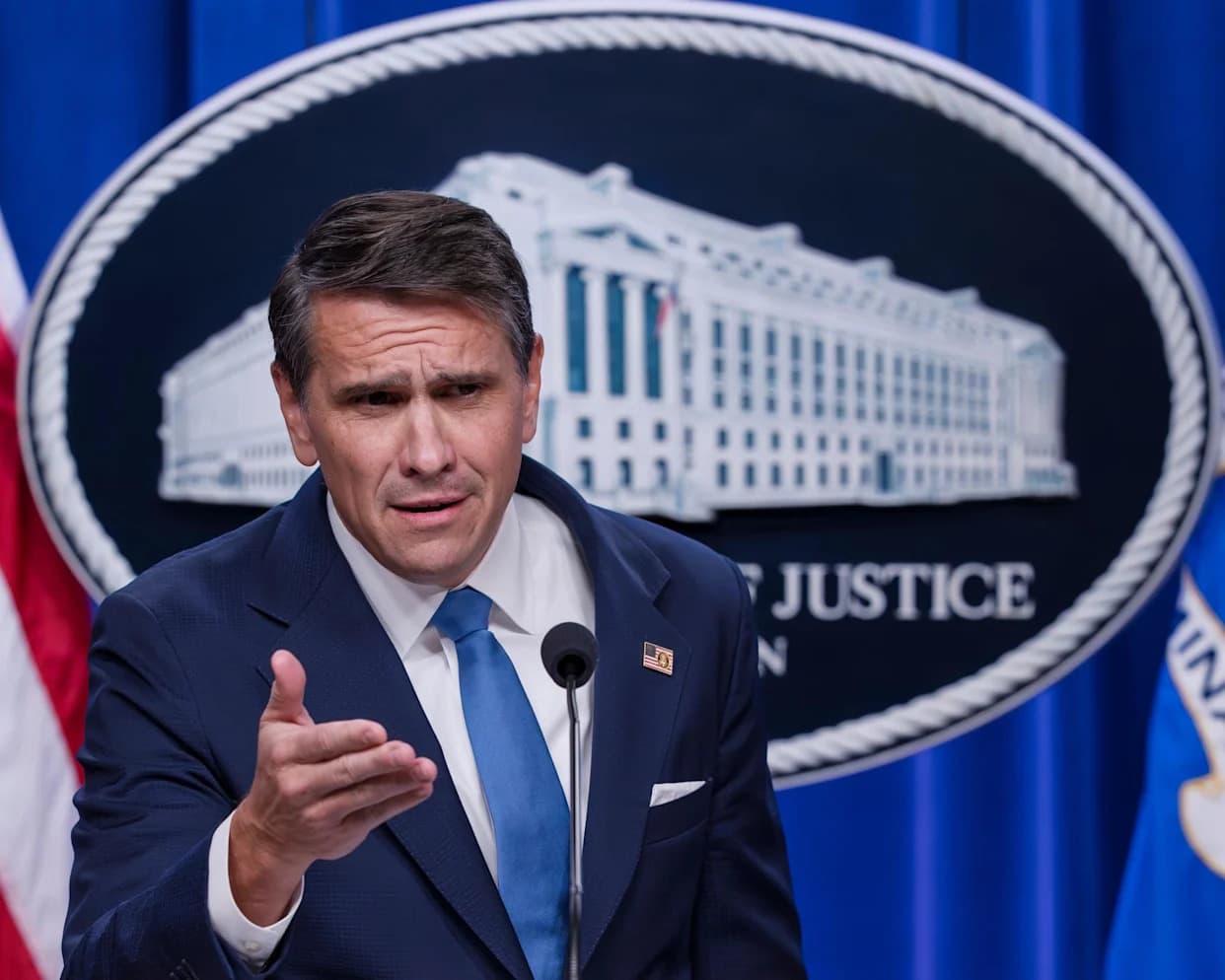
Deputy Attorney General Todd Blanche said the volume of material — and the need to protect victims and avoid jeopardizing ongoing investigations or prosecutions — made an immediate, comprehensive disclosure impractical. "We want to make sure that...we are protecting every single victim," he told Fox News.
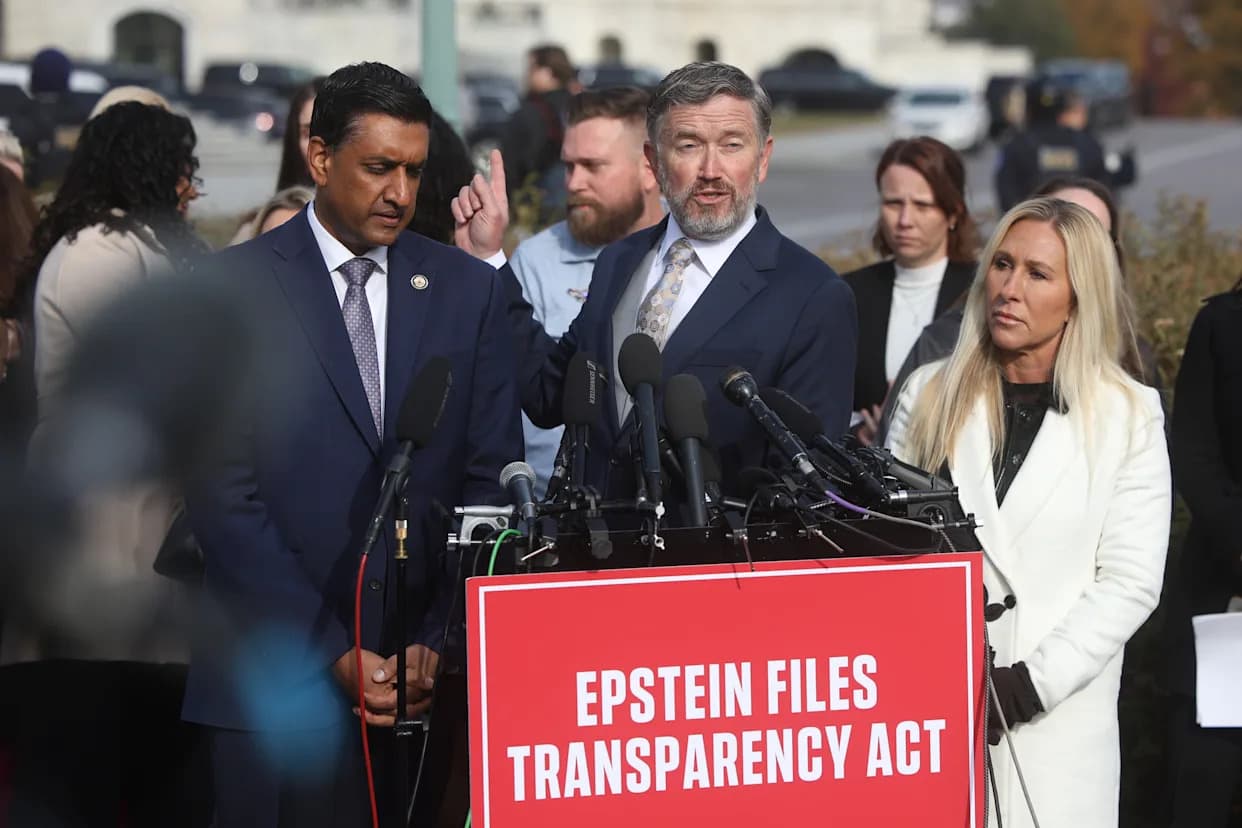
Political and Bipartisan Pushback
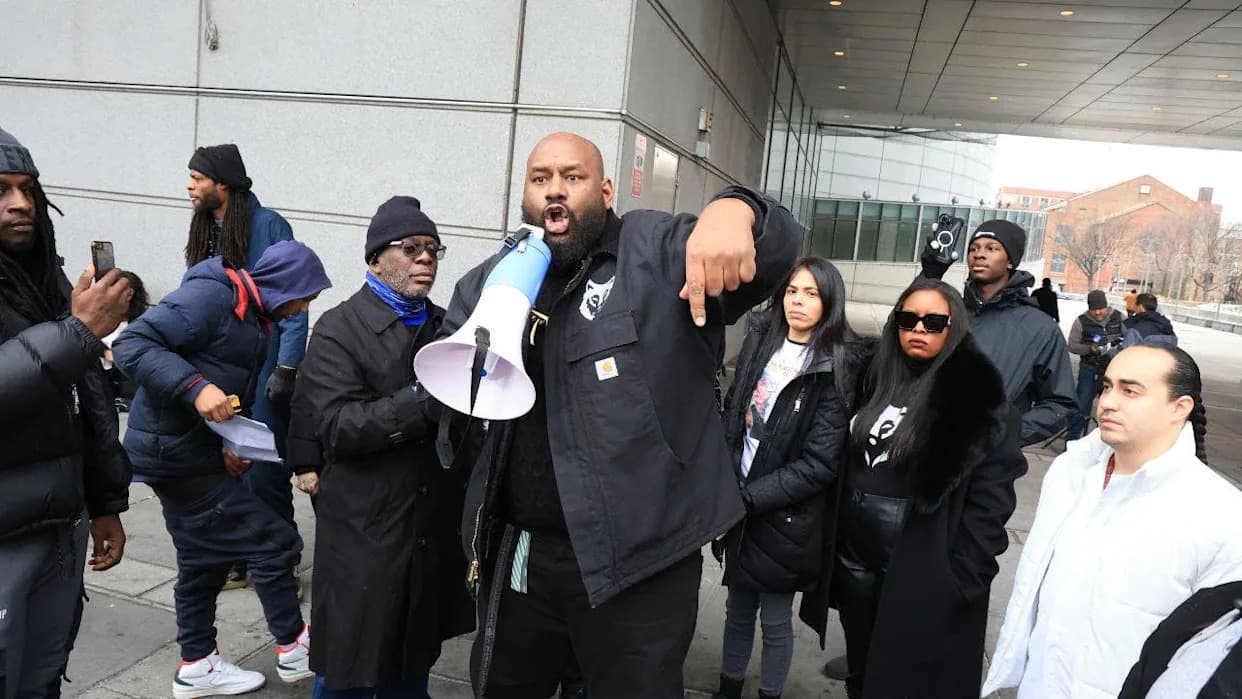
Democrats and Republicans alike criticized the partial release. Critics note President Donald Trump had long resisted making the files public and only agreed after Congress forced a vote. Some also pointed to Blanche's prior work as a personal attorney for Mr. Trump, arguing it undermines confidence in the department's handling of the review.
"Release all the files. It's literally the law," said Rep. Marjorie Taylor Greene (R-Ga.). Rep. Thomas Massie (R-Ky.) called the production "grossly" noncompliant with the law, and Rep. Ro Khanna (D-Calif.) said lawmakers were denied documents they explicitly intended to be covered.
Key Documents Still Missing
Lawmakers specifically flagged the omission of a 2007 draft indictment and an accompanying supporting memo — documents they say were meant to be included under the statute. Those files are seen as vital because they reportedly outlined prosecutorial theory that was later abandoned, leading to a controversial non-prosecution agreement in which Epstein pleaded guilty to two state charges and served under 13 months in a minimum-security facility.
What the Released Files Showed
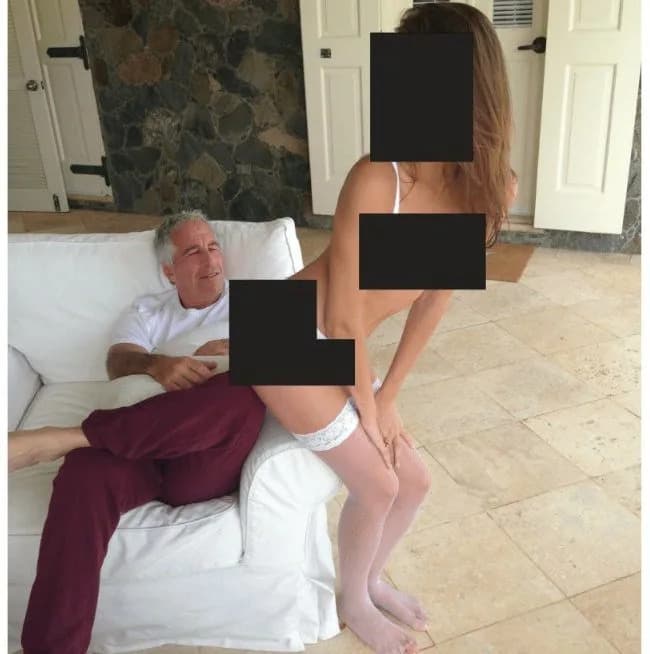
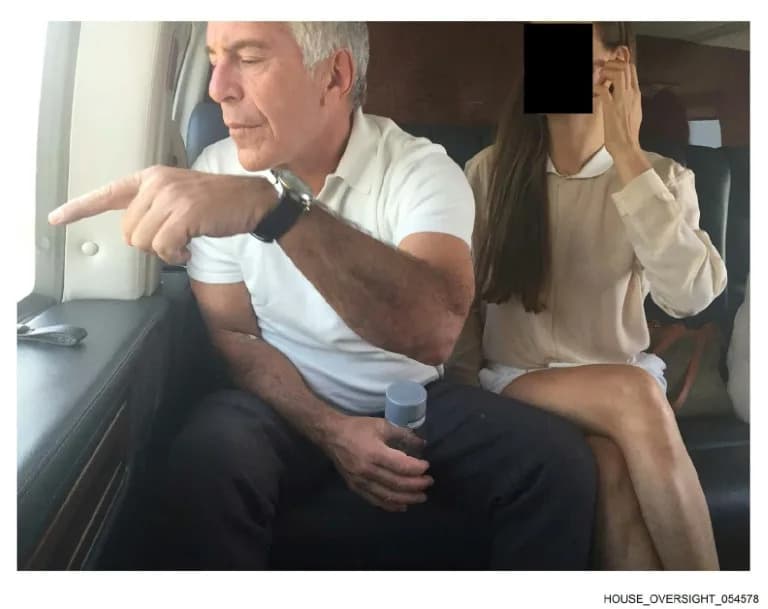
Friday's release did not produce major new revelations. Much attention focused on photographs of prominent figures — including images showing former President Bill Clinton, Mick Jagger and others — often presented with little context. None of those pictured has been accused in connection with Epstein’s crimes; appearing in a photo does not imply culpability.
Some victims found validation in the release. Maria Farmer’s long-standing claim that she complained to the FBI about Epstein in 1996 was corroborated, underscoring arguments that earlier intervention might have prevented additional harm.
Next Steps and Public Demand
Deputy AG Blanche said additional material mentioning public figures, including former President Trump, would be released if consistent with the law. Meanwhile, the partial rollout has intensified demands for a speedy, comprehensive disclosure of the remainder of the files and has sharpened scrutiny of how the administration is handling the process.
The Memo is a reported column by Niall Stanage.
Copyright 2025 Nexstar Media, Inc. All rights reserved. This material may not be published, broadcast, rewritten, or redistributed.
Help us improve.