
LEGO's employee-only museum in Billund preserves original bricks and the first 1955 play system, highlighting the brand's enduring design principle: compatibility across decades. CBS News toured LEGO House, a 130,000-square-foot attraction housing some 25 million bricks and the nearly 50-foot "Tree of Creativity." Designers stress hands-on imagination and child-centered inspiration, while the company confronts major sustainability challenges, having tested over 600 materials and pausing a 2023 bottles-to-bricks plan. LEGO aims for 60% sustainably sourced materials by year-end as it seeks solutions that meet strict safety and durability standards.
Inside LEGO's Secret Museum: From 1950s Bricks to a 50-Foot 'Tree of Creativity'

A LEGO duck. / Credit: CBS Saturday Morning
Billund, Denmark — Millions recognize LEGO by sight, touch and that familiar rattle of plastic bricks. At LEGO's headquarters in Billund, an employee-only museum preserves decades of the company's history, offering a rare window into how a simple system of interlocking bricks grew into a global cultural phenomenon.
The archive sits beside the original home of founder Ole Kirk Kristiansen, a reminder of the company’s humble beginnings. The name LEGO derives from the Danish phrase leg godt, meaning "play well," a principle that still guides the brand.
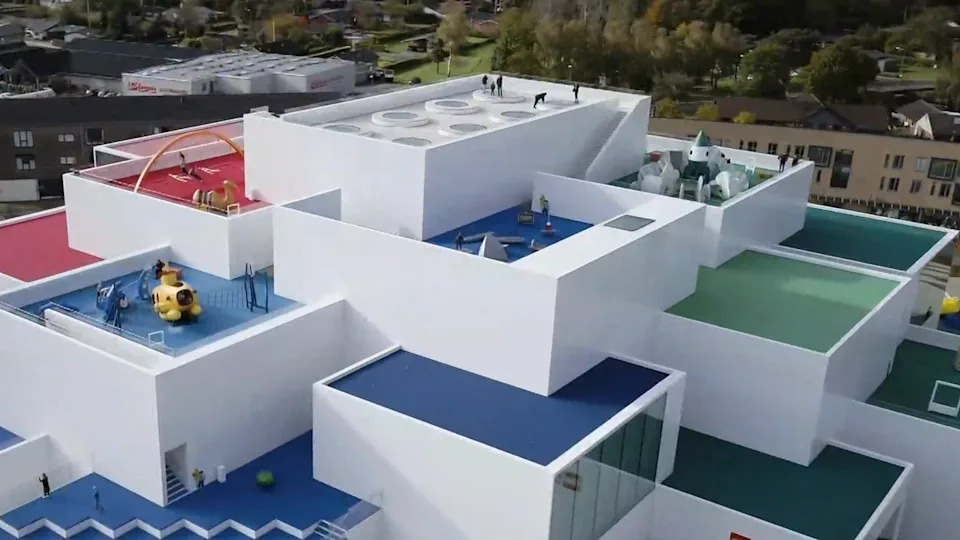
Denmark's LEGO House. / Credit: CBS Saturday Morning
Early Systems and Timeless Compatibility
The museum includes some of the earliest LEGO pieces dating to the 1950s and the first complete LEGO "system" assembled in 1955 — a small play town that introduced the core idea that bricks from any year should interlock. Vintage sets on display still function as intended, including a working drawbridge castle from the 1970s, demonstrating the durability and precision Engineering that allow a modern brick to fit one from six decades ago.
LEGO House and the Tree of Creativity
CBS News also toured LEGO House, a nearly 130,000-square-foot tribute to play that contains roughly 25 million bricks. More than 6 million of those form the dramatic "Tree of Creativity," a structure rising nearly 50 feet and recognized as one of the largest known LEGO builds in the world, with each branch packed with intricate detail.
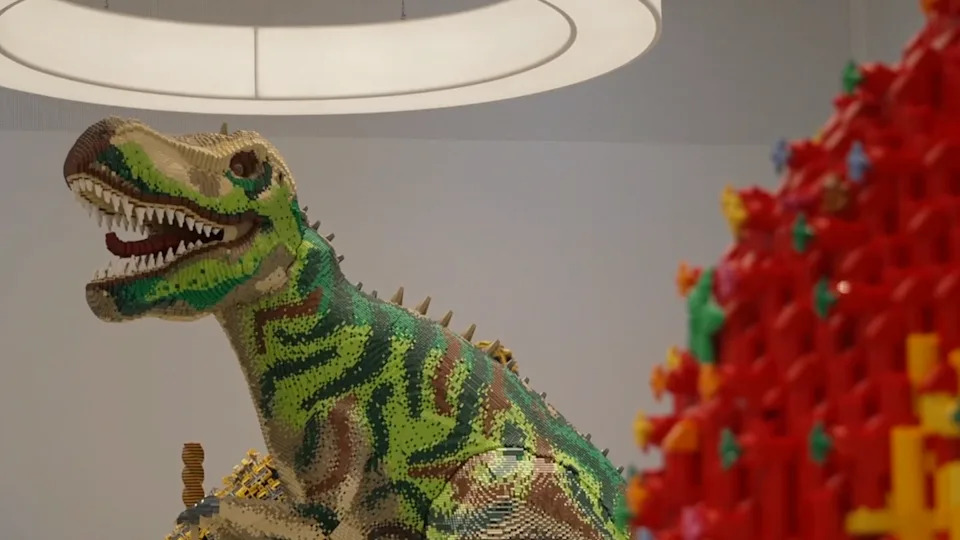
A LEGO dinosaur. / Credit: CBS Saturday Morning
People Behind the Bricks
Behind these creations is LEGO’s in-house creative team. "There are about 700 designers here," said André Doxey, the LEGO Group’s first American Head of Design. Doxey emphasized that imagination matters more than formal training: "You don't have to be a designer. You just have to be brave, creative and curious, and give it a try."
Design Master Milan Madge reiterated that children remain the company’s primary inspiration: "They're our first inspiration. We try to act like children and see the world through their eyes." Although many modern models are designed digitally to speed production, Madge prefers hands-on building for the tactile creative connection it provides.
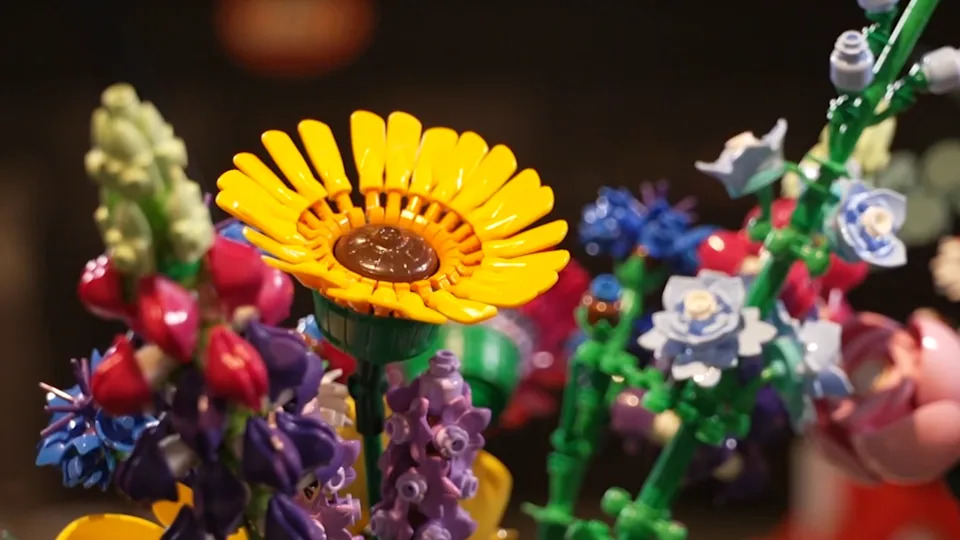
A LEGO sunflower. / Credit: CBS Saturday Morning
Nostalgia and Adult Fans
LEGO’s appeal extends beyond children. Nostalgia and sophisticated adult-oriented sets have helped create a large community of AFOLs (Adult Fans of LEGO), a growing and important audience for ambitious builds and collector items.
Sustainability Challenges
Despite its cultural success, LEGO faces a significant sustainability challenge: its products are still almost entirely made from plastics, and much plastic production depends on fossil fuels. According to the sustainability platform illuminem, every ton of LEGO produced requires roughly two tons of petrochemical inputs during manufacturing. With an annual output often reported around 60 billion bricks, some of LEGO's largest sets represent substantial petrochemical equivalents to produce.
The company has pursued alternatives but has encountered trade-offs. In 2023 LEGO halted a "bottles-to-bricks" initiative after determining the proposed recyclable material would have increased emissions compared with current materials. LEGO told CBS News it has tested more than 600 materials — including options derived from sustainably sourced sugarcane and recycled composites — but many candidates failed to meet its strict standards for safety, durability and precision.
LEGO says it is working toward more sustainable sourcing and aims for 60% of the materials it buys to come from sustainable sources by year-end. The company stresses that bricks must meet rigorous quality and safety requirements so that a part made today still mates perfectly with a brick from decades past.
Looking Ahead
After decades of innovation, LEGO continues to adapt — balancing creativity, commercial success and environmental responsibility as it works to find materials and processes that preserve the brand’s hallmark durability while reducing its carbon footprint.


