
A 29-day-old premature infant, Saeed, died of hypothermia after his family sheltered him in a nylon tent in Gaza, hospital officials said. Doctors warn premature babies are especially vulnerable because they lose heat quickly and many displaced families live in wind‑exposed, flooded tents. The Gaza health ministry reported 13 deaths linked to a recent storm, including two children who died from cold. Aid groups and officials remain at odds over whether agreed daily aid deliveries have met ceasefire terms.
Premature Newborn Dies of Hypothermia in Gaza as Winter Storms Expose Displaced Infants to Danger

Eseid Abdeen, 42, carries the body of his 29-day-old infant son, Saeed, who, according to health authorities, died due to the cold weather, as he stands outside Nasser Hospital in Khan Younis, southern Gaza Strip, Thursday, Dec. 18, 2025. (AP Photo/Abdel Kareem Hana)(ASSOCIATED PRESS)
KHAN YOUNIS, Gaza Strip — A 29-day-old premature infant named Saeed has died of hypothermia after his family sheltered him in a single nylon tent that offered little protection from the winter cold, hospital officials and relatives said.
The baby arrived at Nasser Hospital late Wednesday with a body temperature of just 30°C (86°F) and was pronounced dead early Thursday after medical teams were unable to revive him, Dr. Ahmed al-Farra, director of pediatrics at Nasser, said. Saeed had been born prematurely and weighed only 1.3 kilograms (2.9 pounds) at birth; he had previously spent two weeks in the neonatal intensive care unit.
Heartbreaking vigil: The child’s father, Eseid Abdeen, said he wrapped the infant in four blankets and repeatedly shone a flashlight at the baby’s eyes through the night to make sure he was breathing. When Saeed did not respond at about 10 p.m., the family rushed him to hospital after noticing he was vomiting; his mother, Rawya Abdeen, said her anguished cries of “Why him?” drew neighbors when staff told them the baby had died.
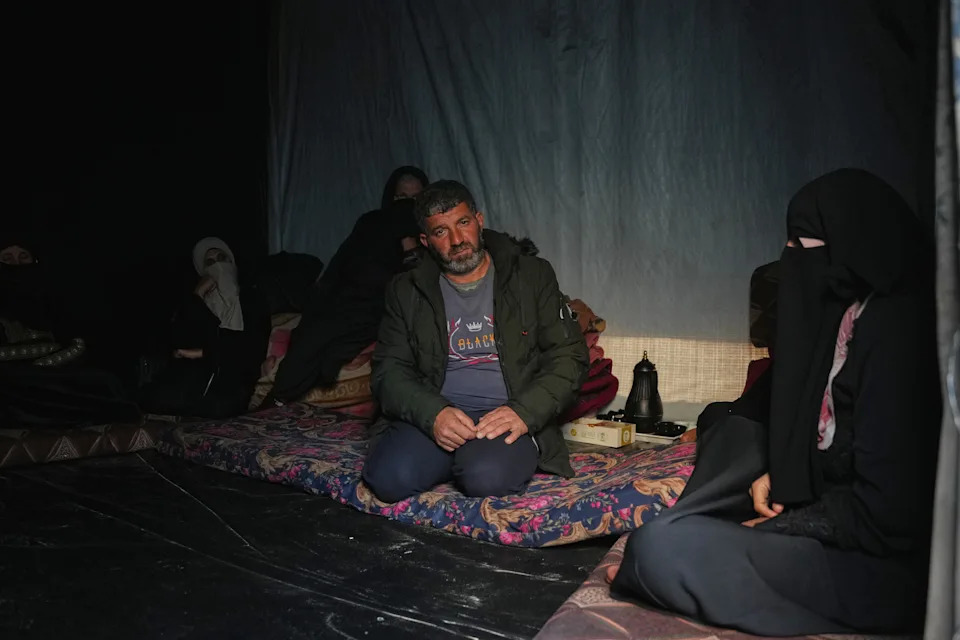
Eseid Abdeen, 42, the father of the 29-day-old infant, Saeed, who, according to health authorities, died due to the cold weather, sits in his tent while receiving condolences from family members and friends in a temporary camp for displaced Palestinians in Khan Younis, southern Gaza Strip, on Thursday, Dec. 18, 2025. (AP Photo/Abdel Kareem Hana)(ASSOCIATED PRESS)
Why premature infants are especially vulnerable
Dr. al-Farra warned that premature babies are at heightened risk in Gaza’s makeshift camps because they have underdeveloped fat stores and lose heat and energy rapidly. He said many displaced families live in worn tents exposed to wind, rain and cold, without reliable heating or sufficient shelter materials.
“We are warning that this tragedy will happen again unless there is a permanent solution for babies, and specifically premature babies, because they are more vulnerable to the dropping temperatures,” Dr. al-Farra said.
Overnight temperatures in parts of Gaza have fallen to around 6°C (43°F) in recent days, compounding risks for newborns, elderly people and others with health vulnerabilities. Saeed is the second infant to die of cold at Nasser Hospital in recent days; the earlier case involved two-week-old Mohamed Khair, who had been born full term.
Broader humanitarian context
The Gaza health ministry reported that 13 people have been killed so far after a strong storm hit the strip last week — 11 of them when heavy rains collapsed already-damaged buildings, and two children who died from exposure to extreme cold. Aid groups say shelter materials remain insufficient despite a ceasefire, and many of Gaza’s roughly 2 million residents are displaced, living in tent camps along the coast or sheltering among the ruins of damaged buildings.
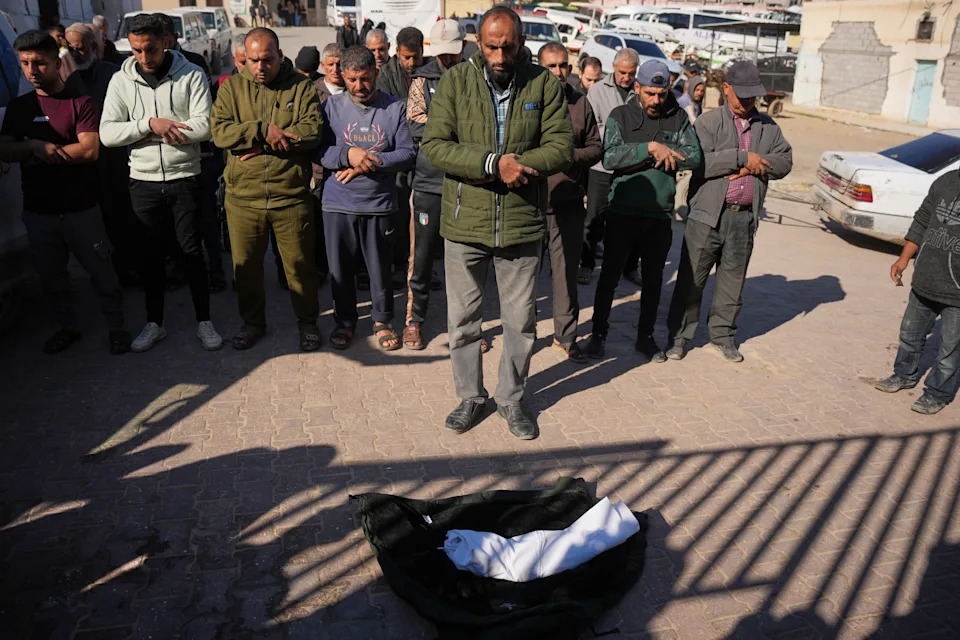
The Abdeen family performed the funeral prayer for their 29-day-old infant son, Saeed Abdeen, who, according to health authorities, died due to the cold weather, at Nasser Hospital in Khan Younis, southern Gaza Strip, Thursday, Dec. 18, 2025. (AP Photo/Abdel Kareem Hana)(ASSOCIATED PRESS)
There is continuing disagreement over aid delivery figures: recently released Israeli military data suggest the daily flow of aid has fallen short of the ceasefire stipulation to allow 600 trucks a day into Gaza, a conclusion Israel disputes. U.S. officials involved in the center coordinating shipments say deliveries have reached the agreed levels.
The Abdeens live in Muwasi, in southern Gaza, where their tent is regularly inundated by rainwater. Saeed’s father told reporters he had prayed for his son and would have given his life for him: “I was willing to trade my soul to save him.”
Doctors and aid groups say urgent improvements in shelter, heating and humanitarian access are needed to prevent further deaths, especially among premature infants and other vulnerable groups.


