A two-week-old infant, Mohammed Khalil Abu al-Khair, has died of severe hypothermia in the Gaza Strip, Gaza's Ministry of Health said. The child was treated for extreme cold and died on Monday, authorities reported.
Local officials and humanitarian agencies say the death occurred amid tight limits on the delivery of shelter materials and other aid into Gaza at a time when the territory is enduring harsh winter conditions.
Worsening living conditions
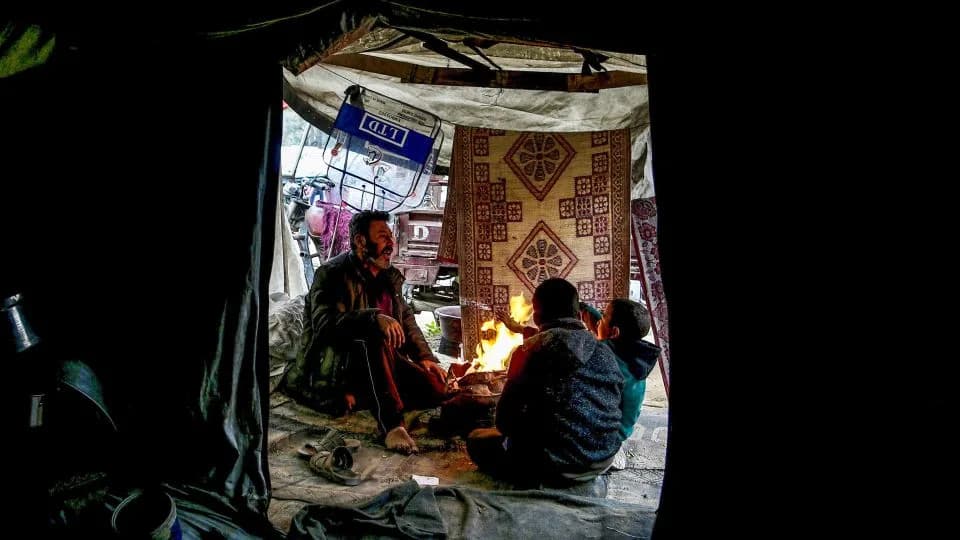
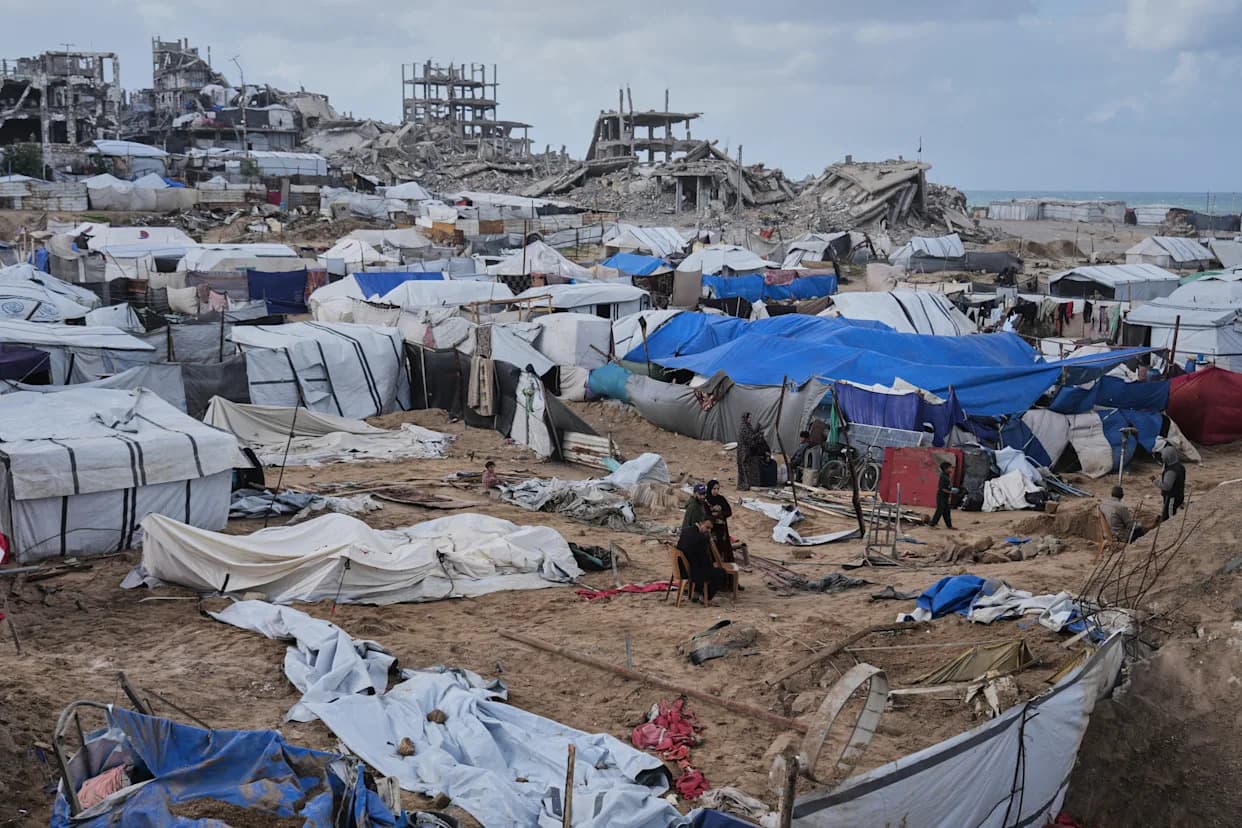
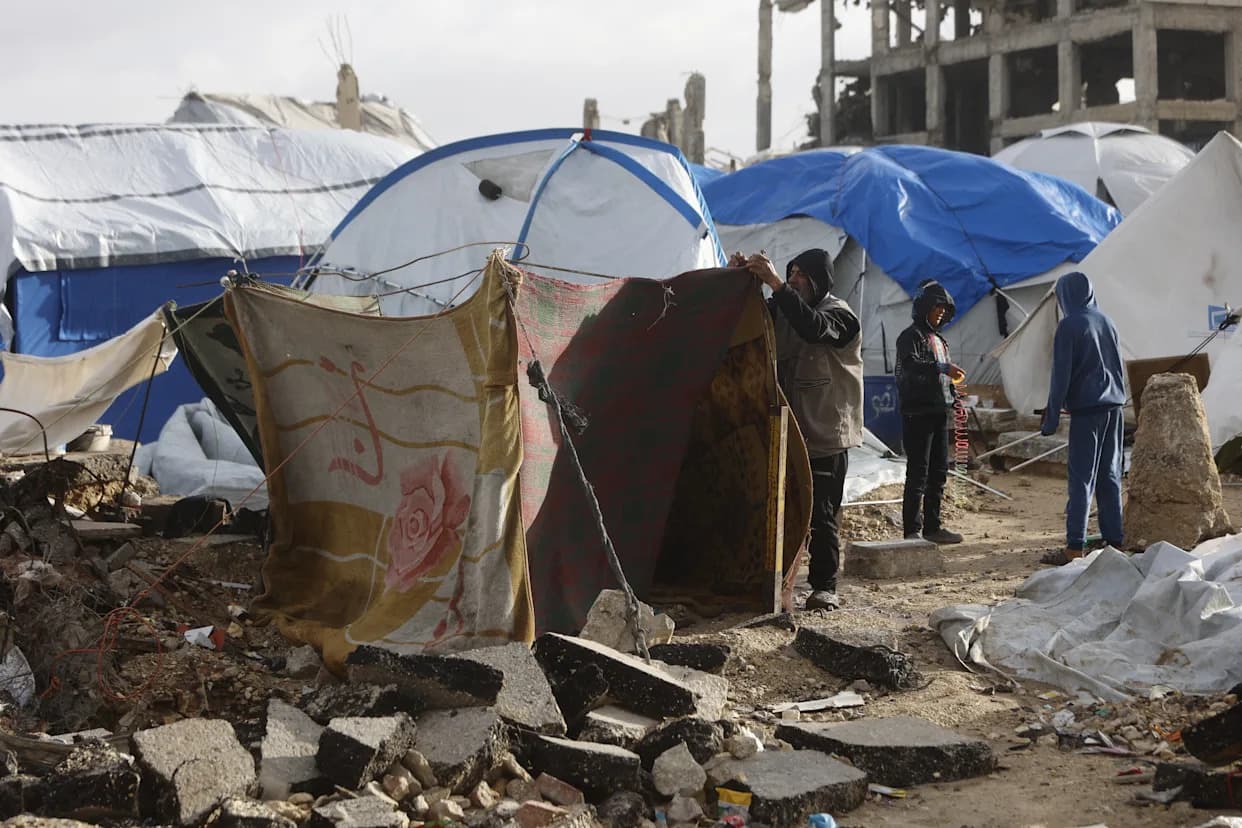
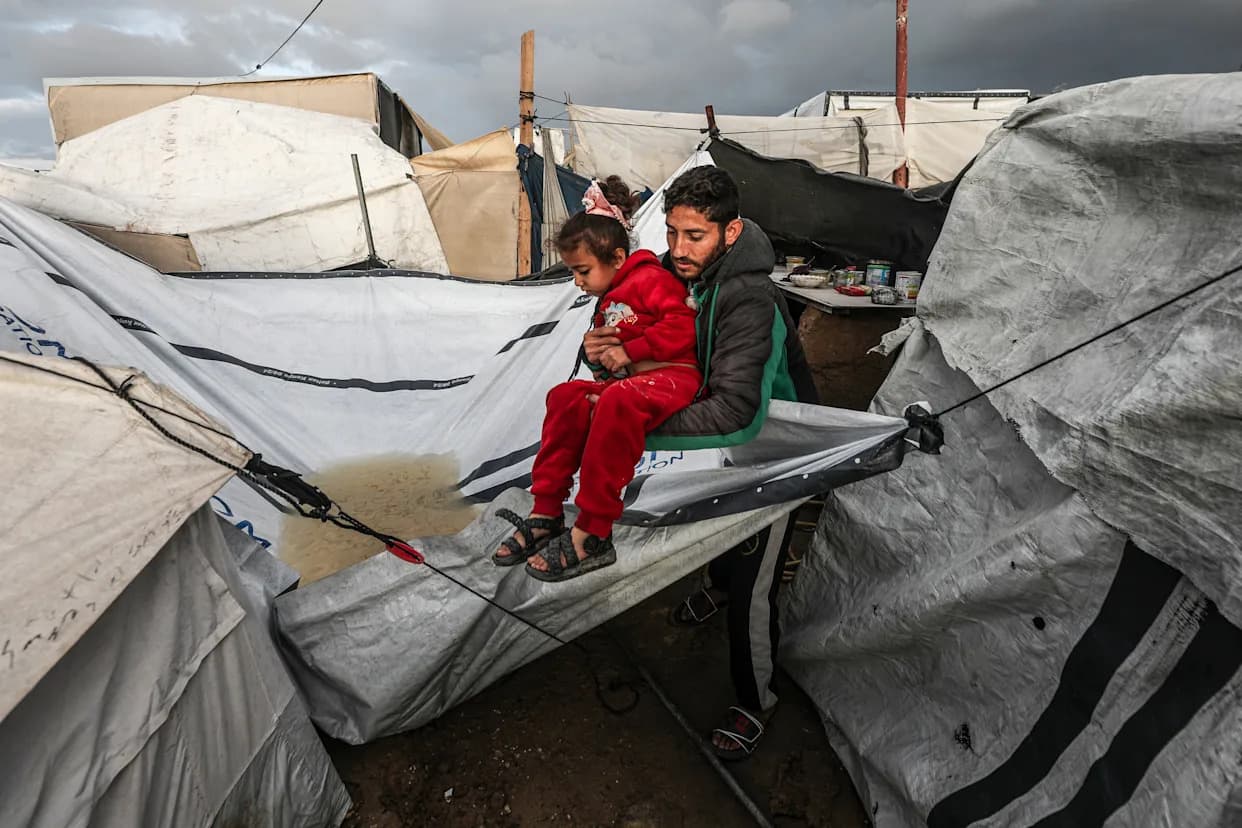
Reporting from Gaza City, Al Jazeera correspondent Tareq Abu Azzoum described how many basic protections for civilians have been "systematically dismantled" amid the ongoing conflict. "Families are living in tents on wet ground without heating, electricity or sufficient clothing," he said. "When food, fuel, shelter and aid are banned, cold absolutely becomes lethal."
"Families are living in tents on wet ground without heating, electricity or sufficient clothing." — Tareq Abu Azzoum, Al Jazeera
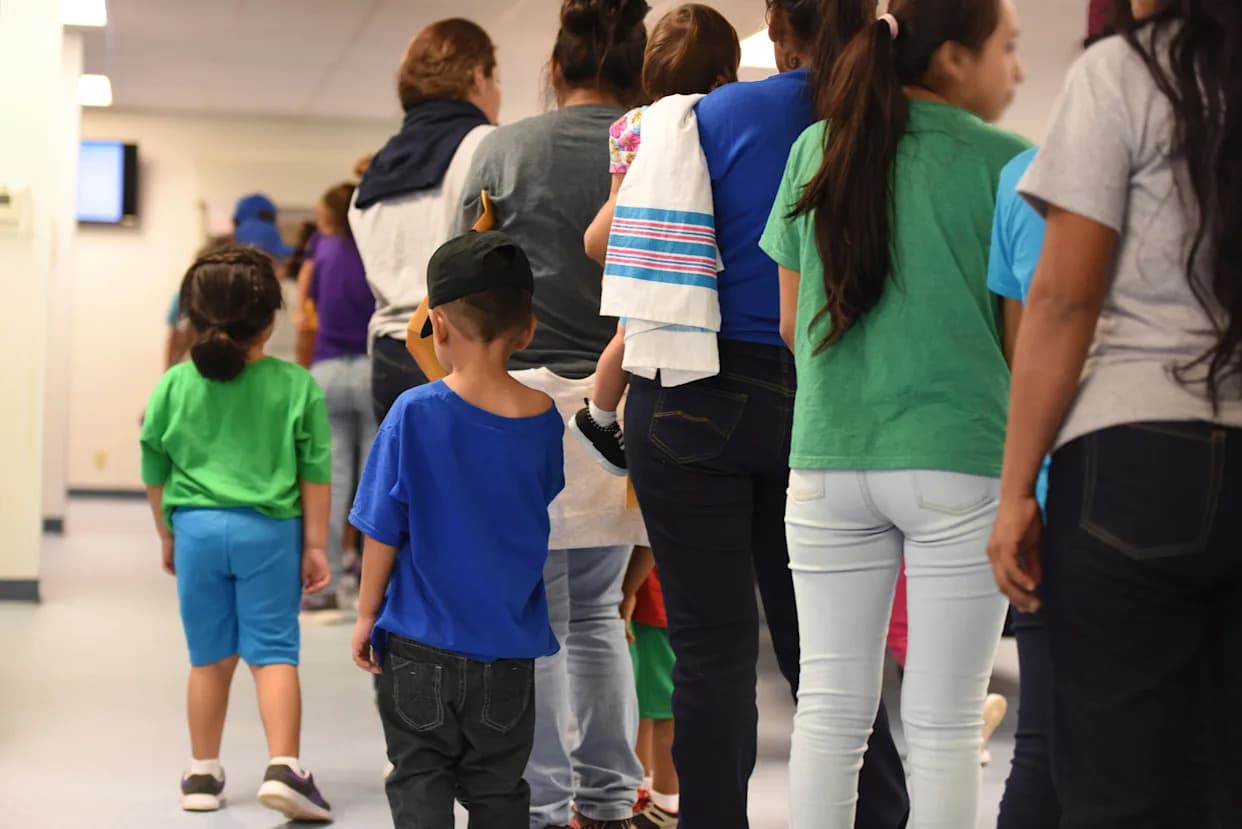
Officials say more than 80% of Gaza's buildings have been damaged or rendered unusable over two years of war, forcing hundreds of thousands into flimsy tents and overcrowded makeshift shelters that provide little protection from winter storms.
Storms, damage and urgent needs
A severe storm recently swept the Strip, killing at least 11 people, according to local authorities. Heavy rains and strong winds flooded tents and caused damaged structures to collapse.
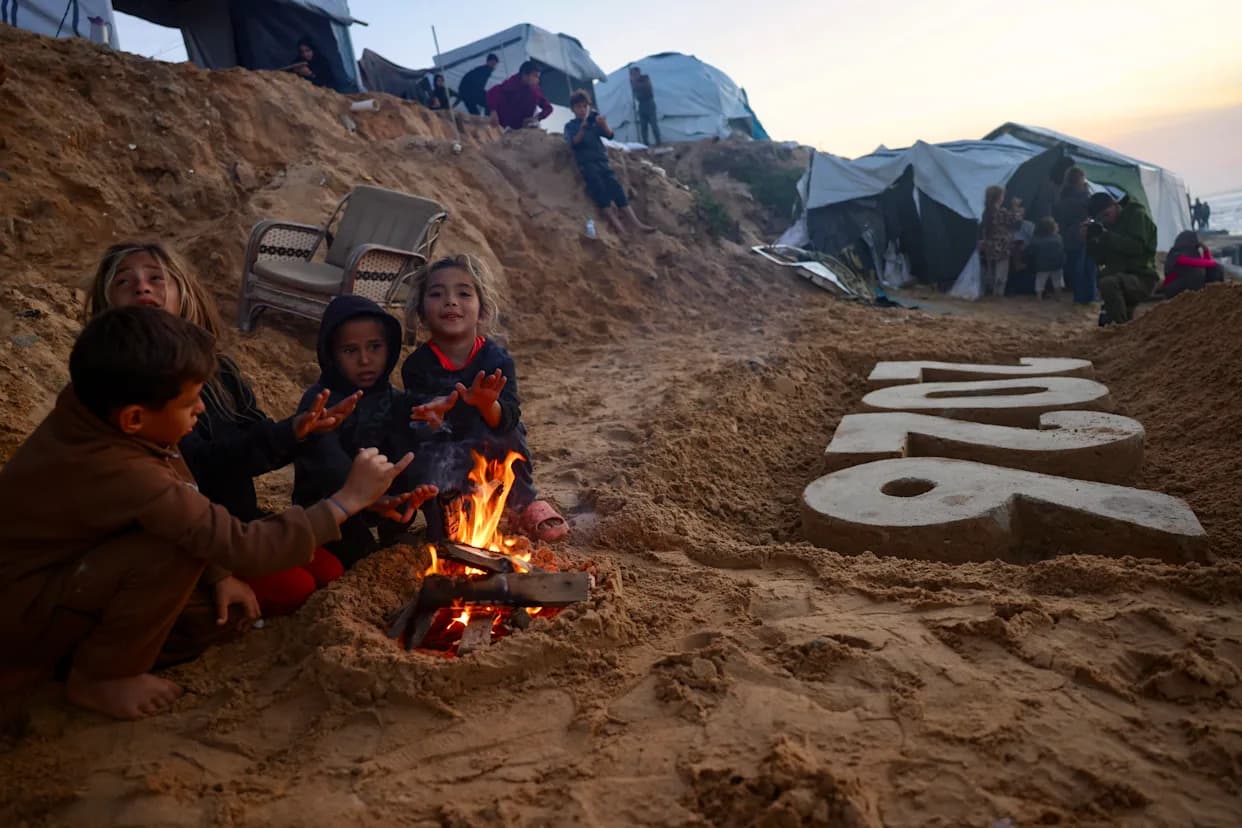
Displaced families described desperate measures to keep children warm. "We try to dry the children's clothes over the fire," said Umm Mohammed Assaliya, a mother sheltering in Gaza City. "There are no spare clothes for them. I am exhausted. The tent we were given cannot withstand winter conditions. We need blankets."
Humanitarian access and agency statements
Humanitarian groups have repeatedly called on Israel to allow unimpeded, large-scale deliveries of aid into Gaza. The United Nations Relief and Works Agency for Palestine Refugees (UNRWA) said it has been prevented from bringing supplies directly into the territory, despite its role distributing relief across Gaza.
"People have reportedly died due to the collapse of damaged buildings where families were sheltering. Children have reportedly died from exposure to the cold. This must stop. Aid must be allowed in at scale, now." — UNRWA (social media statement)
Security and political tensions
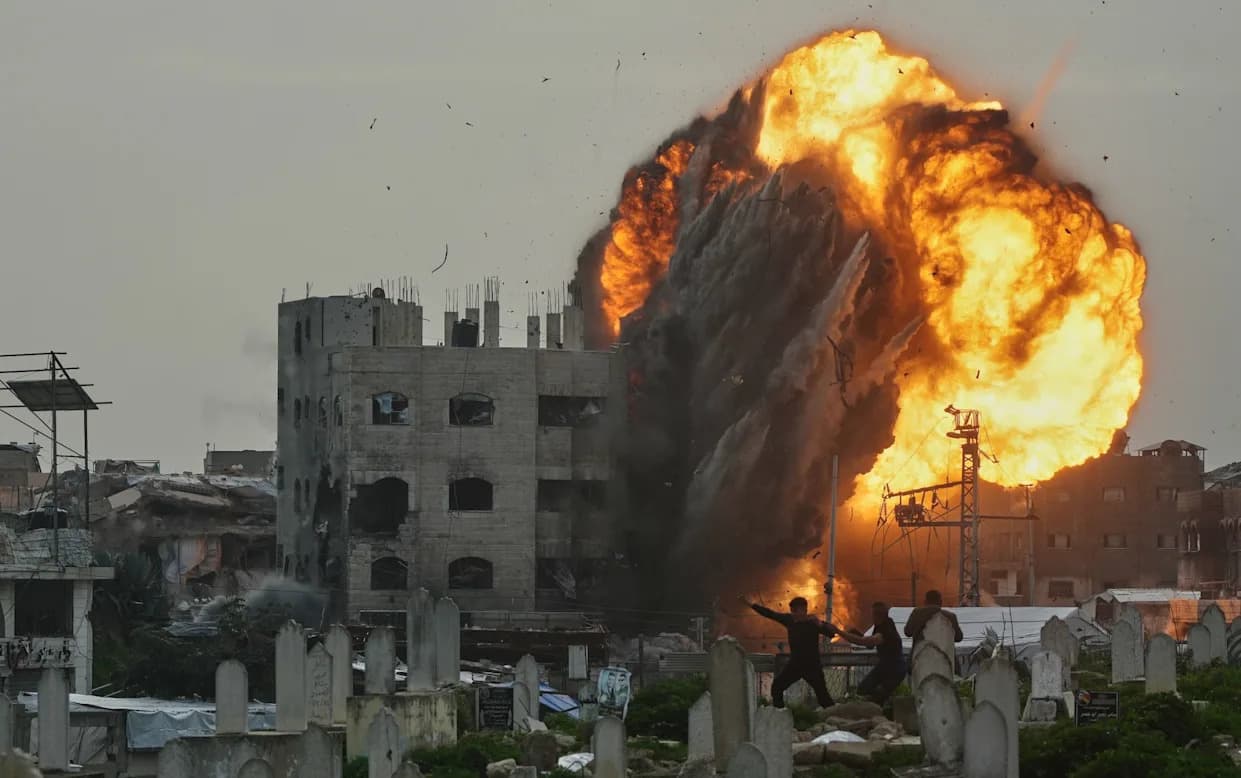
The fragile ceasefire that came into effect in October remains under strain. Gaza's Health Ministry reports that since the first full day of the truce on October 11, at least 393 Palestinians have been killed and 1,074 wounded in strikes on Gaza.
Separately, the Israeli military said it killed senior Hamas figure Raed Saad in a targeted strike on a vehicle in western Gaza City, an action Gaza officials say further strained the truce. Hamas has condemned what it describes as repeated violations of the US-brokered agreement and accused Israel of manipulating and breaching the text; Hamas officials say they have upheld their side of the deal.
This developing humanitarian emergency has left aid agencies urging immediate, scaled-up access to shelter, fuel, blankets and medical supplies to prevent further deaths, particularly among children and other vulnerable groups.