Eman Abu al‑Khair, a displaced mother in Khan Younis, Gaza, lost her two‑week‑old son Mohammed to acute hypothermia after their tent flooded and temperatures plummeted. Heavy rain and lack of nighttime transport delayed access to hospital care; the infant died after two days in intensive care on December 15. Gaza's Ministry of Health said this was the fourth child to die from cold this month and warned of increased health risks from damp tents and limited medical access. Families and officials call for urgent shelter, winter supplies and medical outreach for displaced populations.
Two-Week-Old Dies of Hypothermia in Gaza as Displaced Families Face Winter Crisis

Mother Eman Abu Al-Khair and her two-year-old daughter Mona checking baby Mohammed’s clothes bag after his death [Abdelhakim Abu Riash/Al Jazeera]
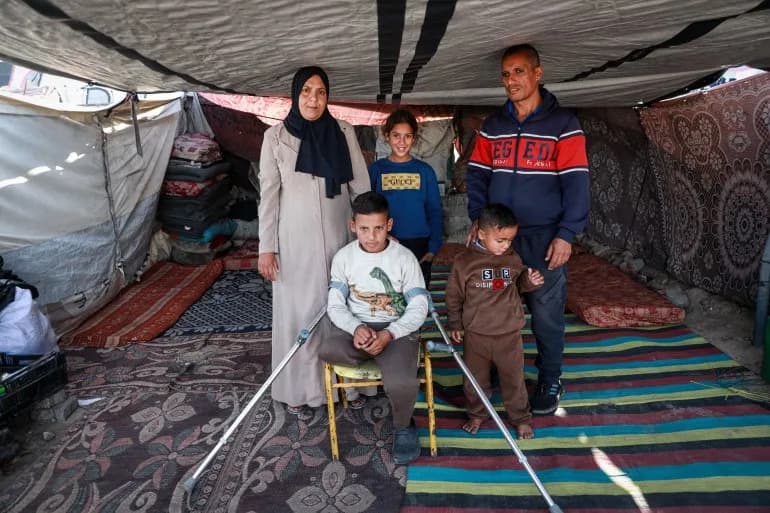
In Khan Younis, Gaza Strip, 34-year-old Eman Abu al-Khair sat inside a rain‑soaked tent holding a small bag of her newborn's clothes after her two‑week‑old son, Mohammed Khalil Abu al-Khair, died of acute hypothermia on the morning of December 15.
Family Account
The family had been displaced from the east of Khan Younis to the al‑Mawasi area in the south of the strip. Mohammed was born on December 1. On the night of December 13, temperatures fell sharply and heavy rain poured into the tent. Eman says she found the infant cold and barely breathing when she checked on him later that night.
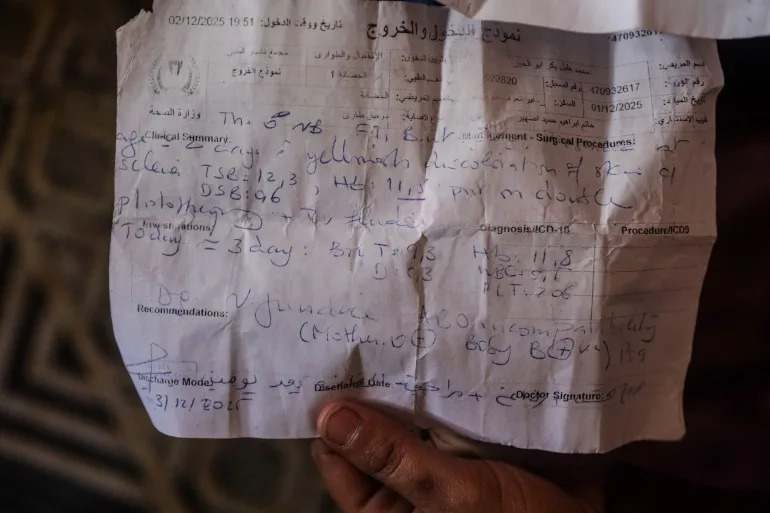
Medical report of baby Mohammed, describing his deteriorating condition upon hospital admission two days before his death [Abdelhakim Abu Riash/ Al Jazeera]
"His body was cold as ice. His hands and feet were frozen, his face stiff and yellowish, and he was barely breathing," Eman told Al Jazeera.
The father could not find transportation at night to reach hospital care, and the family waited until daylight. They then traveled by animal‑drawn cart to the Red Crescent Hospital in Khan Younis, but doctors said Mohammed arrived in critical condition. He spent two days in the paediatric intensive care unit on a ventilator before he died.
Medical Findings and Official Statement
Gaza's Ministry of Health confirmed the death, stating that two‑week‑old Mohammed died from acute hypothermia after a severe drop in body temperature amid inadequate shelter and recent bad weather. The ministry also reported that four children have died from cold‑related causes in Gaza this month.
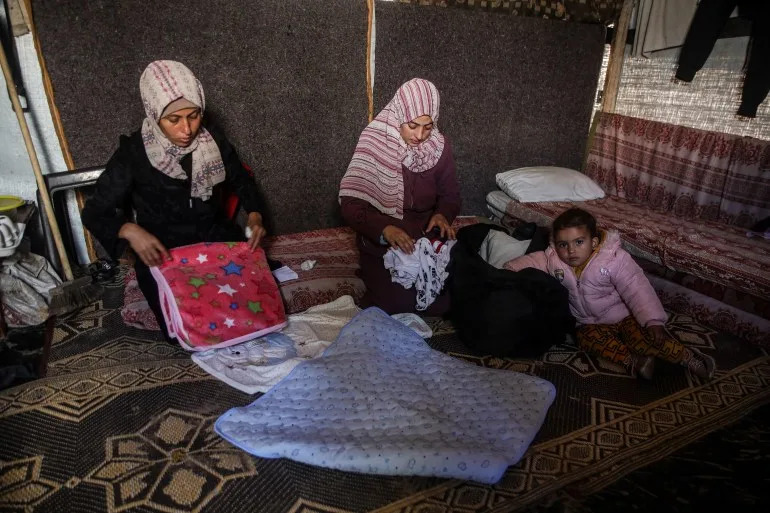
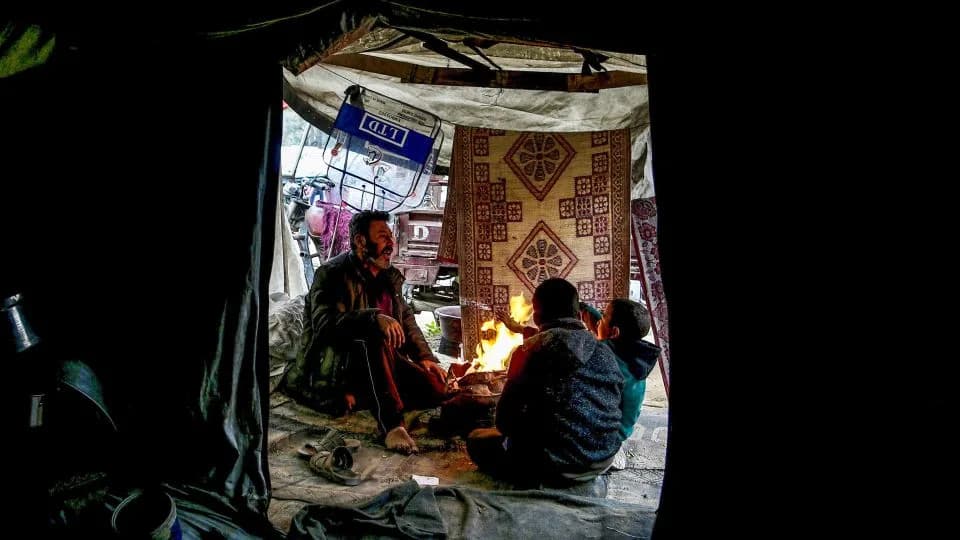
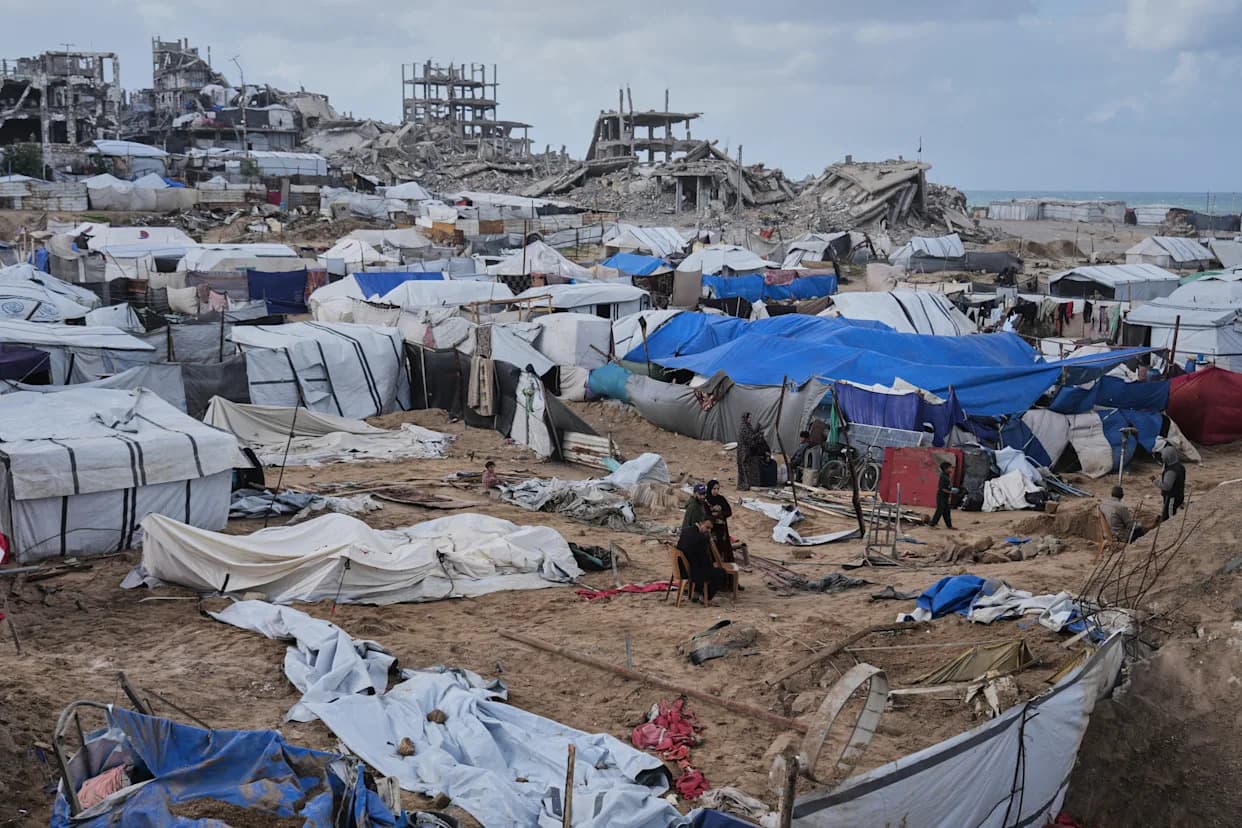
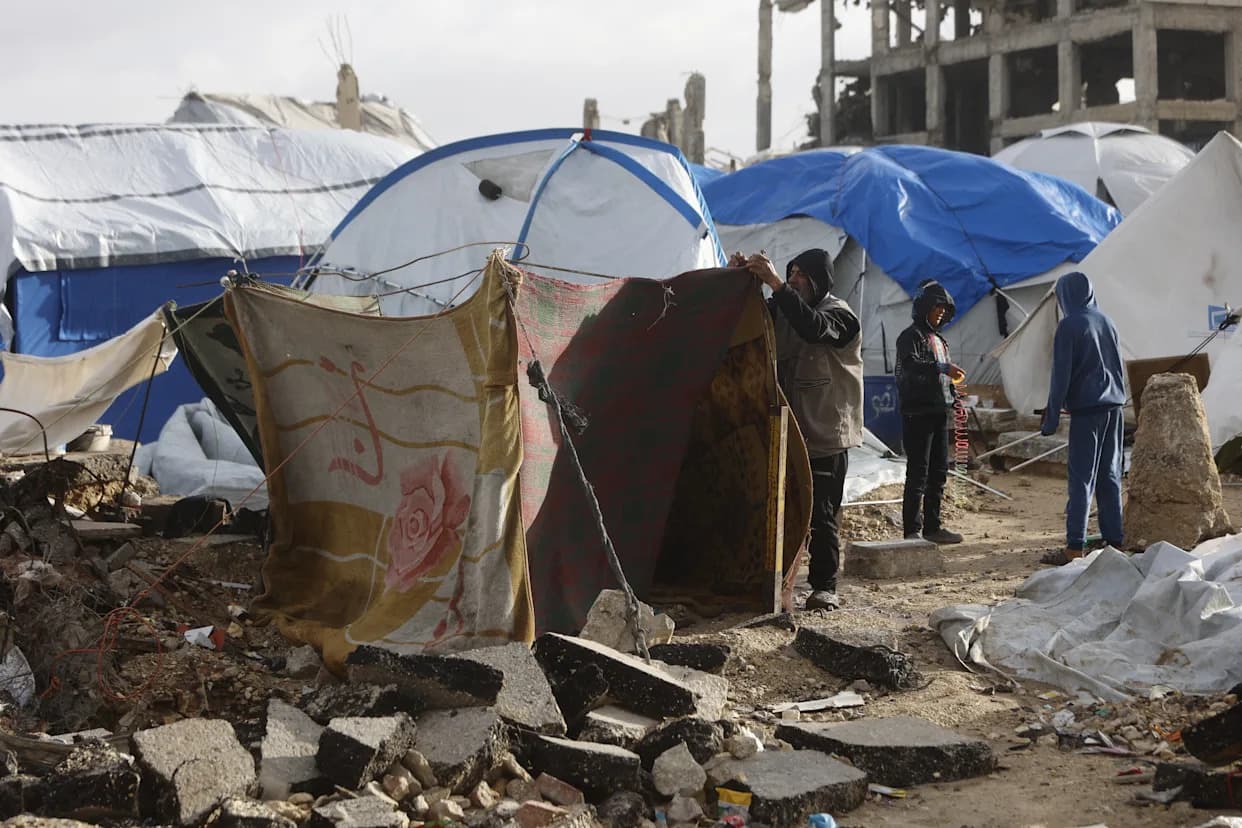
The family lives in a tent made of fabric and nylon in Khan Younis’ camps after their displacement a year ago and the destruction of their home [Abdelhakim Abu Riash, Al Jazeera]
Humanitarian Risks
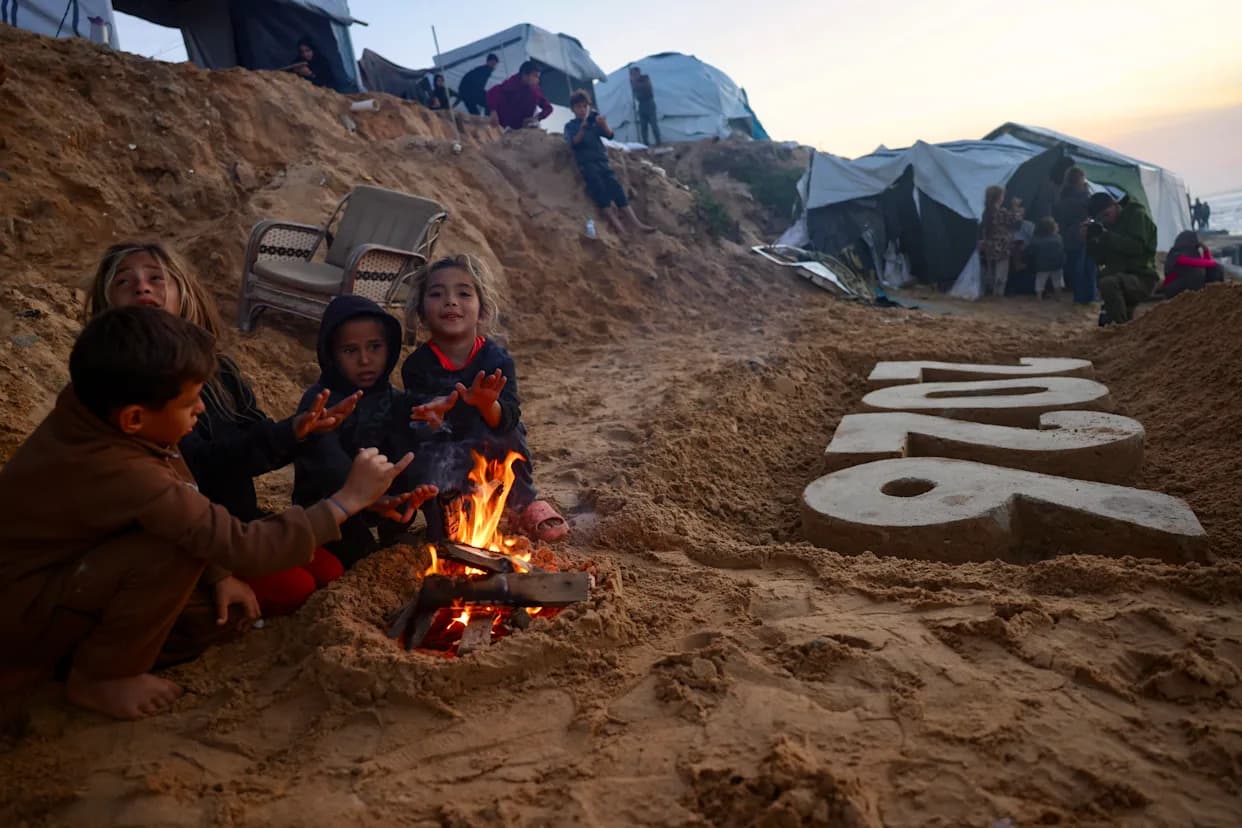
Munir al‑Bursh, director general at Gaza's Ministry of Health, warned that falling temperatures, moisture and standing water inside displacement tents increase the risk of respiratory infections and other health problems for children, the elderly and the chronically ill. Access to healthcare remains limited for many displaced families.
Despite a ceasefire that began in October, reconstruction has been minimal and many residential buildings remain destroyed or uninhabitable. Hostilities and periodic attacks have continued in parts of Gaza, and humanitarian actors say the lack of adequate shelter, heating and medical access means winter risks are likely to persist.
Aftermath
Eman, who also cares for a two‑year‑old daughter, described frantic efforts to keep the newborn warm using every available blanket and piece of clothing. She now watches over her daughter constantly, fearing further loss. "We want a dignified life for our children, nothing more," she said.
The family and local health officials say immediate needs include dry, insulated shelter (caravans or housing units), winter supplies for newborns and improved transport and medical outreach to displacement sites.
Help us improve.