Ukrainian President Volodymyr Zelenskyy visited Warsaw to shore up relations with President Karol Nawrocki after a four-month wait for the meeting. The visit highlights the two countries’ mutual dependence since Russia’s 2022 invasion: Poland is a key conduit for military and humanitarian aid and a potential guarantor of future security arrangements. Tensions persist over historical issues—most notably the Volhynia massacres—but a January agreement allowing some exhumations has been seen as a breakthrough. Nawrocki is expected to press Zelenskyy for further assurances and reciprocal gestures.
Zelenskyy Seeks Reassurance in Warsaw as Poland’s New President Presses for ‘Symmetry’

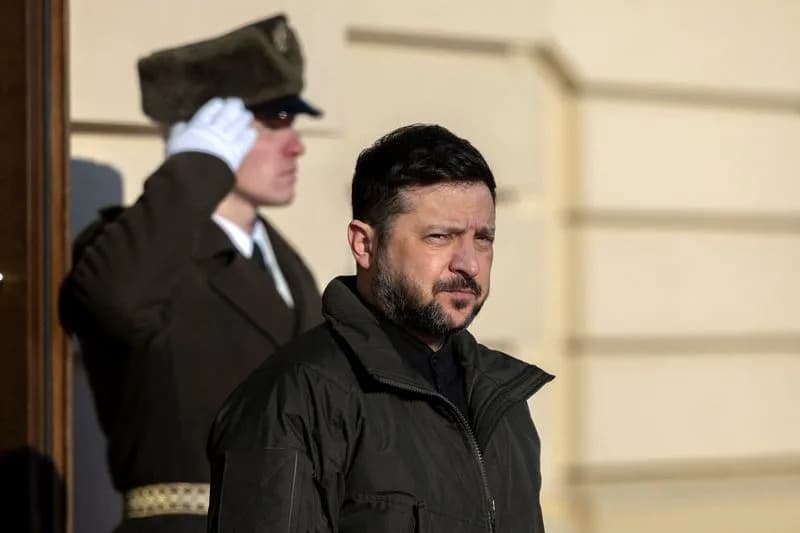
Polish President Karol Nawrocki, left, and Ukrainian President Volodymyr Zelenskyy attend an official welcome ceremony before their meeting at the Presidential Palace in Warsaw, Poland, Friday, Dec. 19, 2025. (AP Photo/Czarek Sokolowski)(ASSOCIATED PRESS)
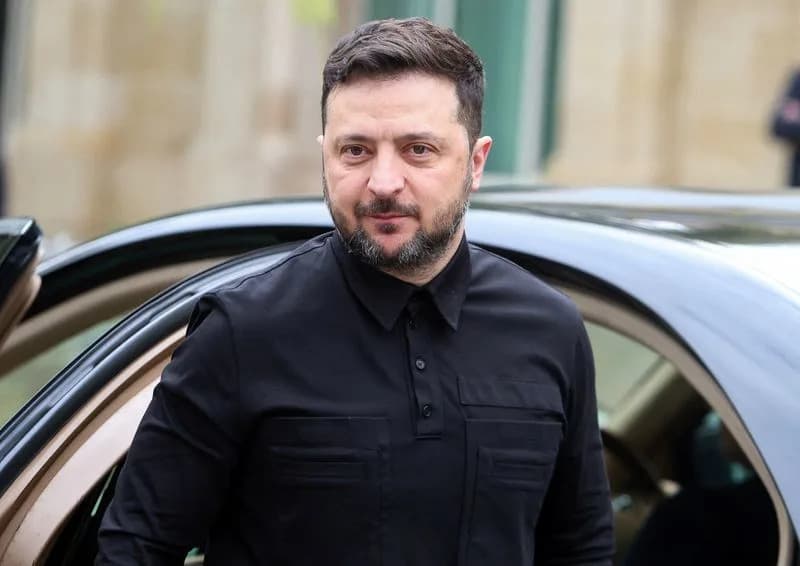
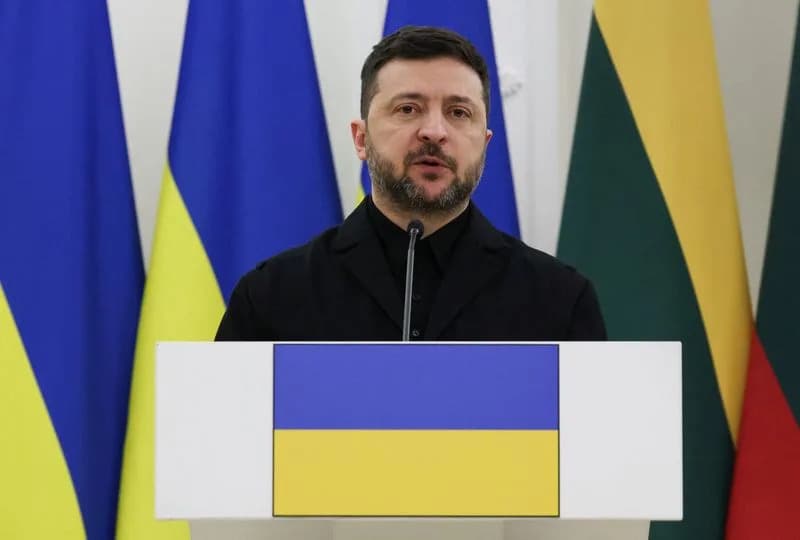
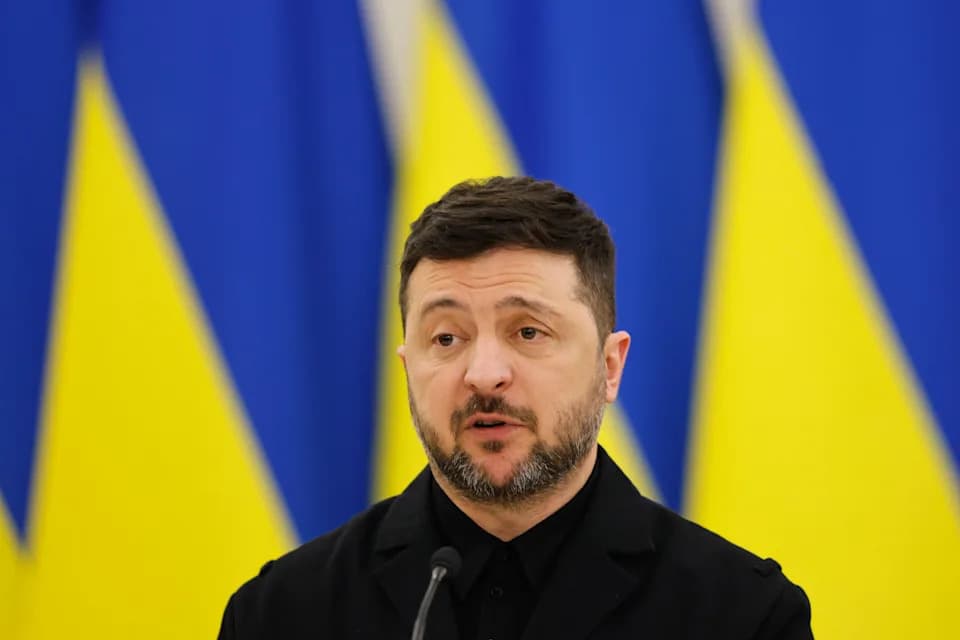
Ukrainian President Volodymyr Zelenskyy was welcomed at Warsaw’s Presidential Palace on Friday by Poland’s head of state, Karol Nawrocki, in a visit intended to steady ties between two close partners amid political uncertainty in Poland.
The meeting, held more than four months after Nawrocki took office in August, underscored the practical interdependence that has developed since Russia’s full-scale invasion of Ukraine in 2022. Poland has been a major conduit for military and humanitarian aid to Kyiv and is expected to play a central role in any framework providing Western security guarantees to Ukraine should a peace deal be negotiated.
Careful Diplomacy Under Domestic Pressure
Although Poland’s current government is broadly supportive of Ukraine—with Prime Minister Donald Tusk among Kyiv’s most vocal advocates internationally—Poland’s political landscape remains unsettled. Election results suggest the nationalist Law and Justice party could return to power in 2027, and Nawrocki, who was elected with Law and Justice backing, has adopted a more cautious tone toward Kyiv.
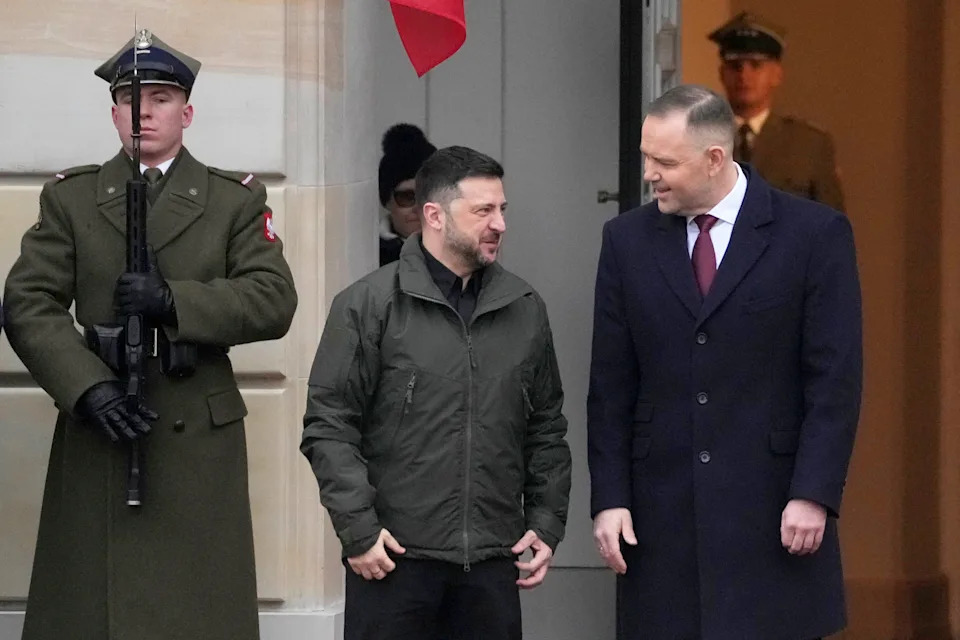
Polish President Karol Nawrocki, right, and Ukrainian President Volodymyr Zelenskyy attend an official welcome ceremony before their meeting at the Presidential Palace in Warsaw, Poland, Friday, Dec. 19, 2025. (AP Photo/Czarek Sokolowski)(ASSOCIATED PRESS)
In early December Nawrocki publicly said he expected Zelenskyy to “express gratitude” for Poland’s significant military and humanitarian assistance, adding that he has “consistently demanded symmetry in relations between Poland and Ukraine.” He has also warned that Ukraine’s EU accession should not be unconditional and argued that Poland is dedicating substantial resources to Ukrainian refugees at the expense of its own citizens.
Historical Tensions and a Small Breakthrough
A major source of friction remains the legacy of World War II-era violence in Volhynia and Eastern Galicia, where interethnic attacks and reprisals caused large civilian casualties on both sides. Polish authorities estimate tens of thousands of Poles were killed in that period—an issue that has long strained Warsaw–Kyiv relations.
In January, however, the two governments reached an agreement allowing exhumations of some Polish victims, a development described by officials as a breakthrough. Exhumations this year in the village of Puzhnyky in Ternopil region uncovered the remains of at least 42 people believed to be victims of the Volhynia massacres; work has also taken place at Lviv–Zboiska, and both sides have approved further permissions.
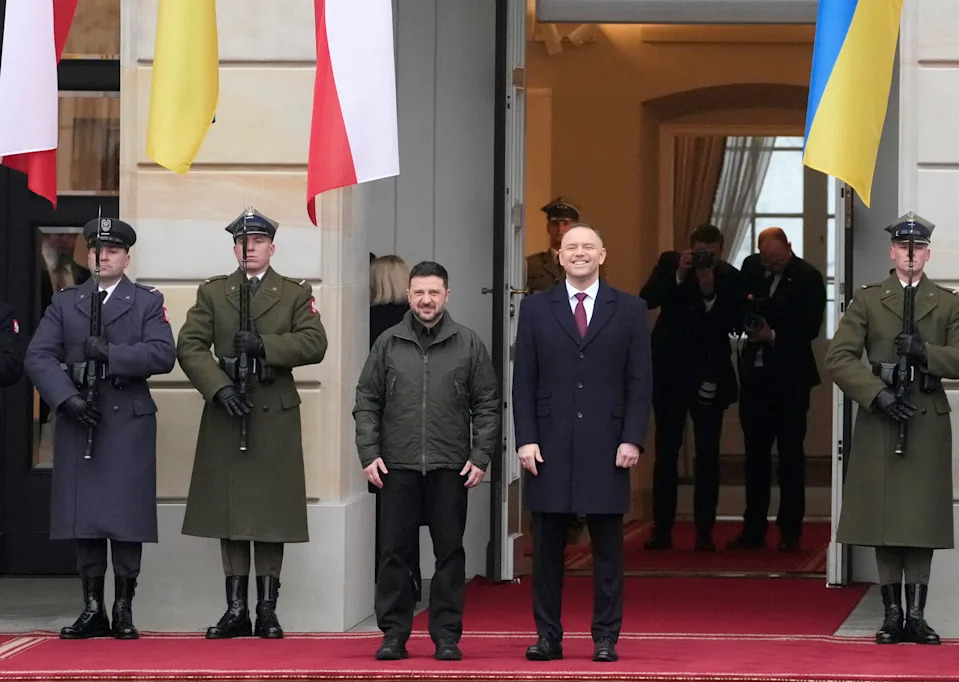
Polish President Karol Nawrocki, center, and Ukrainian President Volodymyr Zelenskyy attend an official welcome ceremony before their meeting at the Presidential Palace in Warsaw, Poland, Friday, Dec. 19, 2025. (AP Photo/Czarek Sokolowski)(ASSOCIATED PRESS)
Despite these steps, Nawrocki—whose campaign pledged to prioritize Polish interests—is expected to press Zelenskyy for additional assurances during their talks, potentially seeking commitments on reciprocal treatment and clearer milestones on sensitive issues.
Nawrocki: “I have consistently demanded symmetry in relations between Poland and Ukraine.”
The Warsaw visit is meant to signal continued cooperation while addressing Warsaw’s domestic political concerns—balancing gratitude for Polish aid with demands for reciprocal gestures and tangible commitments from Kyiv.
Illia Novikov contributed to this report from Kyiv, Ukraine.
Help us improve.