At least 104 civilians have been killed in drone strikes across Sudan’s Kordofan region, including a deadly strike on a kindergarten and hospital in Kalogi that killed 89 people. Six Bangladeshi UN peacekeepers were also killed in Kadugli. The attacks have displaced tens of thousands, overwhelmed health services amid cholera and dengue outbreaks, and expanded the conflict beyond Darfur as diplomatic efforts to stop the fighting resume.
Drone Strikes Kill Over 100 Civilians In Sudan’s Kordofan; Hospitals And UN Peacekeepers Hit

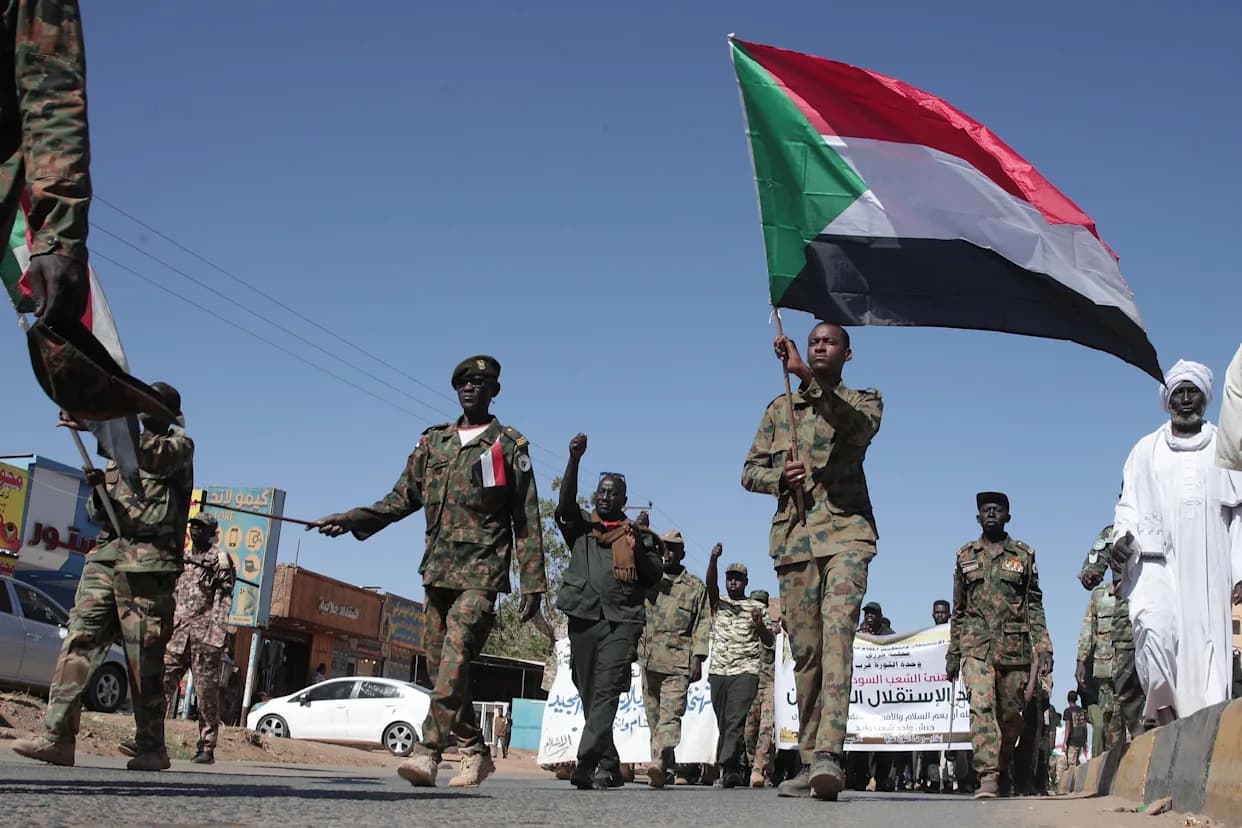
The central Kordofan region is where fighting in Sudan is now concentrated [File: Mohamed Jamal/Reuters]
At least 104 civilians have been killed in a wave of drone strikes across Sudan’s central Kordofan region, marking a sharp escalation in the country’s civil war as it enters its third year. The attacks since early December have struck towns, medical facilities and civilian infrastructure, displacing tens of thousands and worsening public-health emergencies.
Attacks, Casualties and Key Incidents
The deadliest single incident occurred in Kalogi, South Kordofan, where a kindergarten and a hospital were hit. Local reports say 89 people died in that strike, including 43 children and eight women. United Nations human rights chief Volker Türk said he was "alarmed by the further intensification in hostilities" and warned that attacks on medical facilities violate international humanitarian law.
On December 13, drones struck a base in Kadugli, the capital of South Kordofan, killing six Bangladeshi UN peacekeepers. UN Secretary-General António Guterres condemned what he called "horrific drone attacks," saying assaults on peacekeepers "may constitute war crimes under international law." A day later, Dilling Military Hospital was also hit: casualty figures vary by source, with the Sudan Doctors Network reporting nine dead and 17 wounded and UN officials reporting six dead and 12 wounded, many of them medical staff.
Humanitarian Impact
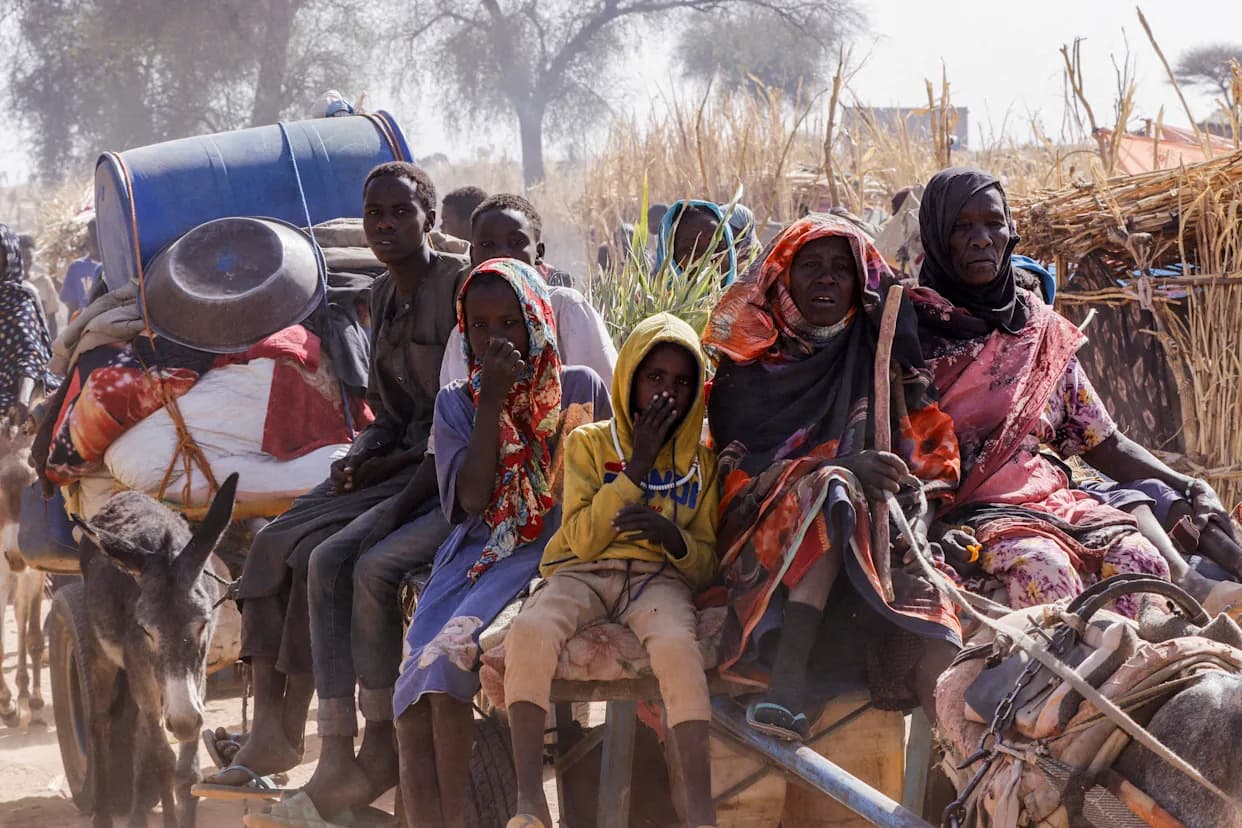
Beyond the immediate death toll, the strikes have intensified an already dire humanitarian situation. North Kordofan’s Health Minister, Iman Malik, reported 13,609 cholera cases and 730 dengue infections in the state, and said roughly 30% of health facilities are nonfunctional because of the fighting. More than 40,000 people have fled North Kordofan, and civilians remain trapped in besieged towns including Kadugli and Dilling. In Heglig, which the Rapid Support Forces (RSF) captured before handing it to South Sudan’s army under a tripartite agreement, nearly 2,000 people were displaced into White Nile state.
Responsibility, Allegations And Investigations
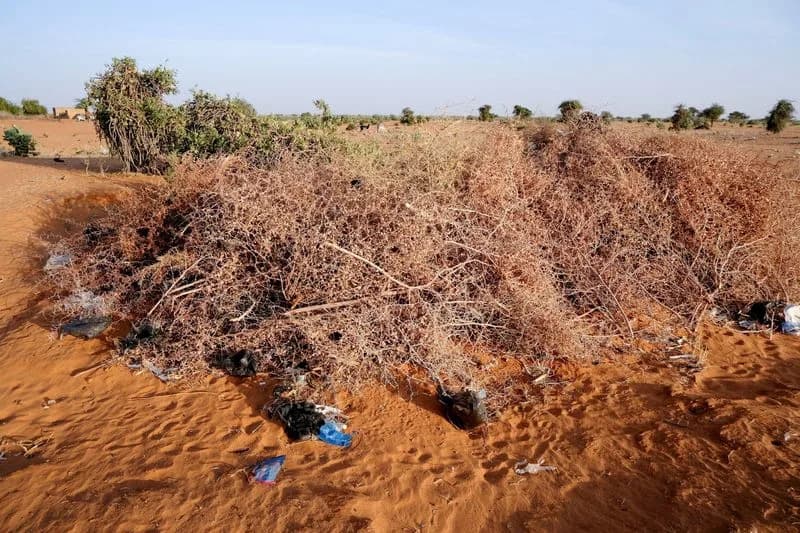
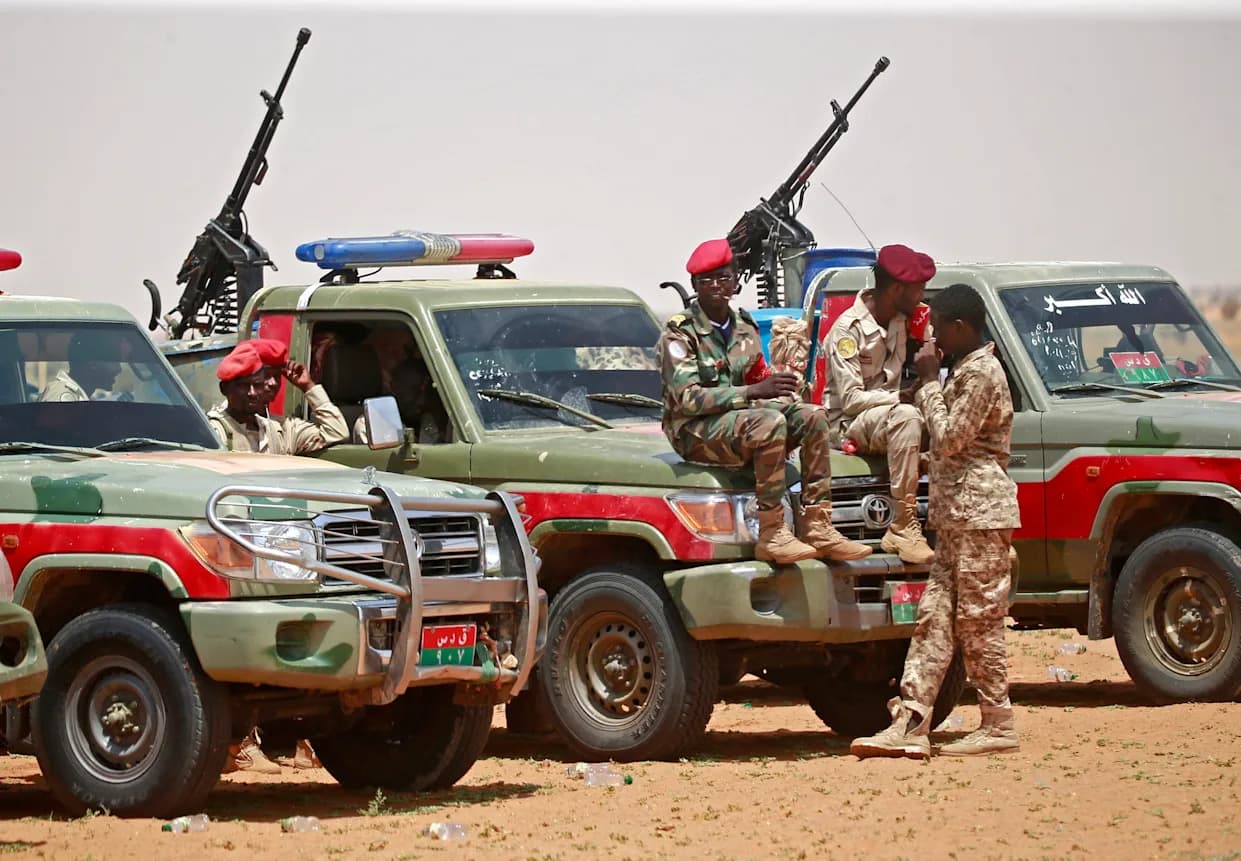
The Sudanese Armed Forces (SAF), aligned with the government, have blamed the RSF for the drone strikes; the RSF has not publicly responded to those accusations. Researchers at Yale School of Public Health’s Humanitarian Research Lab reported that during the RSF’s October seizure of el-Fasher in Darfur, civilians attempting to flee were killed and evidence was later destroyed by burying, burning and removing bodies.
Diplomacy And The Wider Conflict
The fighting in Kordofan marks a significant expansion of the conflict beyond Darfur. Diplomatic efforts to curb the violence have resumed: SAF chief Abdel Fattah al-Burhan met Saudi Crown Prince Mohammed bin Salman on December 15 and expressed readiness to work with U.S. authorities on peace efforts. Egypt and the United States jointly called for a comprehensive ceasefire, rejecting any attempts to divide Sudan.
Context
Since the war began in April 2023, U.N. figures put the death toll at more than 40,000, with aid groups warning the real number is likely higher. More than 14 million people have been displaced, and Sudan has topped the International Rescue Committee’s Emergency Watchlist for three consecutive years. The strikes in Kordofan have further strained health services already battling cholera and dengue outbreaks and amplified the scale of the humanitarian crisis.
Note: Casualty figures vary by source; this article uses reported numbers from U.N. officials, local health authorities and humanitarian organizations where available.
Help us improve.