
The Lancet Planetary Health study analysed urine from over 1,000 pregnant women in France and Spain and found that higher prenatal levels of BPS and methylparaben were associated with modest differences in emotional and behavioural scores in children at 18–24 months. Associations were stronger for BPS in boys, but researchers stressed the findings show potential links, not proof of causation. Experts highlighted limitations — including limited sampling and unmeasured confounders — and called for more research before policy changes.
Everyday Plastic Chemicals Tied To Small Behavioural Differences In Toddlers, Study Finds
05:01 PM, 12/10/2025

Chemicals leaching from everyday plastic objects may affect your child’s behaviour, study finds
Chemicals that leach from common plastic items — including some baby products — may be linked to small differences in emotional and behavioural development in young children, a new multi‑cohort study suggests.
Study Details
The research, published in The Lancet Planetary Health, analysed urine samples from more than 1,000 pregnant women enrolled in cohorts across France and Spain. Investigators measured prenatal exposure to two compounds increasingly used as alternatives to bisphenol A (BPA): bisphenol S (BPS) and methylparaben.
Key Findings
Higher prenatal concentrations of BPS and methylparaben were associated with modest differences in children’s emotional and behavioural scores at 18–24 months. The associations were small but statistically detectable and appeared to differ by sex; the link between BPS and behavioural scores was stronger in boys than girls.
Authors’ caveat: The research indicates “important potential connections” but does not establish that prenatal exposure to these chemicals directly causes behavioural problems.
What Experts Say
Oliver Jones, Professor of Chemistry at RMIT University, emphasised that the study reports associations, not causation. He noted that urinary measurements largely reflect recently excreted chemicals and that only a limited number of samples were collected per participant, which may not capture exposure across the full pregnancy.
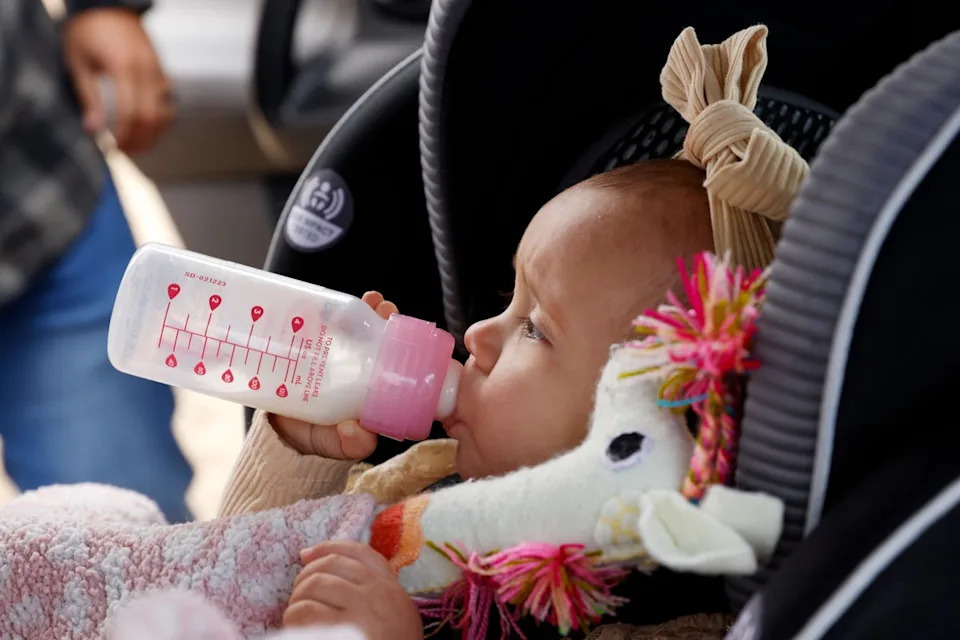
BPA was once used in baby bottles and food containers that was linked to hormonal disruption and possible developmental effects (AP)
Dr Ria Devereux, Environmental Research Fellow at the University of East London, reminded readers that early childhood behaviour is shaped by many factors — including home environment, socioeconomic status and genetics — many of which were not fully captured by this study. She also noted that evidence on BPS is mixed across different studies.
Biological Pathways And Limitations
The research team tested whether changes in stress hormones might explain the observed patterns but did not identify a clear biological pathway. Limitations include the small number of urine samples per woman, potential unmeasured confounders (such as sleep, diet and postnatal environment) and the observational design, which cannot prove causation.
Context And Implications
BPS and methylparaben have been adopted widely as BPA substitutes in plastics, thermal paper and personal-care products. Earlier concerns about BPA’s endocrine activity prompted bans in baby bottles and tighter limits in food packaging across the EU and other jurisdictions. The study’s authors call for more research before regulatory changes are recommended but argue that exposures during pregnancy — a sensitive window for fetal development — warrant closer attention.
Bottom line: This large observational study adds to growing scrutiny of BPA alternatives by reporting modest associations with early behavioural scores. The results are hypothesis‑generating and underscore the need for further research to confirm findings, clarify mechanisms and assess long‑term outcomes.
Similar Articles

Microplastics Reach Mice Brains Within Weeks — What That Could Mean for Human Health
A study in Environmental Health Perspectives found microplastics in mice livers, kidneys and brains after just four weeks of ...

Hidden hazard at the dinner table: Microplastics found in semen and linked to sperm damage
A study in the Journal of Nanobiotechnology found microplastics in the semen of more than half of 200 men tested, with polyst...

New Study Finds Common Crop Sprays Change Bee and Fish Behavior — Wider Ecological Risk
A UFZ study shows that common herbicides and insecticides can change the behaviour of bees and fish, with bees foraging less ...

Greenpeace Study Finds High PFAS Levels in North and Baltic Sea Seafood — Some Samples Nearly 9× EU Guidance
Greenpeace testing found high PFAS levels in fish, crabs and mussels from the North and Baltic seas. Some samples were nearly...

Rising Heat May Impair Young Children’s Early Learning, International Study Warns
Researchers analyzed data from more than 19,600 three- and four-year-olds in six countries and found that exposure to average...

Common Pesticides and Industrial Chemicals Harm Gut Bacteria and May Threaten Male Fertility, Studies Warn
Two studies raise concerns that common industrial chemicals and pesticides can harm gut bacteria and potentially threaten mal...

Common Pesticides and Household Chemicals May Harm Gut Bacteria, Lab Study Finds
Laboratory research from the University of Cambridge tested 1,076 chemicals against 22 common gut bacterial species and found...

Predicting Postpartum Depression: A New Blood Test, Hormone Clues, and Faster Treatments
Postpartum depression affects about 1 in 8 U.S. women and often begins in the weeks after childbirth when estrogen and proges...

Study Finds Dolphins Exhaling Microplastics Chemically Similar to Human Airway Particles — Health Impact Unknown
A PLOS ONE study detected microplastic fibers in breath samples from bottlenose dolphins in Barataria Bay (LA) and Sarasota B...

Blood Epigenetic Signal After Pediatric Traumatic Brain Injury Could Guide Personalized Recovery
Researchers found that children with traumatic brain injury showed lower DNA methylation in the BDNF gene within about 30 hou...

Major Retraction: Journal Withdraws 2000 Roundup Safety Study Over 'Serious Ethical Concerns'
What Happened: Regulatory Toxicology and Pharmacology retracted a 2000 paper that long supported Monsanto’s claim that glypho...

Doctors Push Back After Federal Panel Recommends Ending Routine Newborn Hepatitis B Shot
The Health Secretary’s advisory panel recommended ending routine newborn hepatitis B vaccination and is reviewing broader cha...

UNICEF Warns: Ultra-Processed Foods Threaten Children’s Health Worldwide
UNICEF’s analysis finds children worldwide are increasingly exposed to ultra-processed foods (UPFs), which combine sugar, sal...

A Dangerous Precedent? DNA Companies Offer Parents the Chance to Choose Embryos by Traits
Genetic-testing companies are now offering embryo assessments that claim to predict traits ranging from eye color to estimate...

Decoding the Teenage Brain: What Science Has Learned—and What Remains a Mystery
Scientists are actively studying how adolescent brains change as children become adults. The NIH-funded ABCD study follows ro...