Storm Byron’s heavy rain and winds caused multiple collapses of buildings in Gaza that were already structurally weakened by years of bombardment. Authorities reported 11 deaths, 13 homes collapsed and about 27,000 tents flooded or swept away; rescue teams faced shortages of machinery, equipment and fuel. Aid agencies and officials warn the situation will worsen without unhindered humanitarian access, building materials and improved emergency capacity.
Storm Byron: Why Gaza’s War‑Damaged Homes Collapsed — And What Comes Next

Palestinians ride in a cart through a flooded street after a storm in Gaza City on December 10, 2025 [Jehad Alshrafi/AP]
The humanitarian situation in the Gaza Strip deteriorated sharply when Storm Byron brought heavy rain and strong winds, triggering multiple building collapses and widespread flooding.
What Happened
Social media and Civil Defence footage showed rescuers digging through rubble to reach people trapped beneath fallen structures. According to Gaza’s Government Media Office and local authorities, the storm exposed the fragility of many buildings that had already been badly weakened during the conflict.
Why Homes Collapsed
Several factors combined to produce sudden collapses during the storm:
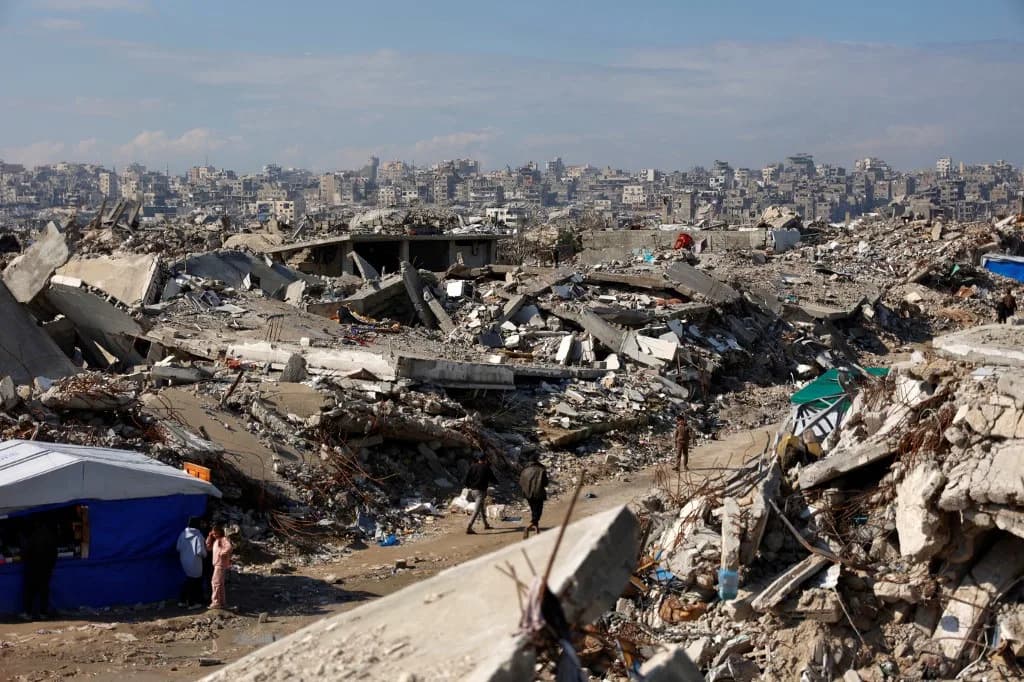
- Pre‑existing Structural Damage: Authorities and residents say two years of intense bombardment left many homes with cracked columns, damaged foundations, separated load‑bearing elements and partial roof failures.
- Water Infiltration and Erosion: Heavy rain entered existing cracks, weakened columns and foundations, and saturated surrounding soil, which can cause abrupt settlement and collapse.
- Overcrowding and Added Loads: Multiple displaced families often shelter together in already weakened buildings, increasing loads on compromised structural members.
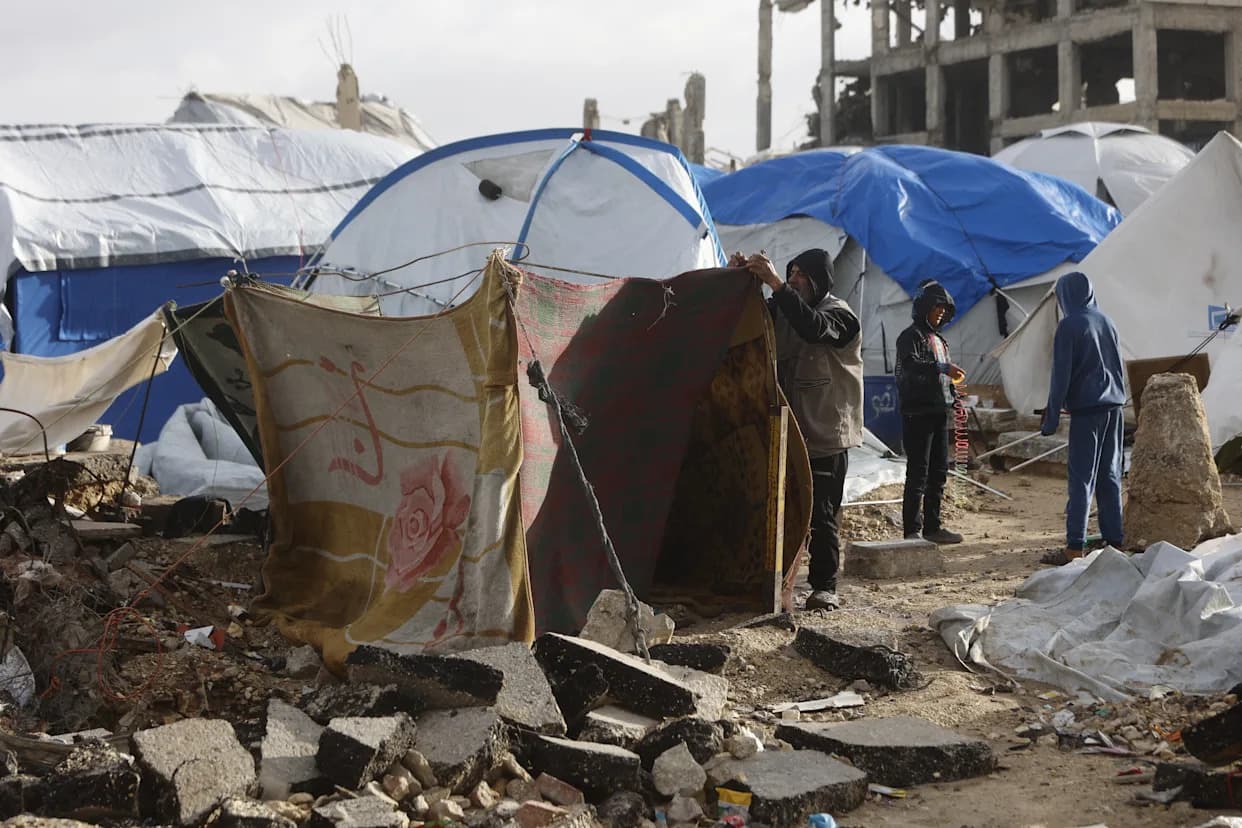
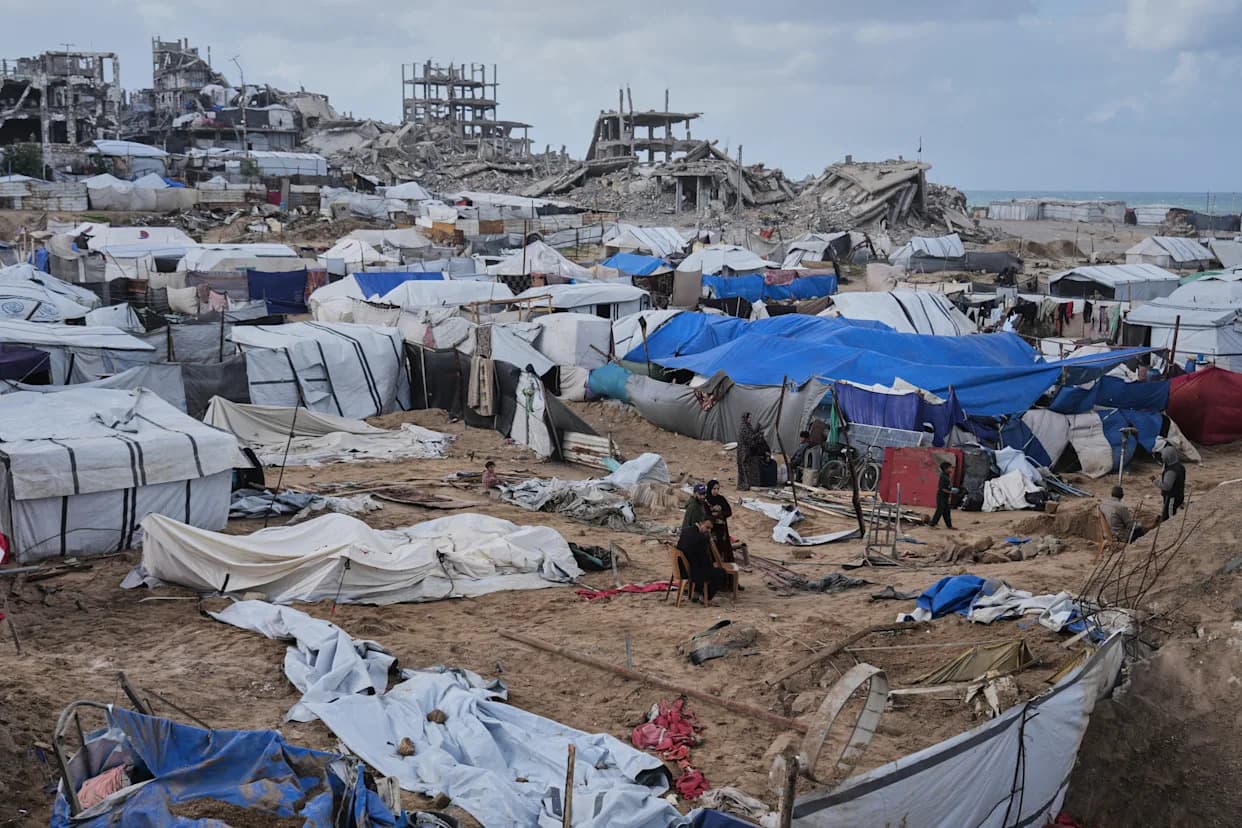
- Unsafe Shelter Placement: Tens of thousands of displaced people pitched tents beside or on top of ruined buildings, exposing them to falling debris during storms.
- Limited Repairs and Reinforcement: Restrictions on the entry of construction materials and limited access to tools and expertise have left damaged structures unrepaired and unsafe, according to aid agencies and local officials.
Human Impact
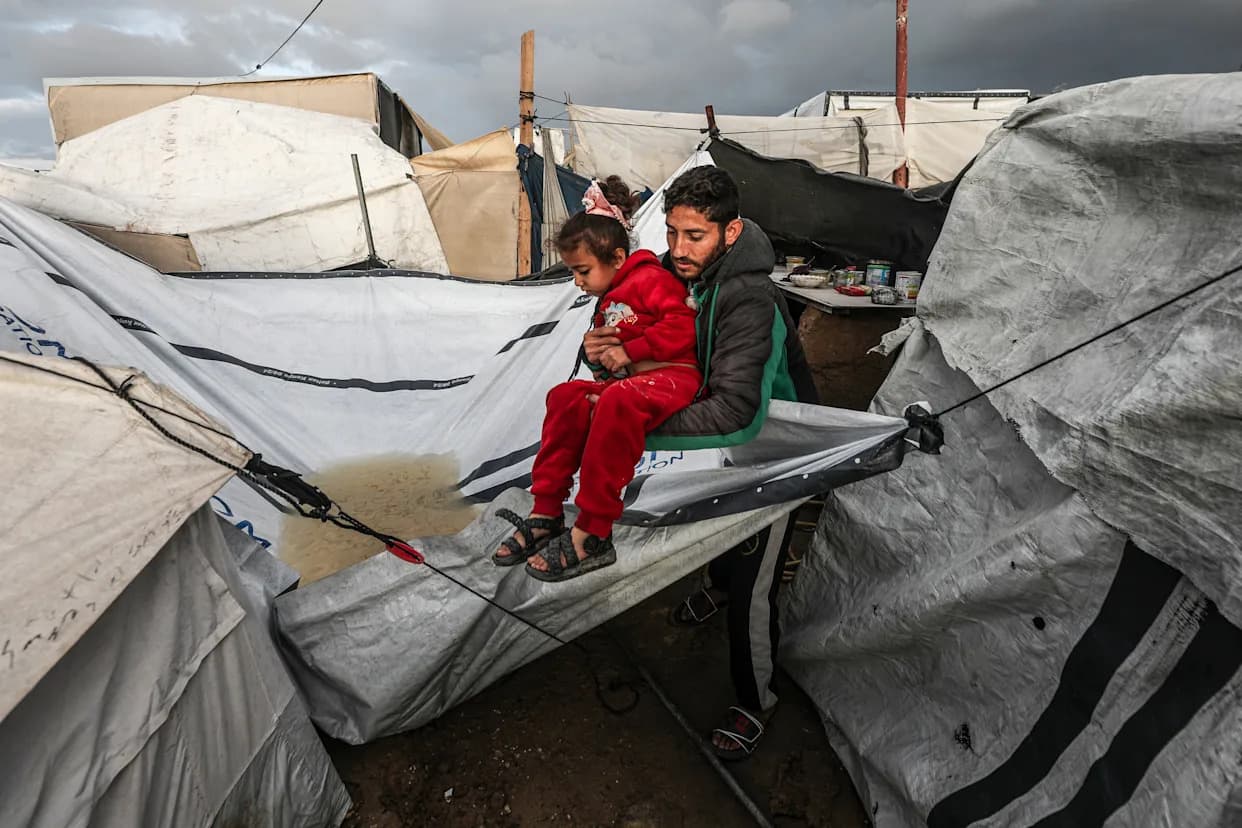
Local authorities reported 11 deaths in less than 24 hours, with victims — including children, women and elderly people — found under rubble in collapsed homes or in nearby tents. Officials said a baby died from exposure to cold. The Government Media Office reported 13 homes collapsed and about 27,000 tents flooded or swept away. Incidents were reported across Gaza City (including Nassr, Shati refugee camp and Tal al‑Hawa) and in northern, central and southern areas of the Strip.
Rescue Efforts And Barriers
Civil Defence teams received more than 2,500 distress calls during the storm but faced severe constraints: shortages of heavy machinery and rescue equipment, limited fuel supplies and flooded roads that hampered access. Municipalities reported they could not carry out preventive drainage or repairs because of widespread destruction and resource shortages.
Authorities and aid agencies warn that movement restrictions — including the so‑called "yellow line" demarcation and other control measures — along with limits on goods entering the territory, have restricted the flow of building materials, fuel and humanitarian supplies. UNRWA and other agencies say allowing unobstructed aid and relief supplies into Gaza would reduce suffering and health risks.
Short‑Term Coping And Risks Ahead
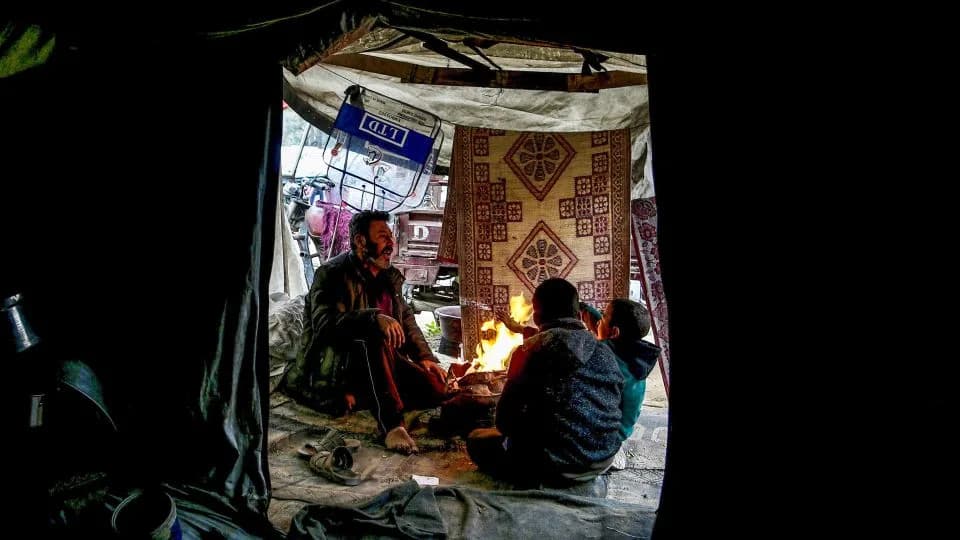
Displaced families have very limited options. Many cannot relocate because there are no safe shelters or habitable tents available; others judge partially damaged houses to be preferable to deteriorating tents. Short‑term measures — moving children to more stable areas of a building, raising possessions above floor level, using blankets — can reduce immediate harm but do not remove the structural risks.
Local officials warned that more low‑pressure systems and rain are expected, and that further collapses and casualties are likely unless access to shelter, reconstruction materials and fuel improves and emergency capacity is bolstered.
Sources: Gaza Government Media Office, Civil Defence, Ministry of Health, and UNRWA statements reported by local authorities and aid agencies.
Help us improve.