The article examines a recent Israeli raid on Beit Jinin that killed 13 villagers and highlights Israel's growing military footprint in southern Syria near the Golan Heights. Israel says it is targeting militants to protect its borders, while Syria and regional actors condemn the operations as destabilizing and excessive. Analysts warn entrenched Israeli positions and infrastructure risk a long-term presence that could undermine efforts to rebuild a unified Syrian state.
Israeli Raids and Expanded Presence in Southern Syria Fuel Tensions Near Golan Heights

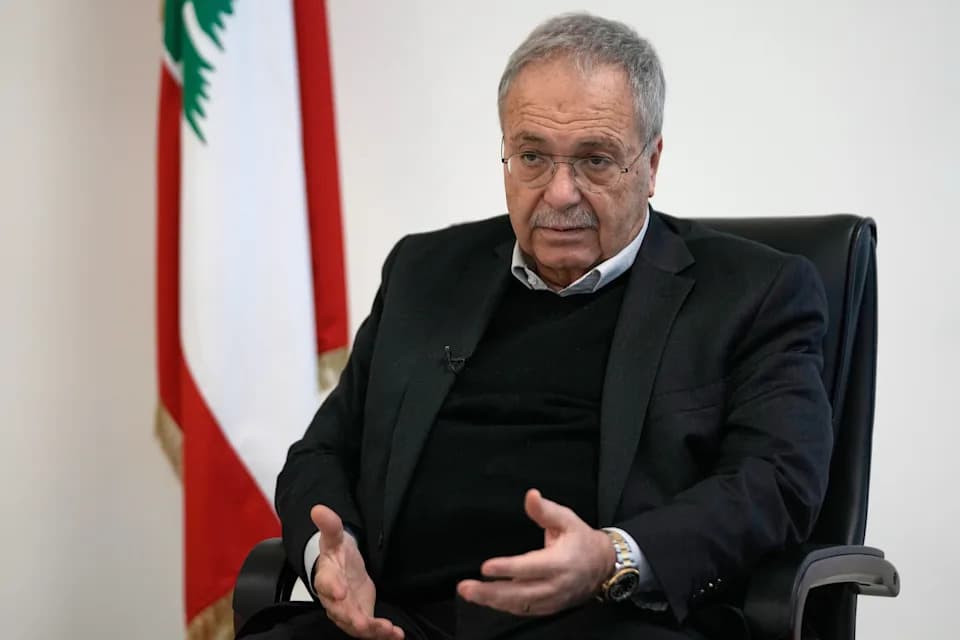
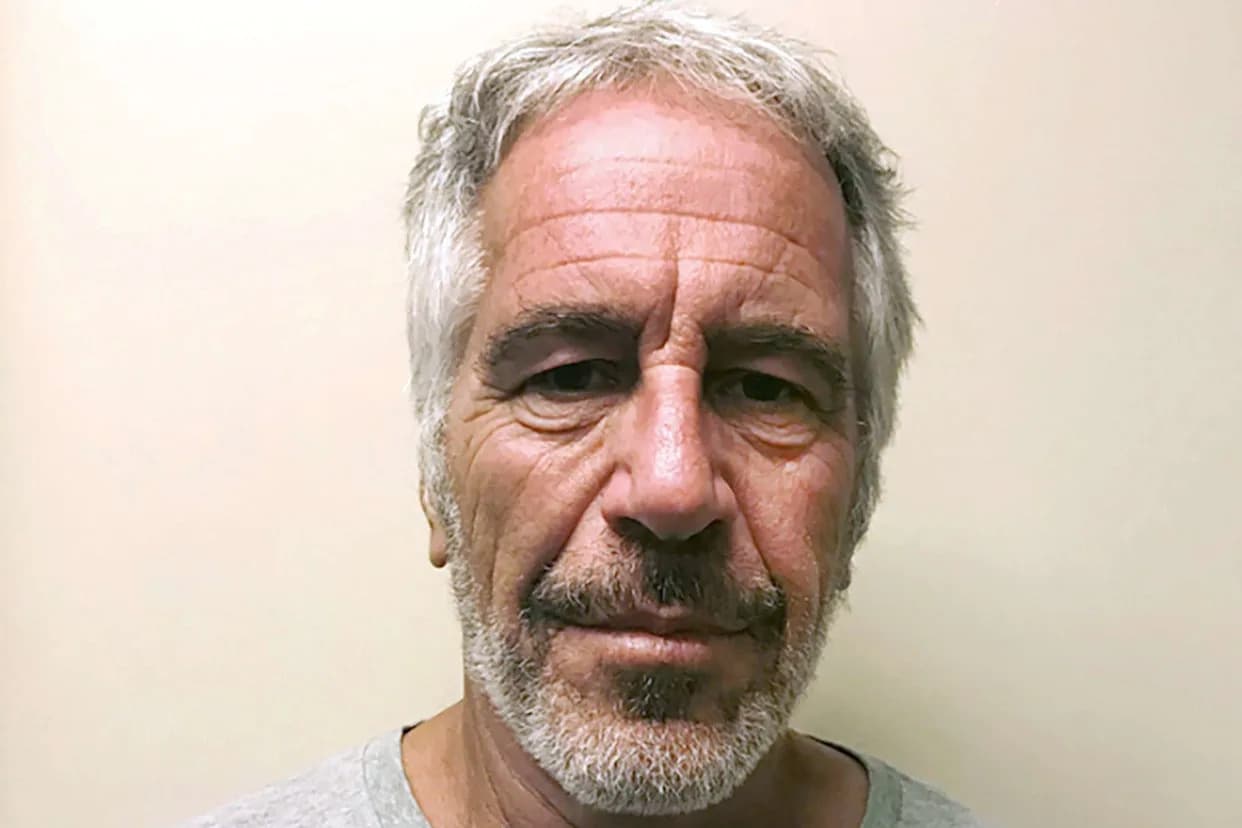
Qassim Hamadeh, who lost two sons, a daughter-in-law, and his 4- and 10-year-old grandsons, among 13 villagers killed when Israeli troops raided Beit Jin, southwestern Syria, on Nov. 2, looks at the damage from the raid alongside one surviving grandson, Dec. 1, 2025. (AP Photo/Omar Albam)(ASSOCIATED PRESS)
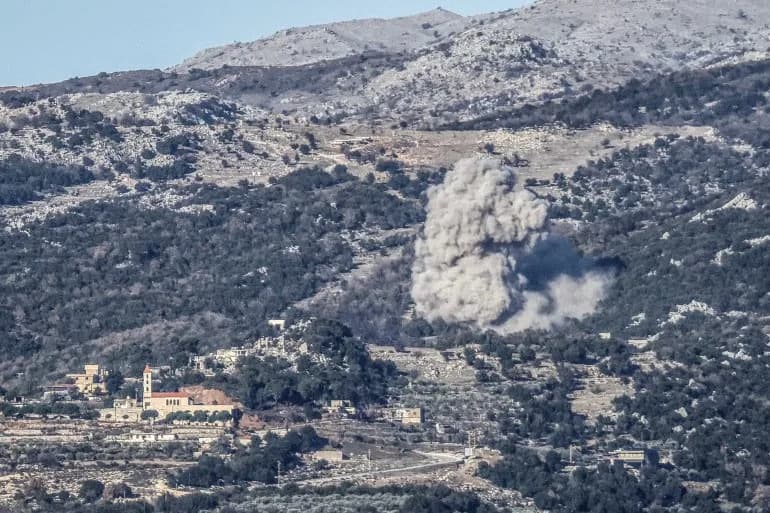
Qassim Hamadeh was roused last month by gunfire and explosions in Beit Jinin, a village in southwestern Syria. Within hours five members of his family — two sons, a daughter-in-law and his 4-year-old and 10-year-old grandsons — were killed; they were among 13 villagers who died in the operation carried out by Israeli forces.
According to Israeli officials, troops raided the village to detain members of an armed group allegedly preparing attacks into Israel. The military said militants opened fire, wounding six soldiers, and that troops returned fire and called in air support.
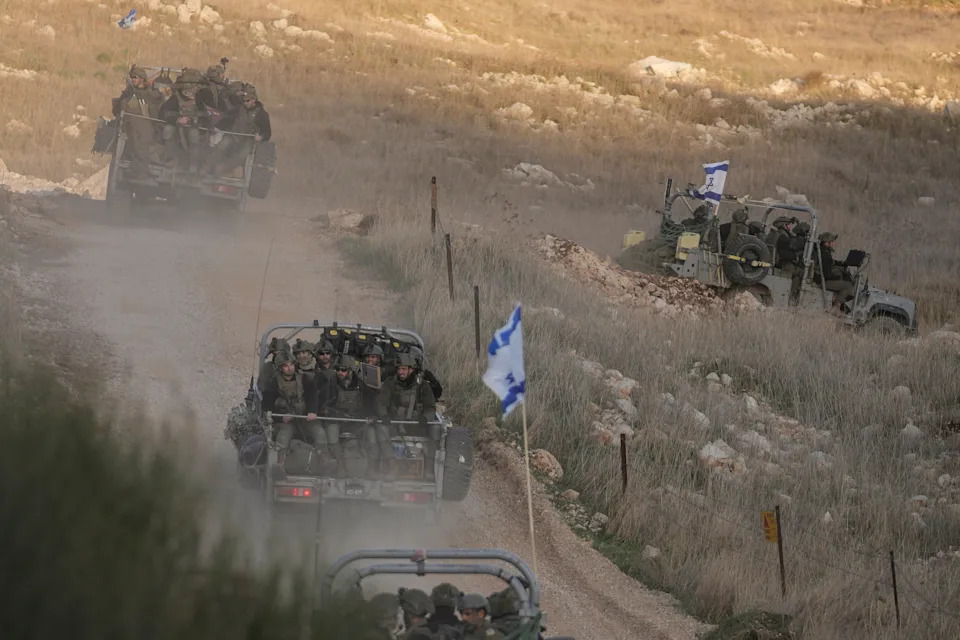
FILE - Israeli soldiers cross the security fence moving towards the so-called Alpha Line that separates the Israeli-annexed Golan Heights from Syria, in the town of Majdal Shams, Dec. 15, 2024. (AP Photo/Matias Delacroix, File)(ASSOCIATED PRESS)
Villagers in Beit Jinin reject the claim that militants were based there, saying armed residents confronted soldiers they viewed as invaders and were then met with tank and artillery fire followed by a drone strike. The government in Damascus denounced the operation as a 'massacre.' This raid is one of several recent Israeli actions inside Syria that have amplified local anger, increased regional tensions and clouded prospects for a near-term thaw between the two neighbors.
Expanding Israeli Footprint
In the weeks after Syrian President Bashar al-Assad was ousted last December, Israeli forces moved into and around the U.N.-mandated buffer zone in southern Syria along the Golan Heights — territory Israel captured in the 1967 war and later annexed, a move not widely recognized internationally. On the ground, Israeli troops have established checkpoints and positions, prepared landing pads on strategic slopes of Mt. Hermon, and increased drone reconnaissance and vehicle patrols in nearby towns.
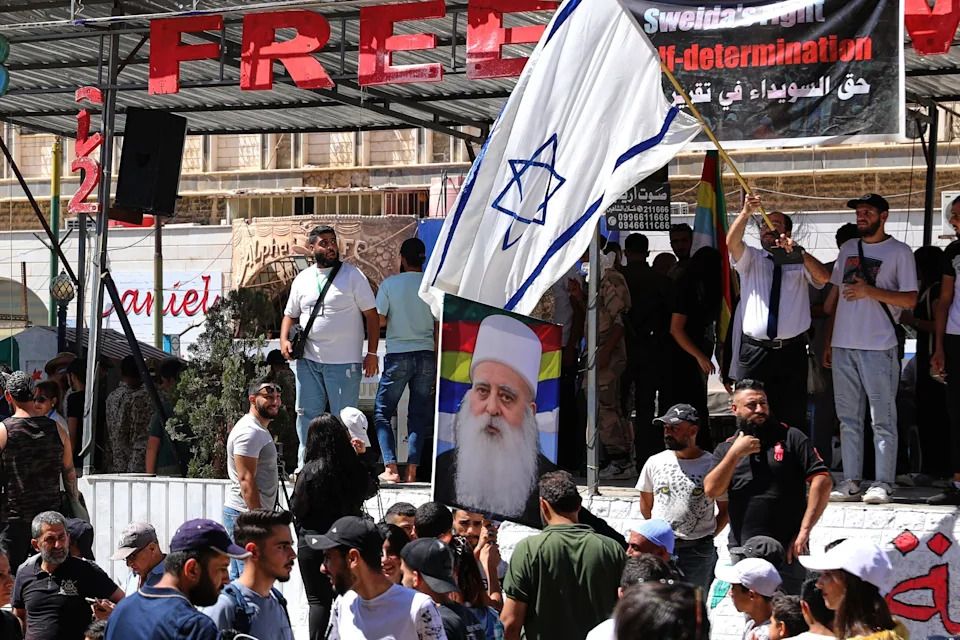
FILE - A man waves an Israeli flag over a picture of Sheikh Mowafak Tarif, the spiritual leader of the Druze in Israel, during a weekly rally in Sweida, southern Syria, on Sept. 20, 2025. (AP Photo/Fahd Kiwan, File)(ASSOCIATED PRESS)
Israel says its presence is temporary and aimed at clearing remaining pro-Assad elements and militants to protect Israeli territory, but it has given no timetable for withdrawal. Diplomatic talks to reach a security arrangement have so far produced no breakthrough.
Regional Context: Lebanon and Gaza
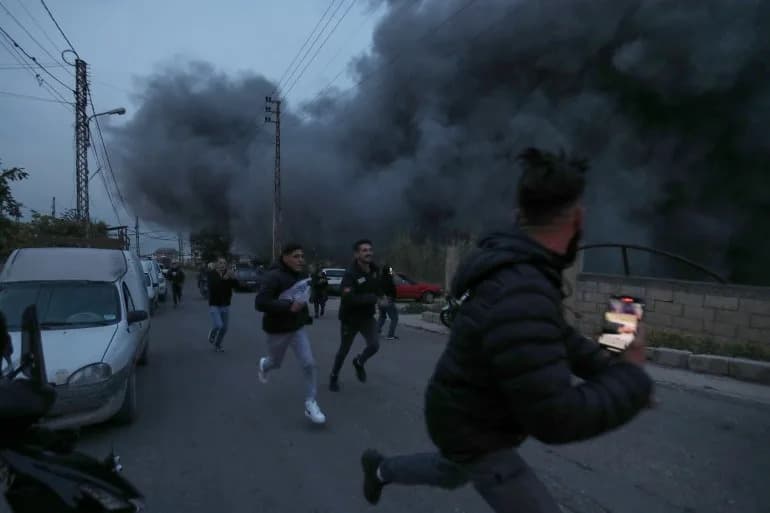
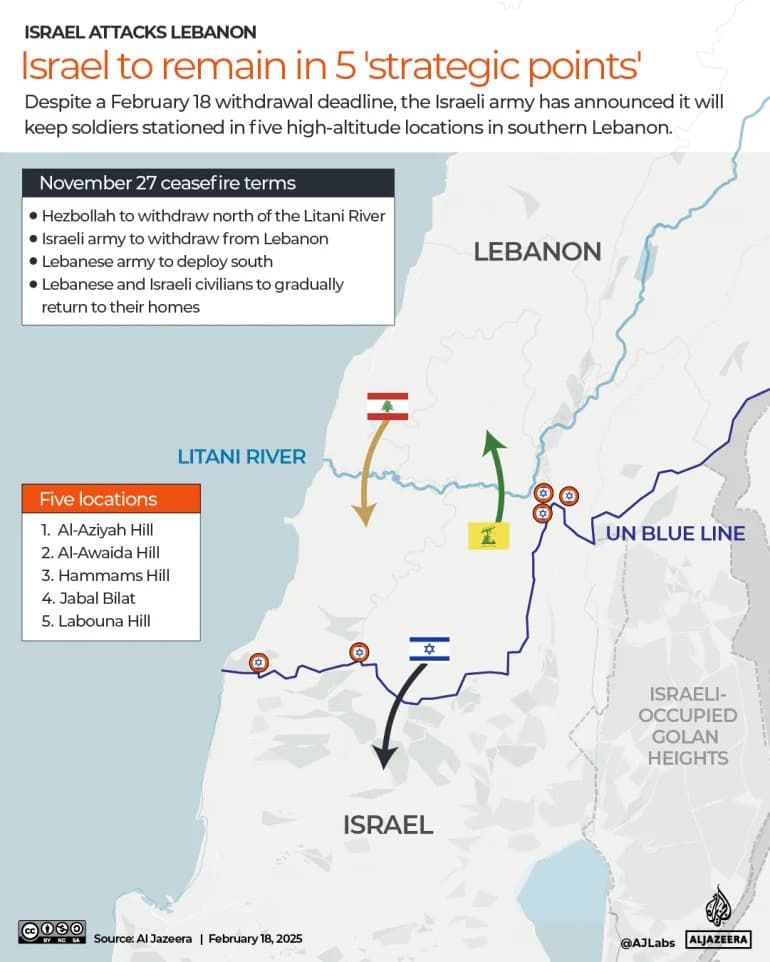
Operations in Syria are unfolding against a backdrop of recent conflicts in neighboring Lebanon and Gaza. Israel continues to conduct strikes, surveillance flights and maintain positions in southern Lebanon after last year’s fighting with Hezbollah. The two-year war in Gaza and the wider regional fallout — including Hezbollah rocket fire in solidarity with Hamas after the Oct. 7, 2023 attacks on Israel — have deepened Syrian concerns that Israel may seek a lasting territorial edge in border areas.
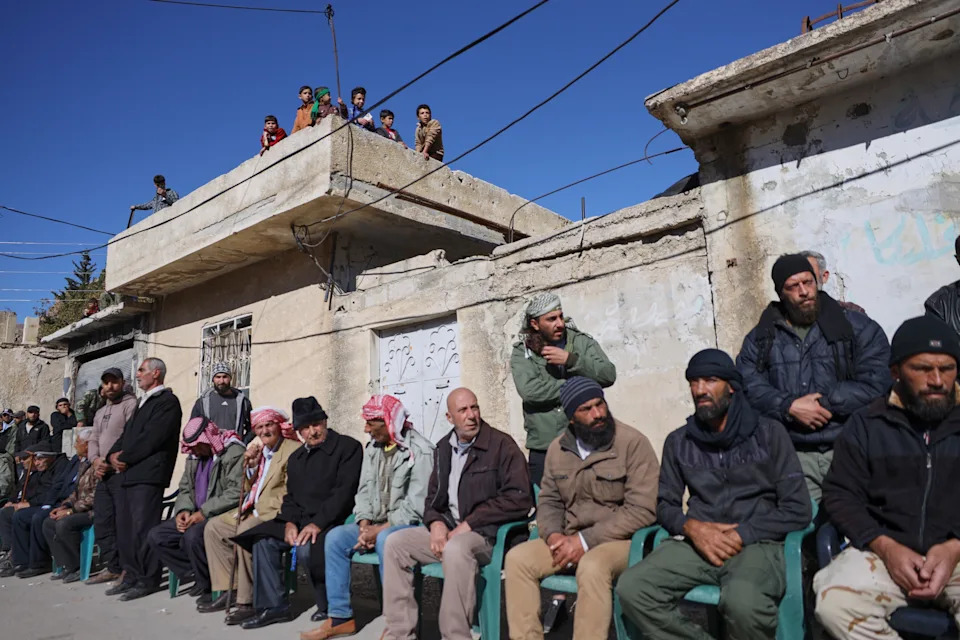
Local residents gather to welcome a delegation showing support after Israeli troops raided the village on Nov. 28, in Beit Jin, southwestern Syria, Monday, Dec. 1, 2025. (AP Photo/Omar Albam)(ASSOCIATED PRESS)
Plans for buffer zones have also featured in discussions about Gaza under a 20-point ceasefire framework promoted by U.S. President Donald Trump, reinforcing fears that similar security arrangements might persist after hostilities subside.
Syria's Internal Challenges
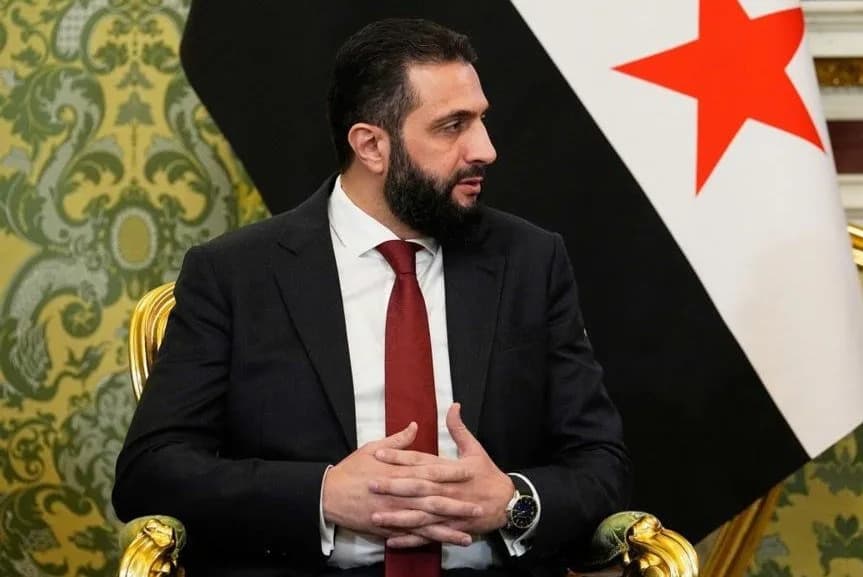
Syria's interim leader Ahmad al-Sharaa, who led the rebel movement that ousted Assad, has said he does not want conflict with Israel. But his government faces serious internal fragmentation: talks with Kurdish-led authorities in the northeast have stalled, and much of southern Sweida province is effectively under a Druze local administration following violent sectarian clashes with Bedouin clans.
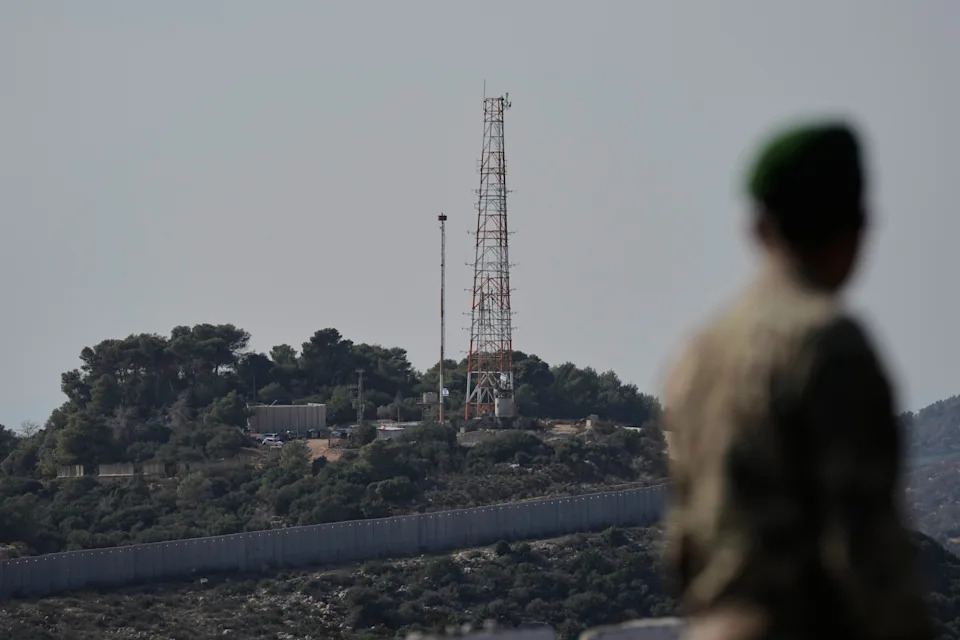
FILE - A Lebanese army soldier looks at the Israeli military post of Hanita from the Alma al-Shaab border village with Israel, south Lebanon, southern Lebanon, Nov. 28, 2025. (AP Photo/Bilal Hussein, File)(ASSOCIATED PRESS)
Syrian government forces intervened in Sweida, largely siding with Bedouin fighters, and hundreds of civilians — mostly Druze — were reported killed during the fighting. Israel has sought to position itself as a protector of the Druze and has also reached out to some Kurdish groups, moves that critics say complicate an already fragile post-Assad order.
Diplomacy, Risks And Local Impact
Israeli Prime Minister Benjamin Netanyahu has described a goal of securing 'a demilitarized buffer zone from Damascus to the (U.N.) buffer zone,' including Mt. Hermon, and said an agreement with Syrians is possible though Israel will stand by its principles. Washington has publicly supported al-Sharaa's efforts to consolidate Syrian central control, and has criticized Israeli actions that could undermine Syrian sovereignty. President Trump urged continued dialogue and cautioned against moves that would impede Syria's recovery.
Analysts warn that Israeli infrastructure such as landing pads and entrenched positions suggests plans beyond short-term operations. 'If you set up landing pads, then you are not here for short-term,' said Issam al-Reiss of the Syrian research group ETANA. Michael Young of the Carnegie Middle East Center called Israel's approach 'very dangerous,' arguing it runs counter to regional preferences for a unified and reasonably strong Syrian state.
For survivors like Hamadeh, daily life has grown unbearable after losing five family members. 'Israel strikes wherever it wants, it destroys whatever it wants, and kills whoever it wants, and no one holds it accountable,' he said, reflecting deep local resentment that may complicate any future stabilization efforts.
Associated Press reporting contributed to this article.
Help us improve.