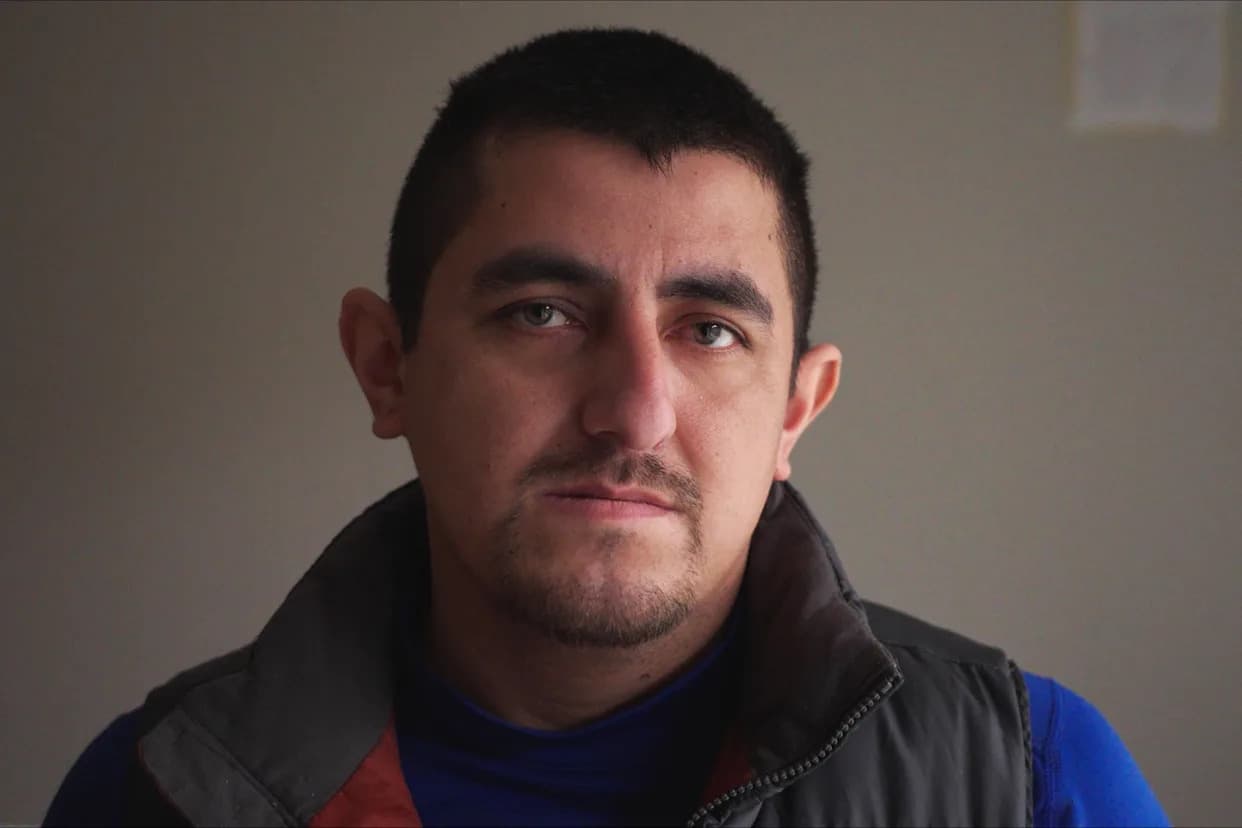
Yaser Alkam, a Palestinian-American lawyer, recounts being attacked by settlers during the Oct. 19 olive harvest in Tormosayya and witnessing an elderly woman beaten into unconsciousness. He links this incident to a broader spike in settler violence across the West Bank — including the vandalism of over 3,000 olive trees in October and more than 1,200 attacks in the first nine months of 2025, according to the U.N. He criticizes Israeli authorities for failing to protect Palestinians and calls on U.S. leaders to use diplomatic leverage to demand accountability and end the culture of impunity.
I Survived Settler Violence in the West Bank — The U.S. Must Demand Accountability

On Oct. 19, the first day of the olive harvest in Tormosayya in the occupied West Bank, I was returning from my olive grove when more than 10 Israeli settlers surrounded my car and began smashing it with rocks and clubs. I heard the rear windshield shatter as I tried to drive away, and a thought ran through my mind: "Today is the day we die."
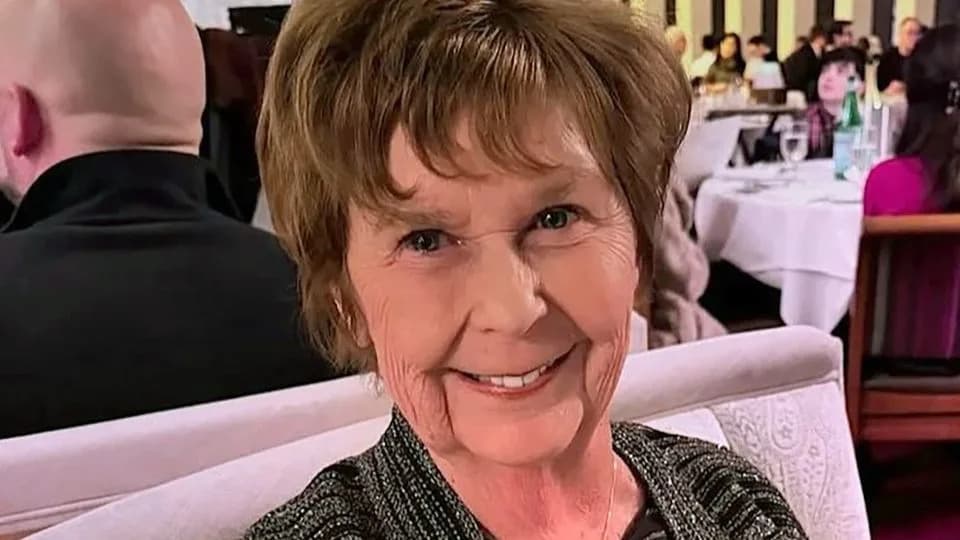
One attacker, his face wrapped in a black scarf and holding a wooden club, sprinted past my passenger window toward an elderly woman standing beside the road. He struck her on the head; she collapsed unconscious. He hit her repeatedly and then ran toward two European activists who had come to support us during what has become an annual surge of violence around harvest season.
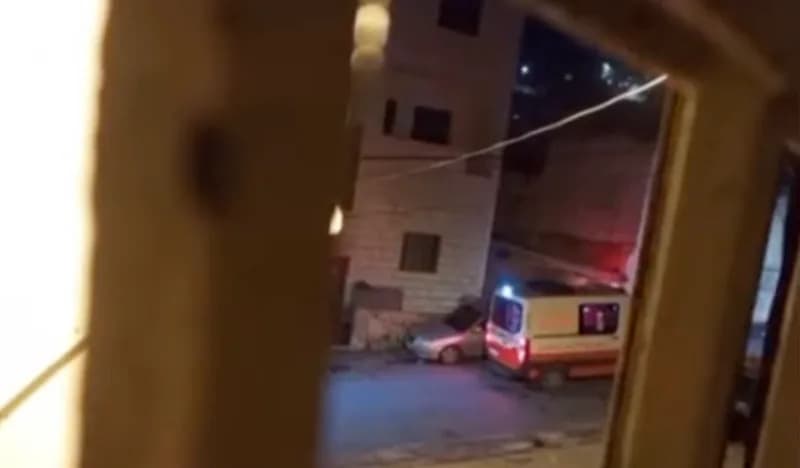
I kept driving as people scattered in every direction. After I reached home, the image of the woman being beaten would not leave me. I later learned she was hospitalized and spent four days in intensive care.
The attack brought to mind the killing of Saif Musallet, a 20-year-old U.S. citizen from Florida, who settlers beat to death in July. The horror of his killing deepened my concern, especially given the limited response from the U.S. government — which called for an Israeli investigation despite a long record of inadequate probes into the deaths of U.S. citizens and Palestinians alike.
A large share of Tormosayya’s residents are U.S. citizens — myself included. I left in 1987 to join my father in California, became a lawyer in Anaheim, raised four sons and later celebrated the birth of five grandchildren. In 2022 I returned to my birthplace to contribute to the community.
In June 2023, while having lunch with my elderly aunt, hundreds of settlers rampaged up and down her street, smashing and setting fire to cars and homes. We cowered away from the windows as they torched my aunt’s car and hurled a Molotov cocktail into her house, burning the couch and curtains.
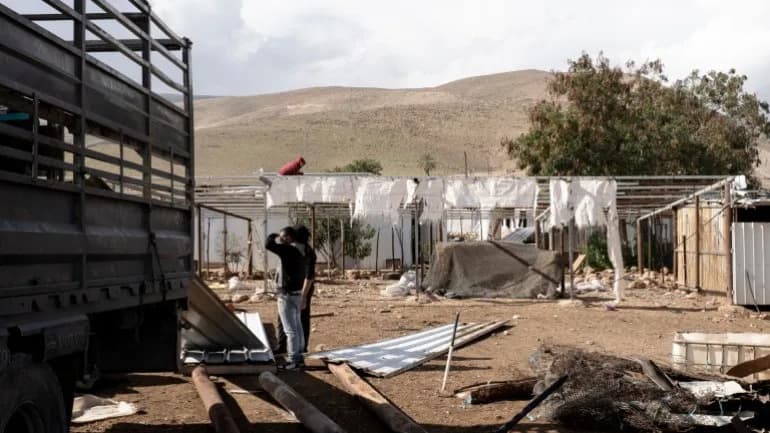
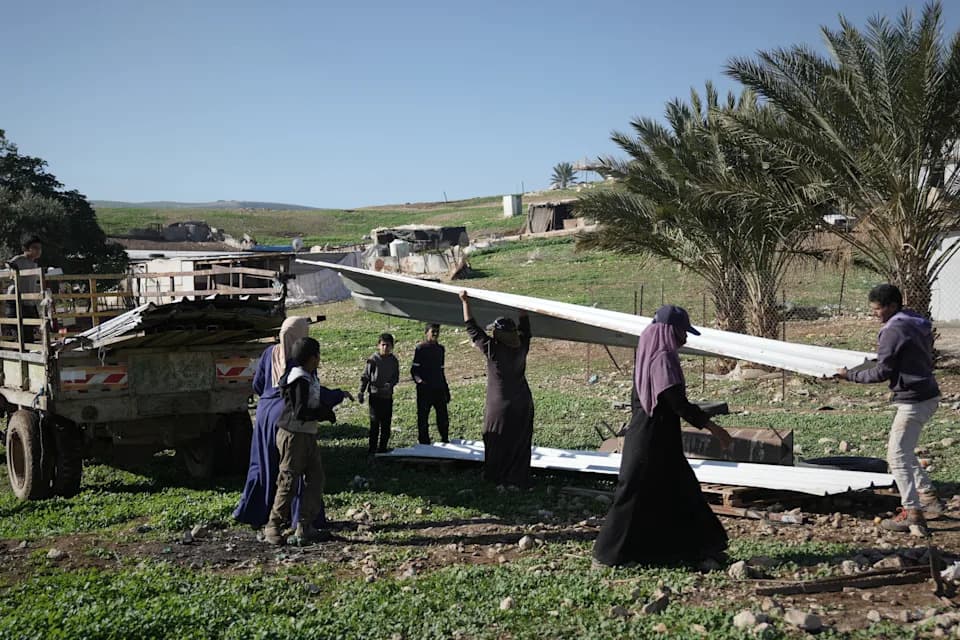
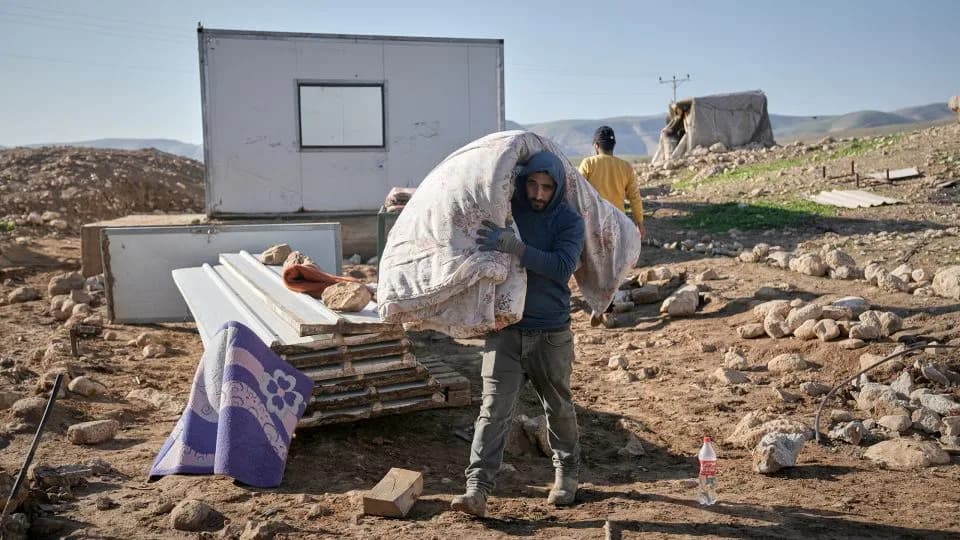
Tormosayya faces near-daily settler attacks, most notably tied to the olive harvest. At night, settlers cut or burn olive groves; they intimidate and physically assault farmers, steal equipment and set vehicles on fire. Across the West Bank, more than 3,000 olive trees and saplings were vandalized by settlers in October alone. Olive cultivation is central to Palestinian identity and livelihood; assaults on groves strike at our culture and economy.
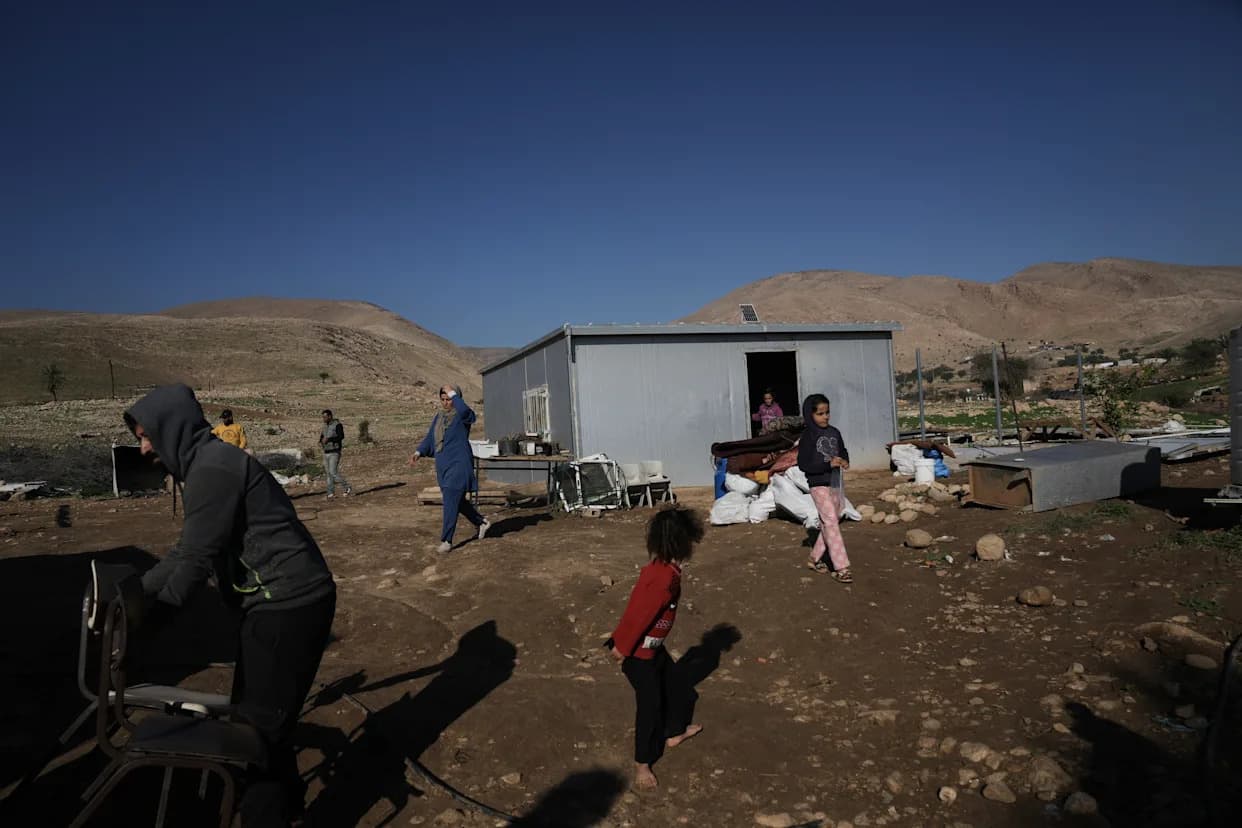
Settler violence has been rising for nearly a decade and surged sharply after October 2023. According to the United Nations, in the first nine months of 2025 there were more than 1,200 settler attacks that caused casualties or property damage, putting this year on track to be the most violent on record. In November the U.N. reported that October recorded the highest monthly total of settler attacks since monitoring began in 2006. So far this year settlers have killed at least seven Palestinians and driven nearly 1,300 from their homes and communities.
B'tselem has observed that "settler violence against Palestinians serves as a major informal tool at the hands of the state to take over more and more West Bank land."
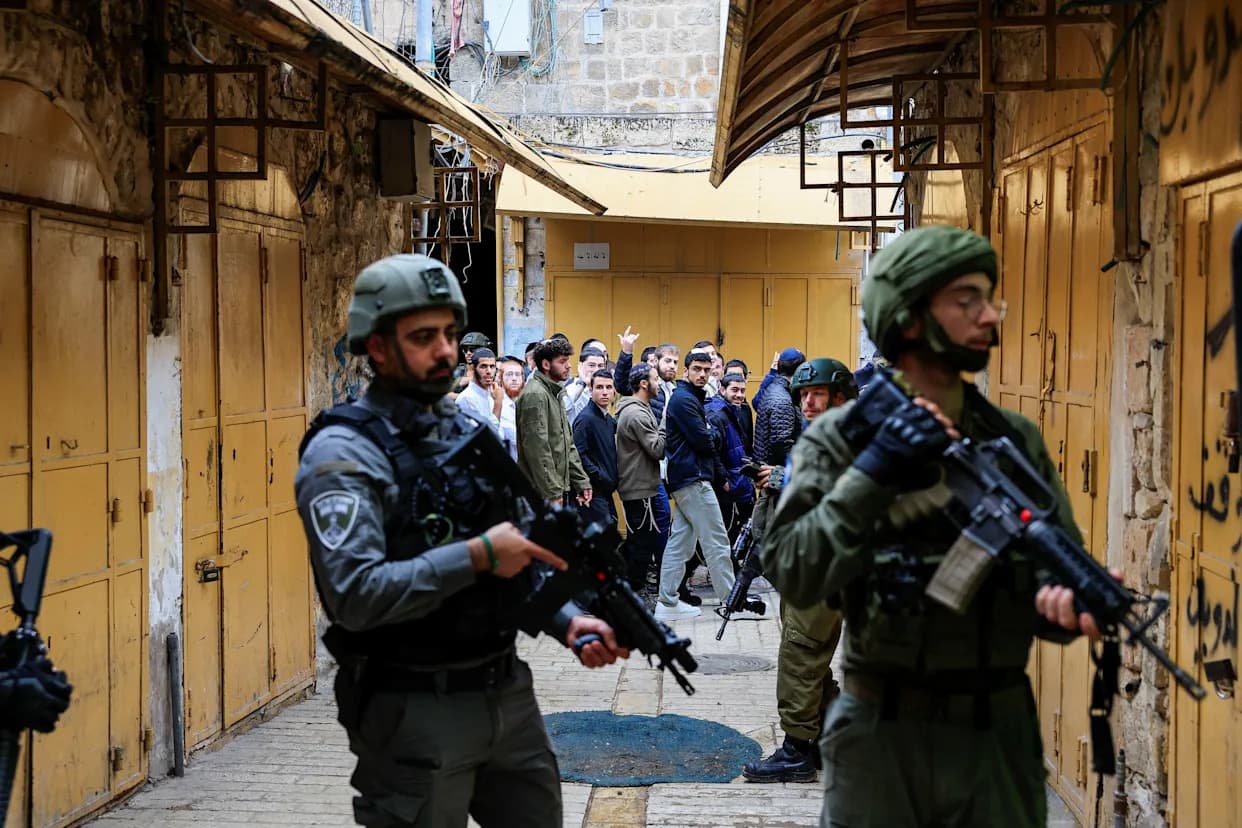
Israel’s government and occupying army frequently fail to protect Palestinians and, at times, actively collude with settlers. After a video of the assault I witnessed circulated internationally, Israeli police reportedly arrested a suspect in the attack on the woman. Still, there is little reason to expect more than nominal punishment: with rare exceptions, attackers go unpunished.
I have repeatedly reported settler attacks to the U.S. Embassy and asked for protection, receiving vague, noncommittal replies and minimal follow-up. Decades of U.S. policy have fostered a sense of impunity among many Israelis who believe they can act — even kill U.S. citizens — without facing American demands for accountability or conditions on the billions in military aid the U.S. provides to Israel.
Recent U.S. pressure during the Gaza ceasefire negotiations shows that American leaders can — and sometimes do — influence Israeli actions. The same leverage should be used to confront and curb settler violence, not only to protect Palestinian-Americans but to uphold the rights and safety of all Palestinians enduring daily occupation and forced displacement.
Yaser Alkam is a Palestinian-American lawyer who lives primarily in Tormosayya in the West Bank.
Help us improve.