Interviews with 20 Trump voters reveal many are feeling the pinch from higher everyday prices but often stop short of blaming President Trump directly. Voters attribute rising costs to tariffs, corporate concentration and broader macroeconomic forces, while some praise Trump’s policies or emphasize the limits of presidential power. Polling shows strong approval among Trump voters for his handling of the cost of living, though economic indicators and independent voters suggest potential political vulnerability ahead of the midterms.
Many Trump Voters Feel Pinched by Rising Prices — Yet Often Say: Don't Blame The President

FILE PHOTO: U.S. President Donald Trump gestures as he arrives to deliver remarks on the U.S. economy and affordability at the Mount Airy Casino Resort in Mount Pocono, Pennsylvania, U.S. December 9, 2025. REUTERS/Jonathan Ernst/File Photo
Many voters who backed President Donald Trump in 2024 say they are feeling the squeeze from higher everyday prices but often stop short of directly blaming the president for those increases. Reuters spoke monthly with 20 Trump voters from across the United States to learn how rising costs are affecting their lives and whom they hold responsible.
Voters Caught Between Anxiety And Loyalty
Ron Dailey, 63, a Denver-area human resources worker who voted for Trump, summed up a common reaction: "Breakfast is $20 no matter how you slice it." He added, however, that he recently paid just $1.74 a gallon for gasoline and gave Trump an 8 out of 10 for handling the cost of living. Dailey blamed recent tariff moves and market uncertainty — "the back-and-forthing of the tariffs" — for some price rises but emphasized that a president does not have a magic wand.
Across the 20 voters Reuters interviewed monthly since February, opinions varied. Six rated the Trump administration's approach to affordability at 5 or below on a 1-to-10 scale, while only one gave a score higher than 8. Despite mixed ratings, most continued to support Trump, saying his policies could improve purchasing power over time or that many price drivers lie beyond presidential control.
What Voters Blame
Many respondents pointed to broader structural causes: corporate consolidation, perceived corporate greed, and macroeconomic forces such as an expanded money supply. Specific concerns included oligopolies in industries like meatpacking, rising health-insurance premiums if pandemic-era subsidies lapse, and uncertainty sparked by tariff policy.
"Don't just throw tariffs out there just for no reason. That hurts the economy because uncertainty breeds anxiety,"
— Gerald Dunn, 67, martial arts instructor in New York's Hudson Valley.
Mixed Signals From Markets And Polls
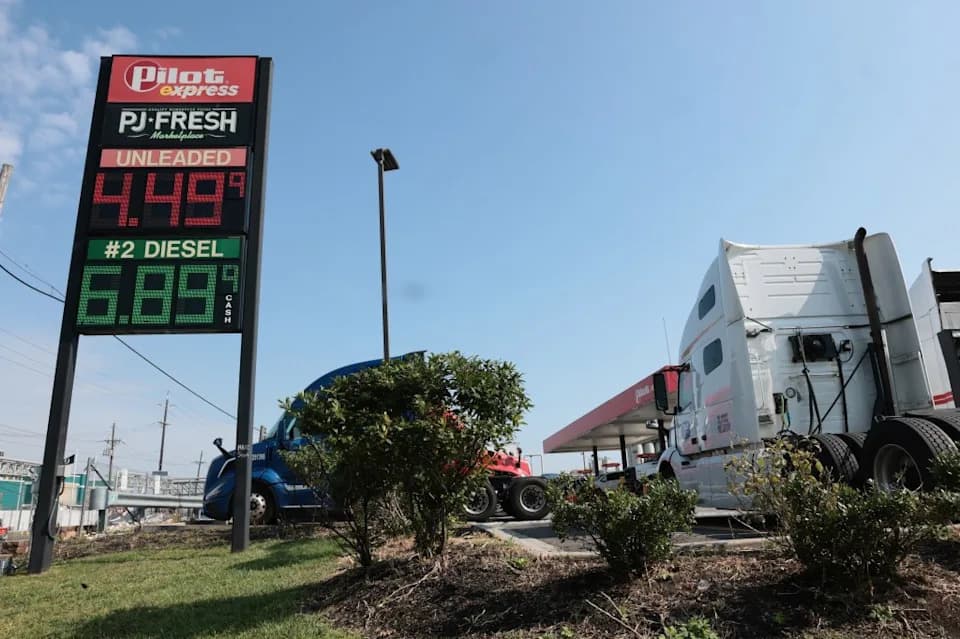
While several voters reported higher prices at local restaurants and grocery stores — particularly for meat and coffee — others noted declines in gasoline prices in their areas. A Reuters‑Ipsos poll in early December found nearly three-quarters of Trump voters approved of his handling of the cost of living, compared with about 30% across all respondents.
At the same time, government data show that job growth has slowed during Trump’s second term, unemployment has risen to its highest level in four years, and consumer prices remain elevated, though overall economic growth recovered somewhat after earlier contraction.
Calls For Targeted Action
Voters offered a range of proposed remedies. Some urged the administration to curb corporate concentration and consider profit caps or stronger antitrust enforcement, particularly in health care and food processing. Others advocated expanding domestic energy production — echoing the "drill, baby, drill" refrain — to lower energy and transportation costs. A number of respondents also urged Congress to extend pandemic-era ACA subsidies to prevent sharp premium increases.
Several interviewees stressed the limits of presidential power and noted that many solutions require congressional action. As one voter put it, fixing inflation and the cost of living is "easy to say, but it's hard to do."
Methodology: The 20 voters were selected from 429 respondents to a February 2025 Ipsos poll who said they voted for Trump in November and were willing to speak with reporters. They are not statistically representative of all Trump voters but reflect a range of ages, races/ethnicities, education levels and regions.
(Reporting by Julia Harte in New York; editing by Paul Thomasch and Claudia Parsons)
Help us improve.