Judge Colleen Kollar-Kotelly found that the Justice Department violated Daniel Richman’s Fourth Amendment rights by retaining and later searching electronic files seized during a media-leak probe. She ordered the government to return the records but allowed an electronic copy to be filed under seal in the Eastern District of Virginia, where prosecutors could later seek access with a valid warrant. The 46-page ruling complicates efforts to pursue a new indictment against James Comey after a prior charge was dismissed.
Judge Rules DOJ Violated Fourth Amendment, Orders Return Of Files Tied To Comey Probe

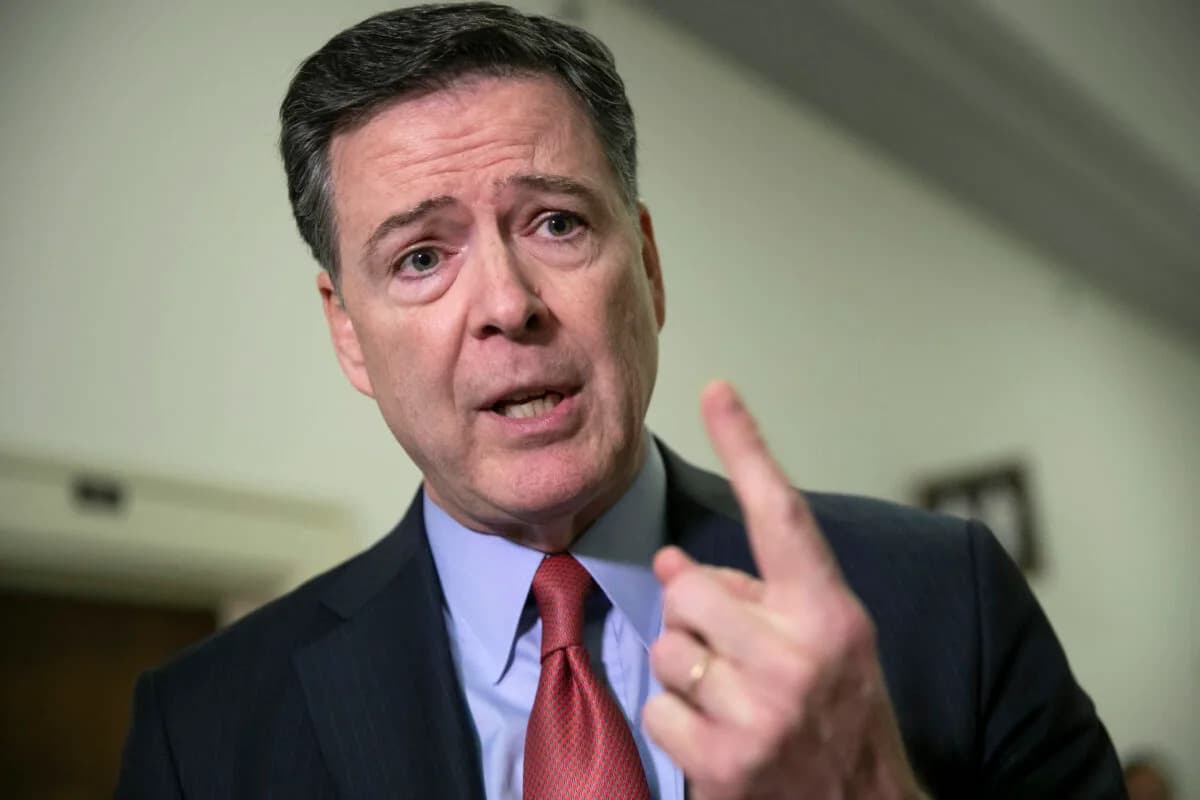
FILE - Former FBI Director James Comey speaks during a Senate Intelligence Committee hearing on Capitol Hill, in Washington, June 8, 2017. (AP Photo/Andrew Harnik, File)
A federal judge has concluded that the Justice Department violated the Fourth Amendment rights of Daniel Richman, a longtime friend of former FBI director James Comey, and ordered the government to return electronic files it had seized and later searched without a new warrant.
Ruling and Immediate Effect
U.S. District Judge Colleen Kollar-Kotelly issued a detailed 46-page opinion finding that prosecutors retained and later inspected a broad set of Richman’s electronic files long after the underlying leak investigation had ended. The judge found that the government’s actions amounted to an unreasonable seizure and unlawful searches, and directed that the seized records be returned to Richman.
“When the Government violates the Fourth Amendment’s prohibition on unreasonable searches and seizures by sweeping up a broad swath of a person’s electronic files, retaining those files long after the relevant investigation has ended, and later sifting through those files without a warrant to obtain evidence against someone else, what remedy is available to the victim of the Government’s unlawful intrusion?”
Answering her own question, Kollar-Kotelly wrote that returning the property is an appropriate remedy. She did, however, permit the Justice Department to file an electronic copy of Richman’s records under seal in the Eastern District of Virginia (EDVA), where the Comey matter is being handled, and suggested prosecutors could seek lawful access later by obtaining a new search warrant.
How This Affects The Comey Investigation
The ruling creates a significant procedural hurdle for efforts to pursue a renewed criminal case against James Comey. Prosecutors had used material seized from Richman while preparing a potential charge that Comey lied to Congress by denying he had authorized an associate to serve as an anonymous source for reporters.
That earlier indictment—filed in September—was dismissed after a federal judge in Virginia ruled the prosecutor who brought the case, Lindsey Halligan, was unlawfully appointed. With the Kollar-Kotelly ruling, the Department of Justice cannot rely on the contested Richman materials unless it obtains a valid warrant or finds other lawful evidence.
Background Timeline
- June 2017: After Comey’s firing, he testified that he gave Richman a memo documenting a conversation with President Trump and permitted Richman to share its contents with a reporter.
- 2017: Richman allowed the FBI to create an image (a full electronic copy) of files on his computer and an attached hard drive for limited, authorized purposes.
- 2019–2020: Investigators obtained warrants for Richman’s email accounts and computer records as part of a media-leak probe that closed in 2021 without charges.
- Fall (this year): The Justice Department accessed retained files while preparing a potential new case against Comey without obtaining a fresh warrant, according to the judge’s order.
Legal and Practical Implications
The decision underscores limits on long-term retention and subsequent use of privately seized electronic records. While the government may preserve a sealed copy in EDVA, prosecutors will likely need to seek a new, particularized warrant before using any of Richman’s records in a prosecution. The ruling may also shape standards for how investigators handle electronic evidence in leak and media-related inquiries going forward.
Next Steps: The Justice Department can ask the EDVA court for access to the sealed copy with a proper warrant, and it retains the option of pursuing renewed charges if it obtains admissible evidence. Comey has pleaded not guilty to previous charges and has denied making a false statement.
Help us improve.