
KAIST researchers led by Professor Kwang‑Hyun Cho used gene‑network modelling and "digital twin" simulations to identify molecular switches that can reprogram cancer cells toward normal, differentiated states. Their findings, published in Advanced Science, produced promising results in cell cultures and animal models, primarily in colon cancer. While the approach could reduce side effects and lower recurrence if it translates to humans, clinical trials are required to confirm safety, delivery methods, and long‑term efficacy.
KAIST Breakthrough: Reprogramming Cancer Cells Back to Normal Using Molecular "Switches"

Shutterstock
Researchers at the Korea Advanced Institute of Science and Technology (KAIST) have published promising preclinical results showing that certain cancer cells can be coaxed to resume normal behavior rather than simply being destroyed. The work, led by Professor Kwang‑Hyun Cho and published in Advanced Science, uses genetic network modelling and computational "digital twin" simulations to identify molecular switches that steer cells between healthy and malignant states.
What the Team Did
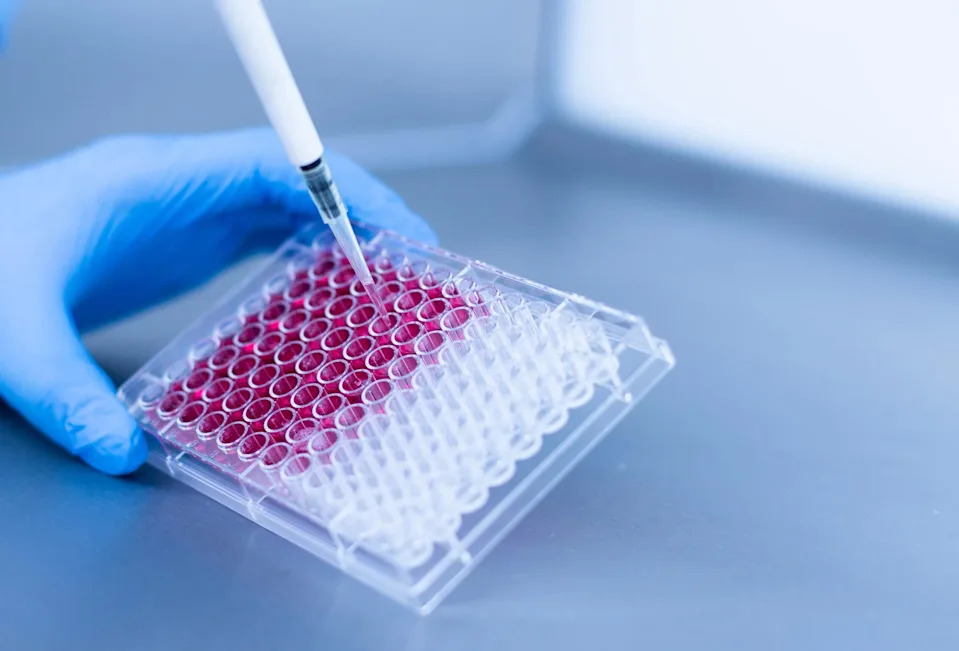
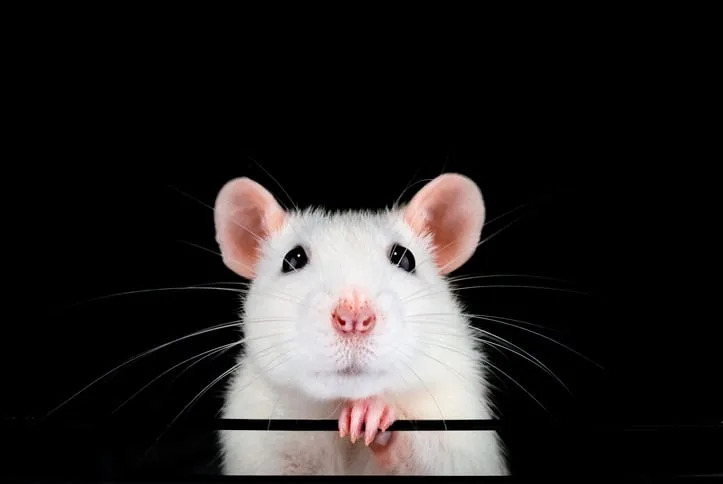
Using sophisticated gene‑network models, the KAIST group mapped the molecular trajectory by which normal cells become cancerous. By simulating these regulatory networks, they identified key control points — described as molecular "switches" — that, when manipulated in laboratory experiments, pushed colon cancer cells toward a more differentiated, normal‑like state. These effects were observed in cell culture and in animal models.
How It Works
The approach targets cell differentiation pathways and regulatory networks that maintain cellular identity. Rather than killing rapidly dividing cells (as chemotherapy and radiation do), this strategy aims to restore the regulatory signals that tell cells to stop proliferating and to take on their proper, mature functions. Digital twin simulations accelerate this process by predicting which targets are most likely to produce the desired reversion before in‑vitro or in‑vivo testing.
Why This Matters
If the approach translates to humans, it could reduce collateral damage to healthy tissues, lower the harsh side effects associated with traditional treatments, and potentially decrease the pool of treatment‑resistant cells that drive relapse. Conceptually, it reframes some cancers as a reversible loss of cellular identity rather than an irreversible invader to be eradicated.
Limitations And Next Steps
These results are preclinical. Success in cell cultures and animal models does not guarantee human benefit. Important challenges remain: delivering precise molecular interventions in diverse human tumours, managing tumour heterogeneity, ensuring complete and durable reversion rather than partial changes, and assessing long‑term safety and immune effects. Human clinical trials will be required to evaluate safety, dosing, and effectiveness across cancer types. The KAIST team notes their initial work has focused on colon cancer; further research is needed to test broader applicability.
Bottom line: This is a significant conceptual and technical advance that opens a new path for cancer research — restorative reprogramming — but it remains an early-stage, preclinical finding that must be validated in human trials.
Shutterstock

iStock

iStock

iStock

iStock

iStock

Shutterstock

Shutterstock

iStock
iStock

Shutterstock


