
Chile's presidential runoff pits far-right candidate José Antonio Kast, who leads by capitalizing on fears about crime and immigration, against Jeannette Jara, who defends recent social reforms. Kast calls for mass deportations, tougher policing and deep spending cuts; Jara emphasizes labor and welfare gains and warns against eroding democratic norms. The race highlights deep national polarization and high stakes for Chile’s political direction.
Chile at a Crossroads: Kast Leads Runoff on Crime and Migration, Jara Appeals to Preserve Social Gains

Supporters of Presidential candidate Jeannette Jara of the Unidad por Chile coalition attend a rally ahead of the presidential runoff election in Santiago, Chile, Wednesday, Dec. 10, 2025. (AP Photo/Esteban Felix)(ASSOCIATED PRESS)
Chileans head to a sharply polarized presidential runoff that appears to favor the conservative former lawmaker José Antonio Kast, 59, whose campaign centers on cracking down on crime, mass deportations and deep public spending cuts. His opponent, Jeannette Jara, 51, a former labor minister and longtime Communist Party member, frames the vote as a defense of recent social advances — shorter workweeks, higher minimum wages and expanded pensions — and a bulwark for democratic rights.
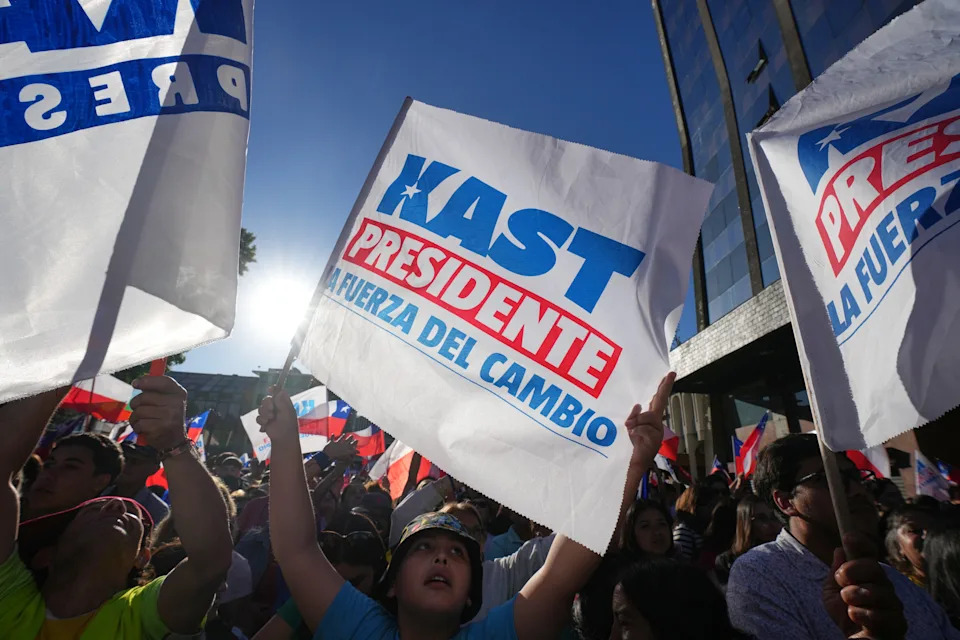
Supporters of presidential candidate Jose Antonio Kast, of the Republican Party, attend a rally ahead of the presidential runoff election in Temuco, Chile, Thursday, Dec. 11, 2025. (AP Photo/Esteban Felix)(ASSOCIATED PRESS)
Two Competing Narratives
Many voters describe the past few years as a decline from stability: rising violent crime, a surge of migrants across porous borders and an economic slowdown after decades of steady growth. Those voters back Kast as the candidate most likely to restore order and security.
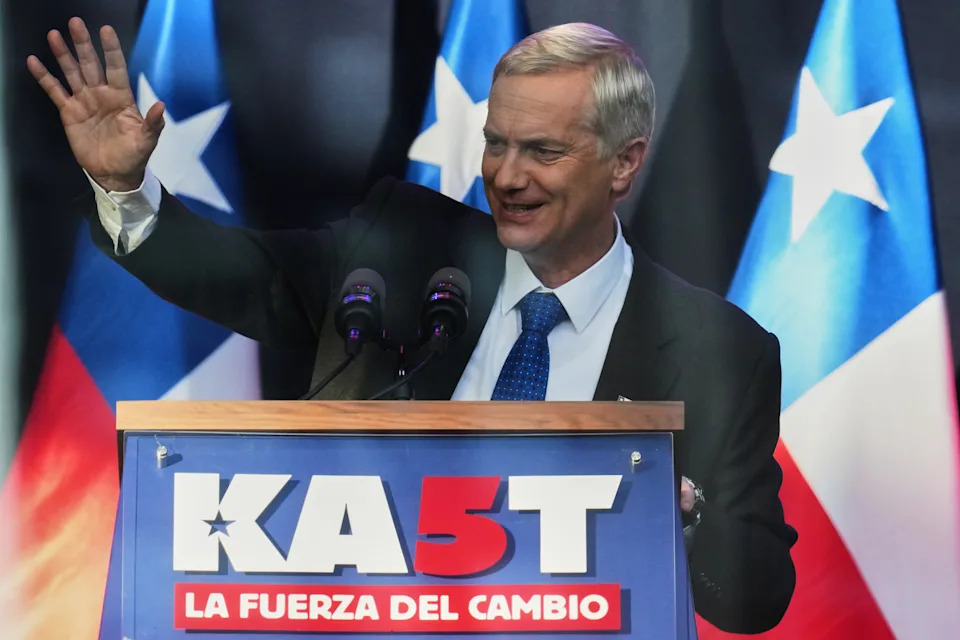
Presidential candidate Jose Antonio Kast, of the Republican Party, addresses supporters during a rally ahead of the presidential runoff election in Temuco, Chile, Thursday, Dec. 11, 2025. (AP Photo/Esteban Felix)(ASSOCIATED PRESS)
Others point to tangible social gains implemented under the current administration — reduced working hours, improved wages and expanded pensions — and say Chile has become a more equitable country. Those voters fear a rollback of civil liberties and social programs under a far-right presidency and rally behind Jara.

Supporters of Presidential candidate Jeannette Jara of the Unidad por Chile coalition attend a rally ahead of the presidential runoff election in Santiago, Chile, Wednesday, Dec. 10, 2025. (AP Photo/Natacha Pisarenko)(ASSOCIATED PRESS)
What Kast Proposes
Kast has shifted emphasis from socially conservative positions to issues that resonate broadly: public security and immigration. He proposes mass deportations of an estimated 337,000 undocumented migrants (mostly Venezuelans), strengthened police powers, expanded maximum-security prison capacity and sharp reductions in state spending — a proposed $6 billion cut within 18 months that his team says could be phased if necessary.
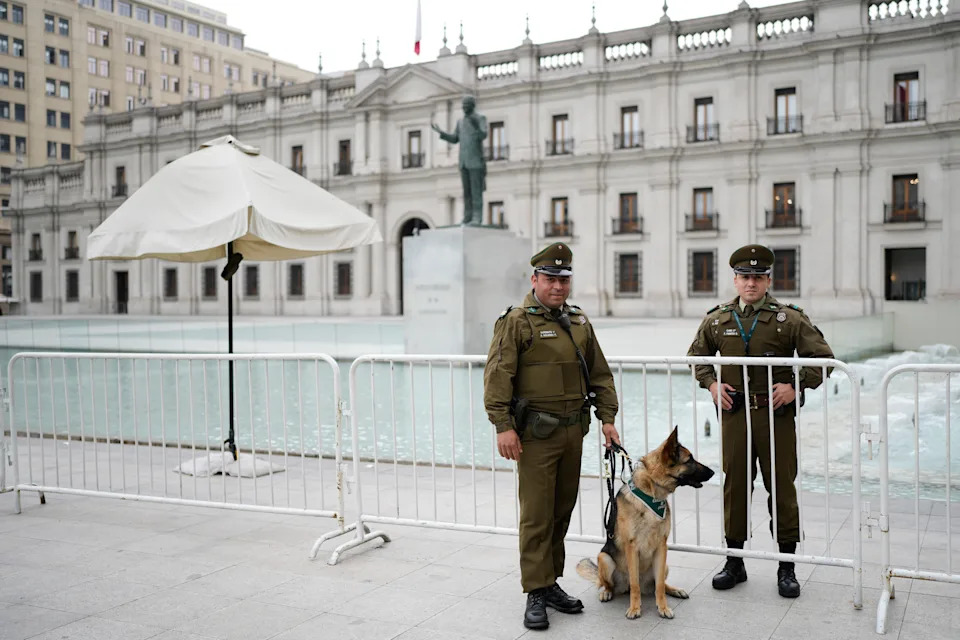
Police stand in front of La Moneda palace ahead of the presidential runoff election in Santiago, Chile, Thursday, Dec. 11, 2025. (AP Photo/Natacha Pisarenko)(ASSOCIATED PRESS)
"We need drastic measures, for shows of force," said a voter who switched his support to Kast after being a crime victim.
What Jara Offers — And Her Challenges
Jara played a lead role in designing the administration's most significant welfare measures as labor minister and draws on a personal story of economic hardship to connect with voters. But her membership in the Communist Party and the government’s roughly 30% approval rating make her path to victory steep. Analysts also say it is difficult for her to match Kast’s tough-on-crime messaging.
Campaign strategists argue Jara’s candidacy is a critical defense against the kind of right-wing radicalism that can erode democratic institutions, warning that exaggerated fears of insecurity can justify excessive force.
High Stakes
The runoff is being watched as a test of whether Chile will pivot further right — in line with populist, security-first movements elsewhere in the region — or preserve the social reforms enacted since the recent government took office. The contest follows a first round in which roughly 70% of voters supported right-leaning parties, tilting the runoff toward Kast.
Context: Kast lost the 2021 runoff to Gabriel Boric and drew controversy then for family ties to a Nazi party member and his praise for Gen. Augusto Pinochet; Jara’s record and rhetoric position her as both a social reformer and a polarizing figure because of her party affiliation.


