President Trump has widened sanctions against Venezuela and authorized action following the US seizure of the tanker Skipper off Venezuelan waters. The Treasury sanctioned relatives of Nicolás Maduro’s family and six supertankers tied to Venezuelan crude shipments. Maduro denounced the move as "naval piracy," while Russia reaffirmed support for Caracas. Maritime analysts say the operation signals a tougher posture toward "dark fleet" tankers that conceal sanctioned oil movements.
US Seizes Tanker, Broadens Venezuela Sanctions; Maduro Calls Action 'Naval Piracy'

The Venezuelan president, Nicolás Maduro, greets supporters at a rally in Caracas on Wednesday.Photograph: AFP/Getty Images
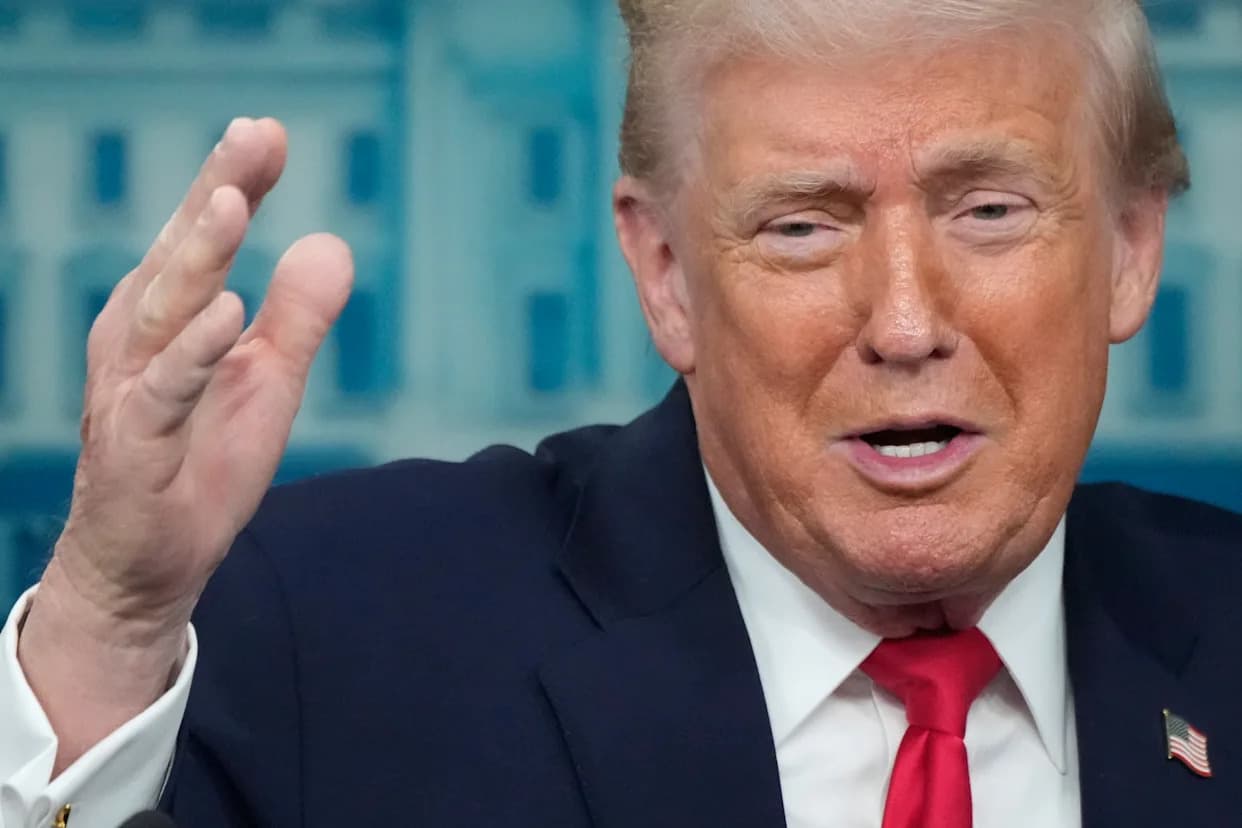
President Donald Trump escalated pressure on Venezuela on Thursday by expanding sanctions and authorizing increased action against vessels and networks linked to Nicolás Maduro’s government after US forces seized the oil tanker Skipper off Venezuela’s coast. The move has intensified diplomatic tensions and prompted heated reactions across the region.
Sanctions and the Seized Tanker
The US Treasury announced sanctions on three nephews of Maduro’s wife, Cilia Flores, and targeted six crude-oil supertankers along with the shipping companies tied to them. The Treasury said these vessels "engaged in deceptive and unsafe shipping practices and continue to provide financial resources that fuel Maduro’s corrupt narco-terrorist regime." According to internal documents from state oil company PDVSA, the ships recently loaded Venezuelan crude. Four are Panama-flagged; the others are registered to the Cook Islands and Hong Kong.
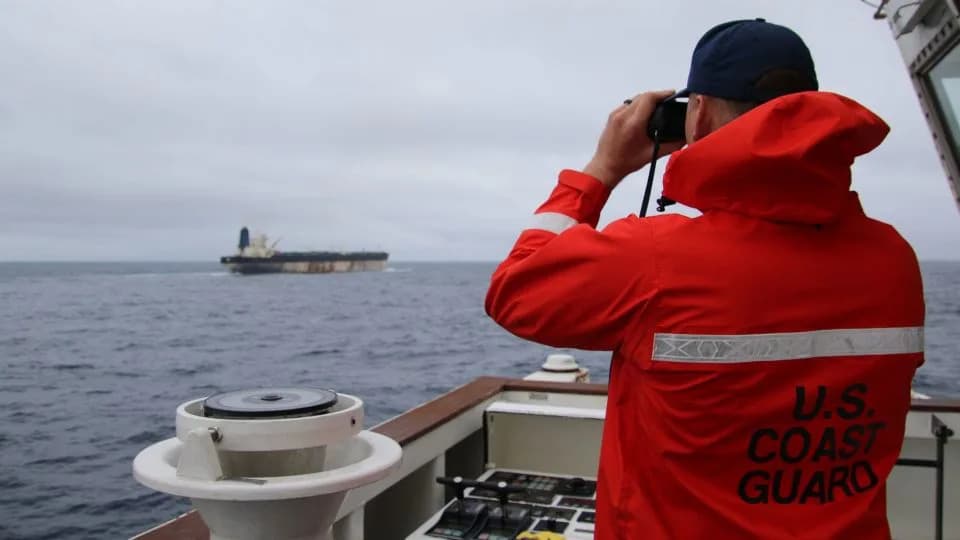
US authorities seized the Guyana-flagged tanker Skipper, described by officials as part of a "dark fleet" that obscures movements to move sanctioned oil. The operation was led by the US Coast Guard, and the Justice Department announced the seizure. White House press secretary Karoline Leavitt said the vessel will be taken to a US port and that the United States "does intend to seize the oil" pending legal process.
Washington's Rationale and Threats
Trump reiterated warnings that Washington may target suspected narcotics shipments moving overland from Venezuela to the US. Officials framed the Skipper operation as enforcement of long-standing sanctions and an effort to stop proceeds from "black market" oil sales that could finance illicit activity.
Reactions From Caracas and Moscow
At a presidential event, Maduro condemned the seizure as "a kidnapping of the crew" and said the US had "inaugurated a new era, the era of criminal naval piracy in the Caribbean." He pledged to protect Venezuela's shipping and natural resources. Moscow responded swiftly: Russian President Vladimir Putin phoned Maduro to "reaffirm" support and discuss continued economic and energy cooperation.
"They kidnapped the crew, stole the ship and have inaugurated a new era, the era of criminal naval piracy in the Caribbean," — Nicolás Maduro
Regional Political Fallout
Lawmakers in the US voiced concern about the potential for escalation, with some warning the administration risked deeper conflict. Several regional leaders debated options for Maduro’s future: Colombia’s foreign minister suggested her country could consider offering Maduro asylum or protection if needed, while Colombia’s president advocated for a general amnesty and a transitional government. Brazil’s advisers echoed the view that asylum is a legitimate regional mechanism.
Opposition leader María Corina Machado, speaking after receiving the Nobel-related recognition in Oslo, reaffirmed calls for Maduro to step down. Maduro, who has governed since 2013 after succeeding Hugo Chávez, has faced mounting accusations from opponents that he manipulated recent elections; independent opposition analyses have challenged the official results.
Dark Fleet, Maritime Analysis And Legal Notes
Maritime intelligence firm Windward said the Skipper had frequently spoofed its location, made multiple trips to Venezuela and Iran, and transported oil to China — characteristics typical of so-called "dark fleet" tankers. Windward estimates about 30 sanctioned tankers operate in Venezuelan waters, some with false flags. The firm argued the seizure signals that such vessels are now subject to more aggressive enforcement.
The administration emphasized the operation was a law enforcement action: the US Coast Guard led the seizure, and the US attorney general announced it. Attorney General Pam Bondi said the tanker had been sanctioned for years for its role in an illicit shipping network and described the seizure as conducted "safely and securely." Reuters later reported, citing anonymous sources, that the US is preparing to seize additional tankers in the region.
Context And Perspectives
Some opposition figures and analysts argue that increased military or kinetic pressure could force Maduro from power, while others warn of the risks of escalation. Former minister Ricardo Hausmann said a credible military threat could push Maduro toward exile, but critics caution that heightened action risks regional instability.
The situation remains fluid: US sanctions and seizures aim to choke revenue streams Washington says sustain Maduro’s government, while Caracas and its allies counter that the actions are illegal seizures that threaten maritime security in the Caribbean.
Help us improve.