
Several U.S. lakes hide poorly explored bottoms shaped by volcanoes, glaciers and tectonic activity. From Crater Lake’s volcanic caldera to Lake Pend Oreille’s role as a submarine test range, underwater landscapes include hydrothermal vents, canyons and preserved shipwrecks. Remote locations, extreme conditions and complex cave passages hinder full mapping, so sonar surveys, submersibles and sediment studies continue to reveal new discoveries.
10 American Lakes So Deep Their Floors Are Still a Mystery

Image Credit:Shutterstock.
The United States is home to some of the world’s most magnificent and mysterious lakes. While many are known for recreation and scenic shorelines, a select group hide complex, little-explored bottoms shaped by volcanoes, glaciers, and tectonics. Challenging conditions—extreme depth, cold temperatures, remote locations and tight subterranean passages—make full mapping difficult and invite both scientific inquiry and local legend.

Image Credit: Deposit Photos.
Crater Lake, Oregon
Why it’s notable: Formed in the caldera left by Mount Mazama’s massive eruption, Crater Lake is the deepest lake in the United States. Its remarkably clear, intensely blue water fills a volcanic basin whose floor includes lava formations, hydrothermal features and layered sediments. Submersible missions and sonar surveys have revealed surprising volcanic structures, but many areas remain unmapped.

Image Credit: Deposit Photos.
Lake Tahoe, California / Nevada
Why it’s notable: Lake Tahoe is the nation’s second-deepest lake and one of North America’s largest alpine lakes. Tectonic faulting created its deep trench-like basin and steep drop-offs. Sonar mapping has charted much of the lakebed, but the basin’s size and depth leave room for more detailed exploration—and local folklore like tales of Tessie and submerged artifacts only adds to the intrigue.
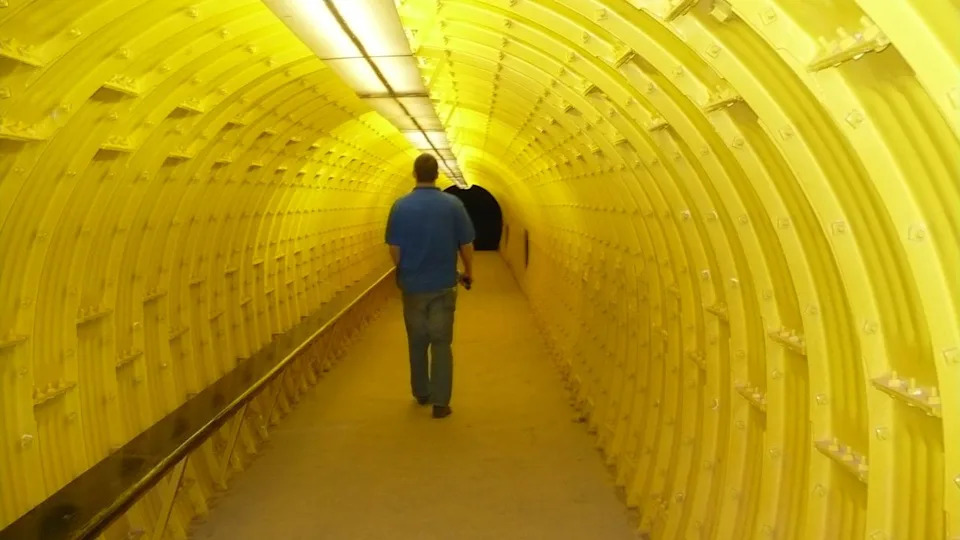
Image Credit: Oydman (talk) - self-made - CC BY-SA 3.0/Wiki Commons.
Lost Sea (Craighead Caverns), Tennessee
Why it’s notable: Unlike the surface lakes on this list, the Lost Sea is the country’s largest known underground lake, contained within a complex cavern system. Visitors see a large chamber on guided tours, but narrow, water-filled passages extend beyond the show cave. Cave divers have attempted to map those conduits, but hazardous, tight conditions have prevented a complete survey.
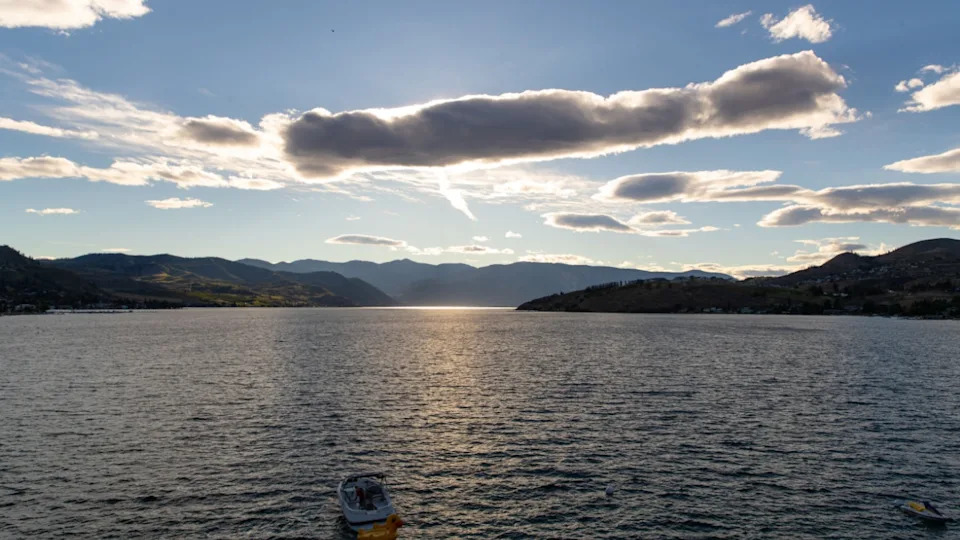
Image Credit: Shutterstock.
Lake Chelan, Washington
Why it’s notable: Carved by glaciers, Lake Chelan is a long, narrow “finger lake” with steep walls and deep troughs. Its fjord-like profile places much of the deepest habitat out of easy reach; cold temperatures and high pressures at depth make comprehensive biological and geological surveys difficult.
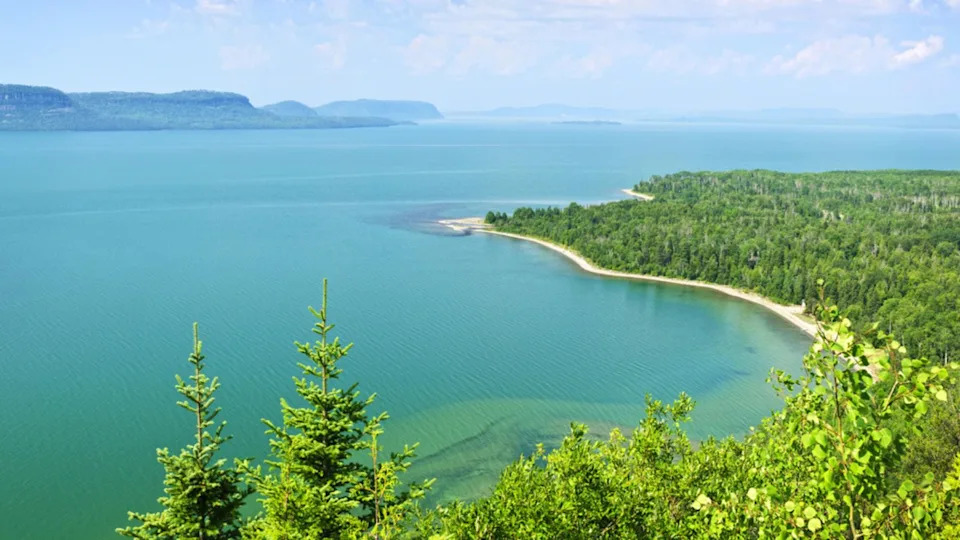
Image Credit: Deposit Photos.
Lake Superior (Great Lakes)
Why it’s notable: By surface area, Lake Superior is the largest freshwater lake on Earth, and its vast floor contains cliffs, canyons, plains and hundreds of well-preserved shipwrecks. Modern bathymetric tools have mapped many regions, but the lake’s enormous scale leaves remote pockets that are still not closely studied.
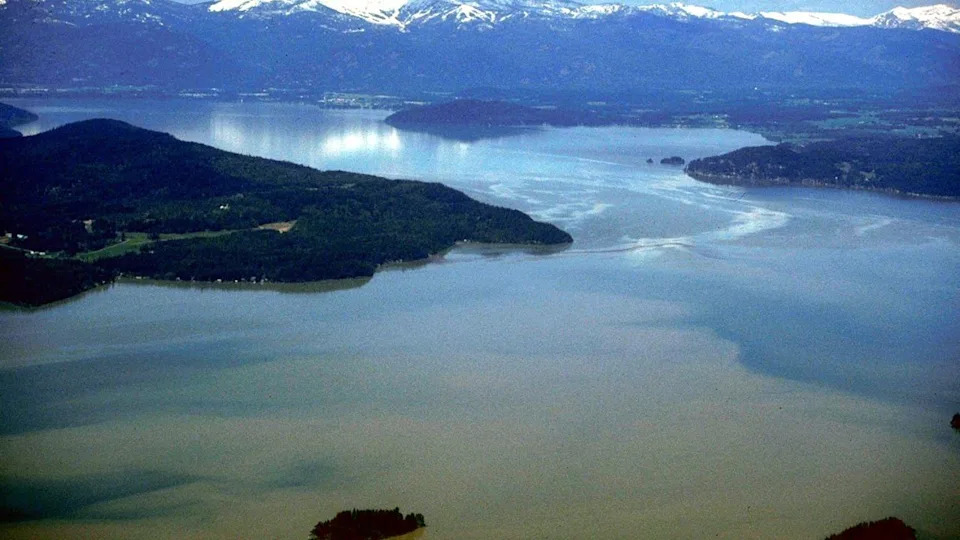
Image Credit: U.S. Army Corps of Engineers, Public Domain/Wiki Commons.
Lake Pend Oreille, Idaho
Why it’s notable: This deep, glacially carved lake in the Idaho Panhandle is acoustically clear enough that the U.S. Navy uses it for submarine and sonar testing. Its depth and sound-propagation properties are valuable for research, yet many aspects of the deepest geology and biology remain active areas of study.
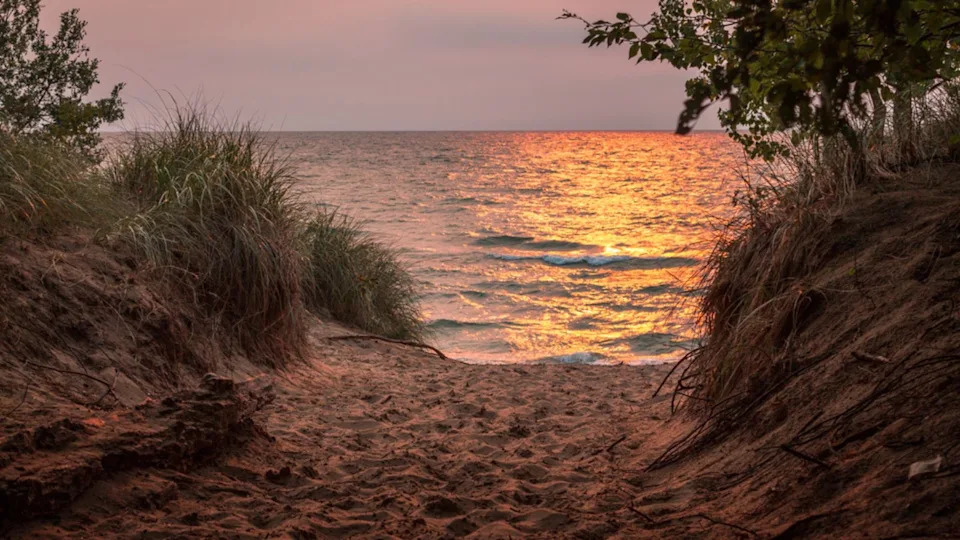
Image Credit: Deposit Photos.
Lake Michigan (Great Lakes)
Why it’s notable: Lake Michigan’s basins show varied underwater topography shaped by glacial activity. The deepest basins include hills, troughs and numerous shipwrecks. Continued sonar surveys and dives keep revealing new features and archaeological finds.
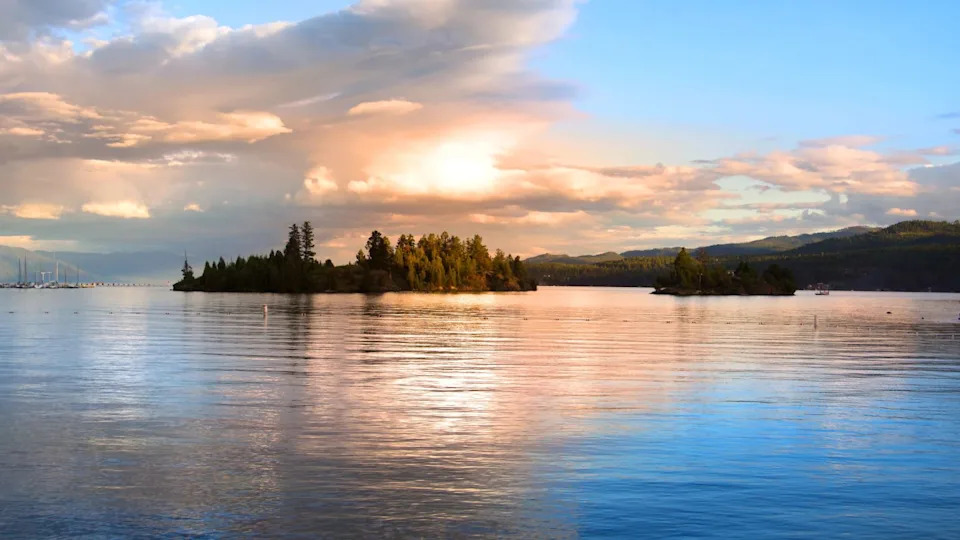
Image Credit: Deposit Photos.
Flathead Lake, Montana
Why it’s notable: The largest natural freshwater lake west of the Mississippi, Flathead Lake was sculpted by glaciers and is fed by pristine mountain streams. Its sediment layers preserve regional climate history and its depth supports a rich ecosystem—while local folklore about a lake monster adds cultural color.
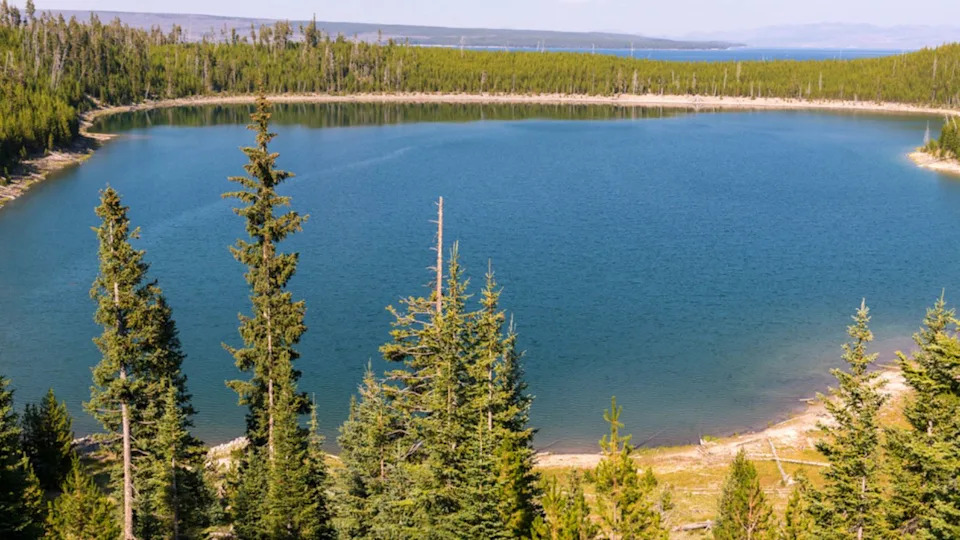
Image Credit: Deposit Photos.
Yellowstone Lake, Yellowstone National Park
Why it’s notable: Sitting atop a supervolcanic system, Yellowstone Lake’s floor hosts submerged geothermal features such as hot springs, vents and geyser-like activity. Scientists have observed uplift and subsidence on the lakebed linked to underlying magmatic movement; research submersibles have found unique chemical and biological communities around hydrothermal vents.
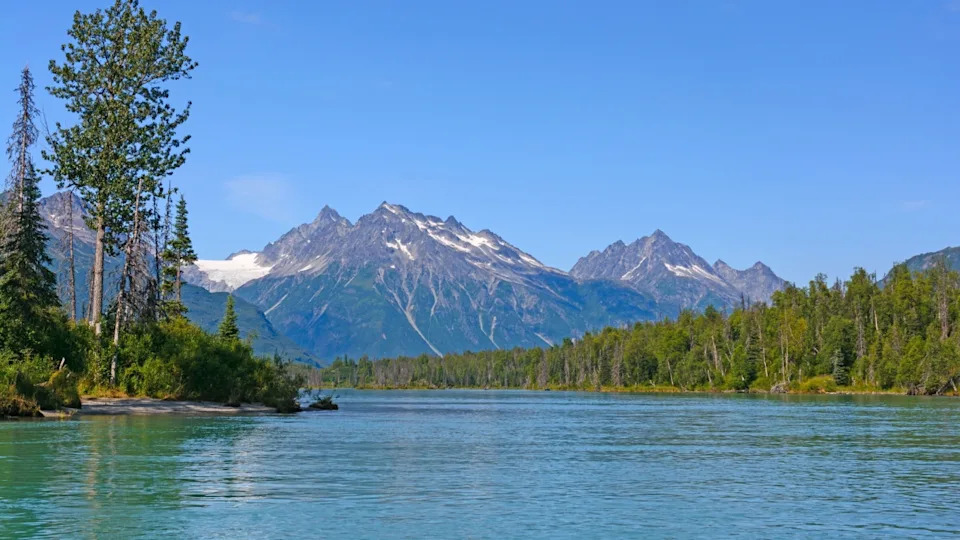
Image credit: Shutterstock.
Lake Clark, Alaska (Lake Clark National Park)
Why it’s notable: Fed by glaciers and set in remote Alaskan wilderness, Lake Clark fills a deep valley carved by ice. Its glacial silt and rock bottom, combined with extreme weather and isolation, limit extensive study—making it one of the larger, least-studied lakes in the United States.
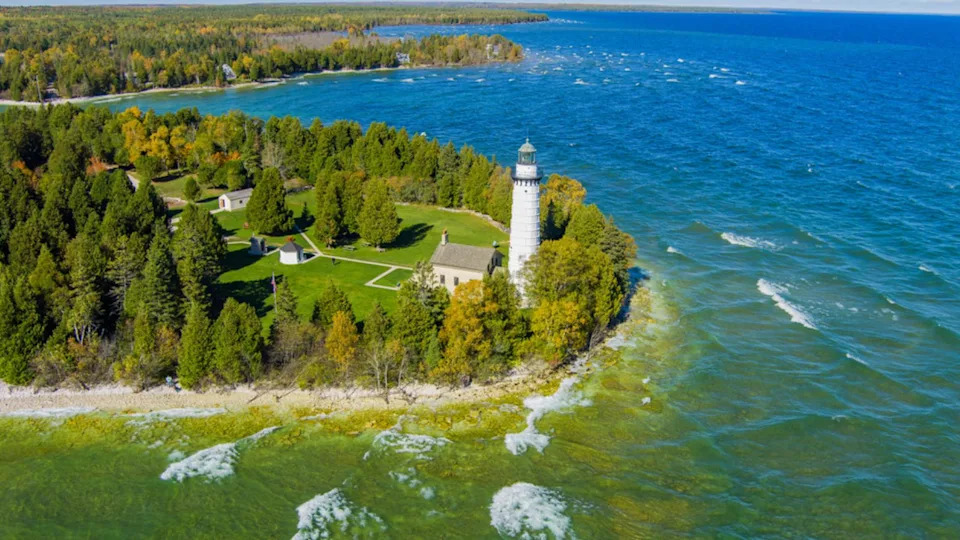
Image Credit: Deposit Photos.
These lakes are more than scenic destinations: they are natural archives and living laboratories. Advances in sonar, submersible technology and sediment analysis are gradually revealing how volcanic eruptions, glaciation and tectonics shaped these basins. Each survey adds pieces to a geological and ecological puzzle that began millennia ago and remains far from complete.


