Summary: The U.S. military buildup around Venezuela often reads like a media-driven narrative rather than a campaign grounded in clear evidence. Key claims—such as speedboats carrying "mostly fentanyl" and Venezuela being the linchpin of the U.S. drug crisis—conflict with trafficking data and intelligence. Designations like the "Cartel de los Soles" and inconsistent public statements deepen the sense of a manufactured story, even as nearly 90 people have reportedly died in strikes.
Why the US–Venezuela Military Buildup Feels Unreal — And What’s Really at Stake

The French philosopher Jean Baudrillard famously argued that the Gulf War, as presented to television audiences, had become a kind of staged reality that obscured the facts on the ground. That insight feels relevant today as the United States mounts a high-profile military buildup aimed at Venezuela—an operation that often reads more like a narrative production than a clear, evidence-based campaign.
Mixed Messages and Theatrics
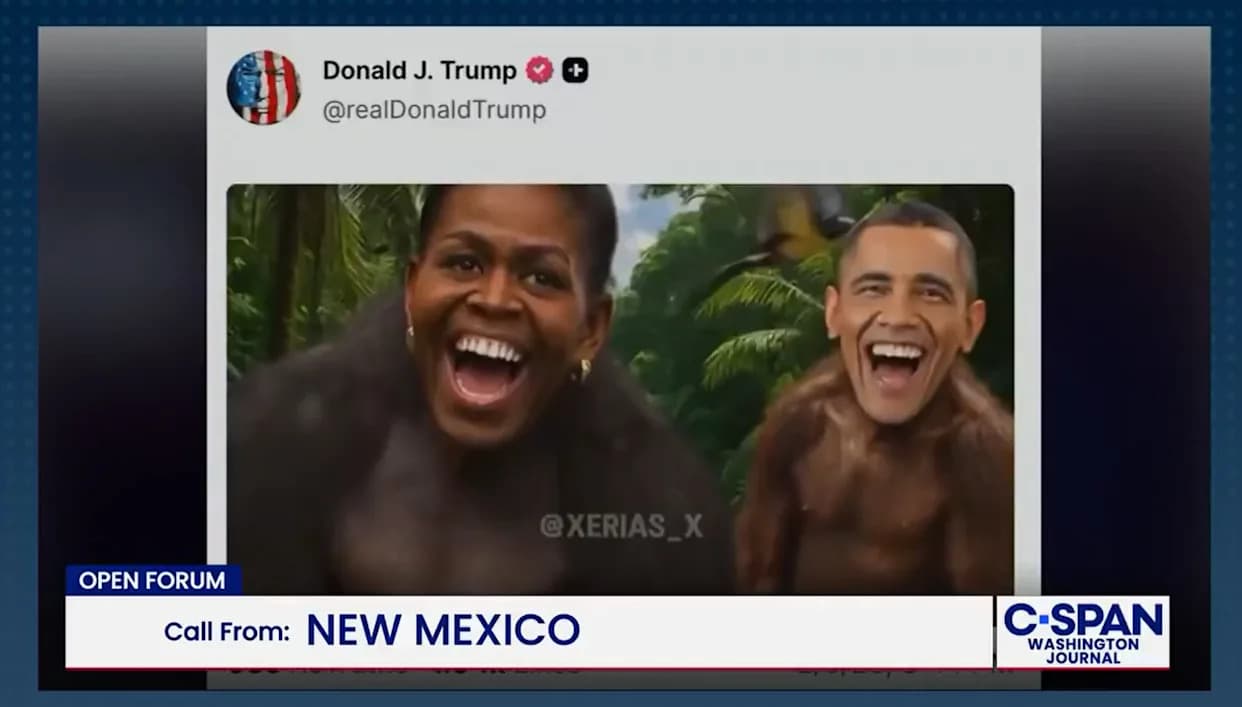
Consider President Donald Trump’s dramatic post on Truth Social declaring:
"To all Airlines, Pilots, Drug Dealers, and Human Traffickers, please consider THE AIRSPACE ABOVE AND SURROUNDING VENEZUELA TO BE CLOSED IN ITS ENTIRETY."
Reuters later reported that many U.S. officials were surprised by the announcement and were unaware of any operations intended to enforce such a closure. No U.S. action followed to close the airspace; a migrant repatriation flight from the United States landed in Venezuela days later.
Fog Of War—or Fog Of Politics?
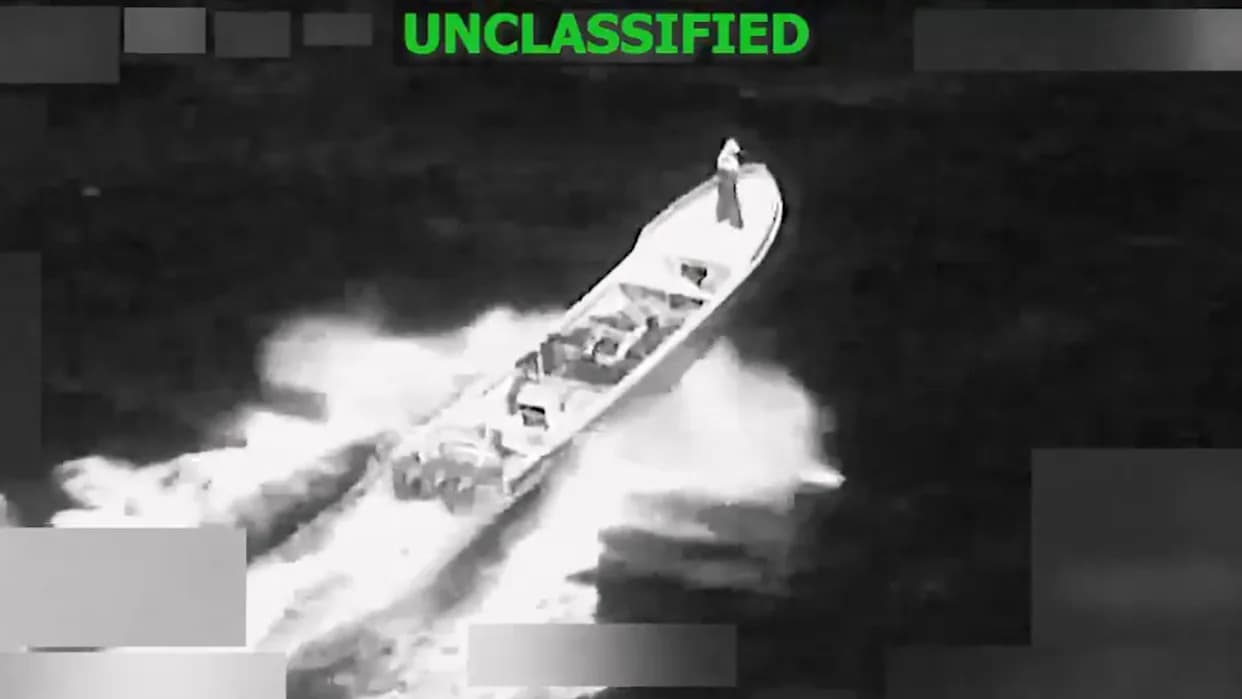
Secretary of Defense Pete Hegseth invoked the "fog of war" to explain a September strike in which survivors of an initial attack were reportedly killed by a follow-up strike. The phrase normally denotes uncertainty amid active combat; it is harder to reconcile with strikes against targets that did not present a clear, imminent threat.
Questionable Factual Foundation
The public rationale for the Caribbean deployment and a series of strikes on alleged drug boats centers on a narrative that Venezuela and its security apparatus threaten the U.S. with lethal narcotics. Lawmakers defending the strikes have suggested they "probably saved thousands of American lives," and the president has claimed that "Every boat we knock out, we save 25,000 American lives." These claims depend heavily on the assumption that the boats carried mostly fentanyl.
Yet available trafficking data indicate that fentanyl is overwhelmingly smuggled into the United States overland from Mexico, not shipped by speedboat from Venezuela or other South American ports. Where drugs are present on intercepted vessels, evidence suggests it is far more likely to be cocaine—less acutely lethal than fentanyl and often destined for markets outside the United States.
The Drug Enforcement Administration has warned that tiny quantities of fentanyl can be deadly and has noted that one kilogram contains a theoretical number of potentially fatal doses. But that scientific point does not justify blanket assumptions about where fentanyl is coming from or who is transporting it.
Designations, Claims, and Contradictions
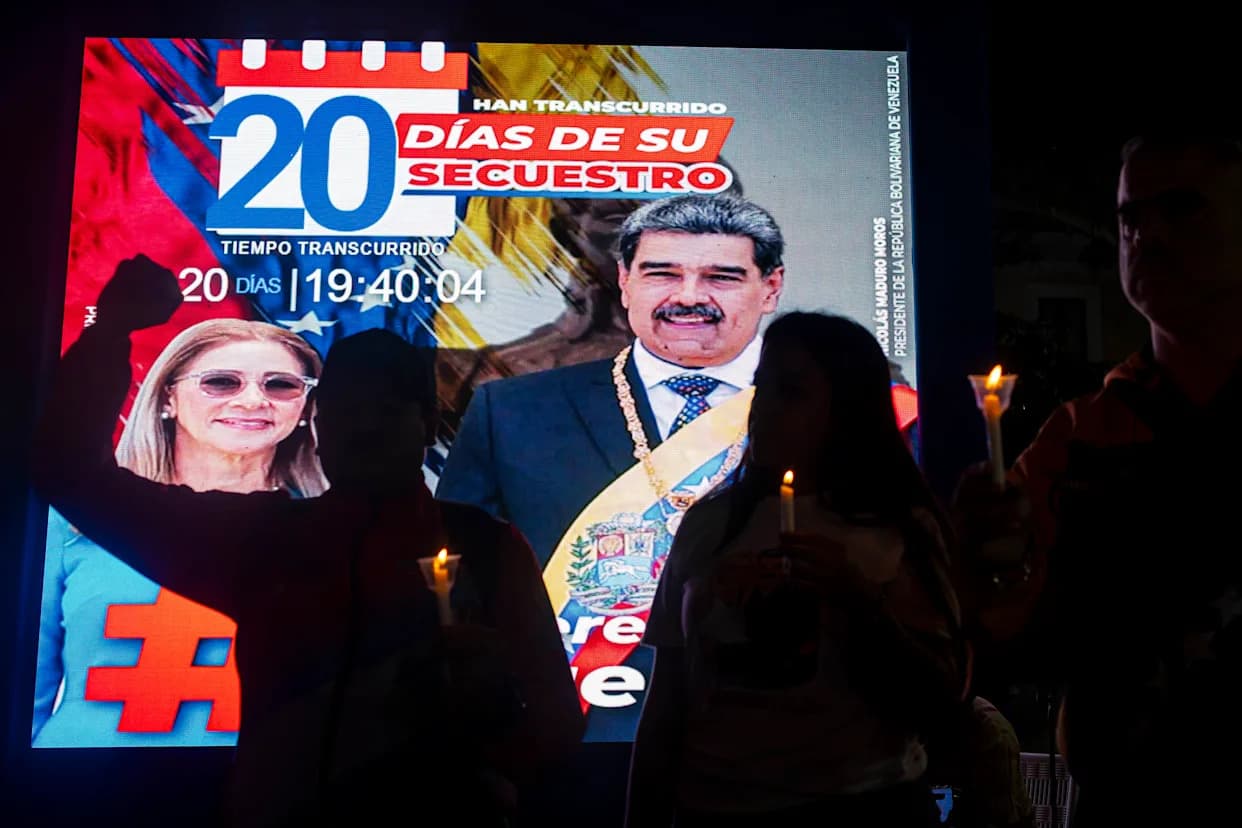
The administration designated the so-called "Cartel de los Soles" as a foreign terrorist organization and has at times portrayed President Nicolás Maduro as its leader. "Cartel de los Soles" is a colloquial term Venezuelans use to describe networks of senior military officials implicated in illicit activity; it is not a formal cartel with a single chain of command. The terrorist designation appears intended to broaden the political case for action, but it does not, by itself, resolve legal or factual ambiguities about culpability and control.
On related claims, U.S. officials have at times contradicted their own intelligence by asserting Maduro controls other criminal groups, such as Tren de Aragua. Meanwhile, some opposition figures have repeated unverified allegations—such as claims that Maduro interfered in the 2020 U.S. election—further muddling the information environment.
How This Compares To Past Wars
Observers have compared the buildup to the run-up to the 2003 Iraq war—where contested intelligence was used to justify military action. That comparison is instructive but imperfect: by most public indications, less effort has been made to compile and present clear evidence linking Venezuelan leadership to an imminent, direct threat to the United States. A prolonged, Iraq-style ground invasion of Venezuela currently appears unlikely given the forces deployed; more plausible are limited, demonstrative airstrikes against facilities or boats followed by disengagement.
The Human Cost
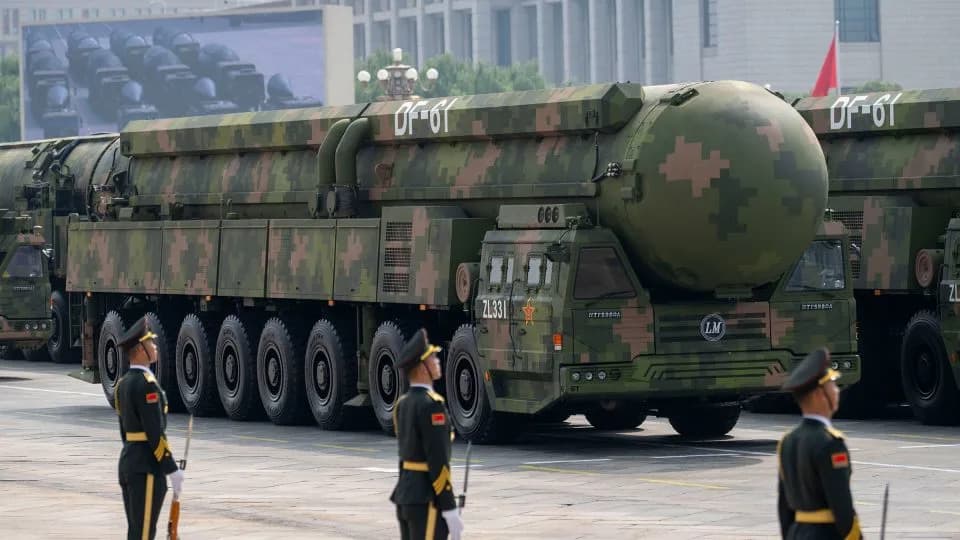
The sense of unreality around the political theater should not obscure the real human toll: nearly 90 people have reportedly been killed so far in U.S. strikes on boats. Venezuelan civilians, local communities, and U.S. service members would face severe risks if strikes expanded onto land. Thousands of Americans die from drug overdoses every year, and many Venezuelans continue to suffer under an economically and politically destabilized government. Those realities demand clear evidence, careful strategy, and measured public explanation—not theatrical proclamations.
Bottom line: The current U.S. posture toward Venezuela combines plausible security concerns with inconsistent public messaging, contested intelligence claims, and political theater. The result is a buildup that feels uncanny—strategically consequential but narratively constructed.
Help us improve.