Summary: Sally McNeil, a former Marine and competitive bodybuilder, shot and killed her husband Ray on Feb. 14, 1995, and has consistently said she acted in self‑defense after years of alleged abuse. Convicted of second‑degree murder in 1996, she was sentenced to 19 years to life, served 25 years and was paroled on May 29, 2020. The Netflix docuseries Killer Sally revisits the case and examines how her physique, public persona and past incidents shaped legal and public perceptions.
Valentine’s Day Killing: Why Bodybuilder Sally McNeil Still Insists It Was Self‑Defense

Sally McNeil, a former U.S. Marine and competitive bodybuilder, shot and killed her husband, fellow bodybuilder and ex‑Marine Ray McNeil, on Valentine’s Day, Feb. 14, 1995. The case—reexamined in the 2022 Netflix docuseries Killer Sally—remains controversial because Sally has consistently maintained she acted in self‑defense after years of alleged domestic abuse.
Background
Sally Dempsey McNeil was born in Allentown, Pennsylvania, in 1960. She left East Stroudsburg State College one semester short due to financial constraints and followed family members into the U.S. Marine Corps, rising to the rank of Sergeant. While stationed at Camp Pendleton, she took up bodybuilding to increase her strength and confidence, competing for the first time on Valentine’s Day 1987 and eventually winning Armed Forces titles.
Ray McNeil was born in North Carolina in 1965 and was raised by his aunt. He also served as a Marine and began competing in bodybuilding in the 1980s. In 1990 the couple became the first husband‑and‑wife duo to win the Armed Forces Bodybuilding Championships; Ray later won the IFBB North American Championships and was named Mr. California in 1991.
The Marriage And Allegations Of Abuse
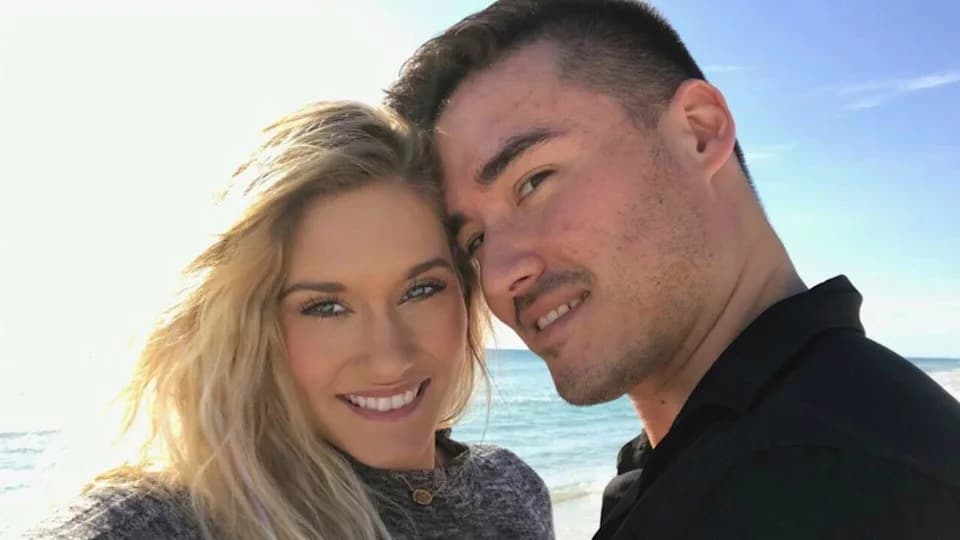
Sally and Ray met in June 1987 and married two months later. Ray became stepfather to Sally’s two children from her previous marriage, daughter Shantina and son John. According to interviews and footage presented in Killer Sally, family members and Sally herself alleged a pattern of physical and emotional abuse during the marriage: accounts include punched faces, broken noses and choking. Sally described feeling trapped by repeated violence and low self‑esteem, later calling herself a “classic case of Battered Wife Syndrome.”
Financial strain and the demands of competitive bodybuilding intensified pressures at home. The documentary and reporting describe how Sally at times earned money by producing wrestling videos and performing private matches—often described in media coverage as “muscle prostitution”—and how both partners struggled with steroid use and expenses related to Ray’s career.
The Night Of Feb. 14, 1995
According to police records, archival footage and testimony shown in the Netflix series, Ray arrived home late on Valentine’s Day 1995 and an argument ensued. Sally told investigators Ray struck and choked her; she said she feared for her life. She retrieved a shotgun from their bedroom, loaded it in the hallway, and shot Ray twice—once in the abdomen and once in the head. Ray was still breathing when emergency personnel arrived but died hours later at Scripps Memorial Hospital in La Jolla, California.
In a 911 call included in the documentary, Sally can be heard saying, “I just shot my husband because he just beat me up.”
Trial, Conviction And Appeals
Sally was arrested and tried for murder. At her 1996 trial, prosecutors argued the killing was premeditated and emphasized her military background, muscular physique and past public incidents of violence to challenge her claim of being battered. Defense lawyers said she had suffered long‑term abuse and acted to protect herself. On March 19, 1996, Sally was convicted of second‑degree murder and sentenced to an indeterminate term of 19 years to life.
Sally began serving her sentence at Valley State Prison for Women in May 1996. She appealed; the U.S. Ninth Circuit Court of Appeals briefly overturned the conviction in 2003, but the U.S. Supreme Court reversed that decision and the original conviction was reinstated in 2005. Sally ultimately served 25 years before being granted parole on May 29, 2020. She has continued to assert the shooting was an act of self‑defense.
After Prison And Legacy
Following her release, Sally lived in a Veterans Transition Center residence in Northern California and worked in a warehouse. She met Norfleet Stewart at a veterans support group and later relocated to Hephzibah, Georgia, according to a GoFundMe note connected to relief efforts after Hurricane Helene. Her son John died on Feb. 28, 2024.
The Netflix series renewed public attention to the case by compiling interviews, family testimony, archival footage and courtroom records. Director Nanette Burstein and other commentators highlighted how Sally’s physical strength, her wrestling persona known as “Killer Sally,” and publicized past behavior were used in court and by jurors to shape perceptions—raising broader questions about how domestic violence claims are evaluated when the alleged victim is physically imposing or publicly controversial.
Why This Case Still Matters
The McNeil case sits at the intersection of domestic violence, criminal justice and media portrayal. It prompts difficult questions: How should courts weigh evidence of long‑term abuse against actions taken in the moment? To what extent should a victim’s public persona or physical strength affect assessments of credibility? The documentary doesn’t resolve those debates, but it brings them back into public discussion.
Help us improve.