Acting ICC Deputy Prosecutor Mame Mandiaye Niang criticised US sanctions that he says equate court officials with "terrorists and drug traffickers," and described how the measures disrupted his personal and family finances. He said in‑absentia confirmation hearings — modelled on the recent Joseph Kony proceeding — are "conceivable" for leaders such as Benjamin Netanyahu and Vladimir Putin, though arrests remain unlikely because the ICC lacks police powers. Niang acknowledged the disruptive effect of allegations against Chief Prosecutor Karim Khan but defended the court's expanding global work and its continuing role in prosecuting mass crimes.
US Sanctions 'Equate Us With Terrorists,' ICC Deputy Prosecutor Says — In‑Absentia Hearings 'Conceivable' for Netanyahu, Putin

ICC Deputy Prosecutor Condemns US Sanctions and Signals Possible In‑Absentia Hearings
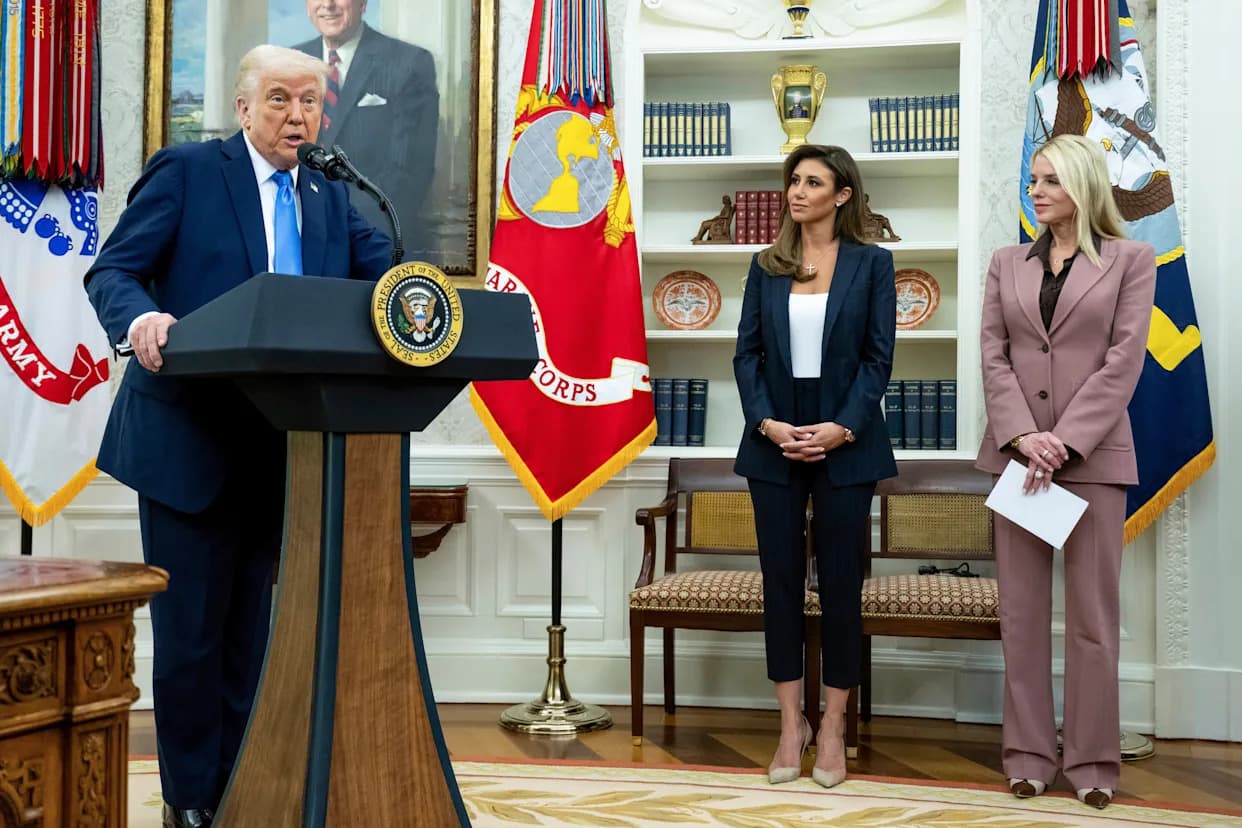
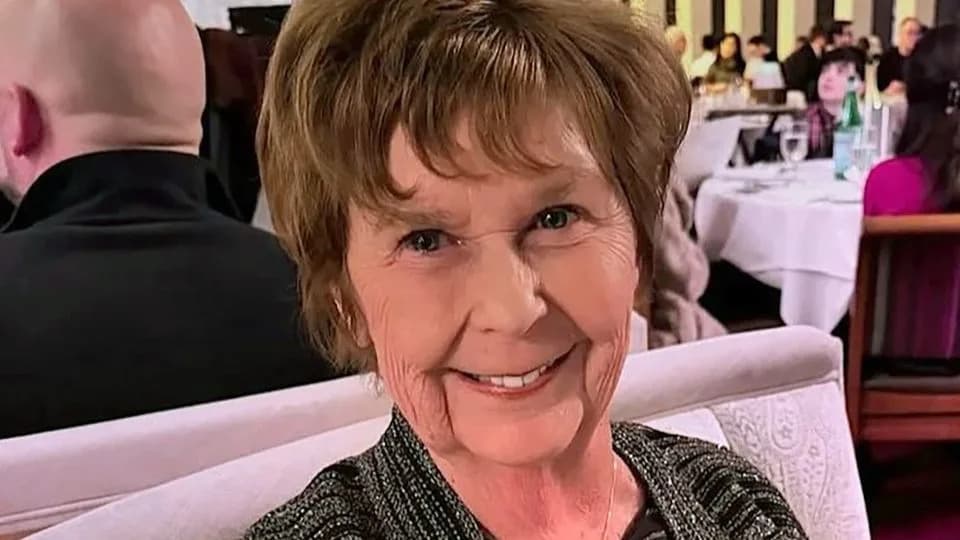
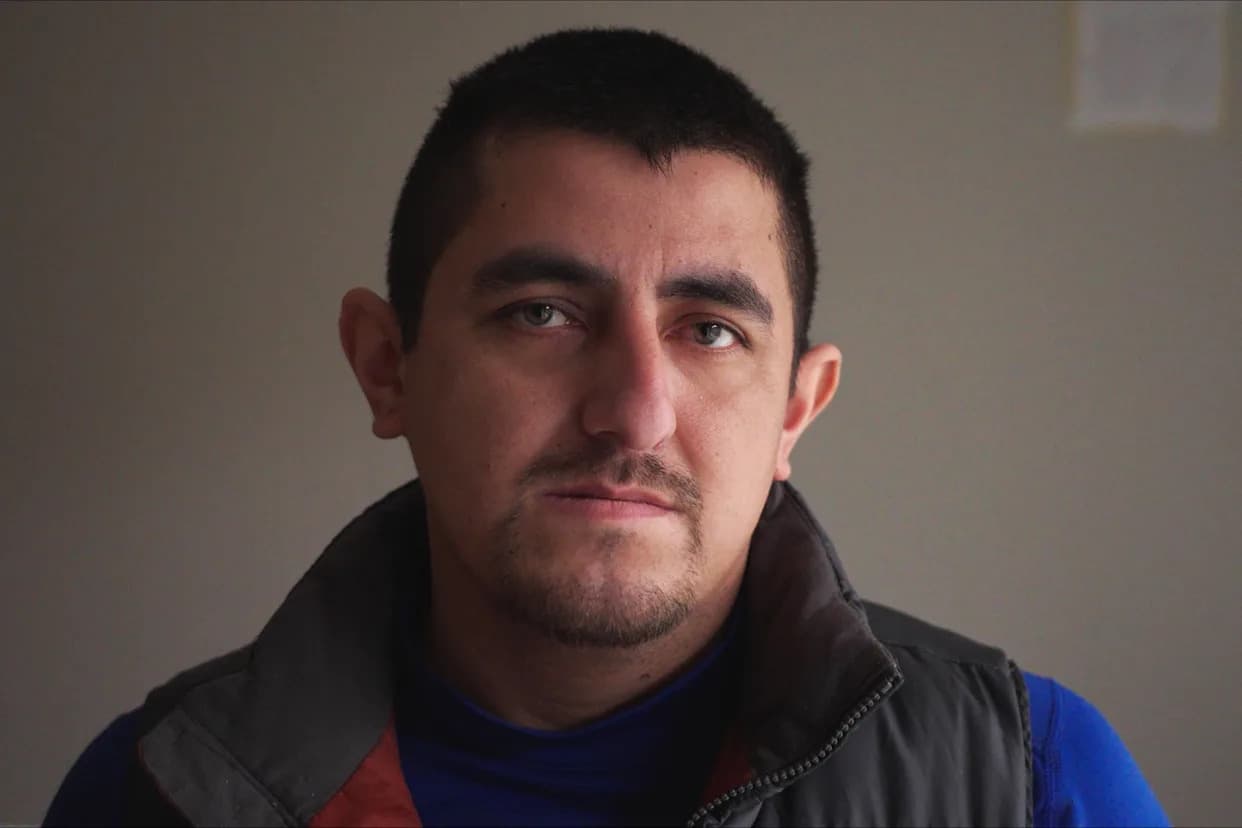
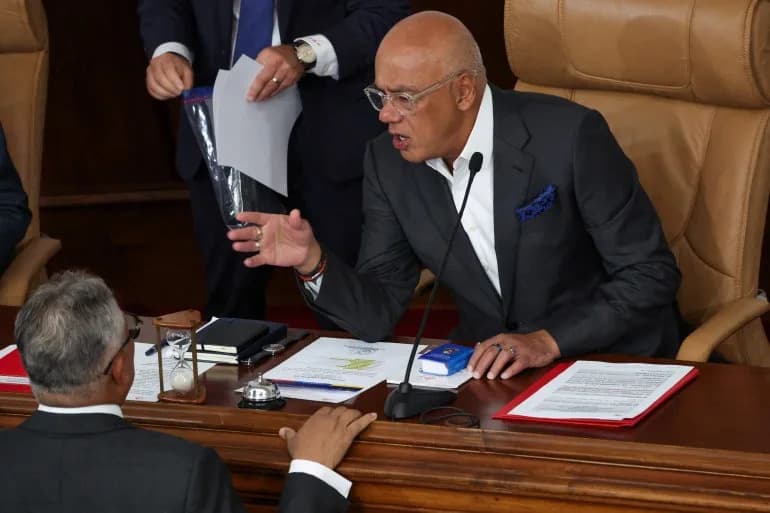
Mame Mandiaye Niang, acting deputy prosecutor at the International Criminal Court (ICC), sharply criticised US sanctions on Friday, saying the measures effectively place senior court officials on a par with "terrorists and drug traffickers." Niang, 65, who alongside senior ICC judges and prosecutors is targeted by measures imposed by the Trump administration, made the remarks in a wide‑ranging interview with AFP in The Hague.
“You can disagree with what we are doing. That happens all the time. But even if we upset you, you should never put us on the same list as terrorists or drug traffickers,” Niang said.
Niang described concrete personal and family disruptions caused by the sanctions. He said a blocked American Express card prevented him from charging his hybrid car and that he was reluctant to transfer funds to relatives for fear their accounts might be frozen.
In‑Absentia Confirmation Hearings: A Practical Option
On the prospect of holding confirmation‑of‑charges hearings in the absence of high‑level suspects, Niang said it was "conceivable" to use the procedure for figures such as Israel's Prime Minister Benjamin Netanyahu or Russia's President Vladimir Putin. The ICC has no police force and relies on states to arrest and transfer suspects, making custody of such leaders highly unlikely.
Niang pointed to an unprecedented confirmation hearing held earlier this year for fugitive Ugandan rebel leader Joseph Kony as an example. He noted that while in‑absentia confirmation hearings are a cumbersome process, they can preserve evidence and give victims a voice. Any such hearing, he stressed, would require judges' approval and would not replace a trial.
Pressure on the Court and Its Leadership
Niang is acting chief prosecutor while Karim Khan is on leave pending an investigation into sexual abuse allegations that Khan denies. Niang said the allegations — even as accusations — had "poisoned the atmosphere" at the court and had been exploited in ways that hindered its work, notably in the Palestine investigation. Israel has accused Khan of issuing "baseless and outrageous" warrants to distract from those allegations.
Despite the obstacles, Niang defended the ICC's mission and pointed to recent developments he described as successes: the unprecedented Kony confirmation hearing and other actions the court has pursued this year. He also said the ICC's geographic footprint has broadened beyond a long focus on Africa to include investigations in Latin America, Asia and Europe, including Ukraine.
“At this time when our existence is under threat, the world needs us more than ever,” Niang said. “Mass crimes are being committed daily and the court is there to try those crimes.”
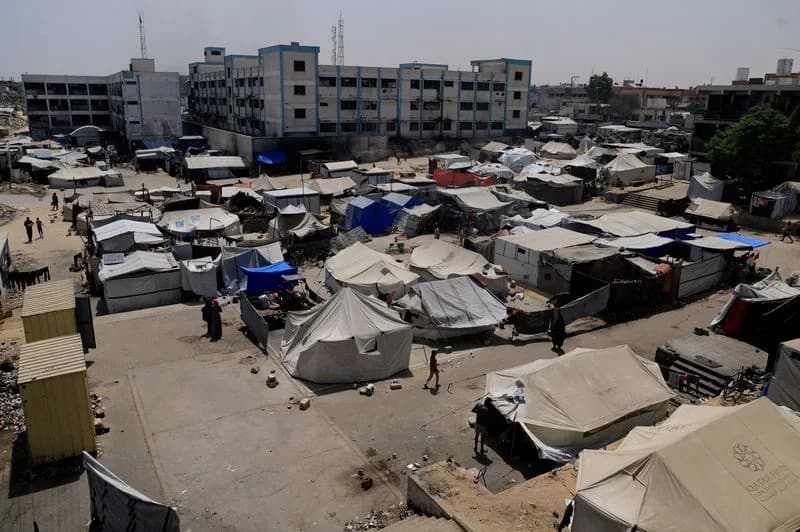
Context: The sanctions by the US administration were framed as retaliation for ICC arrest warrants tied to Israel's actions in Gaza. The ICC continues to face political pressure even as it pursues cases and explores procedural tools — like in‑absentia confirmation hearings — to advance accountability where arrests are unlikely.
Help us improve.