The Legislative Council election took place 11 days after a deadly high-rise fire that killed at least 159 people, intensifying scrutiny of government oversight and investigative efforts. Electoral changes since 2021 have reduced directly elected seats and increased vetting, contributing to the absence of the pro-democracy camp and low political engagement. Nearly 40% of incumbents did not run, while a growing share of candidates have ties to Chinese-funded firms and national bodies. Authorities expanded voting measures, but analysts say the tragedy may further depress turnout and fuel concerns about representation and legislative quality.
Hong Kong Votes 11 Days After Deadly High-Rise Blaze, Raising Questions About Governance and 'Patriots-Only' Rule

Overview
Eleven days after a catastrophic high-rise fire that killed at least 159 people, Hong Kong held an election for its 90-member Legislative Council amid renewed scrutiny of government oversight and the city’s “patriots-only” political system. The disaster — the deadliest single blaze in Hong Kong since 1948 — intensified public questions about building maintenance, emergency response and official investigations even as broad street protests remain muted following a sweeping security crackdown begun five years ago.
What Changed in Hong Kong’s Election System
Beijing reshaped Hong Kong’s political landscape with electoral reforms in 2021 that reduced the number of directly elected seats from 35 to 20. Another 40 seats are selected by a predominantly pro-Beijing election committee, while 30 seats are chosen by voters in designated professional and sector panels. All candidates must pass official vetting that includes national security screening. As a result, the pro-democracy camp has effectively vanished from the legislature after many of its figures were arrested under a 2020 national security law.
Candidate Pool and Political Shifts
Nearly 40% of incumbent lawmakers chose not to run for re-election, including several well-known and mildly outspoken figures. At the same time, the candidate list for the current vote saw a notable rise in people with ties to Chinese-funded enterprises and national bodies: at least 26 of 161 candidates (about 16%) hold positions in Chinese-funded or state-linked companies, while at least 16 candidates are delegates to China’s national legislature and 13 are members of China’s top political advisory body.
Observers say this signals Beijing’s intent to ensure legislators are aligned with national priorities and to reduce the influence of traditional party structures. John Burns, an honorary professor of politics and public administration at the University of Hong Kong, said central authorities appear to prefer younger, less outspoken candidates who adopt a national perspective rather than focus on narrow local interests.
Responses From Officials and Candidates
Hong Kong leader John Lee characterized the personnel changes as a normal transition and accused “opposing forces” of attempting to smear the vote. Candidates with roles in Chinese-funded firms defended their dual roles: incumbent finance lawmaker Ronick Chan (an adviser at Bank of China (Hong Kong) Limited) said such experience helps Hong Kong understand central policies and integrate with national development. Other candidates echoed that professional or corporate backgrounds do not prevent them from serving the public interest.
Turnout, Campaigning and the Impact of the Fire
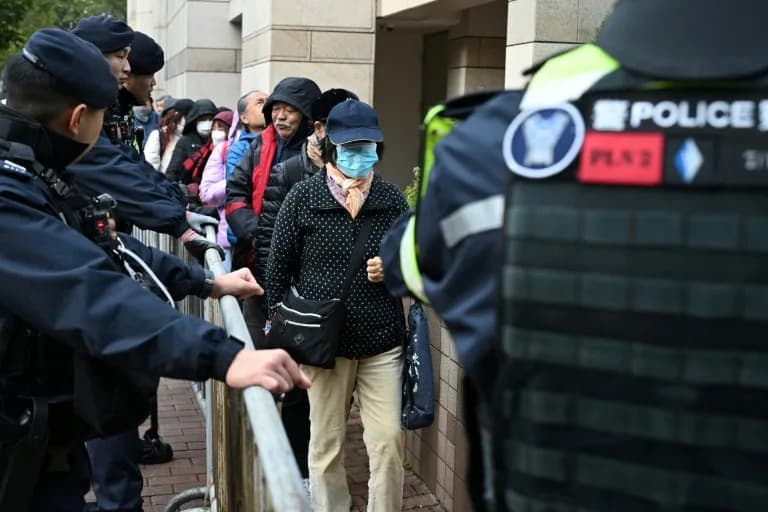
Voter turnout is a key gauge of public sentiment in a city where political engagement fell sharply after the 2021 changes: turnout dropped to a record low of 30.2% in 2021. Authorities moved to increase participation this year by extending voting hours, adding polling stations and offering subsidies to centers serving older adults and people with disabilities. Civil servants were urged to vote, and some employers gave staff time off to cast ballots. Authorities also made arrests tied to social media posts that allegedly discouraged voting and charged people for defacing election materials.
Analysts say the deadly fire complicated turnout efforts: some pro-government voters may support the official response to the disaster, but others could be deterred by the systemic problems the blaze exposed and the high death toll. John Burns said the tragedy has undercut momentum for boosting participation and could keep turnout at or below previous lows.
What To Watch
- Voter turnout and whether it rebounds from 2021’s record low.
- The balance of lawmakers with ties to mainland institutions and state-linked firms.
- Public reaction to the government’s handling of the fire and subsequent investigations.
Reporting note: AP video journalist Ayaka McGill contributed to this report.
Help us improve.