House Republican women have increasingly clashed with Speaker Mike Johnson, publicly breaking with leadership on issues such as a ban on congressional stock trading and the release of sensitive files. Several prominent GOP women are resigning or running for other offices, raising the prospect of a decline in the party’s female representation. Outside groups are expanding recruitment efforts, but analysts warn the GOP lacks sustained internal infrastructure to reliably grow its ranks of female lawmakers.
GOP Women Push Back Against Speaker Mike Johnson as Exits Threaten Party's Female Ranks

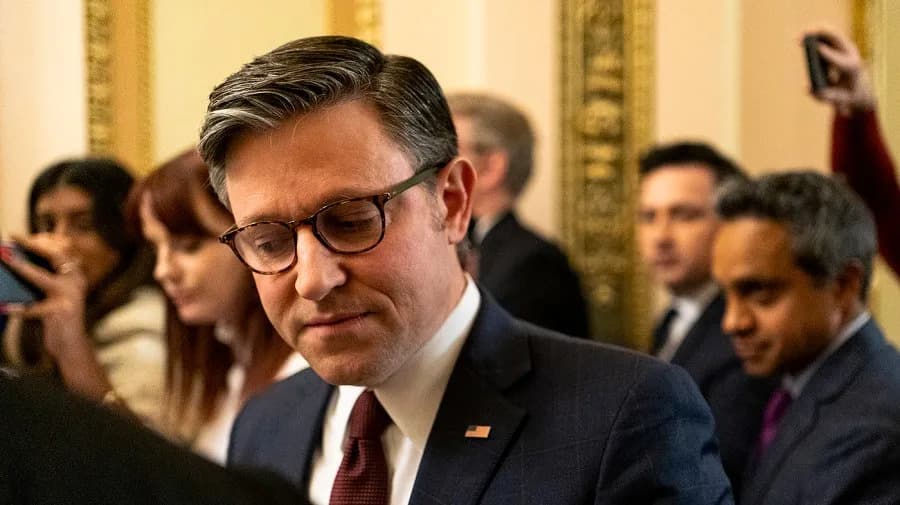
Speaker Mike Johnson is confronting an unusual bout of dissent from House Republican women who say they have been sidelined under his leadership. In recent weeks several GOP lawmakers have publicly broken with the speaker — filing discharge petitions, criticizing his handling of sensitive matters, and signaling plans to pursue other offices — prompting concerns that the party’s female representation in the House could shrink.
Public breaks with leadership
Rep. Anna Paulina Luna (R-Fla.) this week launched a discharge petition to force a floor vote on a ban on congressional stock trading, publicly expressing frustration that leadership was not moving faster even as she said she personally “likes Mike.” Johnson has pushed to address the issue through regular order and noted that a hearing has been held.
Rep. Elise Stefanik (R-N.Y.), chair of the House Republican Conference, not only signed Luna’s petition but also leveled public criticism of Johnson over language in the national defense bill, accusing him on social media of misleading colleagues on that issue. The public sparring appears to have cooled, but tensions between Stefanik and the speaker have persisted.
Representation and turnover concerns
Two House Republican women who spoke on background said they feel they have been passed over for opportunities and that their priorities are not always taken seriously under Johnson’s speakership. “It’s a sea change — for the worse,” one lawmaker said, adding that several GOP women are pursuing higher office partly because they feel undercut. Another said simply: “We aren’t taken seriously.”
High-profile departures and candidacies have added urgency to those concerns. Rep. Marjorie Taylor Greene announced her resignation, while Rep. Elise Stefanik and Rep. Nancy Mace are running for governor in their states, and Rep. Ashley Hinson is running for the Senate. Those moves mean at least four House Republican women will not return in the next Congress, which risks reducing GOP female representation.
Flashpoints and floor fights
Several recent votes highlighted the rift. Three Republican women joined a discharge petition to release files related to Jeffrey Epstein, despite pressure from the White House and party leaders who cited victim privacy concerns. The petition passed, and the files were released after broad bipartisan support.
Republican women also played a leading role in calls for accountability in the case of Rep. Cory Mills (R-Fla.), joining Democrats in opposing a motion to kill a censure resolution after allegations from an ex-girlfriend led to a restraining order and an Ethics Committee inquiry. Six of the eight Republicans who opposed killing the resolution were women.
Appointments, committee posts and criticisms
Johnson has pointed to his appointments of Republican women to visible roles: he named Rep. Virginia Foxx (R-N.C.) to chair the Rules Committee (making her the only woman chairing a committee) and placed three Republican women on the Intelligence Committee, including Stefanik. But critics note there remain no elected female committee chairs, and some members privately fault the speaker for not doing more to elevate women through the conference’s elected posts.
Recruitment efforts and long-term outlook
Outside groups such as Maggie’s List and Winning for Women are actively recruiting and endorsing GOP women for 2026 races, and some party fundraisers have emphasized support for female candidates. Still, scholars and strategists say the Republican Party lacks durable internal infrastructure dedicated to sustaining female recruitment; past initiatives have struggled to last.
There are currently 33 Republican women in the House (including two nonvoting members) compared with 96 Democratic women. Observers warn that with a relatively low baseline, every departure matters and replacing experienced incumbents will be challenging without sustained recruiting and support.
What’s at stake
The tensions reflect broader questions inside the GOP about priorities, personnel and strategy. Whether the current disputes lead to lasting changes in how Republican women are elevated — or instead contribute to an erosion of their numbers in the House — will depend on recruitment success, internal party decisions about leadership posts, and how effectively the conference addresses concerns about representation.
Help us improve.