On December 3, 2024, a surprise declaration of martial law deployed troops and tanks in central Seoul, but the National Assembly nullified the order within hours. The crisis reshaped lives: a freshman lawmaker left his party and later joined the opposition, a justice ministry inspector general resigned in protest, and a 25‑year‑old activist famously stood in front of a tank. Their stories highlight how one night redirected political loyalties, careers and grassroots activism.
The Night Martial Law Came to Seoul: How One Crisis Reshaped Lives and Politics

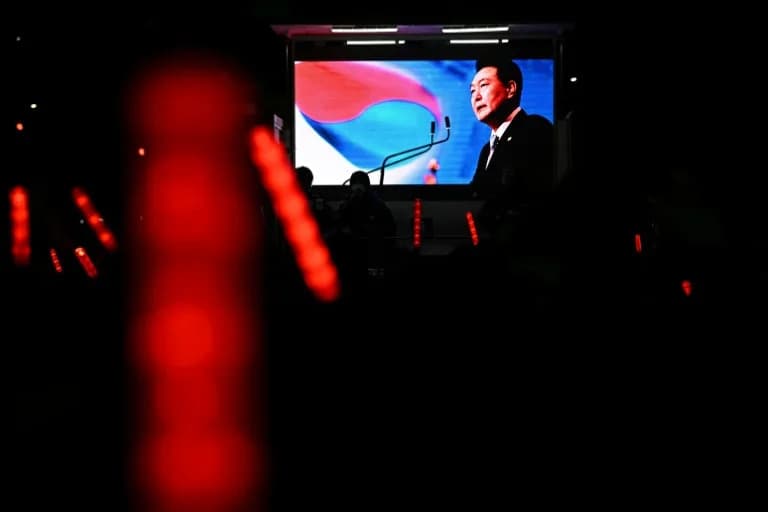
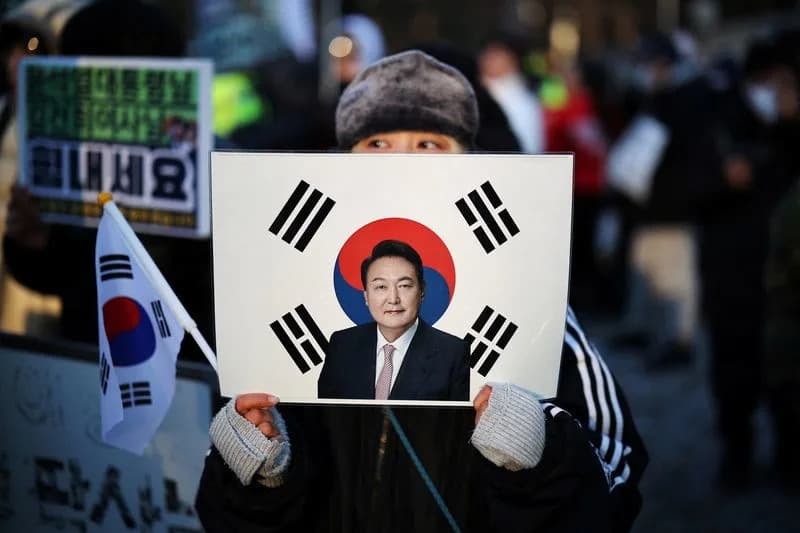
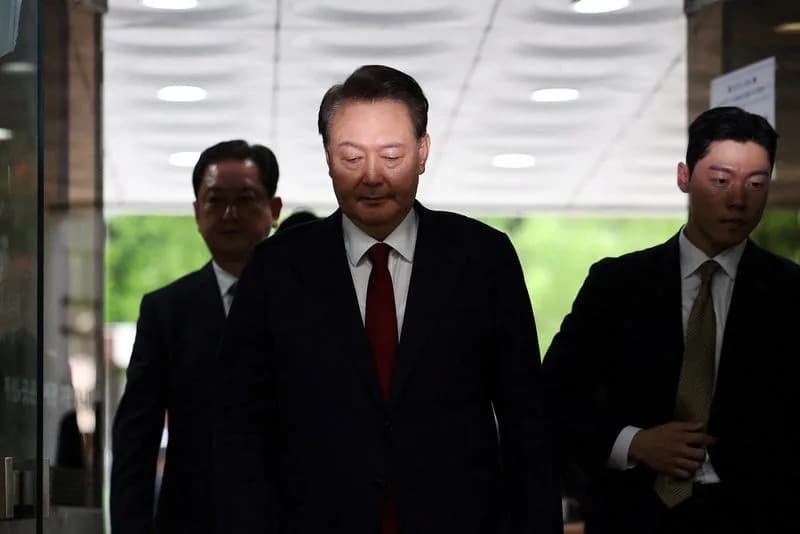
On the night of December 3, 2024, then‑president Yoon Suk Yeol declared martial law and suspended civilian rule — the first such move in South Korea in more than four decades. Soldiers and tanks were mobilized across central Seoul, troops landed by helicopter, and the National Assembly became the focal point of a tense confrontation as lawmakers and citizens scrambled to resist the decree. Thousands of protesters filled the streets, and within hours the legislature voted to nullify the order.
A year later, the shockwaves from that night continue to shape careers, convictions and public life. Below are the stories of three people who confronted the crisis directly and whose lives were irrevocably changed.
Lawmaker with "nowhere to go"
Freshman lawmaker Kim Sang‑wook rushed to the National Assembly and confronted armed soldiers at the chamber steps. "The National Assembly is not a place for you to enter!" he shouted as troops attempted to move in. Though a member of the conservative People Power Party at the time, Kim decided the martial law declaration had to be stopped.
After helping secure an emergency vote to block the decree, Kim worked with opposition lawmakers on an impeachment effort. When the opposition was initially eight votes short, he took on the difficult task of persuading colleagues to change their stance. A photograph of Kim sitting alone and crying in the chamber after party colleagues walked out went viral, capturing the personal cost of his decision.
In the weeks that followed, Kim publicly backed opposition leader Lee Jae Myung and later formally joined that party. "What happened after December 3 gave my life and my politics a direction," he said. The episode redirected his political path and underscored how a single night can realign loyalties and careers.
The lone civil servant
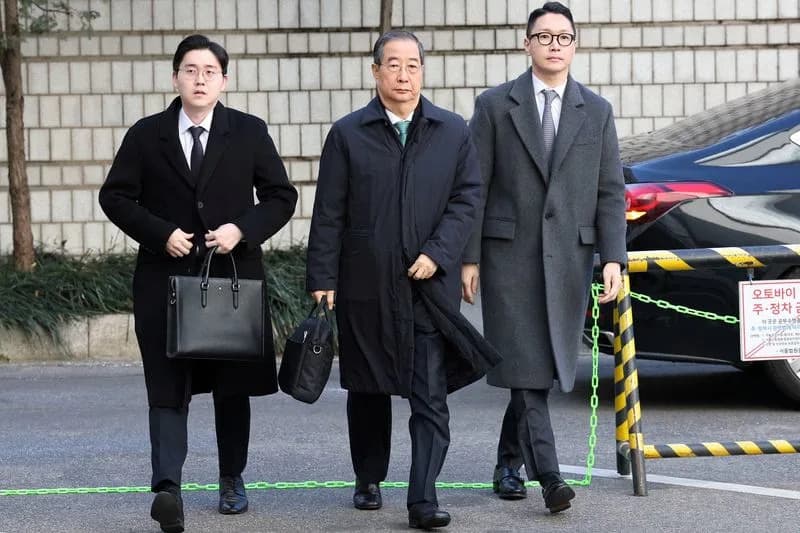
Ryu Hyuk, then inspector general at the justice ministry, arrived at his office as officials gathered to discuss the martial law order. As the ministry's internal watchdog, the 57‑year‑old believed it would be inappropriate to participate in implementing the decree. He wrote a resignation letter on the spot and, overcome with anger, returned to the meeting room to declare: "No matter your political views, martial law is not acceptable." He then walked out — the only civil servant to resign during the crisis.
Ryu says he is certain that, had martial law continued, many public officials would have shared his objections. Now a registered lawyer, he has not yet settled into a new professional routine and spends his days scuba diving and running while deciding his next steps.
The woman who "wasn't afraid"
Kim Da‑in, 25, had only recently learned to drive when she and her parents sped toward the National Assembly as events unfolded. Although they arrived after parliament had struck down the decree, the streets remained chaotic. When she saw a military tank turning toward the assembly building, she ran in front of it without hesitation. "I wasn't afraid," she said; a video of the action went viral and she became known widely as "the woman who stopped the tank."
After that night, Kim joined continuing street protests and rallies outside the former president's residence. The energy and solidarity she found among activists inspired her to transfer from online studies to an on‑campus program so she could organize and learn alongside peers. "I didn't think about gender when I stepped in front of the tank," she said. "What I want to say is simple: I intend to keep standing my ground."
Aftermath and lasting impact
The brief declaration of martial law triggered rapid political realignment, public debate about civil‑military relations, and a surge in youth activism. For some individuals it produced immediate career shifts — for others, a long period of reflection. A year on, the personal stories of those who stood in the Assembly, resigned in protest or physically blocked military vehicles remain a vivid reminder of how fragile democratic norms can be, and how citizens can alter the course of a nation in a single night.
Help us improve.