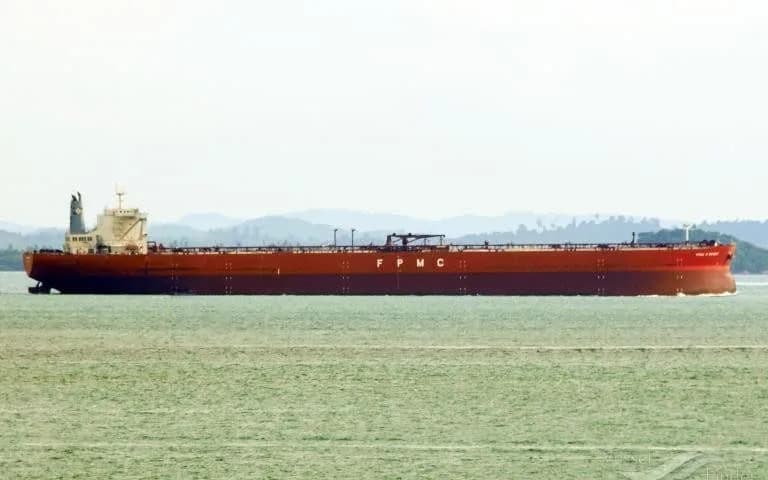
An analysis of US and UK sanctions records links dozens of tankers suspected of smuggling Russian and Iranian crude to the Cook Islands shipping registry, which operates from a small office beside a pizza shop. US data name 20 Cook Islands–flagged tankers for alleged smuggling in 2024–25, with 14 more on a British blacklist. Experts warn that "shadow fleet" vessels use flags of convenience and weak oversight to evade sanctions, while Maritime Cook Islands says it removes suspicious ships and maintains monitoring systems.
Beachside Registry: Cook Islands Flag Linked to 'Shadow Fleet' Evading Russia and Iran Sanctions

An analysis of US and UK sanctions records shows dozens of oil tankers suspected of moving illicit crude for Russia and Iran have relied on a small Cook Islands shipping registry to obscure their movements. The registry operates from a modest office beside a pizza shop in the Cook Islands, where foreign owners can register vessels to fly the Maritime Cook Islands flag without visiting the islands.
US sanctions data identify 20 Cook Islands–flagged tankers suspected of smuggling Russian and Iranian fuel during 2024–25, and a separate British sanctions database lists 14 more on its blacklist for the same period. The findings have drawn sharp criticism from New Zealand, the Cook Islands' closest partner, which called the situation "alarming and infuriating" and warned of an unacceptable divergence in foreign policy.
How the "shadow fleet" operates
Experts say a growing "shadow fleet" of tankers skirts sanctions by masquerading as legitimate cargo vessels and registering under flags of convenience in jurisdictions with lighter oversight. These ships may change names, switch flags, or falsify documentation to hide cargo origins and destinations.
Anton Moiseienko, sanctions and financial crime specialist at the Australian National University: "There are flag states that would not allow these ships to fly their flag. Others are more lax — and that is where the problem lies."
Registry growth and notable incidents
Maritime Cook Islands has been described in shipping circles as one of the fastest-growing registries. Critics and analysts say several Cook Islands–flagged vessels have been identified as part of the shadow fleet, and that international mechanisms to enforce flag-state obligations are weak.
The registry drew renewed attention after a Cook Islands–flagged tanker, the Eagle S, damaged five undersea cables in the Baltic Sea. Finnish investigators later suggested the vessel may have dragged its anchor across the seabed; the incident heightened scrutiny of vessels linked to shadow-fleet activity.
Flags of convenience and small states
Small Pacific states often operate ship registries as revenue sources. These registries are typically run as private enterprises under government delegation. That model has left some vulnerable to exploitation: North Korean smuggling networks have historically used registries in Palau, Niue and Tuvalu, and analysts say shadow-fleet activity expanded after sanctions on Russia intensified.
For perspective, an estimate from Palau suggested a 30,000-tonne oil tanker might pay roughly US$10,000 in registration fees. Cook Islands budget papers show shipping-related revenue rose more than 400% in five years and was on track to reach about US$175,000 in the latest financial year.
Responses and oversight
Maritime Cook Islands says it conducts appropriate checks, maintains monitoring systems, and deletes vessels from the register when allegations arise. The registry maintains it has "never harboured sanctioned vessels" and that some suspicious ships are removed before being publicly named in sanctions actions.
Still, analysts and governments argue oversight gaps remain. A European Parliament briefing and security think tanks have highlighted how flags of convenience and limited enforcement capacity can enable sanctions evasion at sea.
What this means
The controversy highlights a broader enforcement challenge: even when governments impose strict sanctions, maritime networks operating across multiple jurisdictions can outpace regulation. Addressing the problem will likely require stronger international cooperation, clearer responsibilities for flag states, and improved transparency in ship registration and ownership records.
Help us improve.