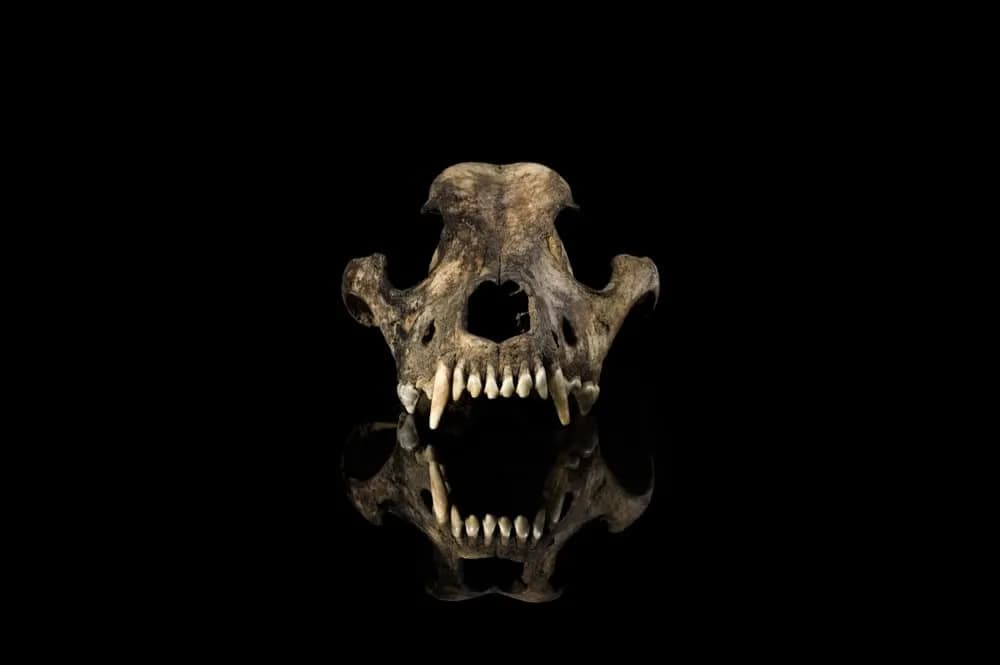
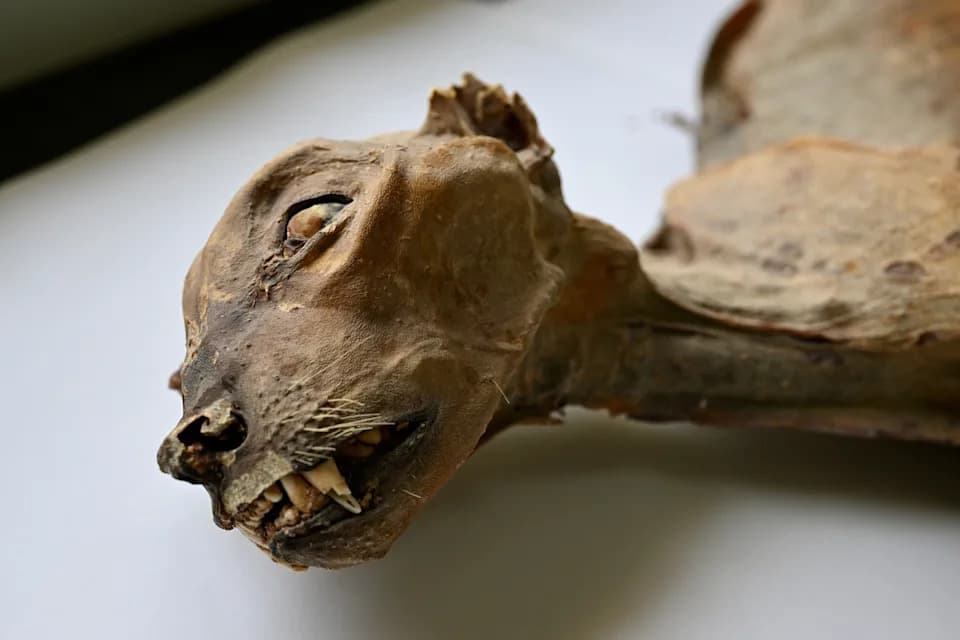
Whole-genome analysis of 70 ancient cats indicates that most modern domestic cats became established in Europe about 2,000 years ago and spread along Roman military routes, reaching Britain by c. 100 CE. Earlier human–cat interactions in the Levant, Cyprus and Ancient Egypt are clear, but the widespread European domestic lineage appears to have a later, North African origin. The study—part of EU-funded Project FELIX—also finds evidence of hybridization and shows some island wildcats were introduced by people rather than descending from feral domestic animals.
Roman Roads and Feline Companions: How the Roman Army Spread Domestic Cats Across Europe

New genomic evidence shows that most modern domestic cats arrived in Europe much later than previously thought—about 2,000 years ago—and spread broadly along Roman military routes, reaching Britain by around 100 CE.
What the new study found
Researchers sequenced whole genomes from 70 ancient cats (dating from roughly 9000 BCE to the 19th century CE) recovered from archaeological sites in Europe and Turkey, and compared them with DNA from 17 modern wildcats sampled in North Africa, Italy and Bulgaria. The genomic data indicate that the lineage leading to most present-day house cats became established in Europe only around two millennia ago. The timing and geographic pattern point to introduction from North African domestic cats and subsequent spread along the roads, forts and supply lines used by Roman soldiers.
Earlier cat–human relationships
Archaeological evidence shows humans and wildcats interacted much earlier in other regions. Wildcats were drawn to early Neolithic settlements in the Levant about 9,500 years ago, attracted by stored grain and the rodents it brought. Cat remains from around 7500 BCE on Cyprus and the prominent role of cats in Ancient Egypt (from roughly 3,500 years ago) attest to a long and complex relationship between people and felines. However, despite early contacts, the genetic signature of the domestic cat that became widespread across Europe appears to postdate those events.
Hybridization and island wildcats
The study also finds that many earlier cats in Europe and Turkey belonged to European wildcat lineages. Some genetic differences previously interpreted as signs of early domestication are better explained by hybridization between distinct wild populations. On Mediterranean islands such as Sardinia, both ancient and modern wildcats are genetically closer to North African wildcats than to domestic cats, suggesting humans transported wildcats to these islands where they were not originally native.
Project FELIX and next steps
This work is part of Project FELIX, an EU-funded initiative to analyze more than 800 archaeological cat samples spanning up to 10,000 years to better resolve how cats and humans shaped each other’s histories. Evolutionary biologist Jonathan Losos, who was not an author on the paper, commented: “Ever sphinxlike, cats give up their secrets grudgingly. Yet more ancient DNA is needed to unravel these mysteries of long ago.”
Why it matters: These findings reshape our understanding of how domestic animals spread with human movements and institutions. They show that cultural and logistical networks—here, the Roman military—played a major role in dispersing a species that now lives alongside humans across the globe.
Help us improve.