Trinity Church in Lower Manhattan has expanded its Compassion Market to meet surging demand, serving hundreds daily with non-cook bags, a client-choice grocery model, hot meals and infant supplies like diapers and formula. Economic strains from withheld SNAP benefits, tariffs and inflation are driving the increase. The church has redirected roughly $400,000 to partner organizations and spent millions to deliver millions of meals across 2024–25. Trinity combines direct services with rapid grants to address growing need citywide.
Bread, Diapers and Hope: Trinity Church Scales Up as Hunger Surges in New York

On a chilly morning in Lower Manhattan, the line outside Trinity Commons — the outreach arm of historic Trinity Church — snaked past the block as hundreds waited in roughly 44°F weather for the Compassion Market food bank. Many queued with small children, pushing strollers or carrying infants, while volunteers moved with practiced efficiency to serve them.
Vidia Cordero, the church’s deputy chief community impact officer, said the market had been open less than an hour and already "about 250 or so inside." The previous week Trinity served more than 1,000 people on its two pantry days, Tuesday and Thursday. The surge has become the new normal for the ministry.
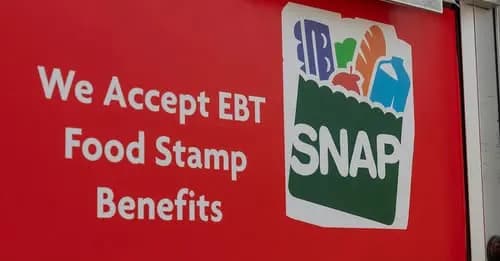
Cordero attributed much of the recent spike to the temporary withholding of SNAP benefits during the prolonged government shutdown, but added that pressures have been building for months as food prices rose amid tariffs and persistent inflation. Analysts warn that mounting business costs are increasingly being passed to consumers: an October S&P Global study estimated companies would face at least $1.2 trillion more in 2025 expenses, with roughly two-thirds of that burden — more than $900 billion — falling on Americans. Yale’s Budget Lab estimated that tariffs could cost households nearly $2,400 annually. Meanwhile, grocery bills have climbed: the Kobeissi Letter reports the average monthly food cost for a family of four is now about $1,030, up from $750 in 2017.
The contrast between need and wealth is stark: Trinity’s Gothic Revival church and its cemetery, which includes the graves of Alexander and Eliza Hamilton, sit just across from Wall Street and the New York Stock Exchange. Commuters and tourists pass blocks from where families line up for food.
How Trinity Responded
To meet rising demand, Trinity has expanded the Compassion Market and diversified distribution. For people without kitchens — those sleeping rough or living in shelters — volunteers hand out "non-cook" bags filled with ready-to-eat items. The market also operates a "client-choice" model that lets visitors select groceries across categories within set limits, preserving dignity and choice. Hot meals are served daily in front of the church at breakfast, lunch and dinner.
Infant supplies have become a major focus. Tuesdays are largely dedicated to diapers and formula; Cordero said the market now serves more than 200 people in a day for these items alone. Trinity assembles "baby bundles" for expectant parents containing a stroller and essential supplies — a service that has been especially welcome since the market began distributing formula.
"We’re serving clothing as well as food,"
— Vidia Cordero
Trinity also provides appointments for new clothing, toiletries, blankets, winter coats and boots — items purchased new, including many ordered online. Despite these efforts, demand often outstrips supply: staff sometimes must turn people away when particular items run out.
The church has mobilized funds quickly through its philanthropic network. Bea De la Torre, Trinity’s chief philanthropy officer, said the church redirected close to $400,000 to organizations working with SNAP recipients and food distribution during the shutdown. Trinity reports spending $1.6 million to provide 2.5 million meals in 2024 and $3.3 million to supply five million meals so far in 2025.
Inside the Compassion Market, volunteers restock shelves, push carts and greet families in several languages. As temperatures fell and holiday demand approached, staff prepared for continued heavy turnout.
"That’s what we’re here for — to give folks what they need that they aren’t getting elsewhere,"
— Vidia Cordero
Trinity’s combined approach — direct service through the market and rapid financial support for community partners — aims to meet urgent needs across the five boroughs as economic pressures push more New Yorkers to seek help.
Help us improve.